

-
Architects: amann-canovas-maruri
- Year: 2021
-
Professionals: Mecanismo Ingeniería, eadAT Ingenieros


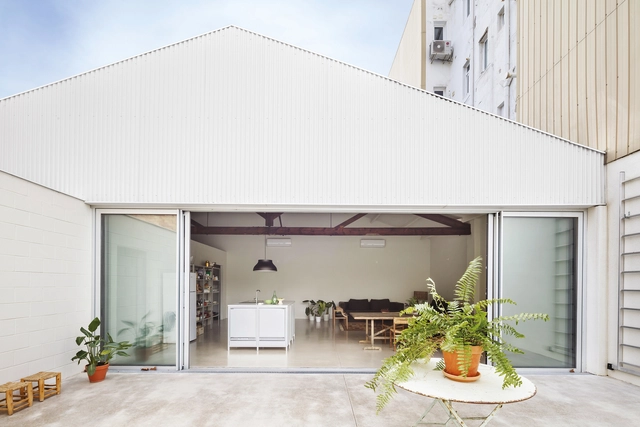
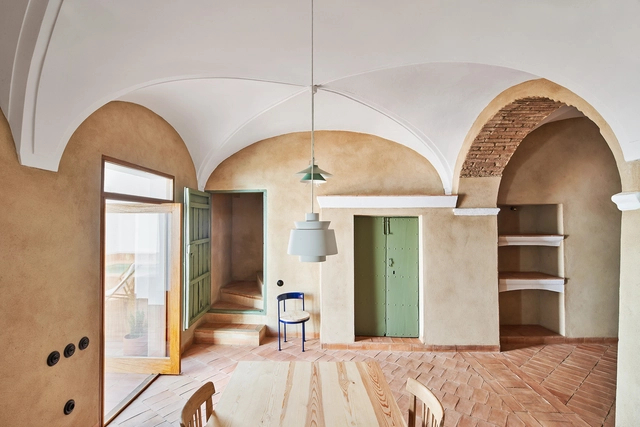
In the last few years, Europe has become a leader in refurbishment architecture by renovating and remodeling buildings and historic city centers. These initiatives have halted horizontal expansion and promote equitable city development.
This trend has not only become a contribution towards the densification and revitalization of underserved sectors but has also allowed families who had been displaced to the periphery to inhabit city centers and improve their quality of life.
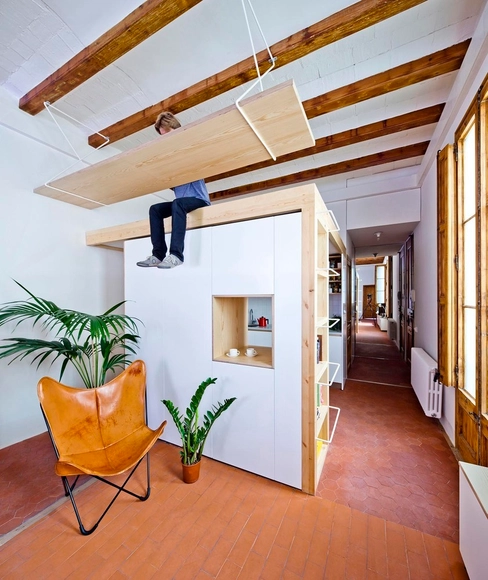
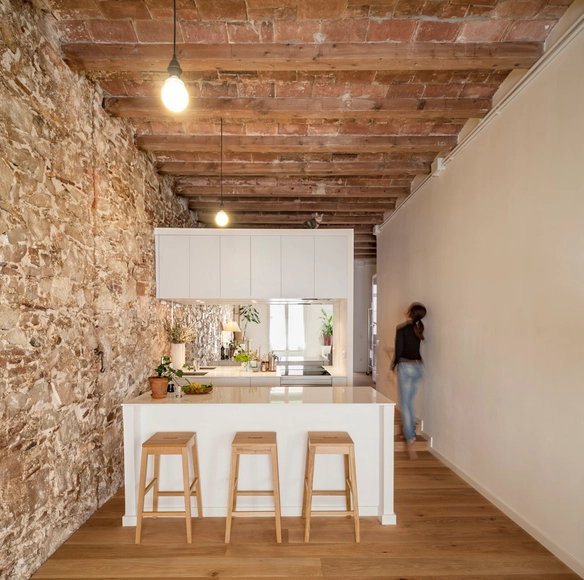
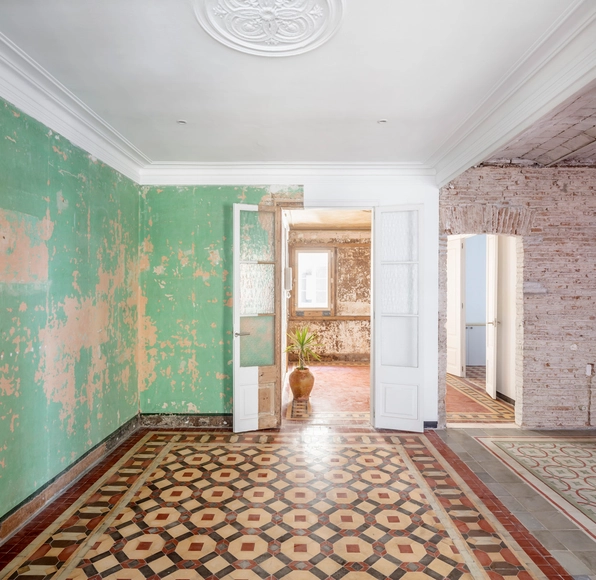
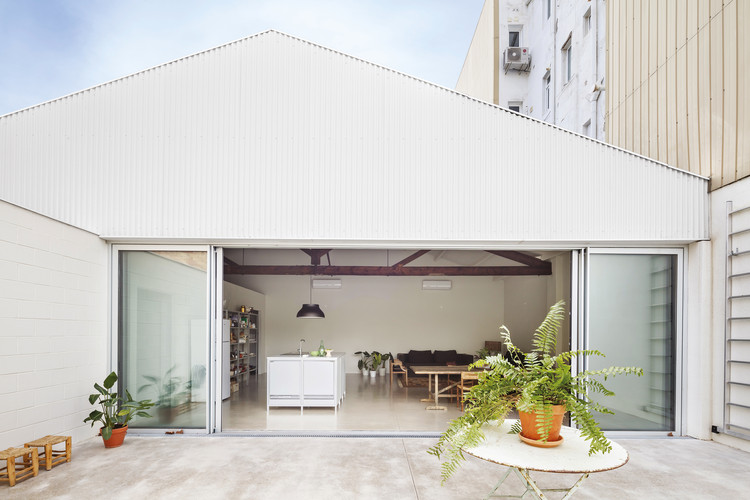
The height of the ceiling of a space heavily influences our perception of it. Generally, local building codes regulate the minimum dimensions for ceiling height, which are calculated to ensure adequate quality of life in the environment. But the exact height of the ceilings is often defined by the dimensions of other materials that make up the building, the height of the constitutive slabs, or even by rounding the dimensions of the stair steps. It is common, with the densification of cities aimed at increasing profitability, for entrepreneurs to design with minimum ceiling heights in houses and offices, reducing construction costs. On the other hand, in older structures, more generous ceilings can be observed, which generally enable a greater degree of design freedom. But how can architects make the most of these spaces?
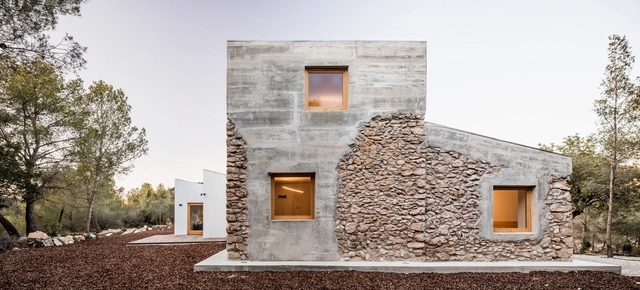
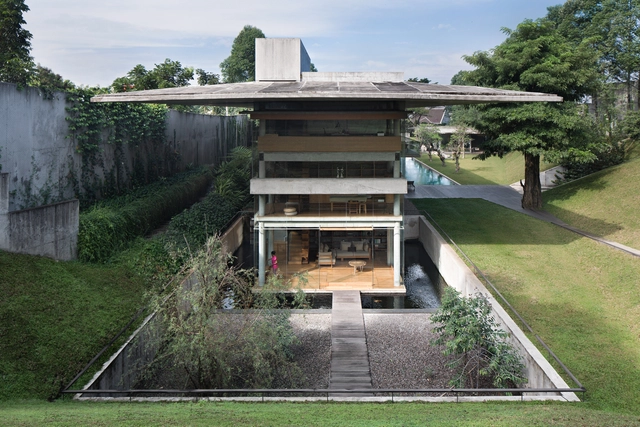
On behalf of the entire ArchDaily team, we would like to thank you for your continued support and for making 2020 our best year so far! We are now reaching more architects around the world and inspiring them in the creation of better built environments. With more than 5500 different projects published during the year, our curators are excited to share this collection of the 100 most visited projects of 2020. This selection represents the best content created and shared by the ArchDaily community over the past 11 months.

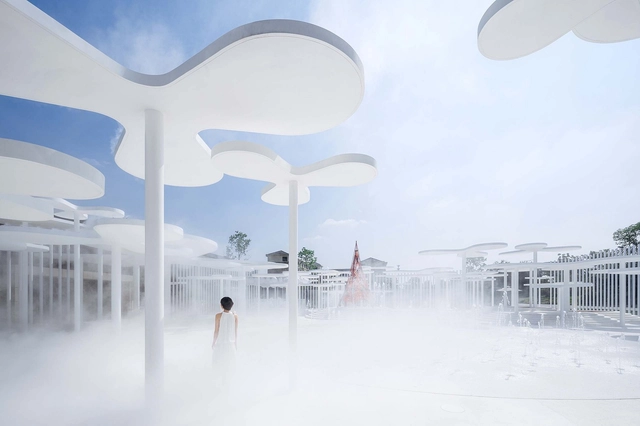
The incorporation of the human figure is one of the most effective tools used in architectural photography: it helps the viewer decipher the scale of work and assess its amplitude. While it successfully communicates a rough idea of the measurements of the elements in the picture, it also helps architecture become more relatable and accessible. People engage better with the built environment when it is populated, mainly because the human sense of society and community is the cornerstone of our civilization. With this in mind, we are showcasing a selection of our favorite photographs where the human figure takes center stage, enhancing our reading of architecture.

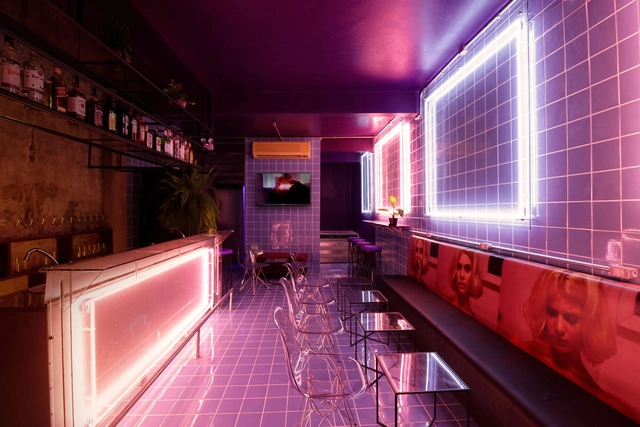
Neon lights are a bold, cosmopolitan statement that can easily revitalize or accentuate an architectural space or structure. With eye-catching brilliance, a plethora of color options, and ties to a retro aesthetic, these lighting pieces can make a space feel simultaneously modern and nostalgic. Yet few understand the scientific workings or material properties of neon, and many architects neglect its use due to its narrow association with commercial signage. Below, we explore how neon works, its architectural history, and how architects can continue to use it today.
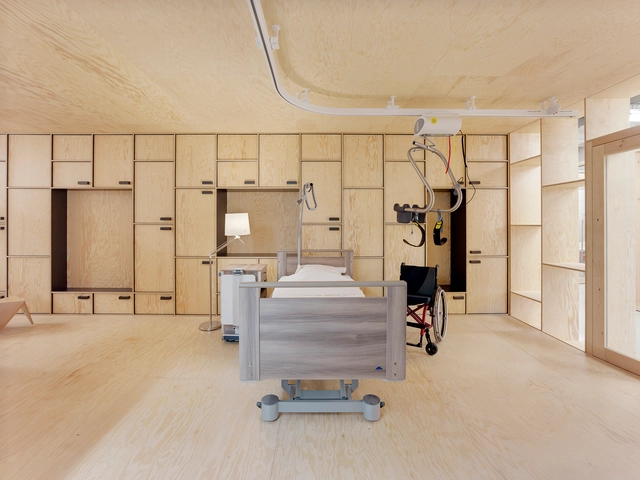
Hospitals and projects related to healthcare must follow specific guidelines based on the rules and regulations of their country. These standards help us to design complex spaces, such as those located in areas of surgery, hospitalization, diagnostics, laboratories, and including areas and circulations that are clean, dirty, restricted or public, which create a properly functioning building.
There are a few spaces that we, as architects, can develop with great ease and freedom of design: waiting rooms, reception areas, and outdoor spaces. These are spaces where architects can express the character of the hospital. To jump-start you into this process, we have selected 43 projects that show us how creativity and quality of a space go hand-in-hand with functionality.
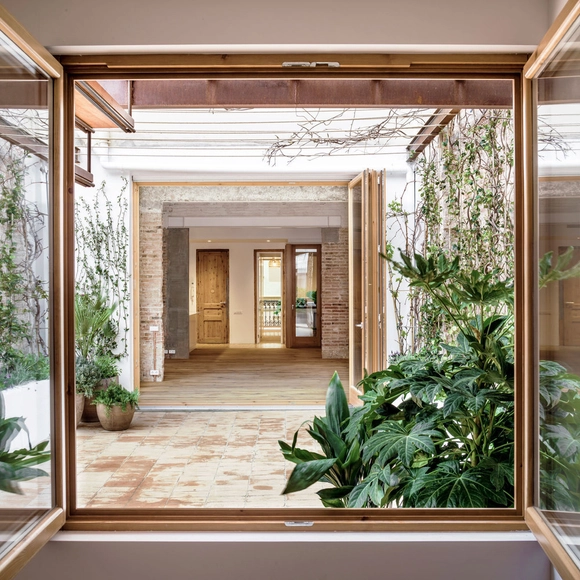
Indoor gardens can contribute important benefits to home living, ranging from aesthetic beauty to improved health and productivity. Research has shown that indoor plants help eliminate indoor air pollutants called Volatile Organic Compounds (VOCs) that emanate from adhesives, furnishings, clothing, and solvents, and are known to cause illnesses. They also increase subjective perceptions of concentration and satisfaction, as well as objective measures of productivity. Indoor gardens may even reduce energy use and costs because of the reduced need for air circulation. These benefits complement the obvious aesthetic advantages of a well-designed garden, making the indoor garden an attractive residential feature on several fronts.

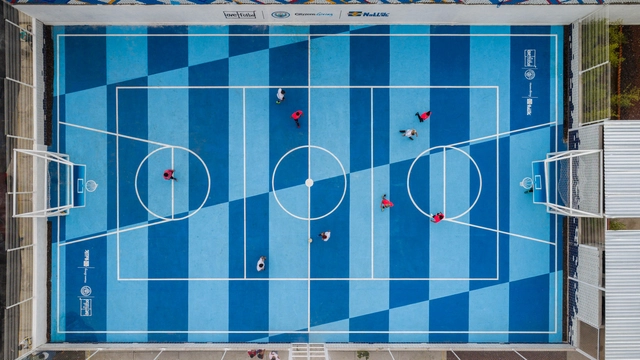
People often gather around sports activities, whether they are the ones exercising or the ones cheering. This internationally recognized social interest brings everyone together seamlessly, regardless of their background, gender, culture, ethnicity and so on.
Urban regeneration can take different aspects, and one of the most prominent and efficient solutions that can reconcile a community with itself and its surroundings is a sports function. In fact, this purpose encourages people to reclaim their fundamental right to public spaces and regenerate demoted, hostile or forgotten areas.
Read on to discover examples from all over the world, where physical activities made an urban impact on the neighborhood and the community.




.jpg?1591019033&format=webp&width=230&height=230&crop=true)