

-
Architects: Noemí Martínez
- Area: 898 m²
- Year: 2011
-
Professionals: Construcciones Rubau



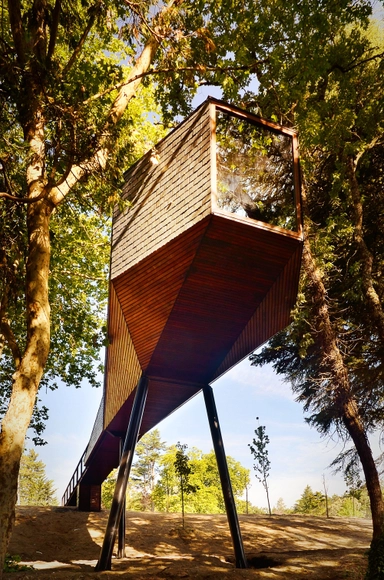
This Financial Times article describes the Post-Recession paradigm shift occurring in Portuguese architecture -- from construction to landscape, large to small. Pritzker Prize winners Alvaro Siza and Eduardo Souto de Moura have been leading this "micro" trend, designing hotels with exceptional materiality and craft. We've decided to round up some of these extraordinary structures, including: Casa Na Areia and Cabanas no Rio by Aires Mateus, Jorge Sousa Santos’ Rio do Prado, the Ecork Hotel by Jose Carlos Cruz and Villa Extramuros by Jordi Fornells. Last but not least, is ArchDaily’s building of the year for hospitality architecture -- the Tree Snake Houses from father Luís Rebelo de Andrade and son Tiago Rebelo de Andrade.

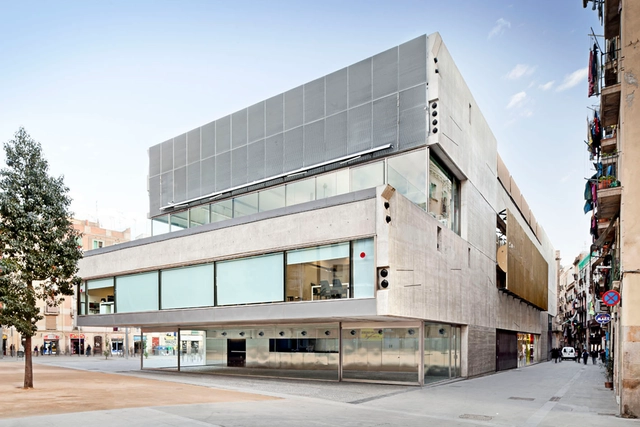

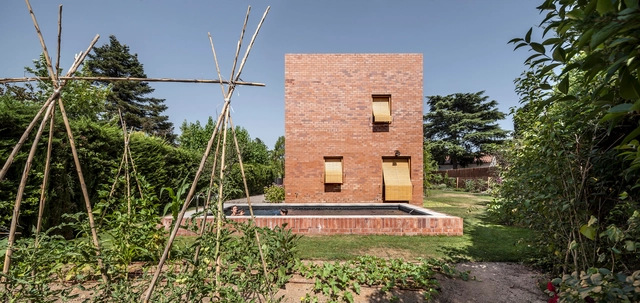
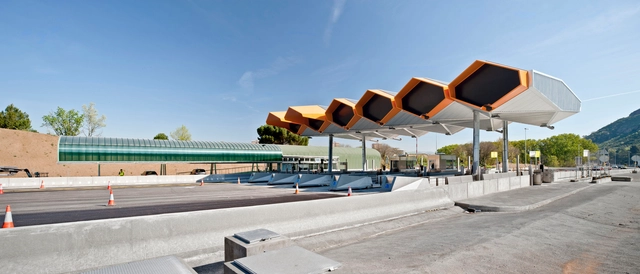
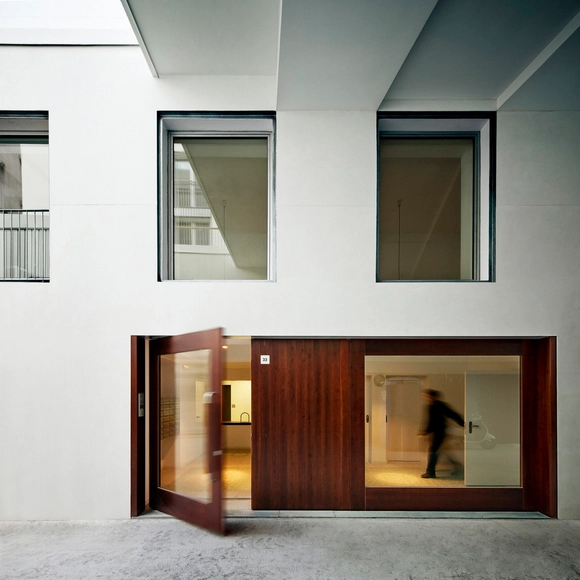
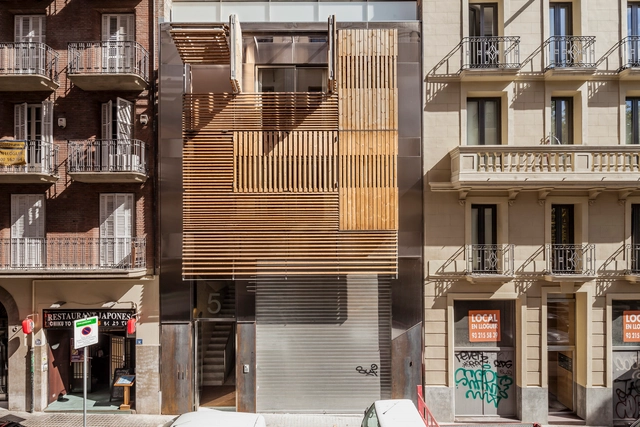
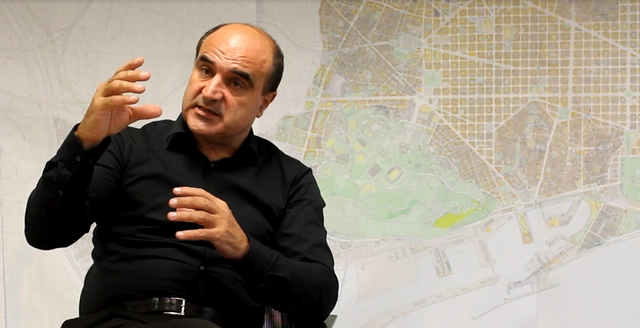
In the following article, originally published in Polish in theDecember 2013 issue of A&B, Ewa Szymczyk interviews Vicente Guallart, the Chief Architect of Barcelona since 2011 as well as the founder of Guallart Architects and IAAC (Institute of Advanced Architecture in Catalunya). Szymczyk questions Guallart about his experience in urban design, asking: how can you measure a city's success?
Ewa Szymczyk: When measuring the contemporary city’s success we typically use economic measures. In this sense Barcelona ranks very high, being a top tourist destination and managing its budget in times of global crisis. But there are many other ways to measure its success. What in your opinion makes a city a good city? Isn’t it much more than economic prosperity?
Vincente Guallart: A good city is a place where the citizens live well. So the best measure for a good city is how the citizens live. The truth is that the city is a physical representation of a social agreement. If you think for instance about Phoenix in Arizona, maybe people live there the way they want and the way they like to live. Obviously there are also questions related to cost. I mean, questions related to environmental and economic costs. Therefore the cost of a city like Phoenix is very different from the cost of a city like Hong Kong, which is the densest city and probably the most efficient urban structure in the world. So the question is the economic efficiency and also the quality of life of the citizens. And the best way to know is to ask citizens how happy they are to live in a place like this. The truth is that if you are a citizen of Barcelona you are quite happy. We have been evaluating this over the past few years and the average rating is seven out of ten. So that is in general very good! The people are proud to live in a place like this.