

-
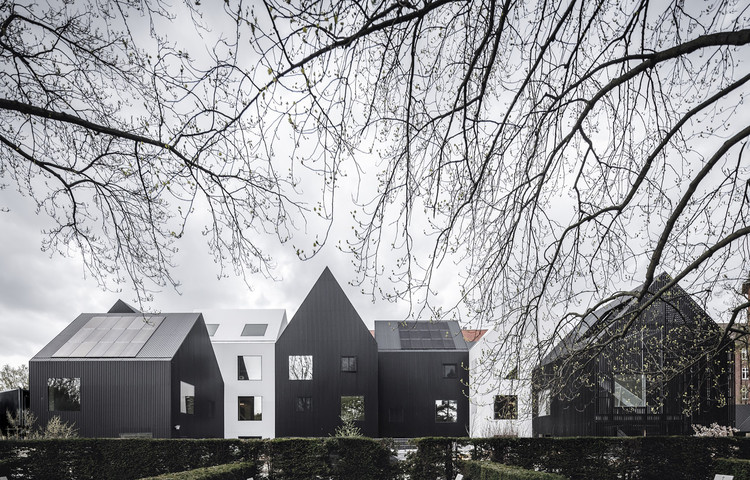
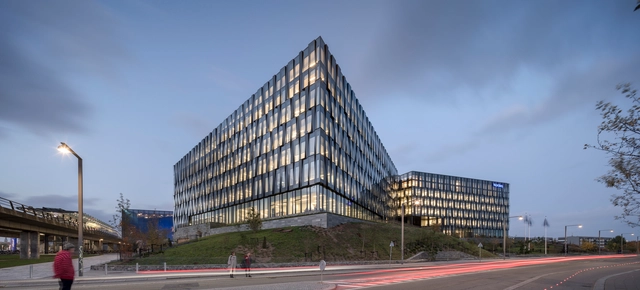
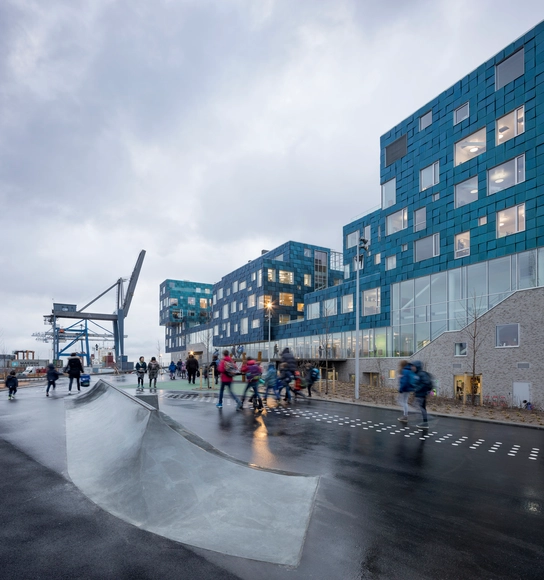
Architects: Christensen & Co. Architects, Rørbæk og Møller Arkitekter
- Area: 47000 m²
- Year: 2016


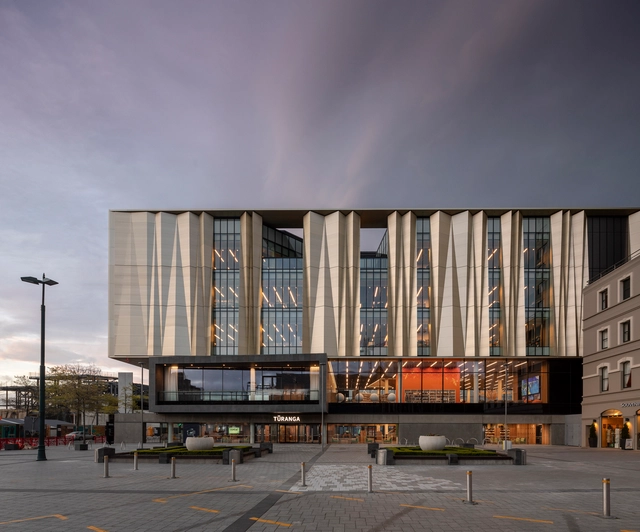
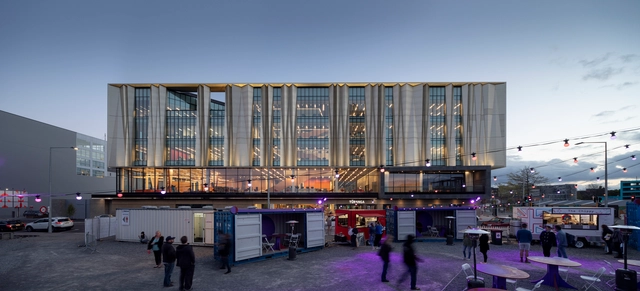
Schmidt Hammer Lassen Architects and Architectus have announced the opening of Tūranga, the new central library for Christchurch, New Zealand. Built to address the earthquakes that damaged Christchurch in 2010 and 2011, the library is one of the first public buildings to open downtown after the disasters. Working with Architectus and the indigenous Māori people of New Zealand’s South Island, the design was made to celebrate rebirth in Christchurch.
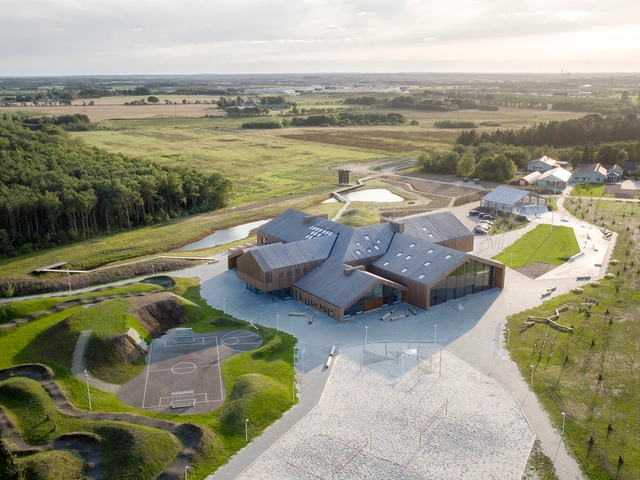

Le Corbusier stated in his seminal text, Towards a New Architecture, that “...man looks at the creation of architecture with his eyes, which are 5 feet 6 inches from the ground.” Logical and rational codes such as this form the standard for much of architectural production - but of course, these "norms" are as constructed as architecture itself. This particular standard is especially irrelevant when designing for children, for whom the adult-centric assumptions of architecture do not and should not apply.
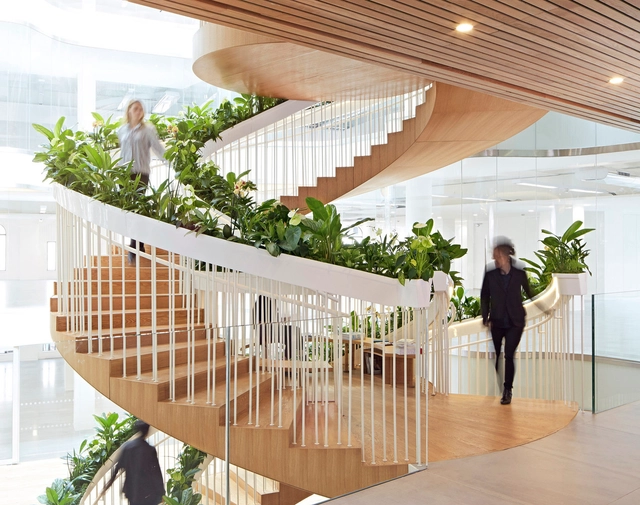
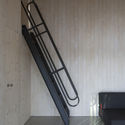
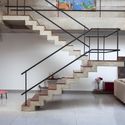
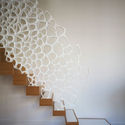
Guardrails and handrails are two elements that are often confused. While the first is used to close a space and prevent a person from falling, the second is a support bar for balance. Normally standard solutions are used for both elements, but with an attractive design, they can become standout details in a project.
For inspiration on materials, structures, and details of guardrails and handrails, here are 17 notable examples.

Constructing places of worship has always been an intricate practice, managing to detach the human, and release the boundary between body, mind, and spirit. Holy presence has been crucial in designing and constructing sacred places, which is why almost all religious building possessed similar characteristics: grandiosity, monolithic material, natural elements, and a plan that compliments an individual’s circulation through the space. Contemporary religious structures, however, found a way to adapt to the evolution of architecture. Unlike the Gothic or Baroque periods, modern-day architecture does not have a dominant identity. It is, in fact, a combination of postmodernism, futurism, minimalism, and everything in between. Architects have found a way to transform these exclusive, religion-devoted places into structures of spirituality, manifestation, and fascination.
Here is a selection of contemporary religious buildings that prove once again that architects are breaking all boundaries of creativity.
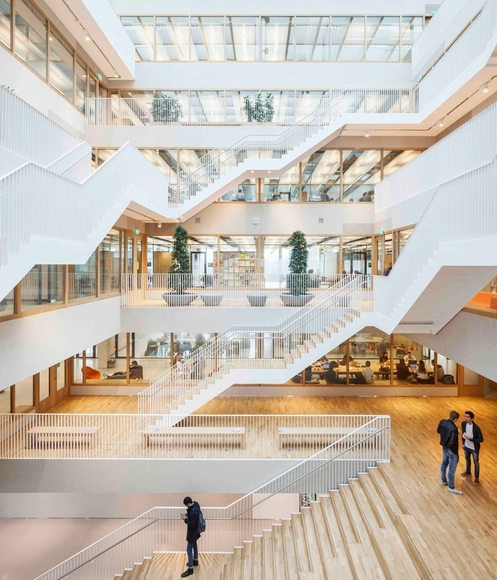
Offices and cultural buildings both offer the perfect opportunity to design the atrium of your dreams. These central spaces, designed to allow serendipitous meetings of users or to help with orientation in the building, are spacious and offer a lot of design freedom. Imposing scales, sculptural stairs, eccentric materials, and indoor vegetation are just some of the resources used to give life to these spaces. To help you with your design ideas, below we have gathered a selection of 15 notable atriums and their section drawings.
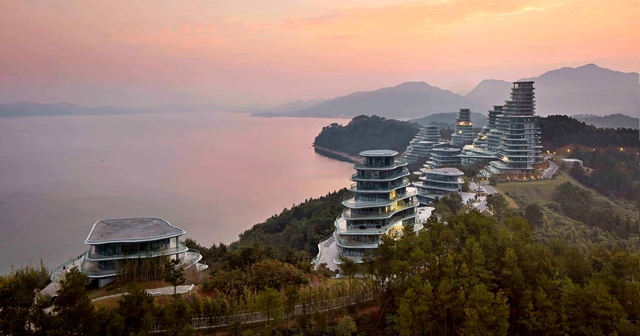
With the unconventional, undulating forms of his buildings—and the fact that his path to architectural success included a stint working for Zaha Hadid—Ma Yansong is often miscategorized as an architect of the latter generation of Deconstructivists, interested only in futuristic forms that push the boundaries of technology for the sake of innovation as an end in itself. But in fact Ma’s designs, especially those in his home country of China, are deeply rooted in nature and tradition, as he explains in the latest interview from Vladimir Belogolovsky’s “City of Ideas” series.




_Katsuhisa_Kida_2.jpg?1535707378&format=webp&width=230&height=230&crop=true)
_Antoine_Espinasseau_2.jpg?1535707302&format=webp&width=230&height=230&crop=true)
_John_Donat_RIBA_Library_Photographs_Collection.jpg?1535707315&format=webp&width=230&height=230&crop=true)
_Dorte_Mandrup.jpg?1535707286&format=webp&width=230&height=230&crop=true)