We are looking for a highly-motivated, writing-loving architect to join our editorial team in Chile or Mexico, working on the development and publication of both sponsored and original content on ArchDaily, specifically related to materials, products, and building systems.
Your challenge will be to present the latest innovations and trends in relation to the world of construction in a useful and attractive way, prioritizing technical and educational content.
Every year, ArchDaily features thousands of new projects that make up the largest online architecture library in the world. Our team of curators review, seek and make sure to explore some of the most innovative and relevant architectural works around. Just like the projects that appeared in our first ArchDaily book, our aim is to open up our platform and highlight (What is) Good Architecture. For that, we look into all natures and sizes of interventions, that reflect sustainable traits, local awareness, technological advancement, and comfort/well-being. The ArchDaily top 100 listing, in particular, combines all these factors with the data we get from our users: which projects are they looking at the most.
https://www.archdaily.com/993934/best-architectural-projects-of-2022ArchDaily Team
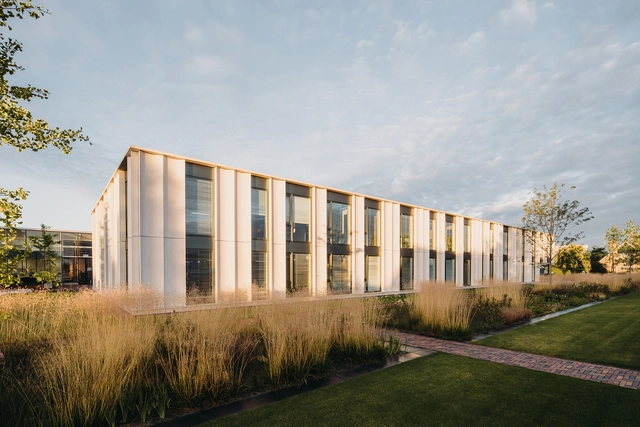
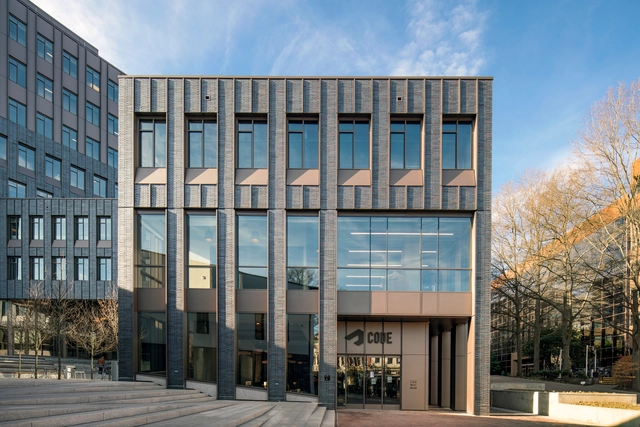
CODE Building / Wolf Ackerman, EskewDumezRipple. Image Courtesy of Kingspan
A 2022 United Nations report claims that the negative impacts of the climate crisis are mounting much faster than scientists predicted less than a decade ago. Rising greenhouse-gas emissions could soon outstrip the ability of many communities to adapt, and the consequences will continue to hit the world’s most vulnerable populations. As climate scientist Maarten van Aalst suggests, “Any further delay in global action on adaptation and mitigation will miss a brief and rapidly closing window of opportunity to secure a livable and sustainable future for all.” The data is clear: to protect our planet, we need to prevent a 1.5°C rise in global temperatures this century. To do so, the world must achieve a 45% reduction in global carbon emissions from 2010 levels to 2030, to then reach a net-zero state by 2050. It is evident, however, that we are on track to miss this goal by a substantial amount. The clock is ticking, and every industry should act fast (and drastically) to even dream of greener cities.
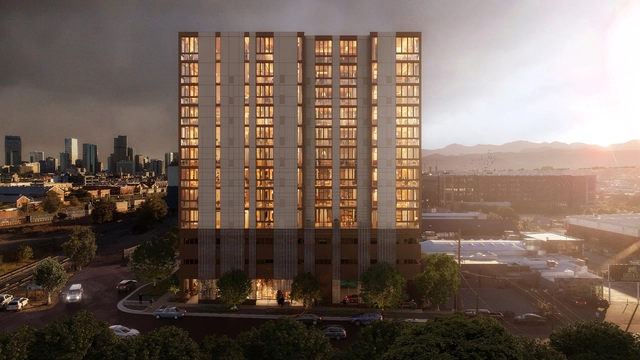
Denver-based architecture office Tres Birds announced that Denver’s tallest mass timber building is planned to break ground in July 2023. The 12-story building named “Return to Form” will be located in the River North Arts District in Denver, US. Its structural system uses mass timber, a new technology that utilizes small-diameter trees from sustainably managed forests. Through continuous planting and responsible harvesting, these forests are becoming a source of renewable and low-impact building materials. The mass timber structure is comprised of wood panels that are glued and laminated together. This provides not only strength and stability but also fire resistance.
Kharkiv, Kharkiv oblast, Ukraine. Image via Shutterstock
Norman Foster Foundation and Arup office in Berlin schemed a master plan for Kharkiv, Ukraine, to guide future urban regulations and prepare professionals for the city's reconstruction. In collaboration with a local advisory board, the outline is defined by a series of pilot projects to develop aspects such as heritage, infrastructure, and rivers. The initiative follows a request from the Kharkiv Mayor to the Foster Foundation through the United Nations Economic Commission for Europe, weeks after the Ukraine War started in February 2022.
Sanmartín Guix, an architectural firm based in Barcelona, aims to enhance the value of the built heritage through rehabilitation and adaptation according to the needs of new generations, providing comprehensive architectural services as well as real estate advice. In this way, the conditions and aesthetics of the buildings are improved, seeking to adapt them to the requirements of all those who wish to visit or inhabit these spaces.
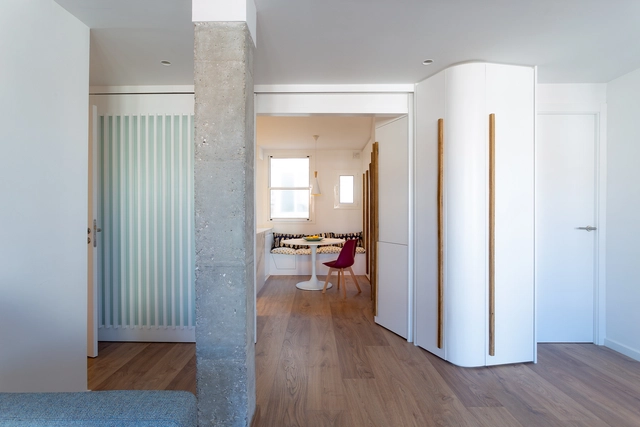
Once popular in Victorian architecture, pocket doors fell out of fashion in the mid-1920s and hinged doors soon became the norm. In recent years, however, a renewed interest in space-saving and design-forward solutions has brought pocket doors back into the limelight. What used to be an overlooked architectural feature is now becoming increasingly common in modern interiors, along with its creative flair and countless functions. These sleek, sliding doors can efficiently divide rooms, create seamless transitions, save space and contribute to a unique, sophisticated and stylish look. All of this while adding a slight touch of poetry to the home; sliding silently into the wall, pocket doors invite users to step through and explore what lies beyond, creating a strong sense of mystery and intrigue.
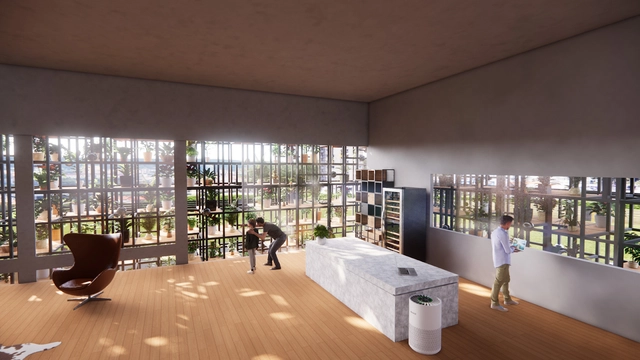
In our current context of ecological crisis, global warming, biodiversity loss, human population growth, and urban sprawl, we need to rethink the way we build and live in our city. We have observed the consequence of uncontrolled urban planning and construction driven only by a capitalist and productivist vision of the city, packing as many humans as possible in the cheapest constructions available, without consideration for the impact on our planet, our fellow animals & plants inhabitants, and our own wellbeing. The concrete jungles we have been building for the past century have proven to be disrupting our climate (Global Warming, Local heat island effect), our ecosystems (loss of biodiversity, and recess of animals & plants population), and our economy (the food and product industry have been displaced far away, replaced by the only service industry, and the generation of the huge amount of waste in the city).