
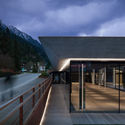
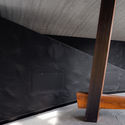

- Area: 1300 m²
- Year: 2016
-
Manufacturers: Barthelme, GLIP, Kraler, Pellegrini, Stoll Bachmann, +1
-
Professionals: Stoll & Bachmann s.r.l, Toblach, Elektro Mair & Seeber - Toblach, Glip, The lighting partner, +2



.jpg?1494582970&format=webp&width=640&height=580)
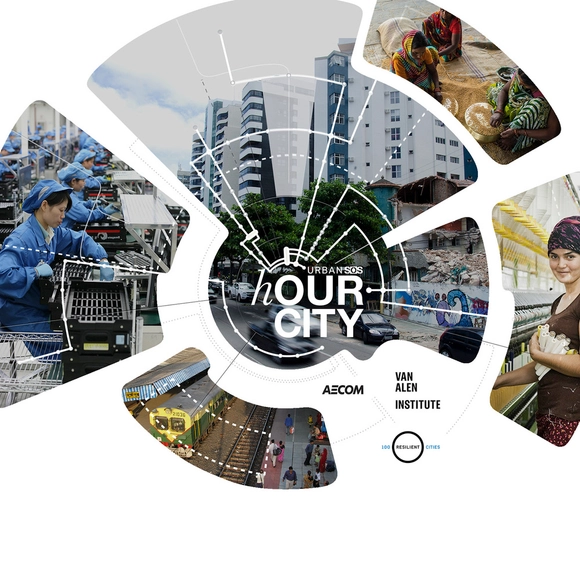
Presented by AECOM and Van Alen Institute, with 100 Resilient Cities — Pioneered by the Rockefeller Foundation, hOUR City is this year’s Urban SOS™ student ideas competition. We’re asking students to propose new solutions to tackle housing, transportation, or economic development challenges and to re-imagine what a future “hour city” boundary can be.
.jpg?1495138730&format=webp&width=640&height=580)
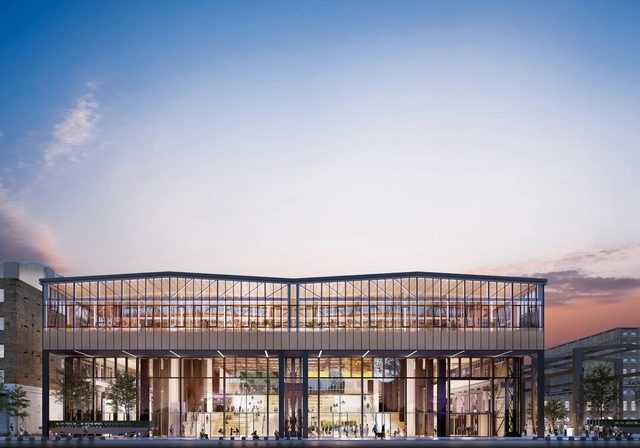
Construction has begun on the LocHal, a new mixed-use complex in Tillburg, The Netherlands. Designed by CIVIC Architects (a submember of The Cloud Collective) in collobaration with Braaksma & Roos architecten, Arup and Inside Outside, the project will be located in a former Dutch Railways hangar and maintenance facility, serving as a catalyst for the redevelopment of the city’s 75 hectare railway district. Opening up the area to the public, LocHal will offer visitors a large public hall and plaza, work spaces, conference areas, galleries, a library, a music hall and restaurant.

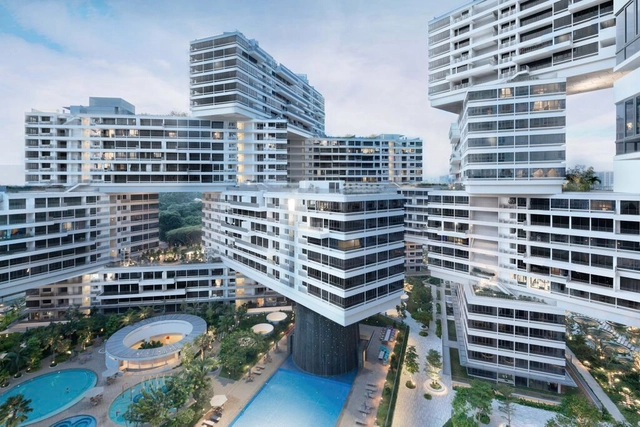
The World Architecture Festival (WAF) has announced four internationally recognized names as members of the Super Jury that will judge the awards program at the 2017 Festival in Berlin this November. After the selection of winners from across 31 categories on the first two days of the event, category winners will present to the Super Jury, who will decided the winners of the World Landscape, Future Project and Completed Building of the Year Awards.
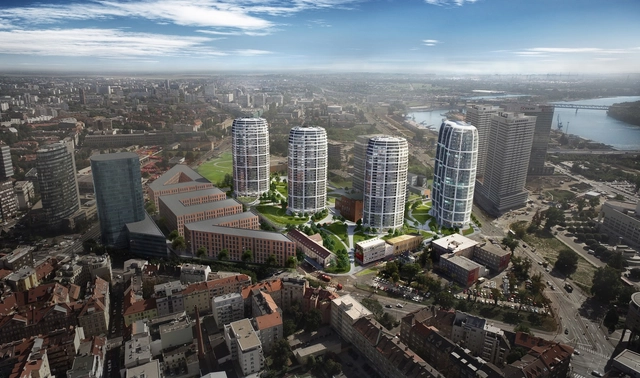
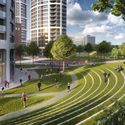
Zaha Hadid Architects have broken ground on the construction of a new 5.5 hectare development in Bratislava, Slovakia. Known as ‘Sky Park,’ the master plan will transform an abandoned site in a formerly industrial area of the city into a 20,000-square-meter park and mixed-use community containing more than 700 apartments and 55,000 square meters of office and retail space.
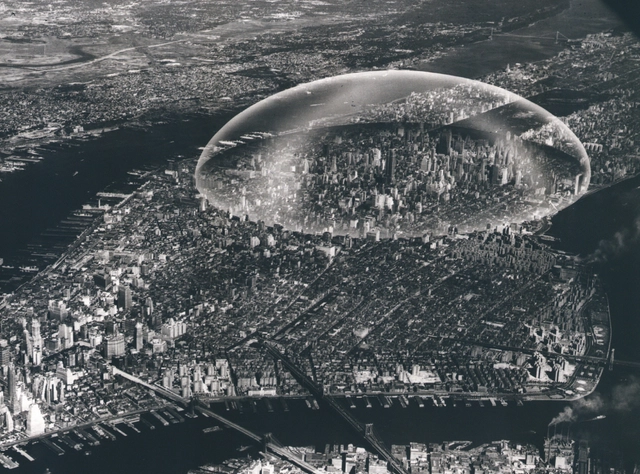
The “Never Built” world so far includes Never Built Los Angeles, a book and exhibit, and the book, Never Built New York. Now, the Queens Museum hopes to continue the exploration into the New York that might have been with a Never Built New York exhibition and has launched a Kickstarter campaign with a goal of $35,000 to make it happen. The exhibition, curated by Sam Lubell and Greg Goldin and designed by Christian Wassmann, will explore 200 years of wild schemes and unbuilt projects that had the potential to vastly alter the New York we know today.
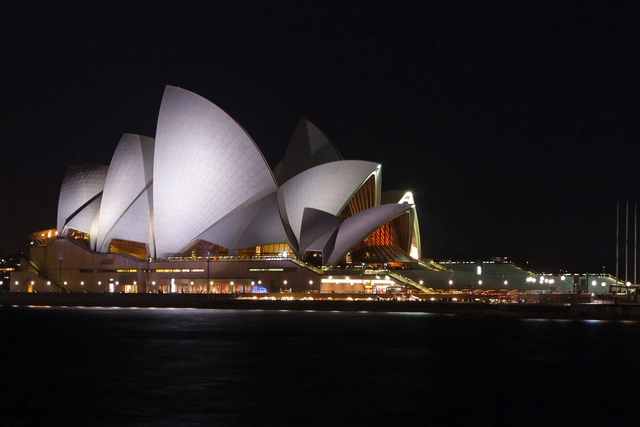
Construction is an exercise in frugality and compromise. To see their work realized, architects have to juggle the demands of developers, contractors, clients, engineers—sometimes even governments. The resulting concessions often leave designers with a bruised ego and a dissatisfying architectural result. While these architects always do their best to rectify any problems, some disputes get so heated that the architect feels they have no choice but to walk away from their own work. Here are 6 of the most notable examples:
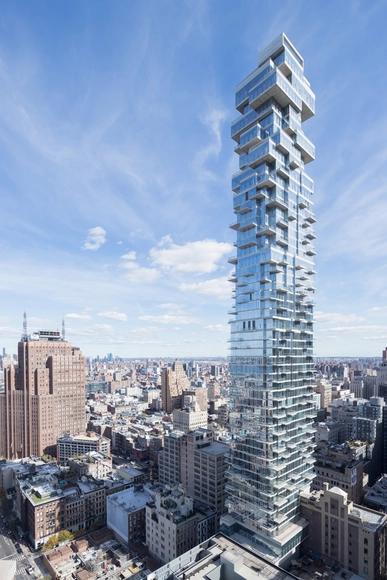

Scrolling through memes of cats in disguise. Checking if food has magically appeared in your refrigerator every ten minutes. Obsessively arranging books on your shelf by color. Renaming your computer's folders. In short, we seem to thrive on any irrelevant activity to avoid starting a reading, essay, model, or project. Procrastinate now, work later. Your future self can take care of business, after all.
As we suffer through long and strenuous projects, it is likely that we have all slipped into procrastination in order to avoid our next task. Not only do we avoid confronting work at the office or university studio, but also those personal errands which, if we dedicated ourselves, would enhance our daily lives. Below, based on our own experiences and expert opinion, and in order to avoid a host of other jobs around the ArchDaily office, we present 10 tips for architecture procrastinators, helping you to focus on the site analysis diagrams you should probably be doing right now!
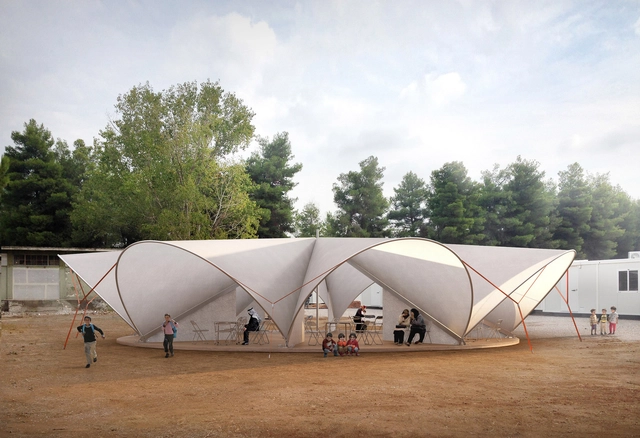
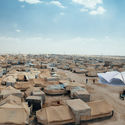
Over the past two years alone, more than a million people have fled the Syrian conflict to take refuge in Europe, strenuously testing the continent’s ability to respond to a large-scale humanitarian crisis. With the Syrian Refugee Crisis still unresolved, and temporary refugee camps now firmly established on the frontiers of Europe, architects and designers are devoting energy to improving the living conditions of those in camps fleeing war and persecution.
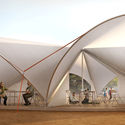
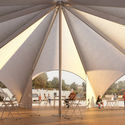
One emerging example of humanitarian architecture is Maidan Tent, a proposed social hub to be erected at a refugee camp in Ritsona, Greece. Led by two young architects, Bonaventura Visconti di Modrone and Leo Bettini Oberkalmsteiner, and with the support of the UN International Organization for Migration, Maidan Tent will allow refugees to benefit from indoor public space – a communal area to counteract the psychological trauma induced by war, persecution, and forced migration.



.jpg?1494583382 "© CreatAR - AI Qing & SHI Kaicheng")
.jpg?1494583181 "© CreatAR - AI Qing & SHI Kaicheng")
.jpg?1494583955 "© CreatAR - AI Qing & SHI Kaicheng")
.jpg?1494582986 "© CreatAR - AI Qing & SHI Kaicheng")
.jpg?1494582970)
.jpg?1495138781 "© Shin Kyungsub")
.jpg?1495138811 "© Shin Kyungsub")
.jpg?1495138945 "© Shin Kyungsub")
.jpg?1495138885 "© Shin Kyungsub")
.jpg?1495138730)