
-
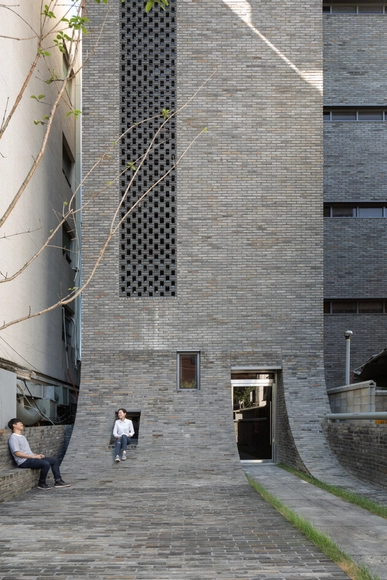
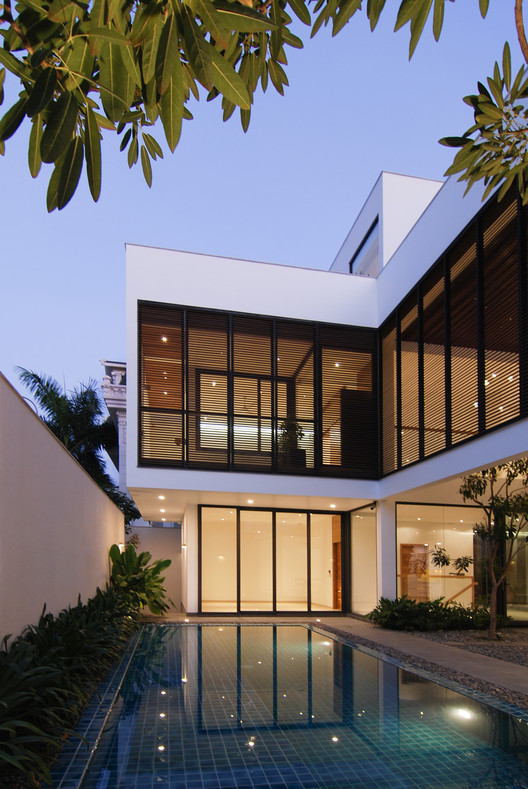
Architects: B.U.S Architecture
- Area: 2315 m²
- Year: 2016
-
Manufacturers: Eagon, Jeil Brick




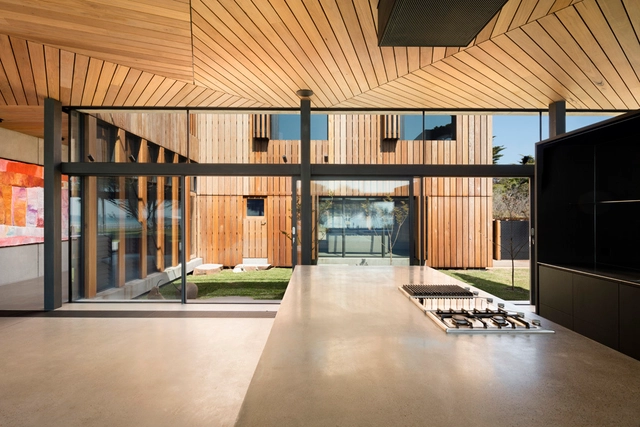
In his latest video, filmmaker Vincent Hecht takes us inside Toyo Ito's Tama Art University Library. The project is notable for its effortless geometry, with the entire building comprising a series of simple concrete arches which, when combined, create a complex "emergent grid" which allowed for great flexibility in the building's plan. Hecht's video shows how this geometry works in practice, as the elements of the library snake through the building's light, open interior.

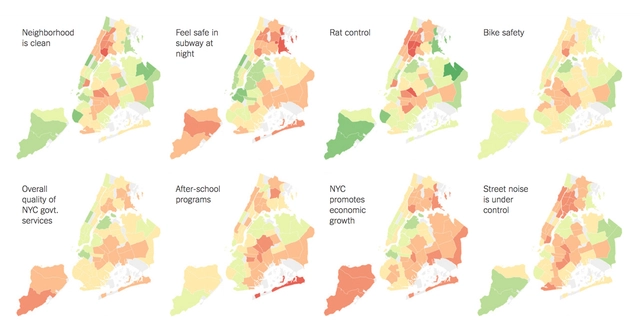
How satisfied are you with your city’s garbage service? Its parks? The way it handles pest control? What about homelessness? In the USA’s largest metropolis, which covers a total of 468.484 square miles (1,213.37 km2) and is home to over 8.5 million people, New Yorkers’ perception of their city and the services it provides reveals the “uneven distribution of New York’s opportunities,” according to a survey conducted by The New York Times.
The project also shows relative accord and satisfaction with fire and emergency medical services and agreement that use of tax dollars, public housing and traffic can be improved.

There are many ways to get to know a city. There are those who, when commenting on a particular city they have visited, remember the gastronomy and restaurants they frequented. Other travelers will remember the music and the parties; others will remember specific markets or events. You, a keen ArchDaily reader, probably took careful note of the architecture above anything else.
Each of these means of knowing a city keeps specificities and riches, but none of them alone can recreate a faithful mental landscape of the real city. There is no problem in this, after all, the same city can be very different for two people who live in it or who are visiting it. Among these ways of getting to know a city, we focus on architecture, more specifically, the modern architecture of São Paulo, in an attempt to offer our readers a look at one of the largest city in South America from an architectural approach
.jpg?1499123140&format=webp&width=640&height=580)
London’s annual temporary architecture pavilion spectacular has returned. Each summer the Serpentine Pavilion program selects an accomplished architect who has yet to create work in the United Kingdom, and asks them to build a temporary shelter on the gallery's lawn. The resulting structure is erected in June and dismantled in October.
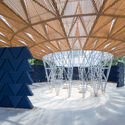
This year’s offering is designed by Francis Kéré—the first pavilion designed by an African Architect to grace Kensington Gardens. Kéré’s project is composed of a series of curving blue walls shaded by an elliptical cantilevering wood and steel canopy. Thus far the design has been universally lauded by critics; read on to find out why they thought the project was so appealing.


The ever-growing realm of “post-digital” drawing is currently at the forefront of a healthy dosage of discourse, appreciation and even criticism, as professionals and students alike continue to push the envelope of accepted architectural representation and exchange a waning hyperrealism for the quirks and character of alternative visual narratives. Central to this new wave of illustration is the inclusion and appropriation of specific icons and characters from famous pieces of modern art, selected in particular from the works of David Hockney, Edward Hopper and Henri Rousseau, whose work undoubtedly remains at the forefront of their individual crafts and styles.
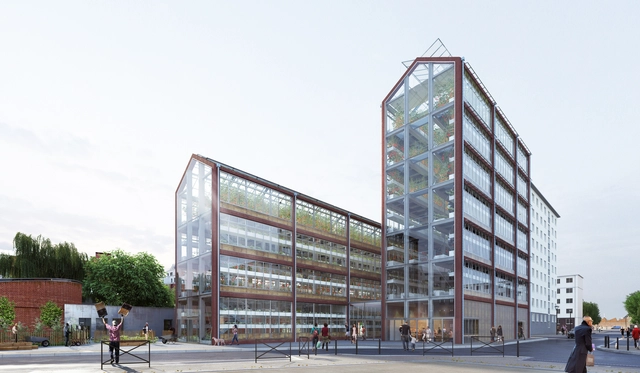
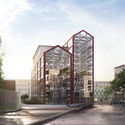
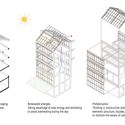
In their winning competition entry, French architecture firm Ilimelgo reimagines the future of urban agriculture with a vertical farming complex in the Parisian suburb of Romainville. The project integrates production of produce into the city through a 1000 square meter greenhouse that maximizes sunlight and natural ventilation. Recognizing the developing world’s diminishing agricultural space, the project aims to meet the growing demands for crop cultivation in urban environments.





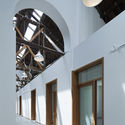
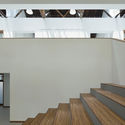

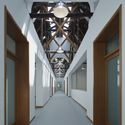
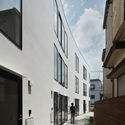








.jpg?1499123196 "© Laurian Ghinitoiu")
.jpg?1499123207 "© Laurian Ghinitoiu")
.jpg?1499123175 "© Laurian Ghinitoiu")
.jpg?1499123140)