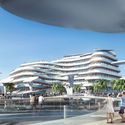
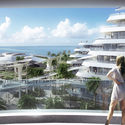
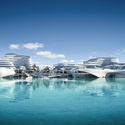
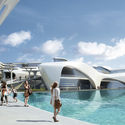
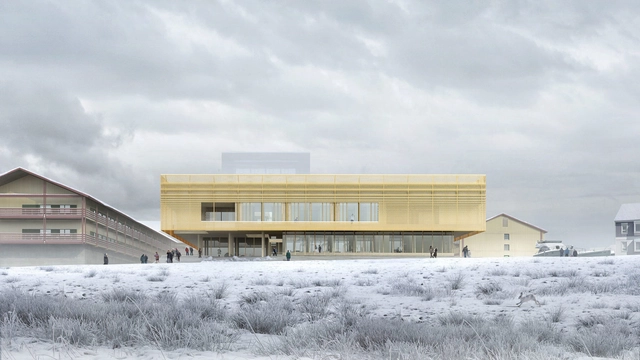
CAA Architects have won first prize in the Maldives Airport Economic Zone competition. Their winning proposal, "Ocean’s Heaven" is a mixed use development made to embrace tropical culture and ocean systems with renewable energy structures in a living belt design. Facing global warming and rising sea levels, the project hopes to create a new model for sustainable development before the Maldives disappear from the world forever.
Dedicated to the families affected by natural disasters and to those living on hillsides waiting for alternatives or changes in their habitat.
The hillsides are like a shroud surrounding us, yet in a skewed manner. Lima's fog serves as an excuse for this neglect. Speaking of inhabiting the hillsides can still be synonymous with "uninhabitable" due to the precarious conditions of so many vulnerable homes, which make up 70% of the city's self-built housing. Yet, by virtue of their geography, hillsides offer habitable qualities that we must recognize and rethink to position ourselves wisely within the territory, and thereby reinhabit them with a fresh perspective. Not all self-built homes are "devoid of knowledge"; some offer their own lessons. Most, however, do not. The truth is, this is a field that remains to be explored.
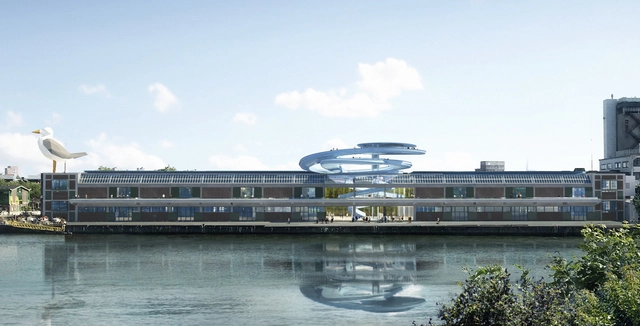
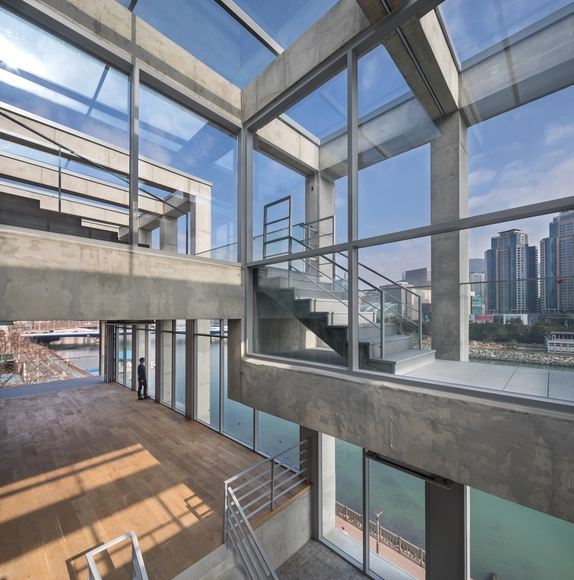
MAD Architects has unveiled images of their proposed panoramic viewpoint for the Fenix Warehouse in Rotterdam, commissioned by the Droom en Daad Foundation. The scheme represents MAD’s first public cultural project in Europe, which sees them tasked with uncovering the forgotten history of what was once one of the biggest warehouses in the world.
The viewpoint is to form part of a restoration project of the historic warehouse itself, to be led by Rotterdam-based Bureau Polderman. The scheme is situated on the site of one of the oldest Chinatowns in Europe, on the southern banks of the port of Rotterdam.
https://www.archdaily.com/906500/mad-architects-design-panoramic-viewpoint-for-historic-warehouse-in-rotterdamNiall Patrick Walsh
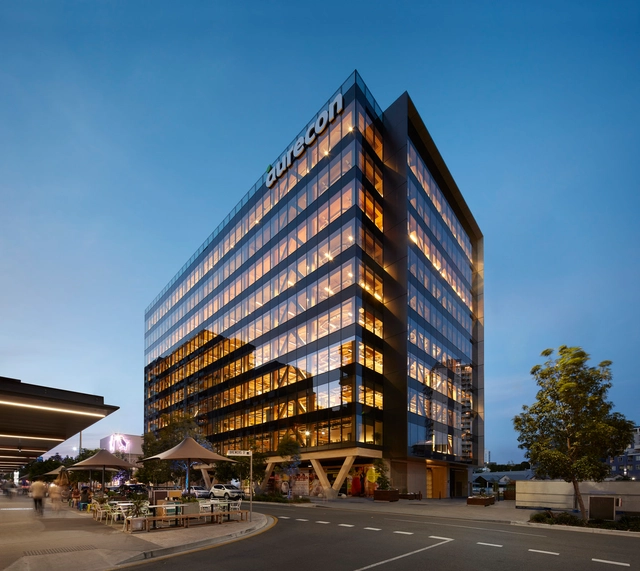
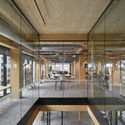
Australia’s largest engineered timber commercial building has opened in Brisbane, designed by Bates Smart. At 10 stories, and 45 meters in height, the “25 King” open plan office complex is the tallest timber structure in Australia, and “establishes new frontiers in the design of commercial buildings.
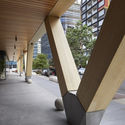
The scheme’s aesthetic is centered on the goal of “bringing a clear expression of its exposed timber structure to the building’s transparent envelope and promoting a warmer, more natural workplace environment of the future.”
The built atmosphere in which we live has a profound impact on our mood and well-being. For those with mental health issues, this fact is particularly important to understand. This raises the question: can architects successfully design a space that has an overall positive influence on the healing process? What integrated elements of the building, in particular, aid in the process while fighting the prejudice and stigma of mental health issues?
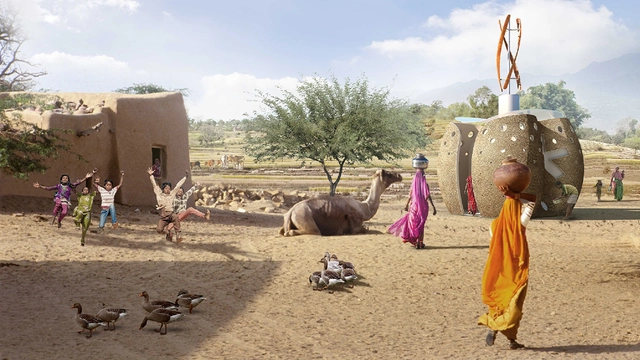
In support of World Toilet Day on November 19, SPARK Architects launched their prototype for a 3D printed toilet module titled, "Big Arse Toilet" alongside a slogan stating that "Sparks gives a sh*t." Though the pun-filled humor is definitely attention-grabbing, the project tackles serious issues of hygiene and sanitation as part of the UN initiative to eliminate open defecation by 2025. With the perpetuating cycle of malnutrition, disease, and poverty, poor sanitation is the leading cause in nearly a third of the deaths in low- and middle-income regions in several countries such as India.
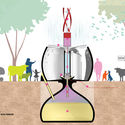
Easily transportable, the toilet module converts human waste into biogas into electricity using a micro combined heat and power (CHP) unit. Essentially producing "free" energy, SPARK's proposal combats the issue of open defecation and uses the abundant natural waste in remote communities in Indian villages where there is low accessibility to electricity.