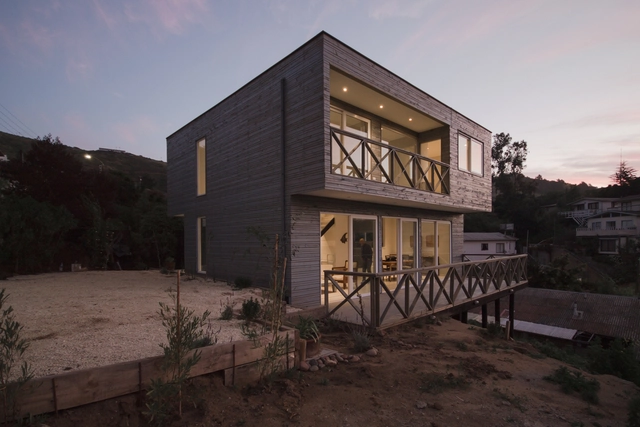

-
Architects: PAARQ Arquitectos
- Area: 150 m²
- Year: 2017
-
Manufacturers: Sherwin-Williams, Arauco, Dellorto, Dynal, Feltrex, +1



In his latest photo series, "Viennametry," Hungarian photographer and printmaker Zsolt Hlinka captures the unexplored voids in Vienna’s patchwork of historical and contemporary architecture. After previously studying the symmetrical corner buildings of grandiose Budapest, Hlinka has moved north to Austria on his quest to find geometry and symmetry within the urban landscape.

.jpg?1524175118)
It's not uncommon to happen upon works of architecture that resemble everyday objects. Sou Fujimoto even created an entire exhibition of "architecture" made of ashtrays, potato chips and matchboxes. Cheese graters, beehives and bottle openers appear to have been enlarged and given an architectural program (given the resemblance to their smaller counterparts).
Architect Filipe Vasconcelos goes beyond obvious alikeness and explores, through digital collage, the similarity between architectures and objects. He creates scenes in which the works are reimagined in displaced situations, with nothing to do with original context or use.

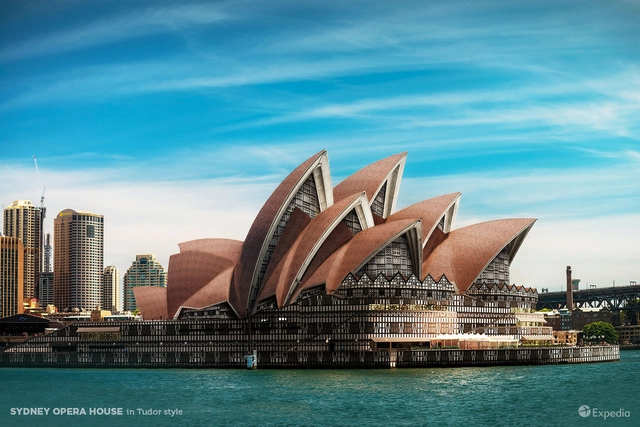
Architectural styles derive their uniqueness by demonstrating the construction techniques, political movements, and social changes that make up the zeitgeist of a place in a particular moment of time. Whether it was the rebirth of art and culture with Renaissance architecture, or the steel skyscrapers that emerged in the post-war movement, each stylistic change tells us something different about the transitions of architectural history. But what if architecture rejected a critical regionalist approach, and buildings took on the characteristics of another place? These seven images made for Expedia by NeoMam and Thisisrender provide a glimpse into what some of our favorite architectural icons would look like if they were built in a different style.
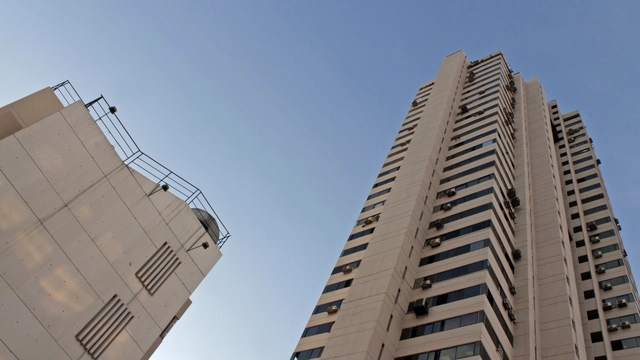
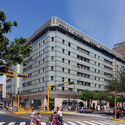
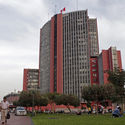
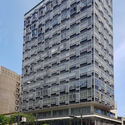
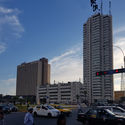
As tends to occur in various Latin American capitals, the historical center of Lima —also known as Cercado de Lima— faces simultaneous processes of deterioration, conservation and transformation. Wandering through its streets, its neo-colonial and republican architecture mixes with some major architectural projects which came about during Peru's modernist movement: "golden age" of public architecture during the mid 20th century.
In 1947, the invasion of Agrupación Espacio, the remodeling Lima's Plaza de Armas and the widening of streets such as Tacna Avenue and Wilson Avenue kickstarted Peru's entrance into the modern movement. In Lima's historic center the works of Enrique Seoane Ros and Walter Weberhofer introduced a new formal and structural language to the streets, with projects that reveal the city's structural elements, functional designs, windows, terraces and commercial buildings, exemplified by an optimistic vision of the future. Despite initial reluctance, all of these projects were backed by a state that enthusiastically focused on planning for over two decades in the design of its cities and the construction of large neighborhood units, such as PREVI and the San Felipe Residential.
Architects Alejandra Acevedo and Michelle Llona explain that despite its undisputed legacy, the modernist movement in Peru is not legally protected. As authors of the important text CAMMP, the two aforementioned architects authored a book that informed the approach of this article. In this new addition to our Spanish-language guides of modern Latin American architecture, we present 16 historical projects from the historic center of Lima, complete with a map and suggestion for a 3-hour walking tour.
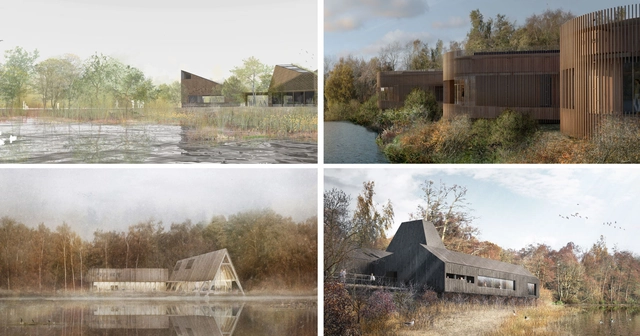
The shortlisted schemes for the RIBA Competition to design the new Innovative Nature and Wellbeing Center, located in Sevenoaks Wildlife Reserve, are now on display to the public. The competition launched last October by Kent Wildlife Trust, in partnership with The Royal Institute of British Architects (RIBA), as an open design competition "seeking worldwide architects and teams to put forward designs that promote learning, wellbeing, curiosity and nature" for a new visitor center at Sevenoaks.

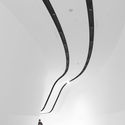
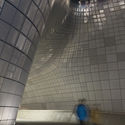
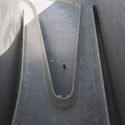
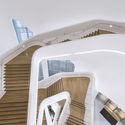
In the bustling streets of Seoul, the Dongdaemun Design Plaza by Zaha Hadid Architects has become a landmark for its atypical architecture. A complex yet effortless building, the Design Plaza encapsulates the energy of the cultural hub in Dongdaemun, an area that has itself earned the nickname of the "town that never sleeps" thanks to its late-night fashion market.
Investigating the building's twists and turns, Andres Gallardo has photographed the structure's fluid compositions. Although his photographs display little human presence, the building itself expresses the activity that occurs throughout day and night. Beneath the walkable park on the roof, Dongdaemun Design Plaza includes large global exhibition spaces, a design museum, 24-hour retail stores and a media center, among many other facilities that intertwine across the levels.


It is rare to find artists who can instigate critical reflection on architecture by combining references such as 'The Red Wall' (La Muralla Roja) by Ricardo Boffil, with the complex illustrations of Giovanni Battista Piranesi and pop culture icons. But Tishk Barzanji, a London artist, is one who does.
Through his digital illustrations, he explores elements of modern architecture from a filtered view by using references that create a dreamlike and surreal universe, producing compositions that express an austere and somewhat disturbing atmosphere.

























.jpg?1524066330 "© H.Lin Ho")
.jpg?1524066152 "© H.Lin Ho")
.jpg?1524065900 "© H.Lin Ho")