-
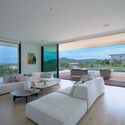
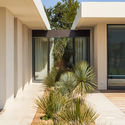
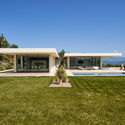
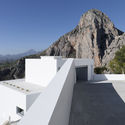
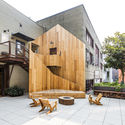
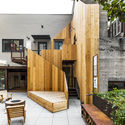
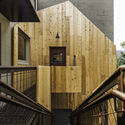
Architects: RGB arquitectos
- Year: 2017
-
Manufacturers: Neolith, Legrand / Bticino, Linea Light Group, Porcelanosa Grupo, Schüco




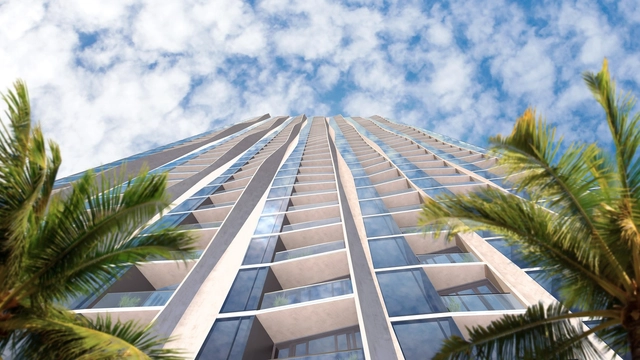
Studio Gang has revealed a new design for a 41-story tower in Hawaii that's inspired by the island’s native red sugar cane. Designed with a mix of ground floor retail and 565 residences above, the tower is called Kō‘ula. Embracing indoor-outdoor living and Hawaii's climate, the project is oriented to ocean views with vertical columns that bend and twist like sugar cane. The tower is part of a larger development underway in the Ward Village district on Oahu’s south shore.

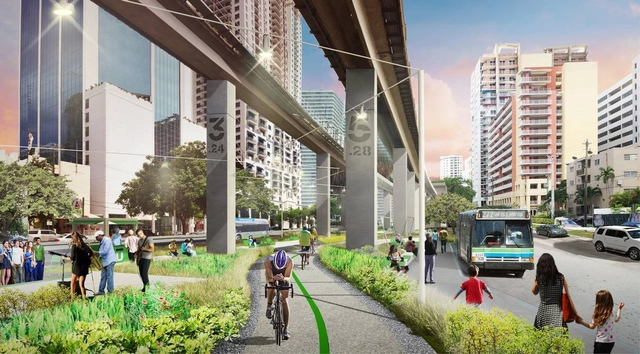
Work is set to begin on the Miami “Underline” project, a 10-mile-long park and trail under Miami’s elevated Metrorail tracks. Designed by James Corner Field Operations, the team behind the acclaimed Manhattan High Line, along with a team of volunteers and entrepreneurs led by Meg Daly and “Friends of the Underline,” the scheme has recently broken ground, set for completion by the summer of 2020.
As reported by the Miami Herald, the scheme will extend from downtown Miami to Dadeland, with an initial segment in the Brickell district measuring half a mile.

This article was originally published on Metropolis Magazine as "Opinion: We Can't Go on Teaching the Same History of Architecture as Before."
Architectural students of my generation—the last of the baby boomers, starting college in Europe or in the Americas in the late 1970s—had many good reasons to cherish architectural history. Everyone seemed to agree at the time that the Modernist project was conspicuously failing. Late Modernist monsters were then wreaking havoc on cities and lands around the world, and the most immediate, knee-jerk reaction against what many then saw as an ongoing catastrophe was to try and bring back all that 20th-century high Modernism had kicked out of design culture: history, for a start. I drew my first Doric capital, circa 1979, in a design studio, not in a history class (and my tutor immediately ordered me to scrape it, which I did).

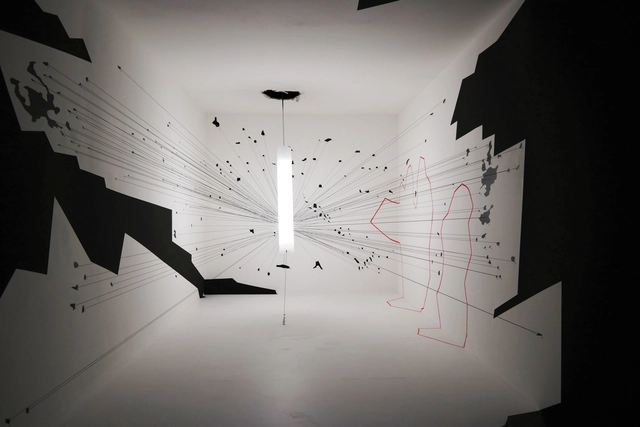
Forensic Architecture has been crowned overall winner of the Beazley Designs of the Year 2018, with their exhibition “Counter Investigations.” The firm has undertaken sterling work in recent years, uncovering miscarriages of justice and international war crimes through architectural analysis of imagery, from official news, satellite footage, and crowdsourced information.
The spatial investigation group, based in Goldsmith University London, is currently nominated for the 2018 Turner Prize. The interdisciplinary group of architects, filmmakers, journalists, lawyers, and scientists have devoted their energy to investigating state and corporate violations worldwide.
.jpg?1542250725)
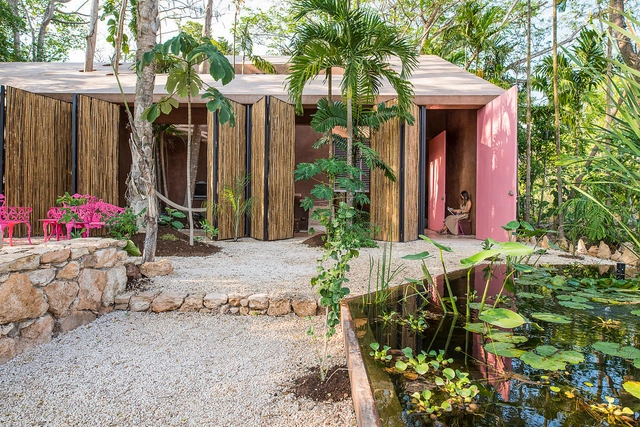
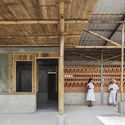
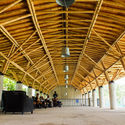
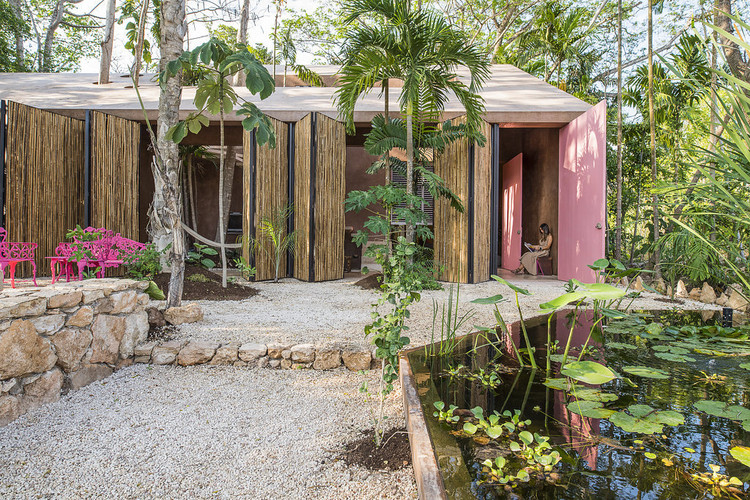
Mexico is a country known globally for its traditional and contemporary architectural elements. The construction techniques characteristic of each region and the use of materials according to thermic, economic, or aesthetic needs result in unique spaces.
Bamboo as a constructive or decorative element, coating, facade, or roof has proven its superiority over materials such as plastic and steel.
While it is true that research on this material has advanced significantly in recent years, we know that there is still much to learn. Many architects are seeking knowledge from the past to apply to their current techniques. Below, we've selected a list of 8 Mexican projects that explore the use of bamboo in the hands of architects and artisans.

Inducing a surreal physical experience through minimal maneuvers, buildings with smooth concrete panels and simple geometric volumes instinctively hint at the work of Japanese architect Tadao Ando. At an ongoing exhibition at the Centre Pompidou, photographs of the headquarters of Fabrica, Ando's first European commission in 1992, are showcased. Located near the city of Treviso, the building was an old villa restored to become a thriving creative research center.
Villa Pastega Manera, built on an area of 51,000 square meters, went through a rigorous study of traditional construction techniques and material sampling to commence the redesign. The photographs feature the harmonious integration between the historical structure and seamless renovations.





































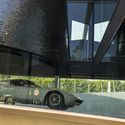
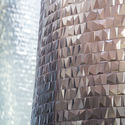


.jpg?1542250858 "© Bart van Hoek and CreativeBros")
.jpg?1542250286 "© Bart van Hoek and CreativeBros")
.jpg?1542250771 "© Bart van Hoek and CreativeBros")
.jpg?1542250499 "© Bart van Hoek and CreativeBros")
.jpg?1542250725)