

-
Architects: JUMP Arquitectos
- Area: 356 m²
- Year: 2017
-
Manufacturers: AGS Stainless, Perceptual


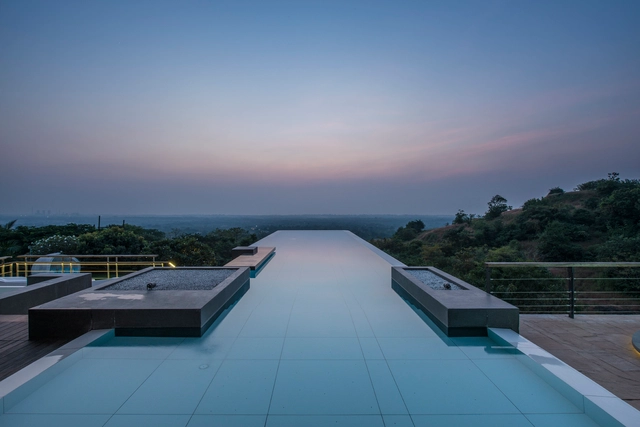
There are few things that fascinate us more than the sea. Its contemplation arouses a sense of peace, while its colors, textures, movements and amplitude provide a scientifically proven effect of relaxation in our nervous system. Above all, it makes us realize how small we are in the universe. It is not by chance that a house facing the sea is a dream of consumption for many, let alone with a pool right in front of it. Infinity pools play with this feeling of infinite sea and sky. Through a well-elaborated set of levels and plans, they create an optical illusion that leaves everyone speechless, making pool water appear as if merged with the horizon, overflowing at one or more edges. But before you plan your photo on Instagram with a glass of sparkling wine in your hand, let's take a look at how these pools are built.

Back in 2008, ArchDaily embarked on a challenging mission: to provide inspiration, knowledge, and tools to the architects tasked with designing cities. In an effort to further align our strategy with these challenges, we recently introduced monthly themes in order to dig deeper into topics we find relevant in today’s architectural discourse. From architects who don't design to reframing climate change as a global issue, we are celebrating our 11th birthday by asking 11 editors and curators to choose ArchDaily's most inspiring articles.
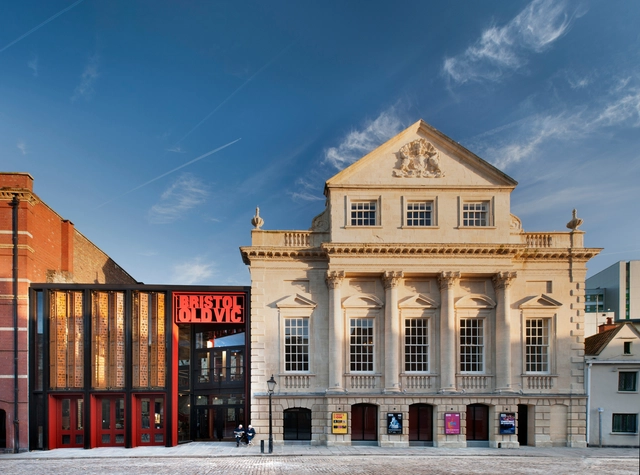
The Royal Institute of British Architects have announced fourteen buildings shortlisted from 48 entries for this year's RIBA South West Awards. The work includes six projects are by new and established practices based in the South West, as well as a series of new and reconfigured houses. All shortlisted buildings will be assessed by a regional jury with the winning buildings announced at an awards ceremony this May.
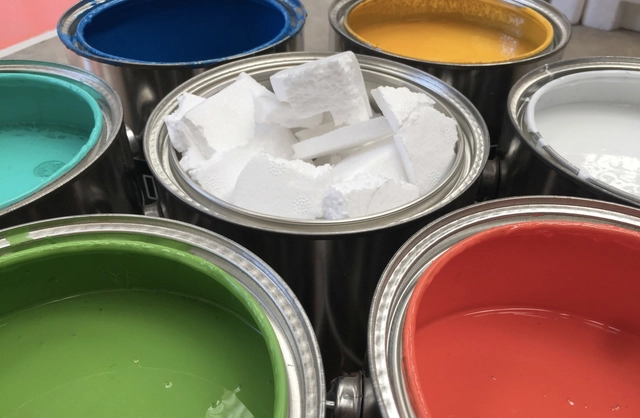
Expanded polystyrene (EPS) is a plastic material widely used for thermal insulation (and in some cases, acoustics) in building envelopes.
So is it possible to recycle it and apply it again in other construction processes? Yes, EPS can be crushed and compacted to be used in the manufacture of new plastic products. But it can also be recycled and live again in the construction of architectural and urban projects in the form of paints and coatings.
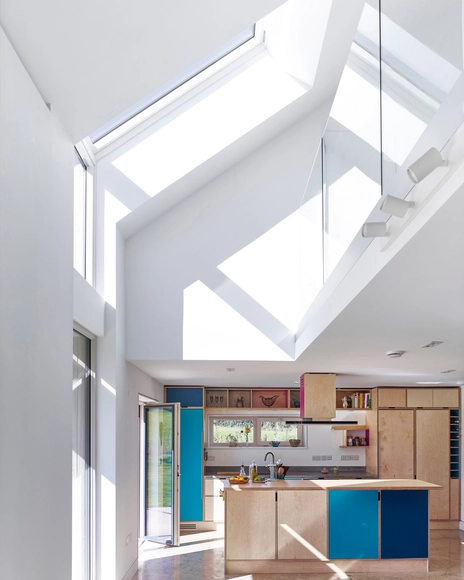
As part of the RIBA annual Regional Awards programme, 23 architectural works and one masterplan have been shortlisted for the RIBA East awards. These projects cover a range of types, from homes to schools to follies, and represent some of the finest work produced in Britain in the last year.














































.jpg?1552391062 "atrium. Image © Qiu")