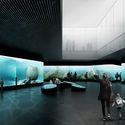
Four years later, Chile's Ministry of Social Development has given the green light to the 33,000-square-meter (355,200-square-foot) project after reviewing the technical requirements, as local media reported on August 3.
Building is one of very few endeavours that are physically connected to the surface of the earth, fixed and enduring. Nevertheless, for centuries, especially in the West, we have considered ourselves separate and above nature, drifting away, defining our own systems and order, and using the ground as a nothing more than a passive foundation. Other times we sought connection, drawing on nature for ritual and religion, fortified protection, and ecological balance.
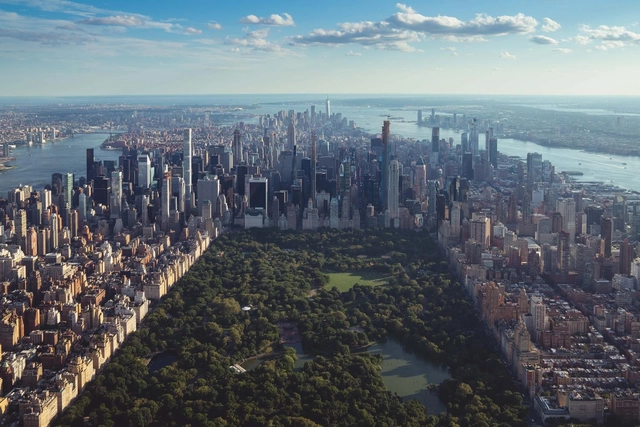
Around the world, the COVID-19 pandemic exposed the fact that some of the poorest people were hit the hardest by not only the impacts the virus had on public health but also the social and economic shockwaves that came as a result. And now, as we emerge on the other side yet also enter the second wave of restrictions around the globe, urban planners and government officials are beginning to realize that the pandemic has pulled back the curtains on another inequitable feature of cities- the proximity to public parks and spaces.
With new advancements in software opportunities, Open BIM is tiding over the disconnects between different project sectors, making the workflow more efficient at both large and small scales. Open BIM extends the benefits of BIM (Building Information Modeling) by improving the accessibility, usability, management, and sustainability of digital data in the built asset industry. Open BIM processes can be defined as sharable project information that supports seamless collaboration for all project participants, removing the traditional problem of BIM data that is typically constrained by proprietary vendor data formats, by discipline, or by the phase of a project.
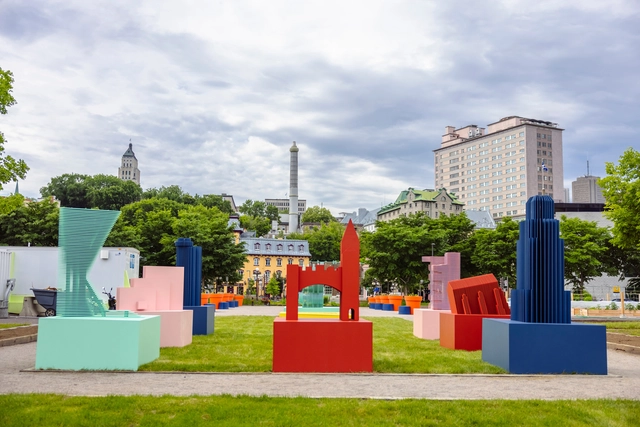
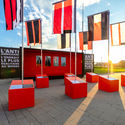
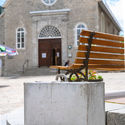
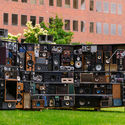
EXMURO arts publics and the Ville de Québec have inaugurated the the 8th annual PASSAGES INSOLITES art event, the annual Quebec City art walk that showcases over 20 unusual urban interventions by local and international artists. The event will run from June 26 to October 11, 2021, and will focus on reimagining the urban fabric and transforming how we see the city and its historic landmarks.
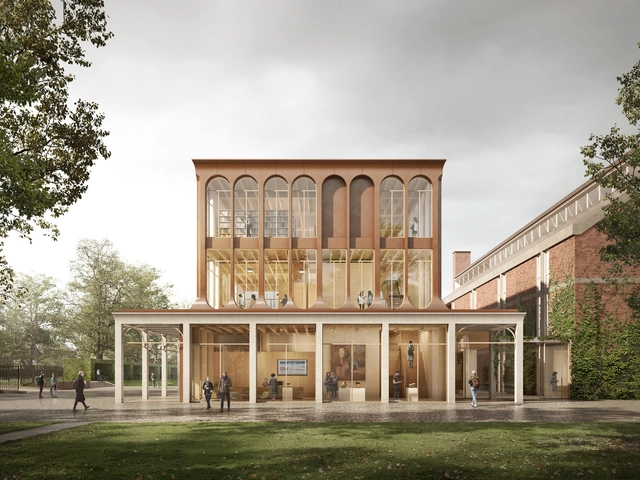
UK-based practise Alison Brooks Architects has recently won the competition to design the new Entrance Building and Children’s Literature Resource Centre for Homerton, the biggest college in Cambridge. Described by the architects as a “lantern”, the proposal is a three-storey mass-timber framed pavilion which will welcome visitors to the grounds while also providing additional study and exhibition space. Through its morphology and copper-clad facades of the upper floors, the new building establishes a dialogue with its context and provides a flexible space that can accommodate the College’s future spatial needs.
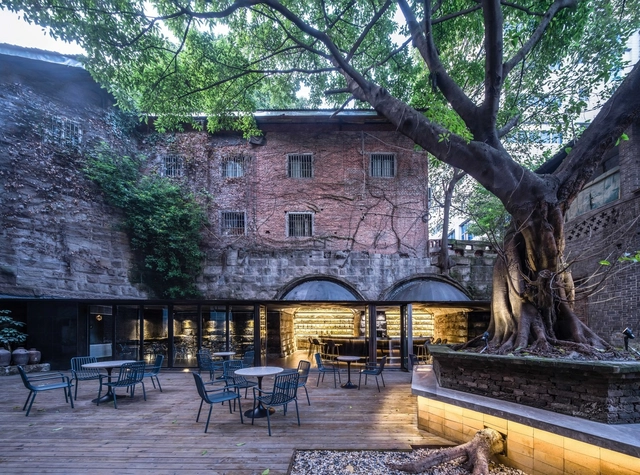
Both tea and alcohol in traditional China were similarly aestheticized, and both influenced the language of literature and art. People used to exchange alcohol as a gift in a way that they later would with tea. Today, more and more cities in China have embraced this drinking culture that passed down from generation to generation, and reinterpreted with a new contemporary fashion, which is constantly evolving in the urban cafes and bars.
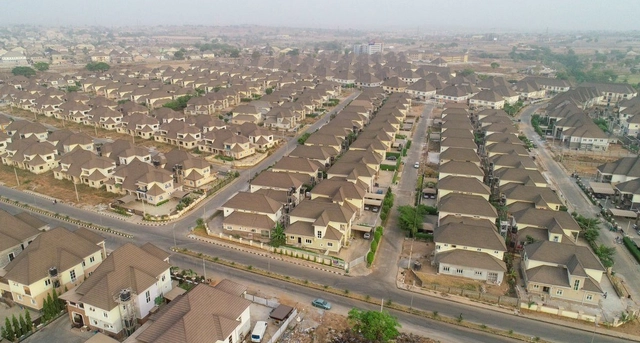
In spite of the lull in the global construction industry over the last couple of years, megacity projects in Africa have continued unabated, as new developments are springing up in major cities all over the continent. Though we’re inspired by the growth of modern African cities and the opportunities offered to city residents, we shouldn’t ignore their shortcomings, the glaring disconnect between the utopian visions of local city officials and the economic and cultural realities of the local populations who live here. Many questions whether these new cities could be built in other ways, or if Africans will ever have an alternative to the current model of placemaking, hodgepodge urbanism foisted on it, largely by colonialists.







_ok.jpg?1628016859)
_ok.jpg?1628016703 "© Santiago Bianchi")
_ok.jpg?1628016798 "© Santiago Bianchi")
_ok.jpg?1628016764 "© Santiago Bianchi")
_ok.jpg?1628016733 "© Santiago Bianchi")
_ok.jpg?1628016859)










.jpg?1628034025&format=webp&width=640&height=580)
.jpg?1628034011 "Architecture. Image © Anqi Liu")
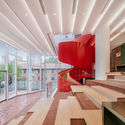
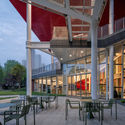
.jpg?1628034025)
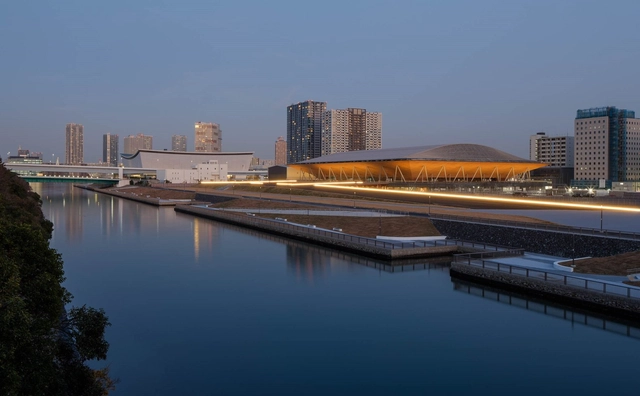

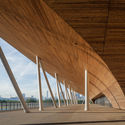

.jpg?1628081944)
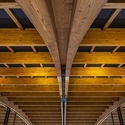
.jpg?1628075713 "roof details. Image © Qing Zhang")
.jpg?1628075663 "view the field from the building. Image © Qing Zhang")
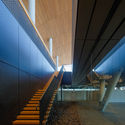
.jpg?1628075645 "entrance square and space under the roof. Image © Qing Zhang")
.jpg?1628074457 "side corridor and exhibition pavilion. Image © Yuxi Lin")
.jpg?1628081944)