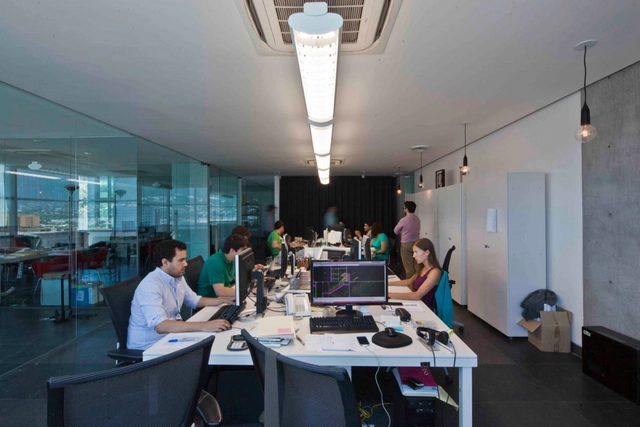
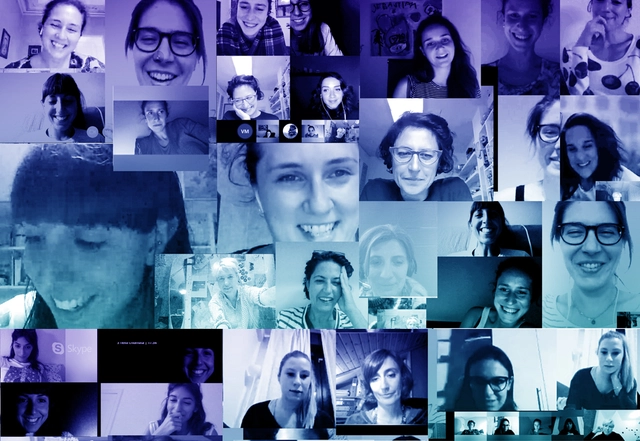
Mexico's National Social Distancing Campaign began on March 23, 2020. However, a couple of weeks prior—even in the face of the federal government's recommendation to continue normal activities—social media users were already opting to mirror the European model and self-isolate. Architecture firms immediately began closing their physical spaces to transition to remote work, though for others, the shift took several weeks. Yet, this period of social and physical (spatial) distancing is experienced differently in every household. Over the months of this pandemic, we have witnessed not only the inequities in access to basic needs in dense urban areas, but also the fragility of the social order itself. Whether at a macro or micro scale, all of these experiences occur within and are shaped by the built environment, positioning architecture as both an active participant and a critical arbiter in this equation.
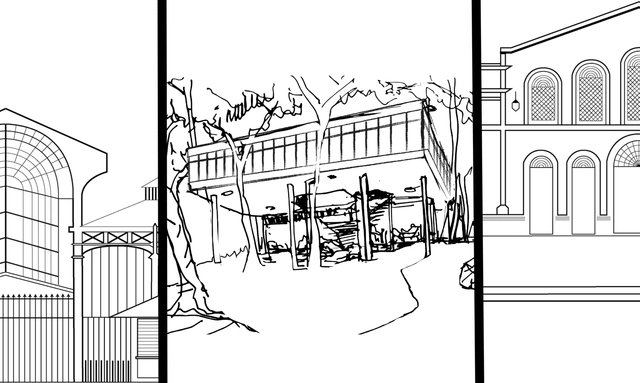
Pé na Estrada is an outreach project of the School of Architecture and Urbanism at the University of Brasília, active since 2011 as an extracurricular activity. Its primary goal is to organize and promote study trips across Brazilian cities. However, due to the COVID-19 pandemic, the project had to adapt to social distancing, launching new heritage education initiatives and encouraging alternative ways of experiencing spaces studied in the classroom to expand the knowledge and creative vocabulary of both students and the community.
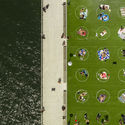
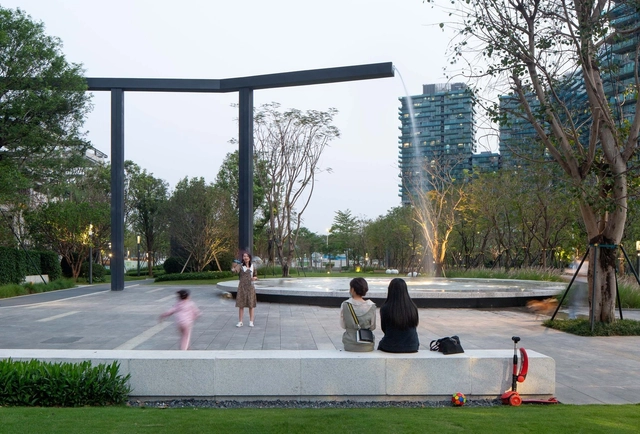
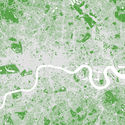
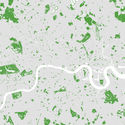
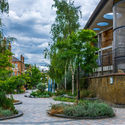
There are a plethora of benefits associated with urban green spaces, namely pollution control, temperature regulation, and biodiversity--all of which ultimately add to the quality of life of city dwellers. Like other urban common areas used for sports and recreational activities, green spaces have a direct impact on the health and well being of the residents who use them.
Power Station of Art (PSA) has announced the curatorial team and theme for the 13th Shanghai Biennale, proposed by its Chief Curator, the architect and writer Andrés Jaque (Office for Political Innovation).
https://www.archdaily.com/941137/psa-announces-theme-for-the-13th-shanghai-biennale韩爽 - HAN Shuang
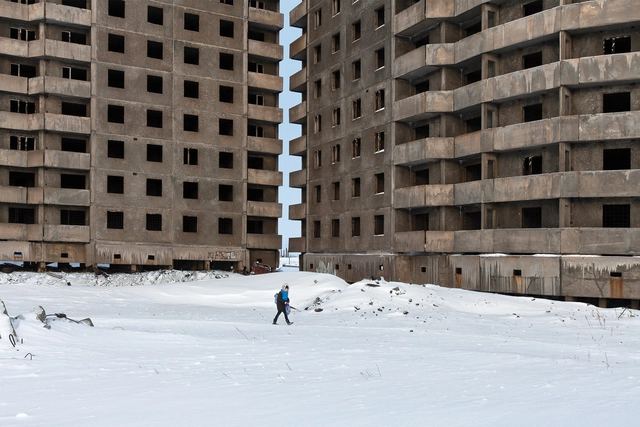
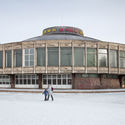
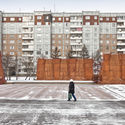
Over the past few years, a series of exhibitions and monographs have prompted a rediscovery of socialist modernism, its powerful expression and exoticism stirring significant interest. The recently published photo book Concrete Siberia. Soviet Landscapes of the Far North by Zupagrafika casts a new light on this relatively unexplored chapter of architecture history by showcasing the Soviet architecture of Siberia's major cities while providing an insight into a little-known landscape. The book presents the architecture and urban environment of six Siberian cities: Novosibirsk, Omsk, Krasnoyarsk, Norilsk, Irkutsk and Yakutsk, through the lens of Russian photographer Alexander Veryovkin, bringing about a new-found perspective on post-war architecture.
Rebelarchitette has created a new tool that aims to detox architecture from inequalities, an interactive public world map showcasing 732 outstanding women architects from all over the world.
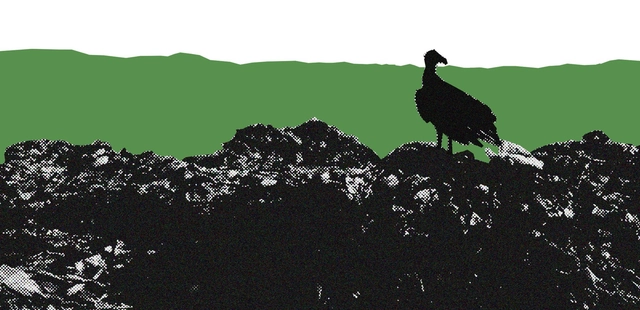
On World Environment Day, we ask you: Do you know where your household "trash" goes? How do cities deal with the tons of materials discarded daily? Should everything you throw "away" be wasted by being sent to landfills?
The coronavirus crisis has shown us that certain attitudes, policies, and practices must be abandoned if we want a different future—both socially and environmentally. However, this responsibility is not solely individual. To discuss the future of waste in cities, we must shed light on the thread of recent history: the formulation of the National Solid Waste Policy (PNRS), approved in 2010, and the challenges of its implementation.
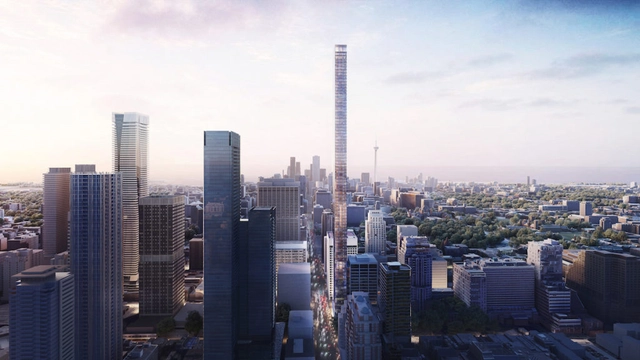
Herzog & de Meuron have created a new design for a supertall skyscraper in Toronto. If built as planned, the project would rise to 1,063 feet and become the tallest residential building in Canada. Working together with project architect Quadrangle, the team was commissioned by Dutch real estate development companies Kroonenberg Geoep and ProWinko to design the new landmark for Toronto.
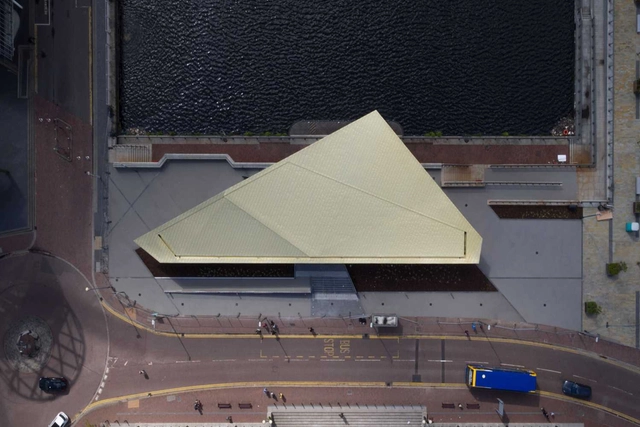
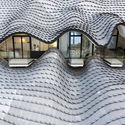
The Alchemist / Reid Architects. Manufactured by elZinc. Image Cortesía de elZinc
A lightweight material par excellence, zinc is a non-ferrous metal that provides an effective solution for coating buildings exposed to adverse weather conditions, while simultaneously delivering a creative response to the requirements of a project.
When in contact with humidity during the summer, zinc panels generate a self-protecting layer that isolates heat from indoor spaces. Rain and snow slide easily over its surfaces, and its modular panels can wrap curved shapes or be perforated according to the architectural design, and combined in facades and/or ceilings through different shades, brightness, and colors.
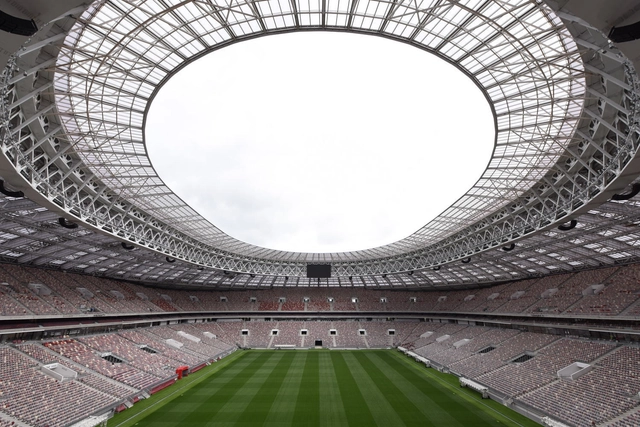
Throughout history, people from all walks of life with little in common have found ways to unite in neighborhood parks and filled stadiums to put those differences aside for the sake of the sports they love. Sports, and sports fandom, is a source of global unity, and perhaps fewer events in the world can generate such a wide range of emotions quite like a live match.
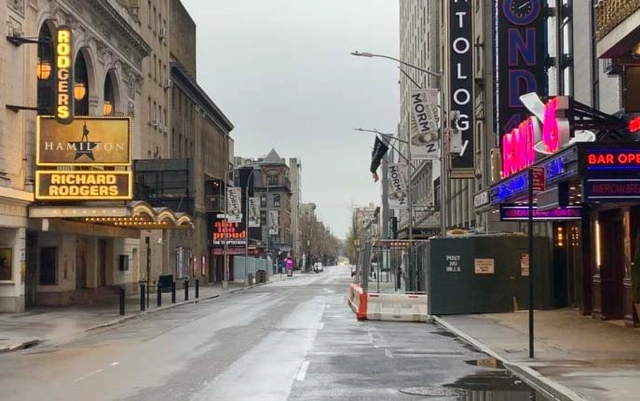
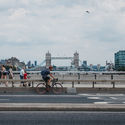
New York City: locked down, empty. It was heartbreaking, of course, but it was also beautiful. For artist Edgar Jerins, that revelation was something of a surprise. Who knew this bustling, chaotic, dirty, vibrant, profane, amazing city could look so … gorgeous when stripped of people and activity? For years, Jerins rode the subway to his studio near Times Square. When news of the spreading pandemic first surfaced—more as a vague, undefined threat, initially—he fled out of fear to the bus, and then, after the severity of the event became apparent and the lockdown began, he borrowed his daughter’s bicycle.
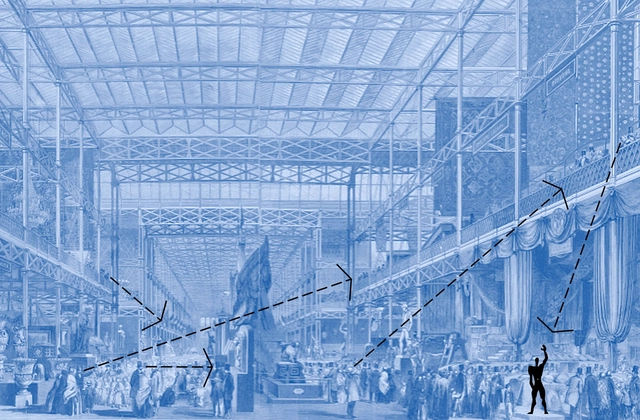
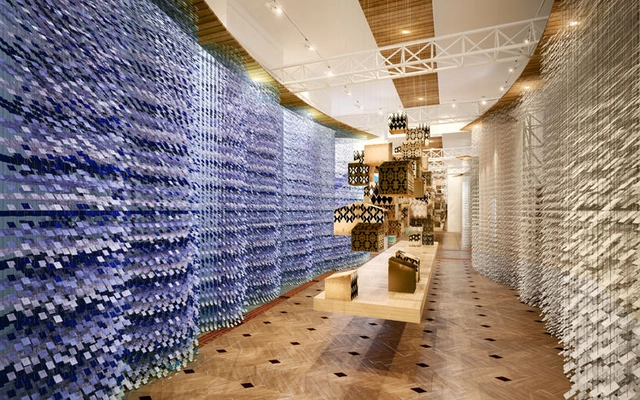
In the following article, José Javier Alayón González, PhD, Architect, and full-time assistant professor in the Department of Architecture at the Pontificia Universidad Javeriana, shares his perspective on exhibition venues and how they adapt to changing circumstances.
https://www.archdaily.com/1123614/exhibition-spaces-how-flexibility-helps-tackle-virusesJosé Javier Alayón González
"How will we live together?" The question, the theme of the 17th Venice Biennale, has been providentially timely. Indeed, it has acquired a sense of urgency with the outbreak of COVID-19 and the crisis it has unleashed, prompting us to examine the sustainability of our current civilizational model and the need to renew both thought and action regarding the environment. In response to an article published on ArchDaily titled How Will We Live Together with All Other Species?, this article aims to contribute further perspective to the debate.
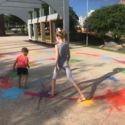
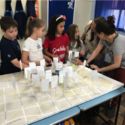
Today, building humanized cities is predicated on full public participation, as outlined by national public policies institutionalized in Brazil's City Statute. However, it is clear that these mechanisms are largely geared toward adults, leaving children and youth on the margins of the participation and decision-making process.
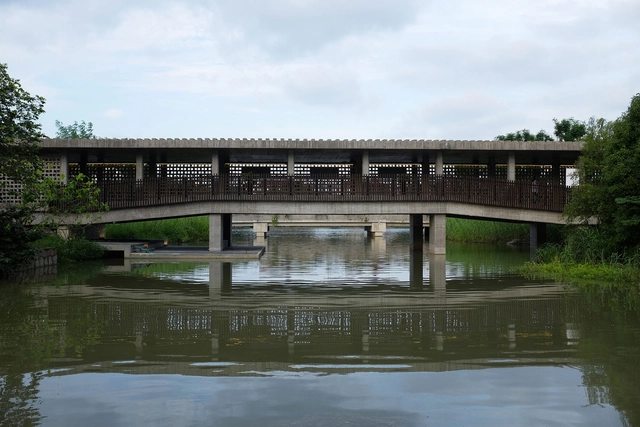
Jiakun Liu was born in 1956 in Chengdu, China. Architecture was not his first choice to pursue at school, as he originally wanted to be an artist. He heard that architecture had something to do with drawing, so he applied to Chongqing Institute of Architecture and Engineering, not fully understanding what his role as an architect would be. After his graduation in 1982, Liu worked at the Chengdu Architectural Design Academy for two years, the experience he did not enjoy. So, he set out on a self-searching journey that lasted for over a decade, spending time in Tibet and Xinjiang in West China where he practiced meditation, painting, and writing, producing several works of fiction, while officially working at the Literature Academy as a writer.
Architecture shapes how we live and come together. Amidst a pandemic and protests around the world, architects and designers are speaking out to condemn injustice and build space for empathy and understanding. In listening, they are looking to how we live together, and in turn, how we can create a more equitable and just world.
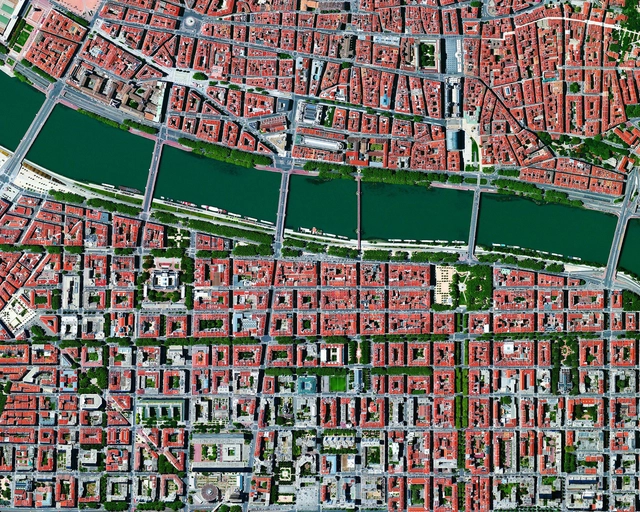
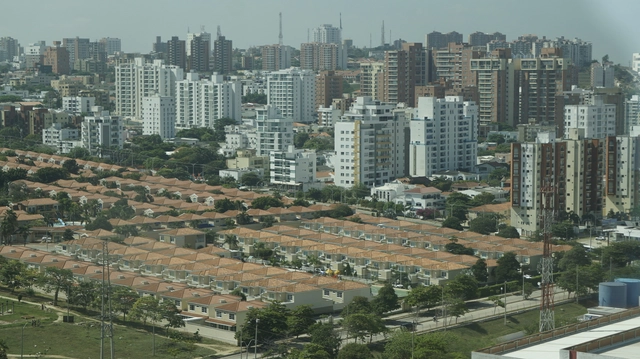
The crisis brought about by the pandemic and the resulting new global order compel us to review and adjust all Land-Use Plans—or their local equivalents—across Latin American cities.
https://www.archdaily.com/1123412/covid-19-spatial-planning-and-urban-planning-in-latin-americaMarco Antonio Ramírez O.
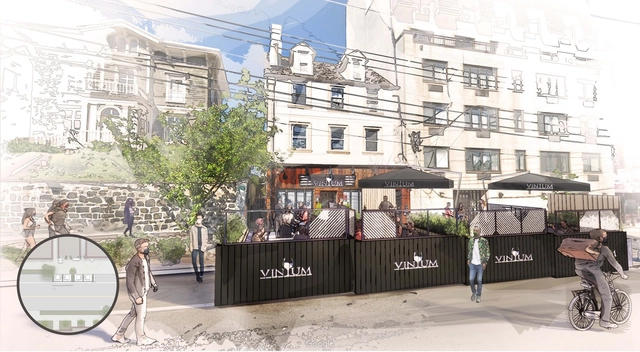
David Rockwell and his team at Rockwell Group proposed an open streets initiative, a template for outdoor dining, in order to help bars and restaurants reopen post-pandemic. The design strategies illustrate practical solutions to make everyone feel safe.
National Congress under construction, seen from the STF (Supreme Federal Court), 1958. Image from the National Agency Collection, National Archives, Public Domain
The National Archives Wiki-Contest is an editing competition on the Portuguese Wikipedia that aims to improve articles related to Brasília. It is part of a series of activities throughout 2020 conducted in collaboration by the Wiki Movimento Brasil User Group and the National Archives. The Wiki-Contest aims to encourage the Wikipedia editing community to improve entries related to the National Archives' Inter-wiki WikiProject initiative, which has been active since 2017.
In a conversation for the third edition of Revista CLEA—an annual publication of the Latin American Coordinator of Architecture Students (CLEA)—Ecuadorian architect María Augusta Hermida explores the capacity to decolonize spaces and cities today.
The London Design Biennale and Chatham House announced a new call for designers to address issues of crisis around the world. Called Design Resonance in an Age of Crisis, the initiative aims for radical design solutions to critical problems across four key areas: Health, Environment, Society, and Work. The announcement follows the news that the Biennale has been postponed until 2021.
While first developed as a practical power source during the 1950s, solar systems were too expensive for mainstream use until the 1970s. Starting from their early use to power Cold War era military satellites, silicon photovoltaic solar cells achieved their first commercial success in places where electricity was not available, such as lighthouses and off-shore oil rigs.
The total amount of water on our planet has, theoretically, stayed the same since earth's formation. It's possible that the glass of water you drank earlier contains particles that once ran down the Ganges River, passed through the digestive system of a dinosaur, or even cooled a nuclear reactor. Of course, before it quenched your thirst, this water evaporated and fell as rain millions of times. Water can be polluted or misused, but never created or destroyed. According to a UNESCO study, it is estimated that the Earth contains about 1386 million cubic kilometers of water. However, 97.5% of this amount is saline water and only 2.5% is fresh water. Of this fresh water, most (68.7%) takes the form of permanent ice and snow in Antarctica, the Arctic, and in mountainous regions. Another 29.9% exists as groundwater. Ultimately, only 0.26% of the total amount of fresh water on Earth is available in lakes, reservoirs, and watersheds, where it is easily accessible for the world's economic and vital needs. With the population steadily increasing, especially in urban areas, several countries have already had severe problems with providing the necessary amount of drinking water to their populations.
The Covid-19 pandemic has transformed the way we live our lives. Significant and long-lasting repercussions will be felt across society and industry, many of which are sure to influence the way we approach the design of our buildings and cities. Over the past few weeks, the Urban Design team at Foster + Partners has been exploring how recent and fast moving developments in urban planning – instigated and encouraged by the current crisis – will affect and shape the future of London and others worldwide.