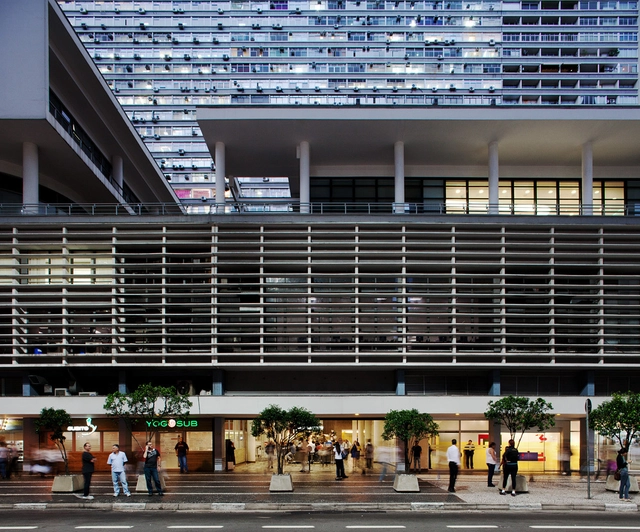
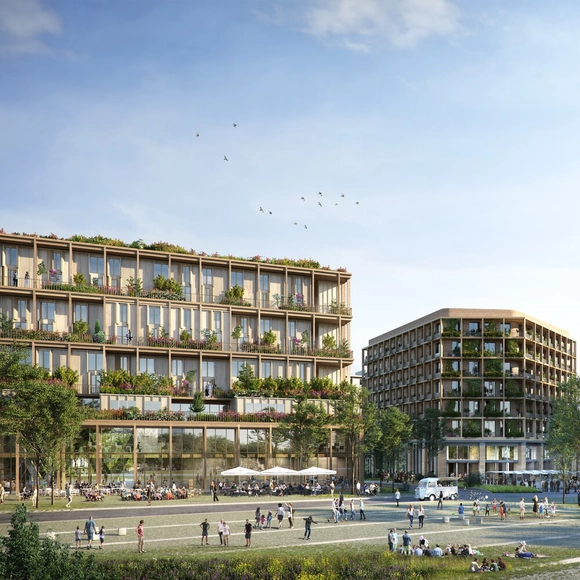
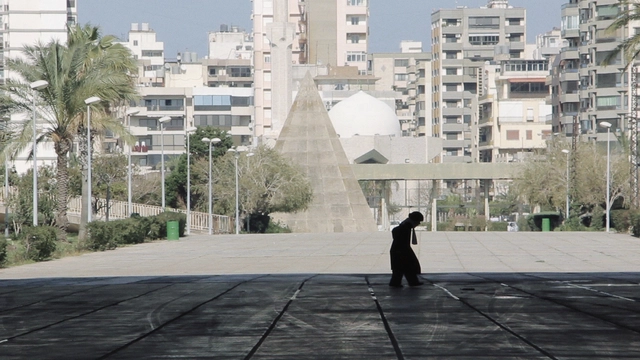
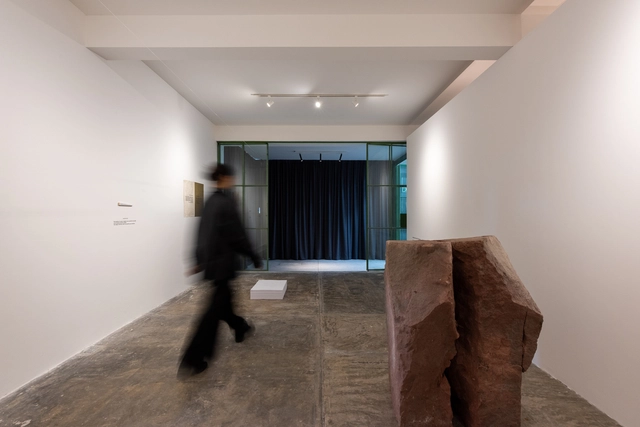
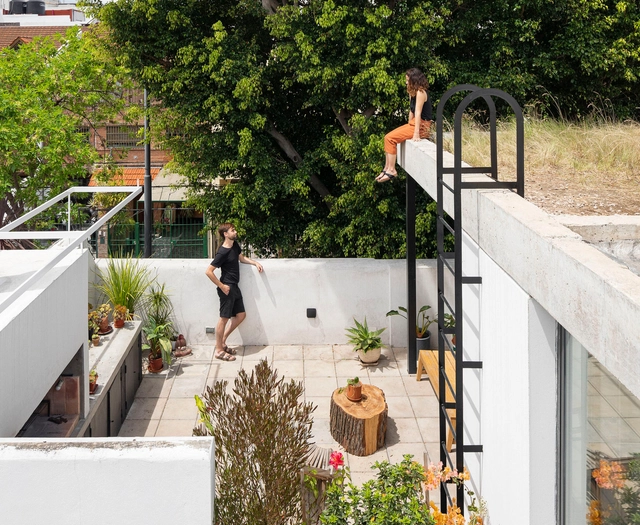
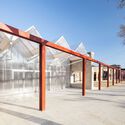
What is it like to walk past the buildings and houses on the street where you live? Or the street where you work, study, shop, or take your children to school? What relationship do these buildings and houses have with the sidewalk? How do they treat pedestrians? Do they make you want to walk past them? Do they welcome or repel?
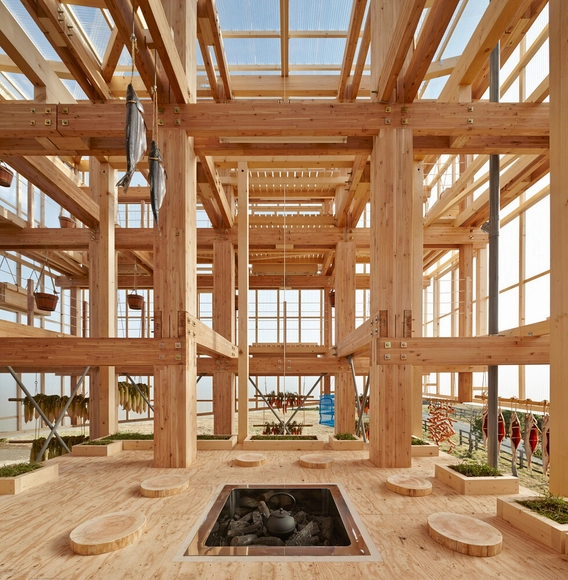
The footprint of urban construction is expanding rapidly. Globally, building floor area could double by 2060. Constructing and maintaining urban infrastructure requires significant amounts of energy and material resources. Consequently, how cities build—and with what materials—directly impacts whether sustainability goals are achievable or even realistic. Cities must ensure they are using low-impact, renewable materials. This challenge presents a clear opportunity for wood.
https://www.archdaily.com/1131835/how-cities-can-source-sustainable-woodWhitney Light, Scott Francisco e Sadof Alexander
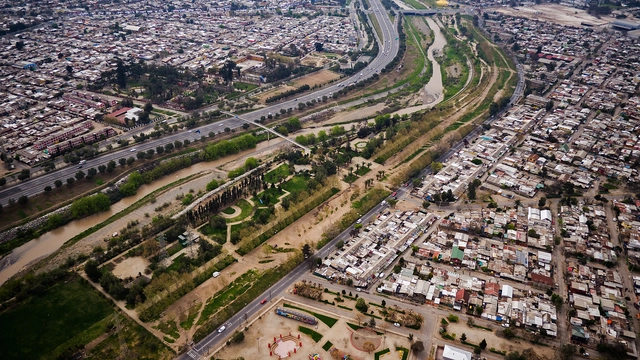
On Thursday, September 14, the first stage of the Mapocho Río Park was inaugurated in Santiago. Designed by the Ministry of Housing and Urbanism, the project is one of the most significant urban works in the Metropolitan Region, spanning a total of 52 hectares and 9 kilometers in length.
OHM Edición 2021. Image Cortesía de Open House Madrid
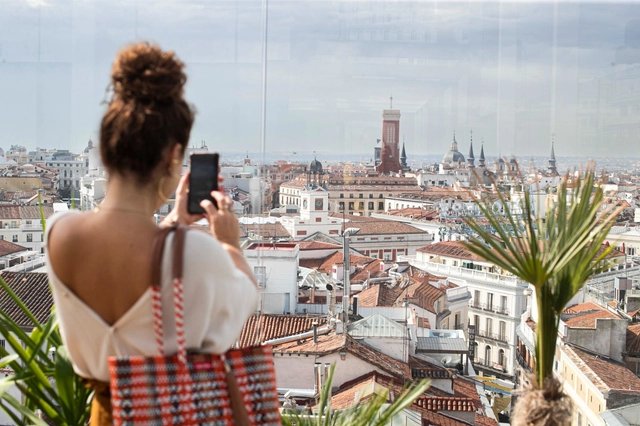
The eighth edition of the Open House Madrid festival returns with a program that includes 93 buildings, 33 studios, 8 routes, 7 activities, and 10 itineraries. Titled "More Open Than Ever," it aims to reflect the welcoming character of the city and, at the same time, its openness to the world.
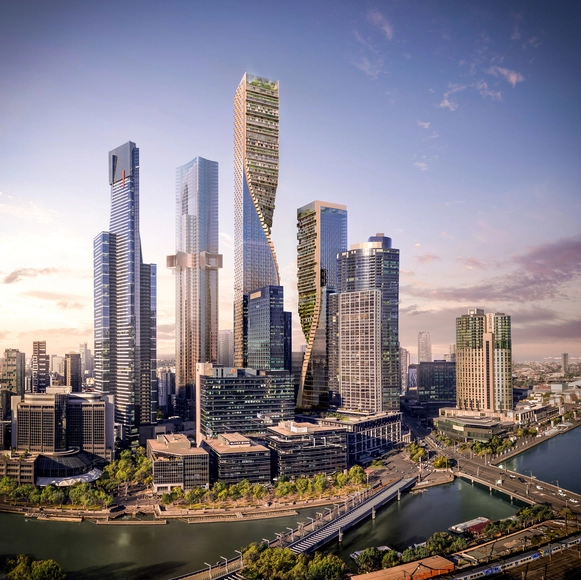
Many urban planners predict that by 2050, more than 6 billion people will live in cities, and in places where building outwards isn't an option, the only way to keep up with the growing density is to build up. Building taller always comes with numerous challenges and also a not-so-subtle competition for architecture firms to have their name tied to the biggest buildings. Almost as fast as a building is named one of the tallest in the world, another one makes its way to the drawing board, a few years later taking the title. While the sky’s the limit, how does this impact the constructability of projects, and what feats of construction methods and materials have enabled us to build into the clouds?
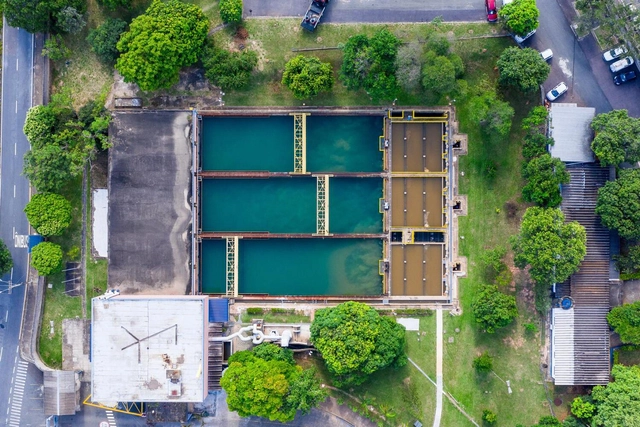
Sanasa Water Treatment Plant in Campinas, São Paulo. Photo: Renan Pissolatti/WRI Brasil
The Metropolitan Region of Campinas is one of Brazil's largest urban centers. With more than three million inhabitants and an annual GDP exceeding R$ 150 billion, it is one of the country's most dynamic economic regions.
In the architectural conversations we are having in today’s world, conversations on materials are widespread. There is discussion on the viability of concrete in the contemporary context, how timber can be more sustainably sourced, and on how biodegradable materials such as bamboo should be more common sights in our urban environments.
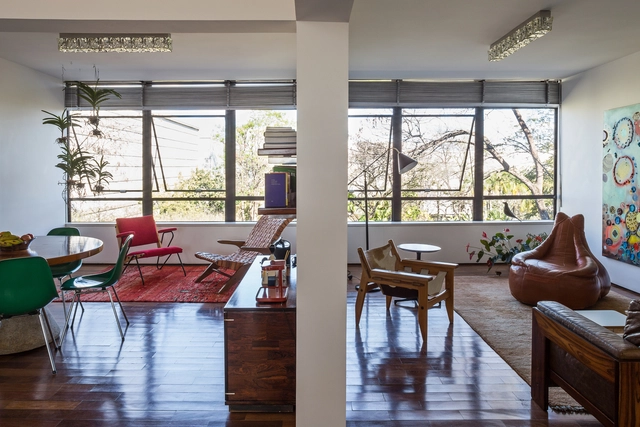
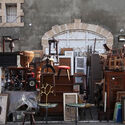
But we also need to be talking about what goes into these buildings – that is, the furniture that decorates, enhances, and makes habitable the buildings around us. The materials used to craft these objects have constantly evolved over centuries, and as we approach the end of 2022, it’s worth asking – what does the future hold for what our furniture will be made from?
"Architecture and urbanism have the opportunity to offer solutions that involve looking beyond the discipline itself, so that the margins and boundaries of necessity lead us to seek actions outside of standard practice. Positioning ourselves on the margins allows us to see new alternatives, expand the practice, and have a perspective that is not central, but peripheral," say Anna Vergés and Guillem Augé (UNDO), curators of the XII Ibero-American Biennial of Architecture and Urbanism, whose central theme is "Habitar al margen" (Living on the Margins).
Looking around, it is clear that the world is developing at a rapid rate, and so are cities. Architects and designers inevitably take on the challenge of building better cities and homes, so time needs to be properly allocated for efficiency. After all, in this industry, time really is money.
For years architects have been accustomed to working in a conventional way: they stick with traditional offline renderers and wait until the modeling part is all done to start rendering from scratch.
This is where software like D5 Render comes in, to resolve such problems and change the game. The market is growing and shifting, and so should the tools architects use.
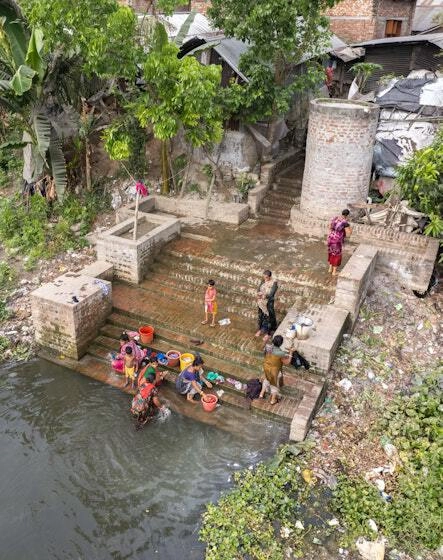
Urban River Spaces, Jhenaidah. Image Courtesy of Aga Khan Award for Architecture
Aga Khan Award for Architecture (AKAA) announced the winners of the 2022 edition. From a pool of 463 projects nominated for the 15th Award Cycle (2020-2022), the six winners show examples of architectural excellence in the fields of contemporary design, social housing, community improvement and development, historic preservation, reuse and area conservation, as well as landscape design and improvement of the environment. Two projects from Bangladesh, one from Indonesia, Iran, Lebanon, and Senegal, will share the UDS 1 million award, one of the largest in architecture.
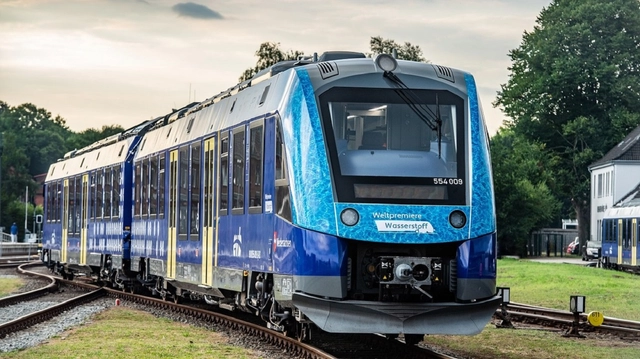
The world’s first hydrogen-powered passenger train service has begun operations in Germany. The 100% hydrogen-fueled rail line debuted in the small town of Bremervörde, near Hamburg. A total of 14 trains will replace diesel locomotives across nearly 100 kilometers of track in the northern part of the country. In addition to Bremervörde, the regional line serves the cities of Cuxhaven, Bremerhaven, and Buxtehude.
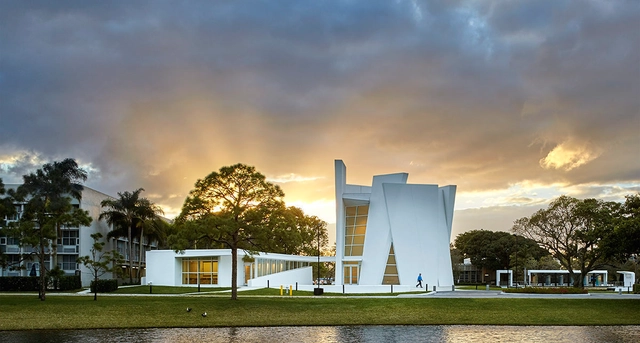
In a time of global unrest, rising intolerance, and, some might argue, increasing secularization, is the campus chapel relevant anymore? Might it disappear altogether? As it turns out, campus sacred space appears to be transforming to play a more important role as many universities focus on educating their students to be more globally aware.
https://www.archdaily.com/989449/campus-sacred-spaces-are-changingMichael J. Crosbie
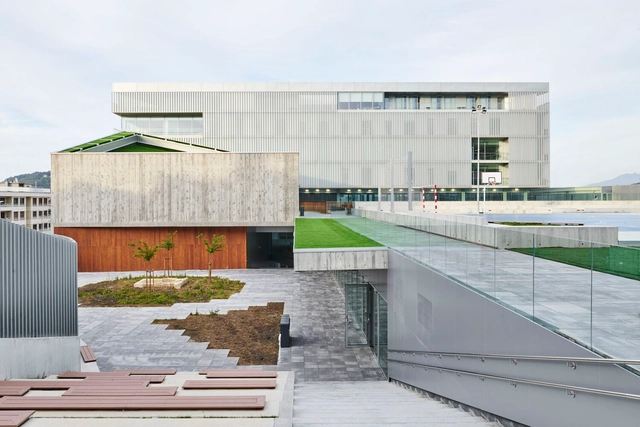
Wooden elements have the power to add warmth to a space or building. Through their shades, textures and rustic look, wooden surfaces tend to stand out, especially when used alongside more neutral and sober materials. In the Aldapeta María Ikastetxea School, a project developed by IDOM in the city of San Sebastian, Spain, the architects used the material in a particularly interesting way. Wood panels brought visual comfort and warmth to the building, whose material palette is limited, focusing especially on the use of glass, steel and exposed concrete.
Climate change is becoming more and more real every day: all over the world, we are witnessing a clear increase in climate disasters. Moreover, the latest IPCC report warns us of possible “tipping points” from which the climate transition could become not gradual, but sudden and irrevocable.
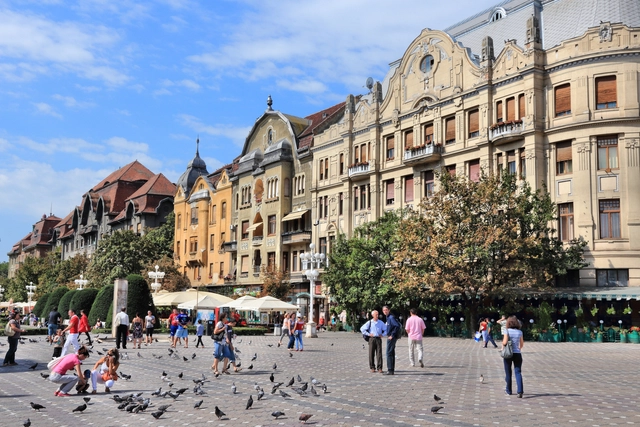
The fourth edition of the Timișoara Architecture Biennial, or Beta, is focusing on the theme of “the City as Common Good”. Through a wide range of events, Beta aims to address topics that are relevant and urgent globally and explore their impact on the local built environment and its response to the needs of the communities. Taking place at various locations in the city of Timișoara, Romania, this year’s festival begins on September 23rd and ends one month later, on October 23rd.
Inspired by the warm tones of harvested crops, Wild Wonder was selected as Color of the Year 2023 by AkzoNobel. Extensive research conducted by AkzoNobel, including color experts and international design professionals, identified the "Wonders of the Natural" swatch at the heart of global social and design. This trend is inspired by nature as people are re-evaluating their relationship with the environment as the source of everything in their lives. # d0c599, or pale yellow/ olive green, captures the moment's mood and conveys serenity and positivity after these recent years of uncertainty and despair.
Concrete Forms of Resistance. Nick Jordan. Image Cortesia de Arquiteturas Film Festival
Slow Down! is the theme driving the 9th edition of the Arquiteturas Film Festival to the city of Porto, marking a change in both location and organization. Now organized by INSTITUTO under the direction of architect Paulo Moreira, the 2022 edition of the Arquiteturas Film Festival establishes itself as an international platform to discuss and disseminate architectural production through films, exhibitions, and debates.
https://www.archdaily.com/1132141/arquiteturas-film-festival-announces-the-program-for-its-9th-edition-which-will-take-place-in-portoArchDaily Team
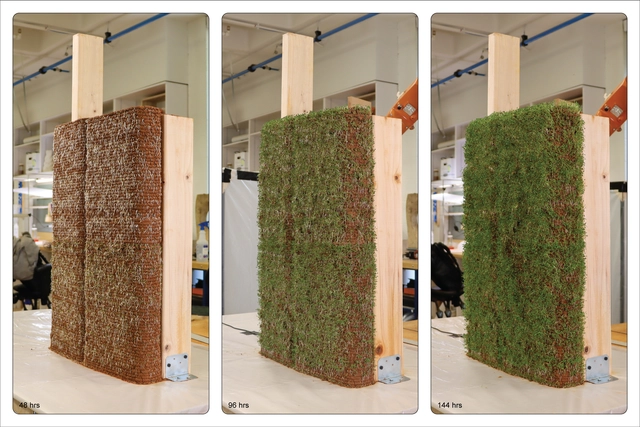
The relationship between architecture and nature is complex. If, on the one hand, we enjoy framing nature as art in our homes; on the other hand, we try at all costs to avoid the presence of obstructive "real" nature in our walls and structures, which can be damaged by roots and leaves. At the same time, we use green roofs, vertical gardens and flower boxes to bring cities closer to nature and improve people's wellbeing; but we also construct buildings with materials that are completely dissociated from fauna and flora. Although the advancement of biomaterials and new technologies is gradually changing this, we should nevertheless ask ourselves whether the structures and buildings we occupy need to be separated from the nature that surrounds them. This was the question that led researchers at the University of Virginia (UVA) to develop geometrically complex 3D-printed soil structures on which plants could grow freely.
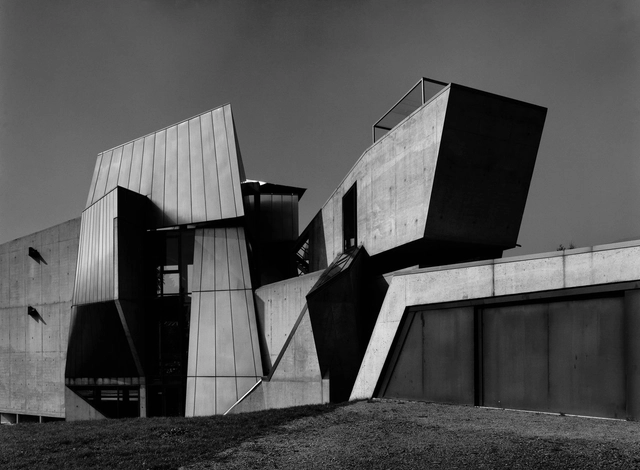
Günther Domineg’s Steinhaus . Image Courtesy of GERALD ZUGMANN
Domenig was one of Austria’s most radical architects and a major influence on many of architecture’s leading lights but remains widely unknown. A new exhibition aims to change that.
Hospitality is an industry made of people being hospitable to people, and our interaction with places is its foundation. If the zeitgeist of our era lies in the perpetual dance of shock and awareness of how we treat each other and the planet we live on, what considerations should we pose to inform and shape what’s next for hotels? If there’s ever been a moment to think about the future of hospitality, this is it.
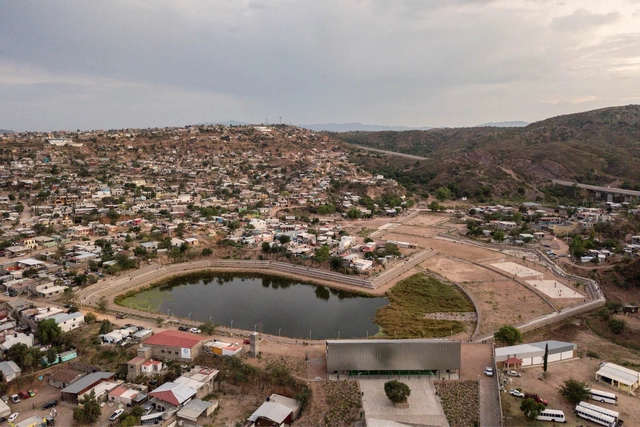
The Mies Crown Hall Americas Prize (MCHAP) has selected Containing the Flood: Colosio Embankment Dam by Loreta Castro Reguera and José Pablo Ambrosi of Taller Capital as the winners of the 2022 MCHAP.emerge award. Acknowledging the best-built work in the Americas authored by a practice in its first ten years of operation, the 2022 MCHAP Prize for Emerging Practice (MCHAP.emerge) considered built works completed in the Americas between January 2018 to December 2021. Past MCHAP.emerge Laureates include Pezo von Ellrichshausen (2014), PRODUCTORA (2016), and Rozana Montiel Estudio de Arquitectura (2018).
As part of the cultural agenda of LIGA, Espacio para arquitectura in Mexico City, the work of a Cuban architecture office is presented for the first time: Infraestudio. The studio, composed of Anadis González and Fernando Martirena, addresses various conflicts and challenges in their daily practice, including job precarity in a context where private architectural practice is illegal. Despite this obstacle, they have managed to develop a provocative body of built work, intertwining it with proposals linked to artistic practices.
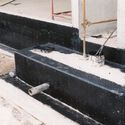
Concrete, metal, or wood—all building materials degrade over time when exposed to water and moisture. Moreover, every building element is exposed to weathering to varying degrees, from the foundation to the roof. Consequently, protective layers must be incorporated to prevent water from contacting raw materials—a process known as waterproofing—ensuring the structure's maintenance and longevity.
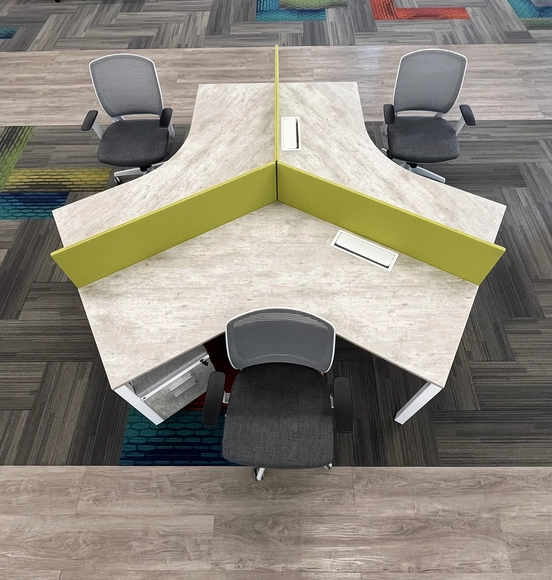
Before transforming a space, the ability to envision its future aesthetic is essential. Visiting a showroom firsthand offers the opportunity to interact with products and materials, creating a space of visualization and inspiration for architects, designers, and visionary clients ready to explore design innovations.
Depending on user needs, showrooms are categorized into two main specialties: office furniture and storage systems.