

Other
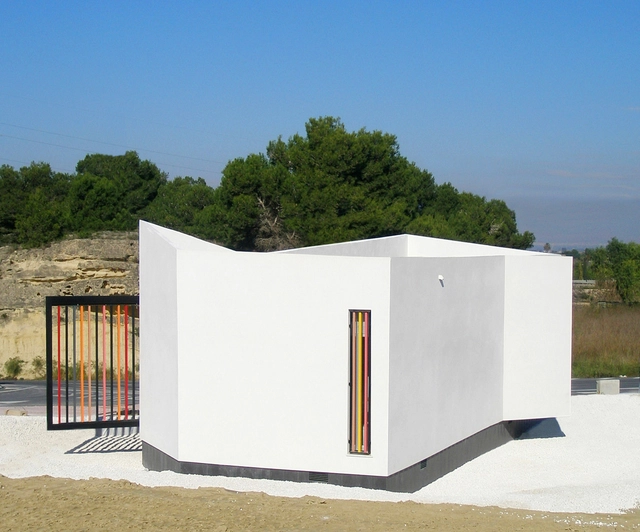
Sales and management office for Sol de Rojales housing development / Esculpir el Aire

https://www.archdaily.com/519785/sales-and-management-office-for-sol-de-rojales-housing-development-esculpir-el-aireKaren Valenzuela
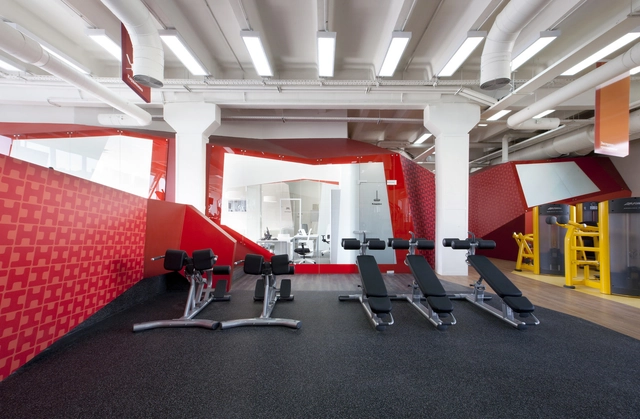
Smena Fitness Club / Za Bor Architects

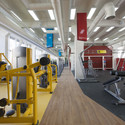

-
Architects: Za Bor Architects
- Area: 1291 m²
- Year: 2014
https://www.archdaily.com/518020/smena-fitness-club-za-bor-architectsKaren Valenzuela
Bar Aquarium / Next Level Studio
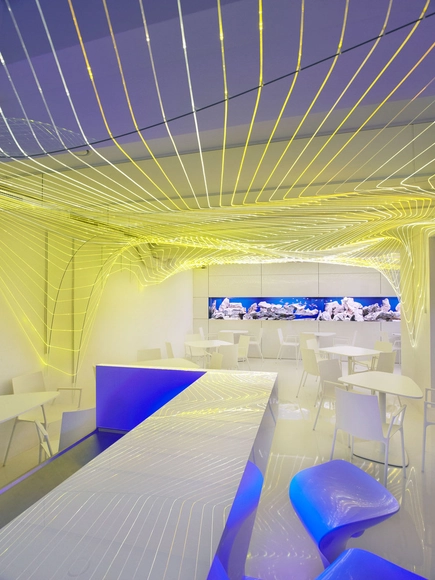




-
Architects: Next Level Studio
- Area: 70 m²
- Year: 2012
-
Manufacturers: Wiesner-Hager
-
Professionals: Muller Light, Amon cs
https://www.archdaily.com/516166/bar-aquarium-next-level-studioCristian Aguilar
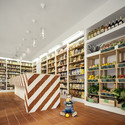
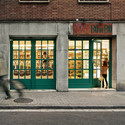
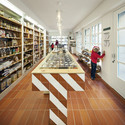
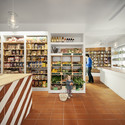
Bodebo Store In Barcelona / CAVAA Arquitectes
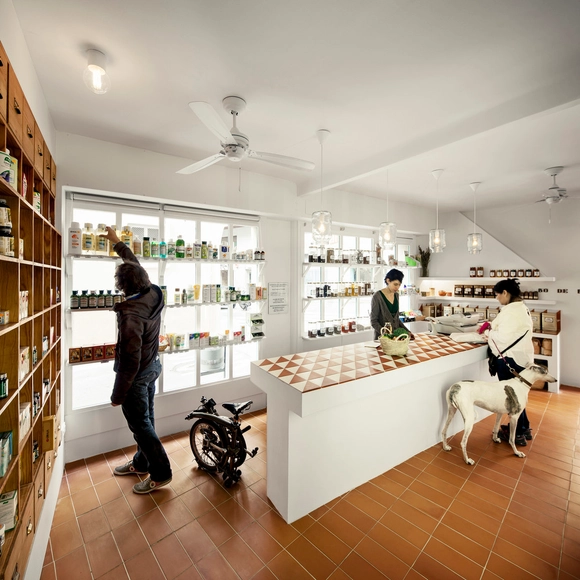

-
Architects: CAVAA Arquitectes
- Area: 74 m²
- Year: 2013
https://www.archdaily.com/516448/bodebo-store-in-barcelona-cavaaKaren Valenzuela
Cafe Coutume Aoyama / CUT Architectures



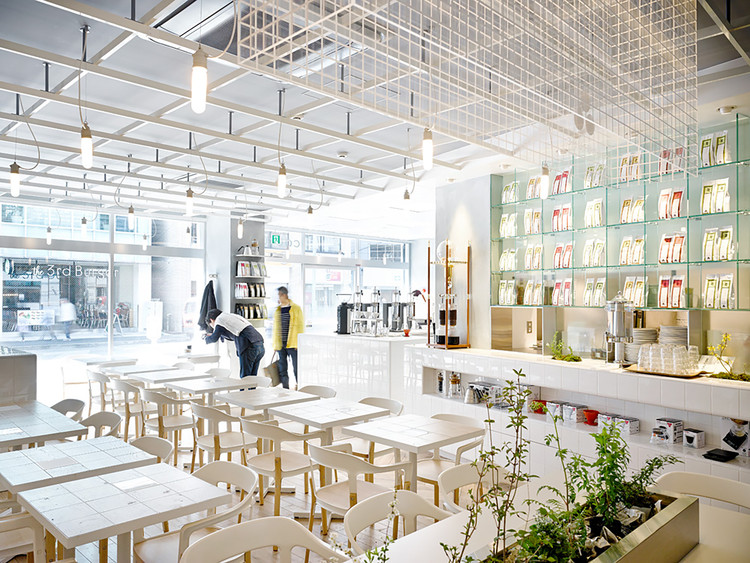
https://www.archdaily.com/514524/cafe-coutume-aoyama-cut-architecturesKaren Valenzuela
HT Apartment / Landmak Architecture
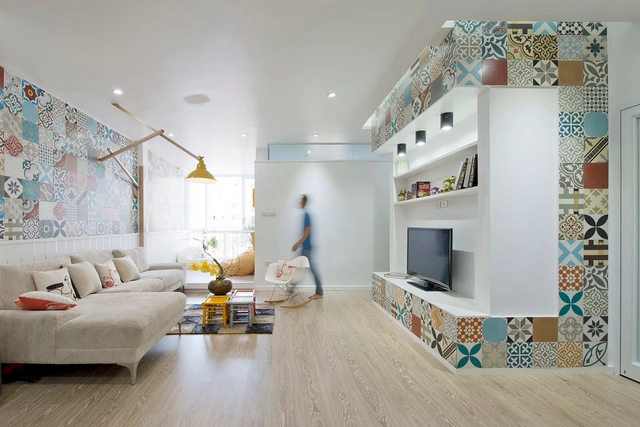
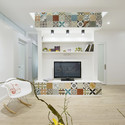
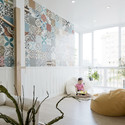
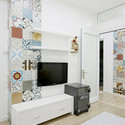
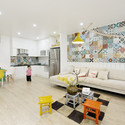

-
Architects: Landmak Architecture
- Area: 83 m²
- Year: 2014
https://www.archdaily.com/515301/ht-apartment-landmak-architectKaren Valenzuela
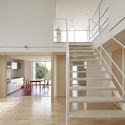
MoyaMoya / Fumihiko Sano Studio
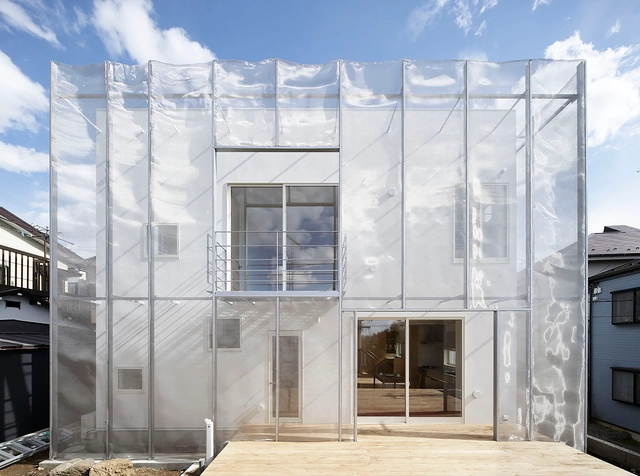
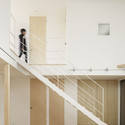
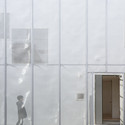
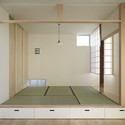

https://www.archdaily.com/513293/moyamoya-fumihiko-sanoKaren Valenzuela
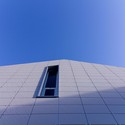
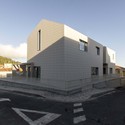
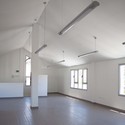
School in Vilaflor / TECHNE



https://www.archdaily.com/513188/school-in-vilaflor-techneKaren Valenzuela
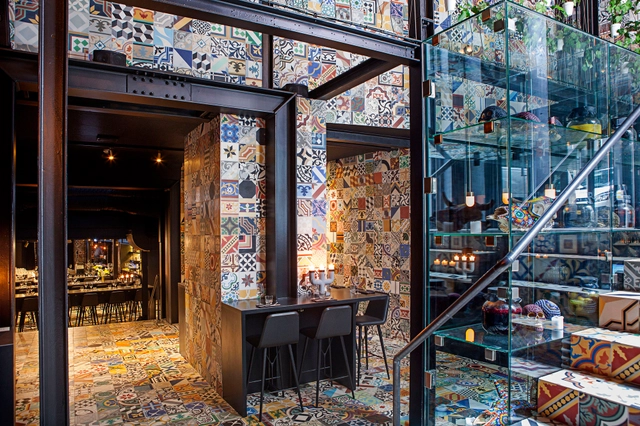


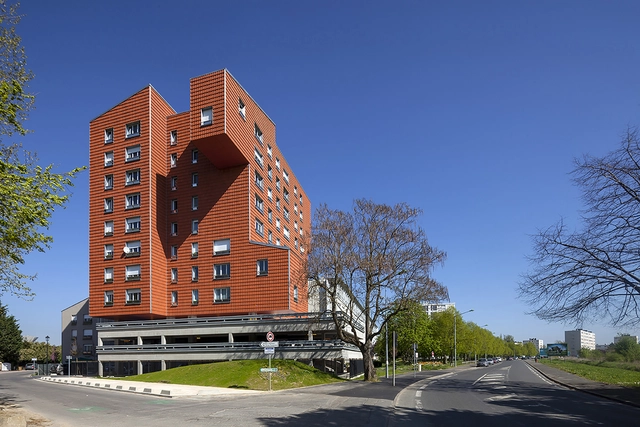
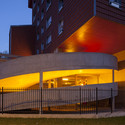
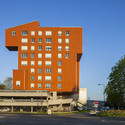
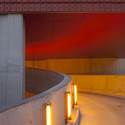
L’Orange de Ris / Edouard Francois
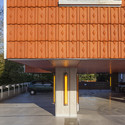

-
Architects: Edouard Francois
- Area: 4350 m²
- Year: 2013
https://www.archdaily.com/513022/l-orange-de-ris-edouard-francoisKaren Valenzuela
ReMake Up IDIP / A-001 Taller de Arquitectura
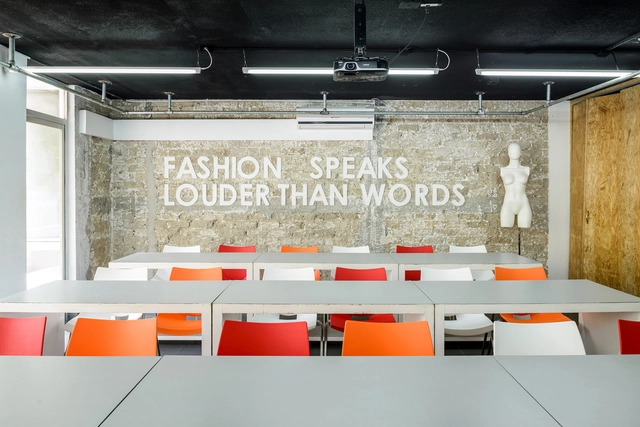



-
Architects: A-001 Taller de Arquitectura
- Area: 200 m²
- Year: 2014
-
Manufacturers: GRAPHISOFT
https://www.archdaily.com/510711/remake-up-idip-a-001-taller-de-arquitecturaKaren Valenzuela
.jpg?1400819024&format=webp&width=640&height=580)
.jpg?1400819382 "Courtesy of penda")
.jpg?1400819356 "Courtesy of penda")
.jpg?1400819918 "Courtesy of penda")
.jpg?1400820156 "Courtesy of penda")
.jpg?1400819024)
ABC Cooking Studio / PRISM DESIGN

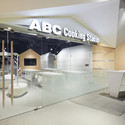
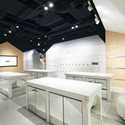
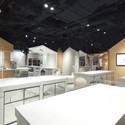
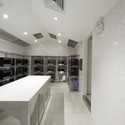

-
Architects: PRISM DESIGN
- Area: 160 m²
- Year: 2014
https://www.archdaily.com/508661/abc-cooking-studio-prism-designKaren Valenzuela
Lima de Freitas School Renovation / Ricardo Carvalho + Joana Vilhena Arquitectos
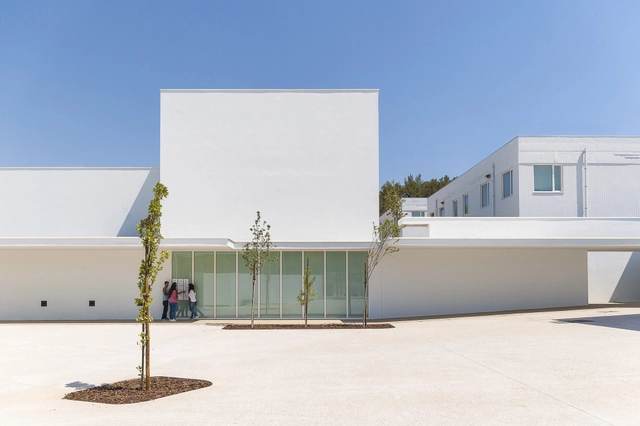




-
Architects: Ricardo Carvalho + Joana Vilhena Arquitectos
- Year: 2012
https://www.archdaily.com/508168/lima-de-freitas-school-renovation-ricardo-carvalho-joana-vilhena-arquitectosRomullo Baratto
Classic Architecture with a Social Agenda (1960-Today)
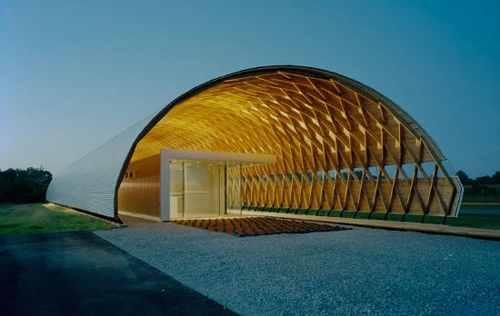
“Ninety-five percent of the world’s designers focus all of their efforts on developing products and services for the richest 10% of the world’s customers.” - Paul Polak, Design for the 90% [1]

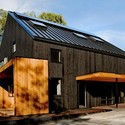
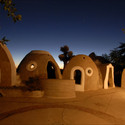

The vast majority of contemporary architectural practice today is service industry based, where a fee-paying client commissions a firm for a defined scope of services. Master of self-effacing cynicism Philip Johnson wryly accepted this structure, calling architects “high-class whores.” The recent surge of interest in designing for traditionally underserved communities, from groups such as Architecture for Humanity, MASS Design, Project H and Public Architecture challenges the traditional firm model. The Prizker Prize jury’s recognition of Shigeru Ban’s humanitarian designs highlights that high design and a socially conscious practice are not mutually exclusive.
Believing that architecture can alleviate societal ills and improve the quality of life for all people is not a new concept. Two eras, the 1920s and 1960s-70s, brought a social agenda to the forefront of the discourse. Hindsight reveals flaws of each. Modernism’s utopian visions for public housing and urban renewal are blamed for the detrimental impact of Post-WWII urban housing projects; participatory design in the 1960s and 70s is criticized for ceding expertise in the name of consensus, ending with projects that were no better than the status quo. Despite this, there are lessons to be learned from those who emphasized the social and humanitarian role of architecture.
https://www.archdaily.com/508534/classic-architecture-with-a-social-agenda-1960-todayMichelle Miller
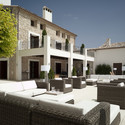
Rehabilitación Masía / Hernández Arquitectos
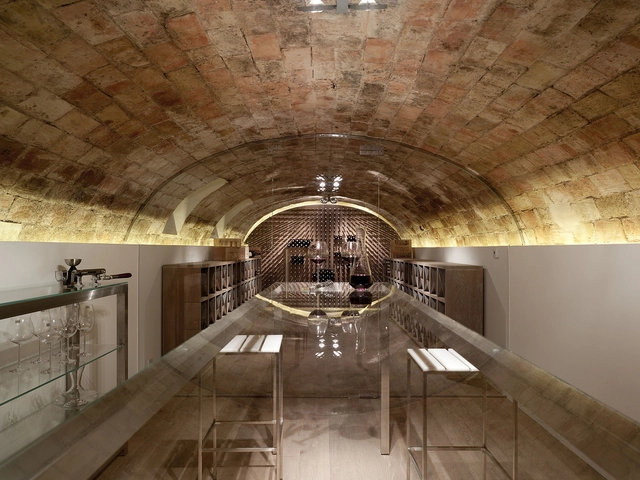
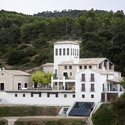


-
Architects: Hernández Arquitectos
- Area: 1802 m²
- Year: 2010
https://www.archdaily.com/507683/rehabilitacion-masia-hernandez-arquitectosKaren Valenzuela
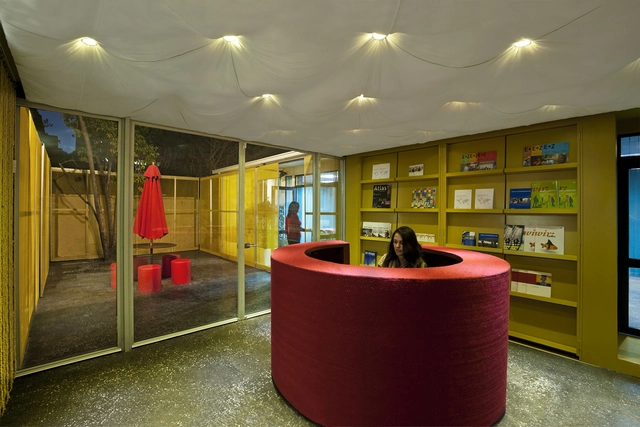
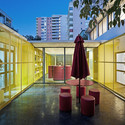
GIZ / FAR frohn&rojas


-
Architects: FAR frohn&rojas
- Area: 200 m²
- Year: 2013
https://www.archdaily.com/505532/giz-far-frohn-and-rojasKaren Valenzuela
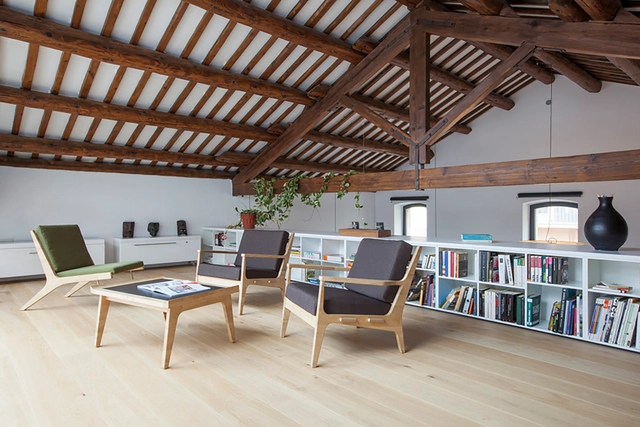
Renovation of an Industrial Building into a Single Family House / Guim Costa Calsamiglia


https://www.archdaily.com/505261/renovation-of-an-industrial-building-into-a-single-family-house-guim-costa-calsamigliaKaren Valenzuela