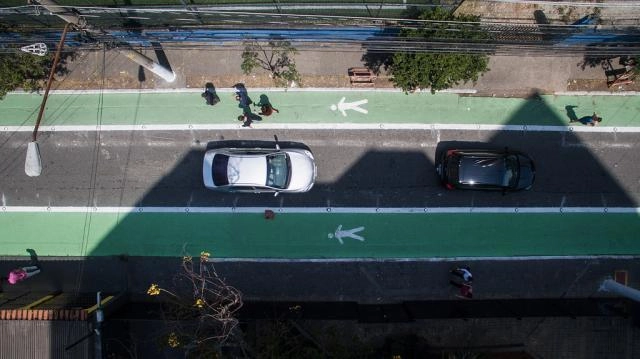
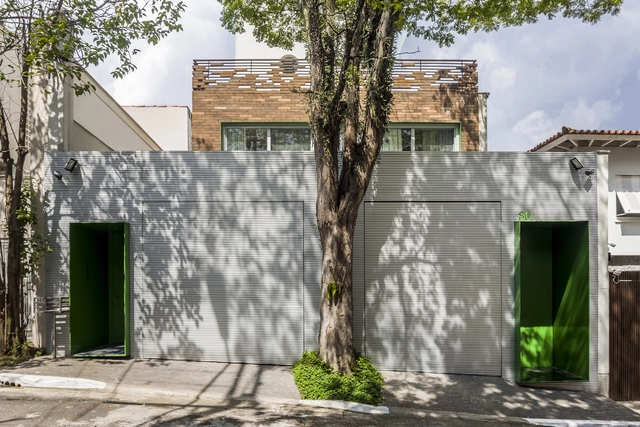
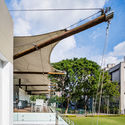
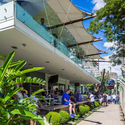
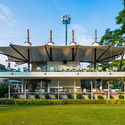
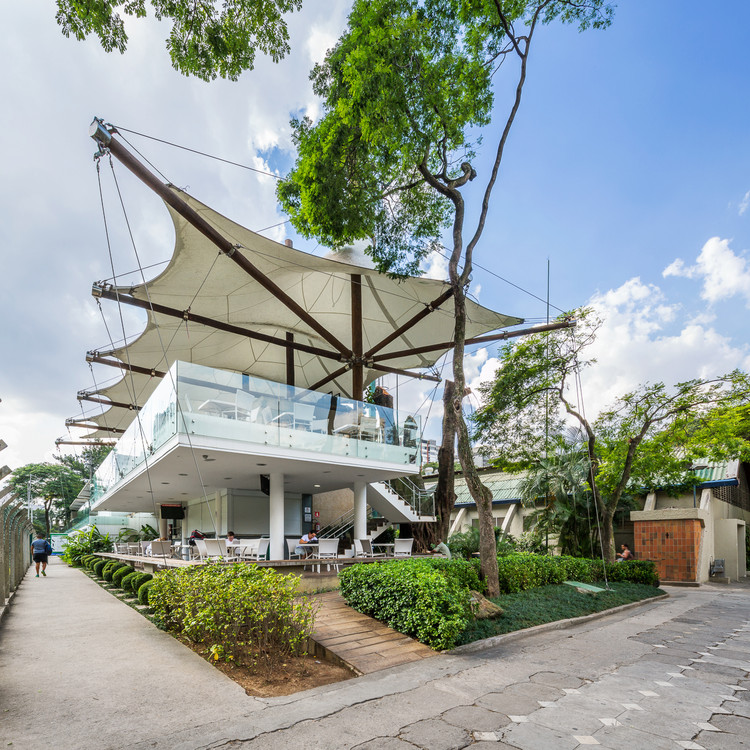
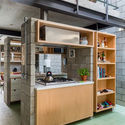
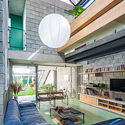
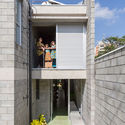
Rua Joel Carlos Borges, in Sao Paulo. Image: Pedro Mascaro/WRI Brasil
The implementation of a Complete Street is something to be celebrated. A Complete Street initiative is a clear indication that a city is striving for urban mobility and seeking a more democratic and safer use of space. Nevertheless, it is vital to measure the impact of these interventions when implementing future actions.
Joel Carlos Borges Street, the first Complete Street in São Paulo, underwent an evaluation two months after it was completed. The study revealed that 92% of its users approved of the project and believed that the changes were beneficial.
https://www.archdaily.com/909371/the-first-complete-street-in-sao-paulo-has-a-92-percent-approval-ratingWRI Brasil
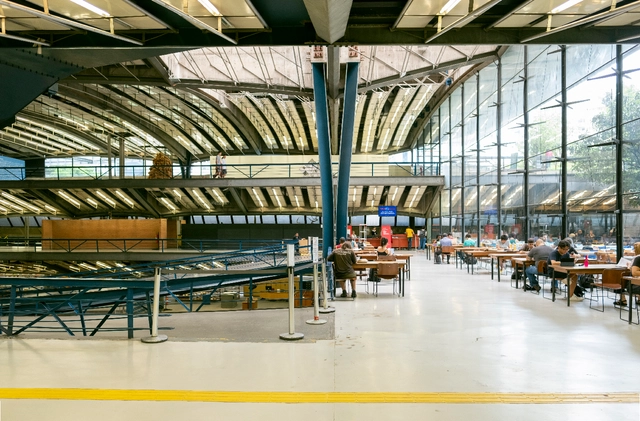
Studies Area - Centro Cultural São Paulo, one of the venues of the Biennale. Photo: Ciro Miguel. Image Courtesy of XII Bienal de Arquitetura de São Paulo
Everyday, the theme of the XII International Architecture Biennale of São Paulo, Brazil, proposed by the curators Vanessa Grossman, Charlotte Malterre-Barthes and Ciro Miguel, seeks to reveal architecture and space through everyday life. Architects and urban planners have long aspired to design total environments, civilizations, even the planet. However, in the current climate of political and economic uncertainty, occurring against the backdrop of unprecedented environmental impacts wrought by rapid technological development, design professionals have begun to acknowledge the vulnerability of their work to global transformations and the challenges of an automated future.
https://www.archdaily.com/910141/iabsp-launches-an-open-call-for-a-proposal-for-the-xii-international-architecture-biennale-of-sao-pauloEquipe ArchDaily Brasil
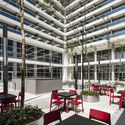
Vista do átrio. Image Cortesia de Safdie Architects
The first Brazilian project by Safdie Architects has broken ground in Sao Paolo's Morumbi neighborhood on November 6. Developed in partnership with Perkins+Will, The Albert Einstein Education and Research Center is part of the Albert Einstein hospital complex.
The new center, named Campus Cecilia and Abram Szajman, will be one of the most advanced institutions in Latin America for medical studies. It will feature innovations in learning methods and technologies, as well as flexible research laboratories capable of adapting to the advancement of hospital techniques.