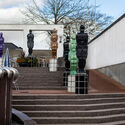
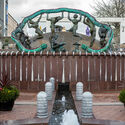
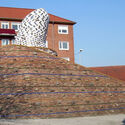
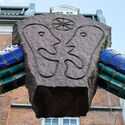
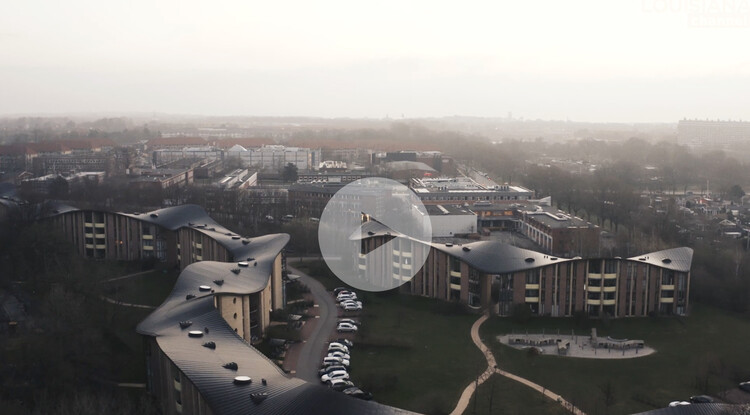
Talking to the Louisiana Channel, Danish professor, sculptor, and artist Bjørn Nørgaard outlines the philosophy that underpins his work and reflects upon his architectural projects. Nørgaard describes in the film, a co-production with Munkeruphus, the strong influence of his mentor in the 1960s - German artist Joseph Beuys - whose theories formed a key part of Nørgaard's evolution and ethos as an artist. The concept of "die soziale Plastik", or social sculpture, would go on to shape Nørgaard's approach to architecture and other forms of art - its main philosophy being that every part of life can be approached creatively.
Nature: The Latest Architecture and News
"Houses Are the Most Prevalent Form of Monuments": In Conversation With Bjørn Nørgaard
https://www.archdaily.com/961484/houses-are-the-most-prevalent-form-of-monuments-in-conversation-with-bjorn-norgaardMatthew Maganga
Dominican Republic Exhibition for the 2021 Venice Biennale Invites Visitors to Rediscover their Connection with Nature
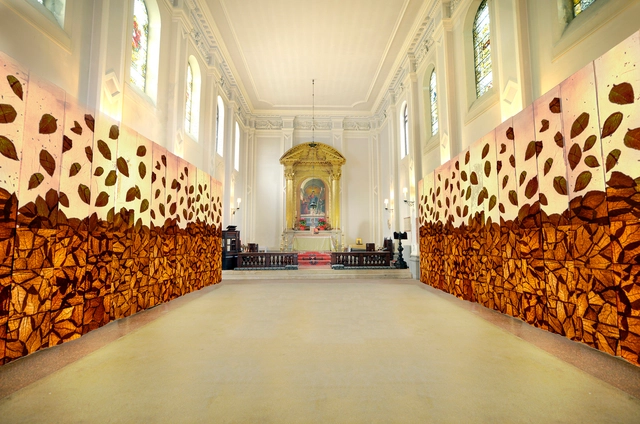
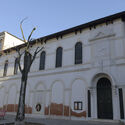
For the 17th Venice Architecture Biennale, the Dominican Republic presents the exhibition CONEXIÓN by artist and architect LiLeón (Lidia León Cabral) and art critic Roberta Semeraro. Hosted at Venice's Anglican Church, the project lies at the intersection of art and interior architecture, and is inspired by "the bond between the Dominican Republic and Mother Earth".


https://www.archdaily.com/960021/dominican-republic-exhibition-for-the-2021-venice-biennale-invites-visitors-to-rediscover-their-connection-with-natureAndreea Cutieru
What is Biomimetic Architecture?
_NAARO_-_Copia.jpg?1606329213&format=webp&width=640&height=580)

_NAARO_-_Copia.jpg?1606329213)
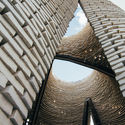
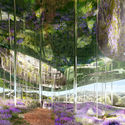
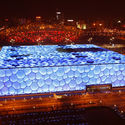
In 1941, Swiss engineer George de Mestral was coming back from a hunting trip with his dog when he noticed that some seeds kept sticking to his clothes and his dog's fur. He observed that they contained several "hooks" that caught on anything with a loop, and from studying this plant, seven years later, he invented the hook and loop fastener, which he named Velcro.
https://www.archdaily.com/954004/what-is-biomimetic-architectureCamilla Ghisleni
Amid the COVID-19 Pandemic, Take Time to Reconnect with Nature
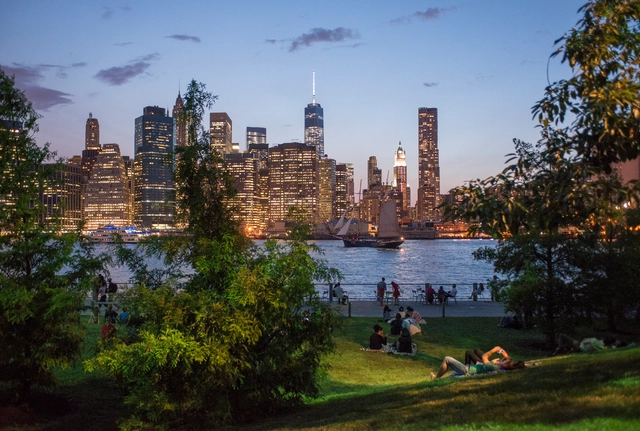
If you are in a place impacted by the COVID-19 pandemic, spending 20 minutes experiencing nature in a park, street, or even your backyard can significantly reduce your stress levels. Just be sure to follow federal, state, and local guidelines and maintain social distancing of 6 feet or 2 meters. But even if you cannot or are unable to go outside, taking a break by opening a window and looking at a tree or plant can also help de-stress.

https://www.archdaily.com/950536/amid-the-covid-19-pandemic-take-time-to-reconnect-with-natureJared Green
Long-Term Plans: To Build for Resilience, We’ll Need to Design With—Not Against—Nature
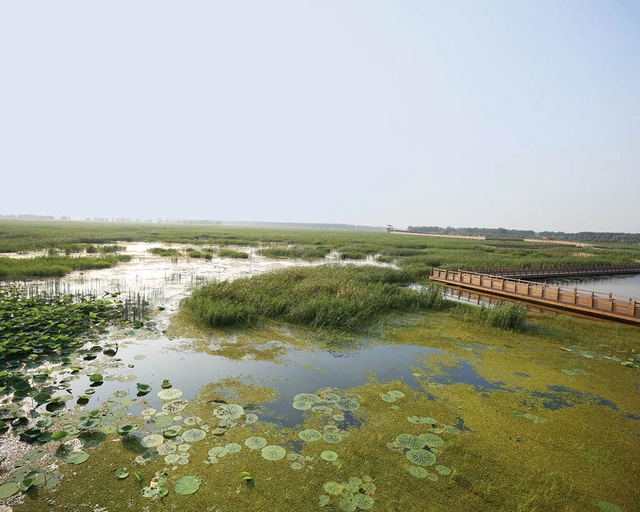
Moving away from its early exclusive focus on natural disasters, resilient architecture and design tackles the much tougher challenge of helping ecosystems regenerate.

Thirty years ago, as a high school student at the Cranbrook boarding school in suburban Detroit, I wrote a research-based investigative report on the environmental crisis for the student newspaper. I had been encouraged to do so by a faculty adviser, David Watson, who lived a double life as a radical environmentalist writing under the pseudonym George Bradford for the anarchist tabloid Fifth Estate. His diatribe How Deep Is Deep Ecology? questioned a recurring bit of cant from the radical environmental movement: Leaders of groups like Earth First! frequently disparaged the value of human life in favor of protecting nature.
https://www.archdaily.com/939624/long-term-plans-to-build-for-resilience-well-need-to-design-with-not-against-natureStephen Zacks
Yosuke Hayano From MAD Architects Shares His Creative Process in Resite Podcast
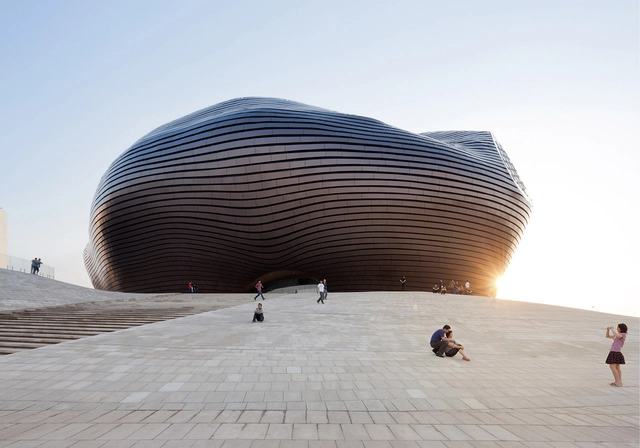
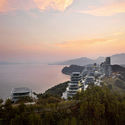
Design and the City is a podcast by reSITE, raising questions and proposing solutions for the city of the future. In the fifth episode, Yosuke Hayano, principal partner for MAD Architects, talks about Creating Emotional Connections to Nature. Always asking “How do you bring modern architecture into the future and connect humans with nature?” Hayano discusses the creative approach of the firm.



https://www.archdaily.com/935199/yosuke-hayano-from-mad-architects-shares-his-creative-process-in-resite-podcastChristele Harrouk
International Symposium of Design for Living with Water
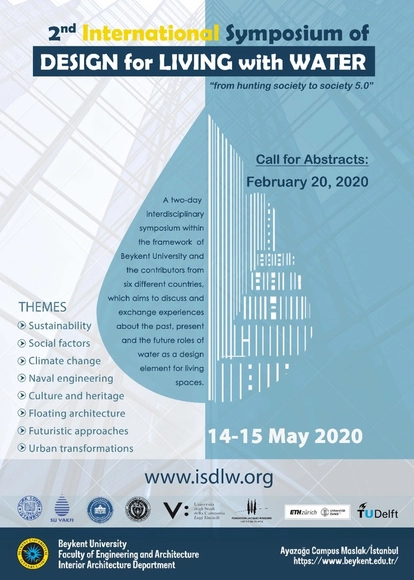
In the days of witnessing the nature's responses to climate change and facing the risk of loosing basic life sources we are calling (inviting) all the academicians, designers, and all other interested parties to take a part in sharing their idea about the importance of ecofriendly, responsive and nature responsible design. We are curious to hear your opinions. We proudly announce the 2nd International Symposium of Design for Living with Water!!
It is our turn to take a part in responsibility toward water and nature!
https://www.archdaily.com/932338/international-symposium-of-design-for-living-with-waterRene Submissions
Vietnamese Houses: 20 Residences that Incorporate Nature
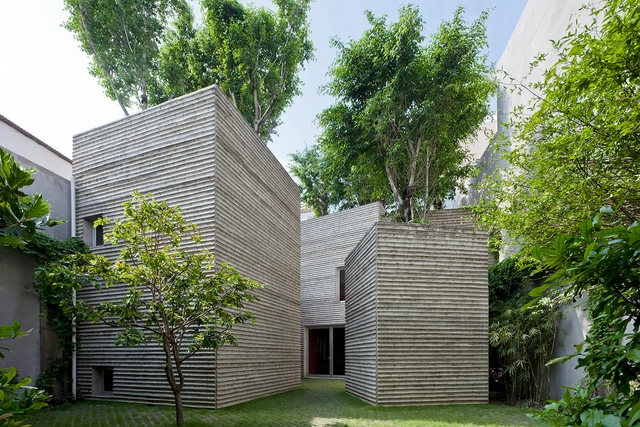
With a subtropical climate, high temperatures and environment favored by the rains, Vietnam has, as one of its main features, landscapes with vegetation in abundance, privileged by the fertile soil and the weather conditions. Ingrained in this scenario, Vietnamese architecture seems to embrace the nature as its protagonist increasingly, miming natural elements along with the rusticity of the concrete surfaces.
With this idea in mind, we selected 20 Vietnamese house projects already published on ArchDaily that incorporate natural elements into their façades and inside spaces. Check the list below!
https://www.archdaily.com/925992/vietnamese-houses-20-residences-that-incorporate-natureMatheus Pereira
Frank Lloyd Wright Foundation will use Taliesin West to Educate about Living with Nature
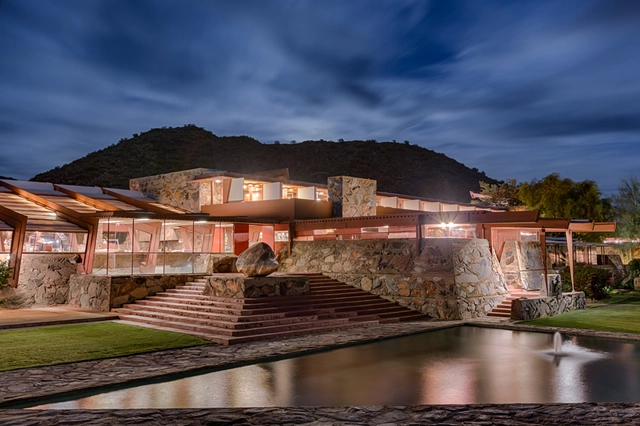
The Frank Lloyd Wright Foundation has used Earth Day, April 22nd, 2019, to launch a new initiative focused on educating the public about how sustainable practices are used in the conservation of National Historic Landmark sites, including the renowned architect’s Taliesin (Wisconsin) and Taliesin West (Arizona) residences. Taking place throughout the year, the Foundation’s efforts will aim to show how these practices can serve as examples for other facets of society.
https://www.archdaily.com/915558/frank-lloyd-wright-foundation-will-use-taliesin-west-to-educate-about-living-with-natureNiall Patrick Walsh
Statie Stuifduin -a2o-architecten
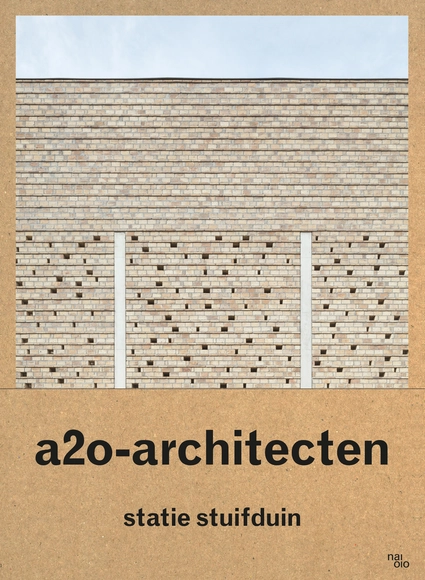
In this book, Belgian architecture office a2o presents an investigative and connecting approach to architecture through an evocative reading of their latest project, crematorium Statie Stuifduin in Lommel, Belgium. This thoughtful yet radical design blends architecture and landscape in a succession of spaces that reveals a deep understanding of both the fundamental aspects of and changing attitudes towards death, burial and the journey of life. Rather than through explicit religious symbols, the sacral is represented by the universal power of nature and by Romantic notions of finding meaning in rediscovered nature. In doing so, Statie Stuifduin goes beyond the specifics of the building to explore new visions of what contemporary funeral architecture can be.
https://www.archdaily.com/911877/statie-stuifduin-a2o-architectenRene Submissions
Semaphore: an Ecological Utopia Proposed by Vincent Callebaut
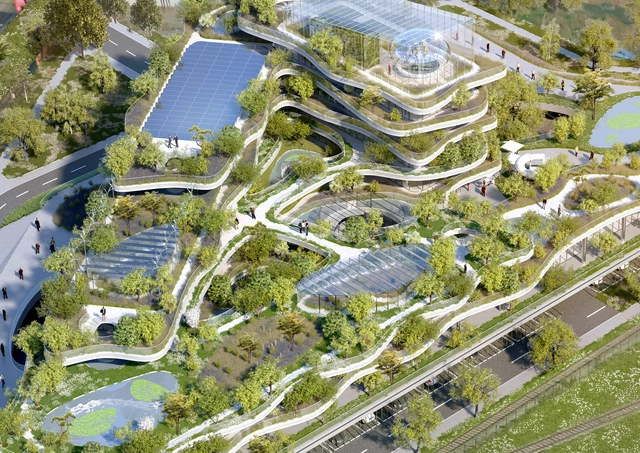
In a design proposal for Soprema’s new company headquarters in Strasbourg, France, Vincent Callebaut Architectures envisions an 8,225 square-meter ecological utopia. The building, called Semaphore, is described in the program as a “green flex office for nomad co-workers” and is dedicated to urban agriculture and employee well-being.
An eco-futuristic building, Semaphore is inspired by biomimicry and intended as a poetic landmark, as well as aiming to serve as a showcase for Soprema’s entire range of insulation, waterproofing, and greening products. The design is an ecological prototype of the green city of the future, working to achieve a symbiosis between humans and nature.


https://www.archdaily.com/908932/semaphore-an-ecological-utopia-proposed-by-vincent-callebautMegan Schires
Why Nature Should be a Co-Author in Architectural Projects
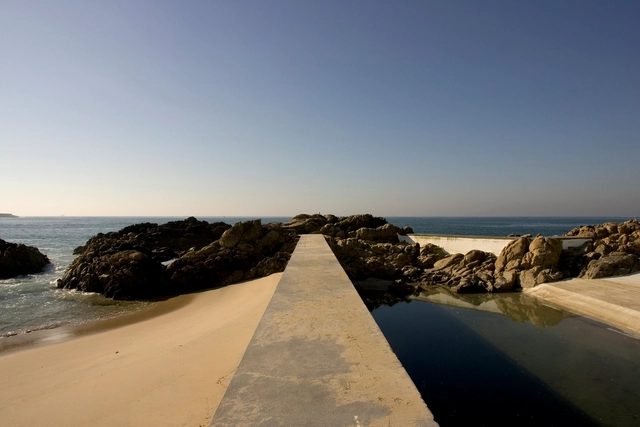
Dealing with the context of a project’s site is an essential part of architecture, be it by denying or incorporating preexisting elements and the environment’s conditions in the design. However, understanding what lies around as an active agent of the decisions and space organization goes beyond simply considering the good views, natural ventilation, solar orientation, etc; it is about seeing these conditions as co-authors.
These cases are most notable when practices think of the architecture's surrounding environment as an active agent.
https://www.archdaily.com/907679/why-nature-should-be-a-co-author-in-architectural-projectsJulia Daudén
Florence Experiment To Show How Watching Movies Impacts Plant Growth

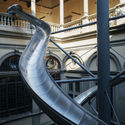
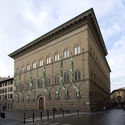
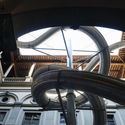
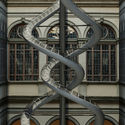
Throughout the spring and summer of 2018, the Palazzo Strozzi in Florence, Italy will host a new site-specific project seeking to further our understanding of ecology, and the relationship between humans and the natural world. “The Florence Experiment” will connect internal and external spaces of the famed Renaissance palace through two separate experiences: an intertwined set of 65-foot-high (20-meter-high) slides, and a “live analysis” of the impact of human emotion on plant growth.
The Florence Experiment has been devised by German artist Carsten Höller and plant neurobiologist Stefano Mancuso, with the vision of turning the Palazzo Strozzi’s façade and courtyard into engaging areas of scientific and artistic experiment. Inspired by the Renaissance alliance between art and science, the project aims to create a new awareness of the way we see, understand, and interact with plant life.

https://www.archdaily.com/892290/florence-experiment-to-show-how-watching-movies-impacts-plant-growthNiall Patrick Walsh
Nordic Pavilion at the 2018 Venice Biennale to Explore Nature's Relationship to the Built Environment
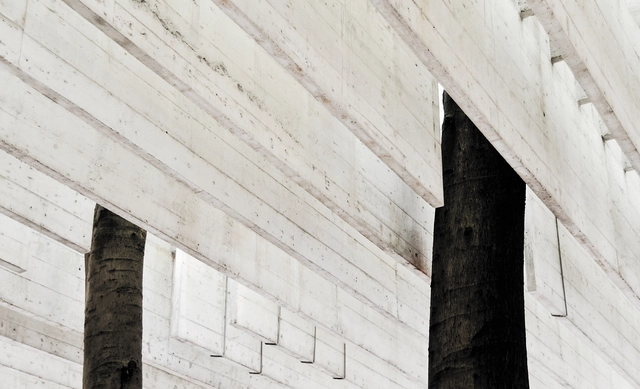
As part of our 2018 Venice Architecture Biennale coverage we present the proposal for the Nordic Pavilion. Below, the participants describe their contribution in their own words.
Finnish architect Lundén Architecture Company has been chosen to design the Nordic contribution to the 2018 International Architecture Exhibition in Venice. Eero Lundén’s proposal, entitled Another Generosity, explores the relationship between nature and the built environment.
The goal is to explore new ways of making buildings that emphasise the delicate but often invisible interactions between the built and natural worlds.
https://www.archdaily.com/890813/nordic-pavilion-at-the-2018-venice-biennale-to-explore-natures-relationship-to-the-built-environmentNiall Patrick Walsh
Architecture That Can Feed You: Penda's Yin & Yang House Addresses Our Detachment With Food
.jpg?1519738936&format=webp&width=640&height=580)
As a generation that has the most flexibility in day-to-day life, live-work dwellings are becoming more and more popular; a topic that is expected to be seen everywhere in 2018. We can now work anywhere as long as we have a decent internet connection and something to type on. Penda’s latest design, Yin & Yang house, calls upon millennials to take advantage of this ability and move back to the countryside for a better quality of life.
.jpg?1519739096 "Courtesy of Penda Austria")
.jpg?1519738994 "Courtesy of Penda Austria")
.jpg?1519766484 "Courtesy of Penda Austria")
.jpg?1519766430 "Courtesy of Penda Austria")
.jpg?1519738936)
https://www.archdaily.com/889786/architecture-that-can-feed-you-pendas-yin-and-yang-house-addresses-our-detachment-with-foodElla Thorns