This contest aims to present 24-hour architectural responses to the problems affecting cities today and consecutively the world, with a very strong focus on sustainable and environmentally friendly measures.
This contest aims to present 24-hour architectural responses to the problems affecting cities today and consecutively the world, with a very strong focus on sustainable and environmentally friendly measures.
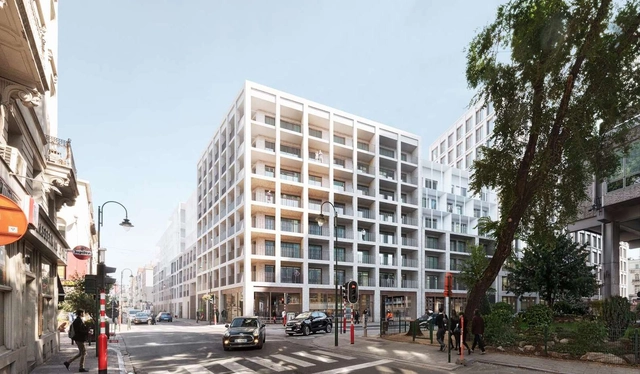
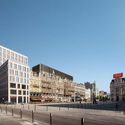
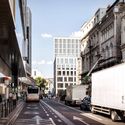
Henning Larsen has unveiled its vision for Brouck’R, a city block transformation project facing Brussels’ busy Place de Brouckère. Inspired by traditional and contemporary heritage, the proposal generates a 21st-century, vibrant, mixed-use destination in the city center.
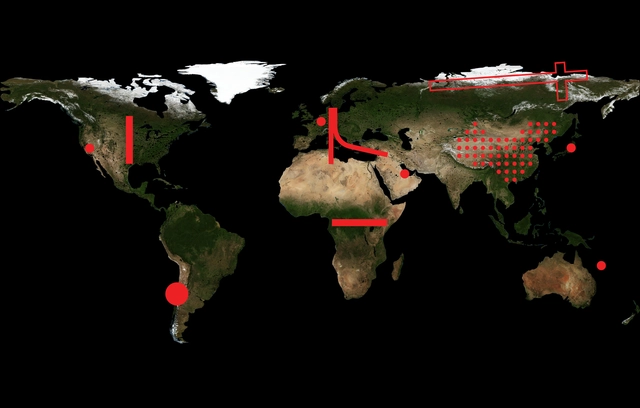
Opening in February 2020, the Solomon R. Guggenheim Museum is showcasing an exhibition by Rem Koolhaas and AMO, the think tank of the Office for Metropolitan Architecture (OMA). Entitled Countryside, The Future the exhibition seeks to investigate urgent environmental, political, and socioeconomic transformations in the nonurban areas.
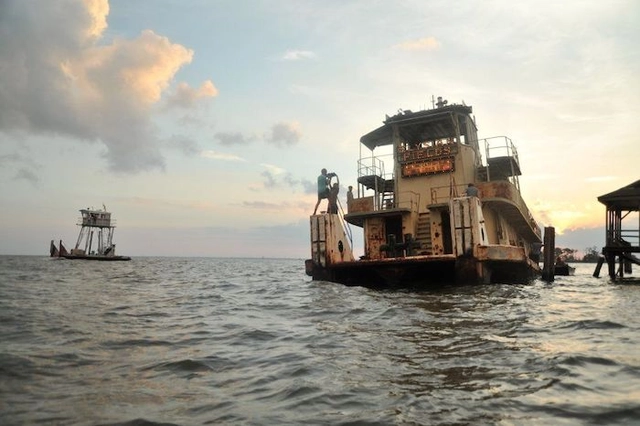
Architecture enjoys a close connection with moving picture, perhaps because of the limitless imagination it allows. Our mind can be taken far away to utopian worlds where we live different realities with our eyes and skin; movies can carry us to new and distant places, where we face new unusual realities.
However, besides carrying us to distant places, movies can also be a vehicle of social criticism. This is not news, as it has been done for almost as long as cinema has existed. The evolution of this role is relative to the topic of critique that has developed over time, as have our habits and ways of living. In this sense, one of the most emerging problematic of nowadays is climate change.from architecture to arts and, clearly, the movies.
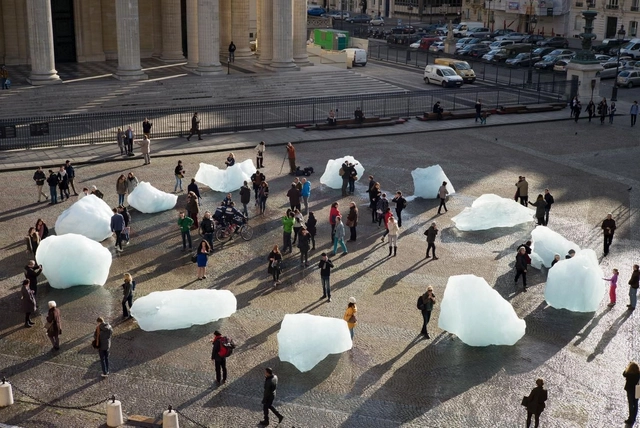
Studying the data that indicates a climate crisis that has been affecting the whole planet for the last decades, the reactionary attitudes may sound disappointing. However, at the same time that the news indicates a global average temperature rise, the political focus on the climate crisis is also intensified, according to the UN Environment report released in 2019, which is a reflection not only of the occurrence of manifestations and protests around the world but also of the so-called activist art expression.
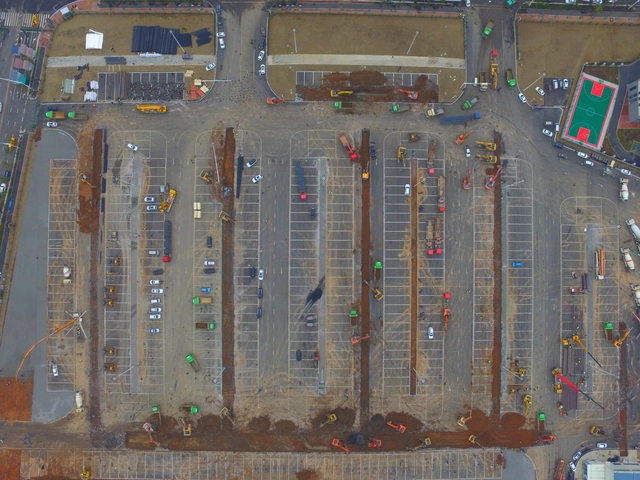
Does the Coronavirus concern us? Yes, it does. Beyond the rush for health cures, cities are seen to react by using both architecture and urban strategic planning as tools for the virus’ containment, shattering our notions of city and resilience planning.
Design and the City is a podcast by reSITE about how we can use design to make cities more livable and lovable. Every week, a new episode will be released featuring speakers that explore the future of our cities, like Thomas Heatherwick from Heatherwick Studios, Chris Precht from Studio Precht, Leona Lynen from Haus der Statistik and Yosuke Hayano from MAD Architects among others.
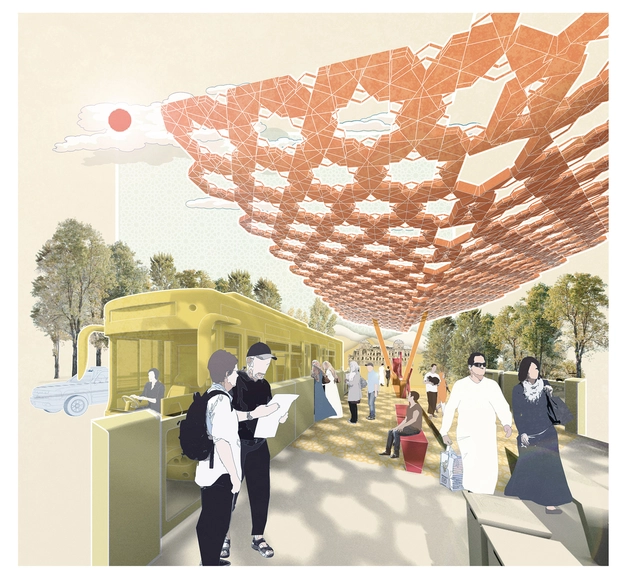
Imagined by Sasaki, the Kabul Urban Design Framework creates a vision of what the city can become. The project generates a set of guidelines that can transform the Afghan capital into a model of sustainable, equitable, and resilient development.
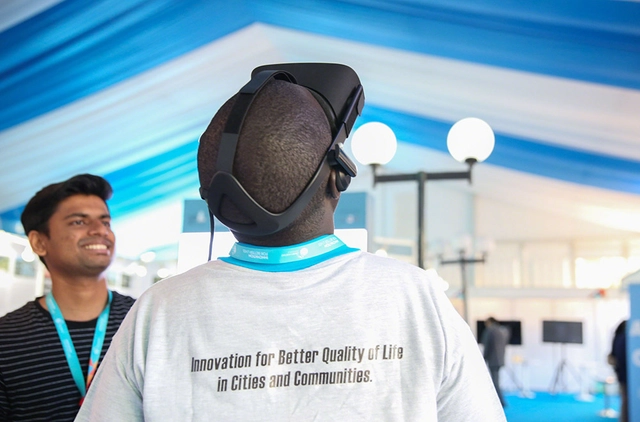
The Un-habitat or the United Nations agency for human settlements and sustainable urban development, whose primary focus is to deal with the challenges of rapid urbanization, has been developing innovative approaches in the urban design field, in order to encourage the active participation especially of children, women and underprivileged individuals.
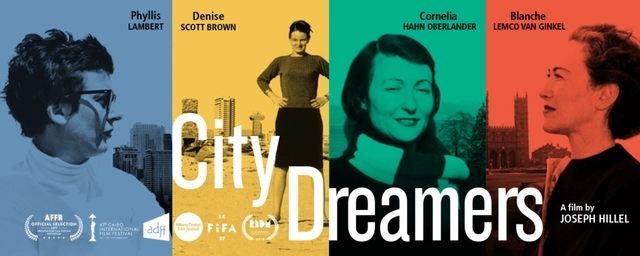
City Dreamers is a documentary by filmmaker Joseph Hillel that underlines the ever-changing city of tomorrow and the life and work of 4 women architects who reconsidered the urban environment. Phyllis Lambert, Denise Scott Brown, Cornelia Hahn Oberlander and Blanche Lemco van Ginkel are inspiring pioneers that observed and shaped the city of today and tomorrow.
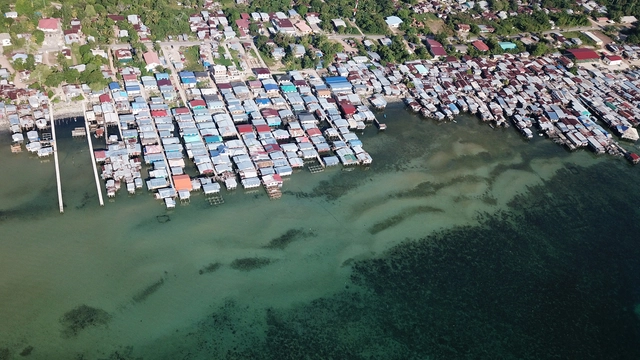
Goldman Sachs has released a report on the effects of climate change on cities across the world. The study explored the major changes that will transform the planet and highlighted several metropolises that will be at risk of flooding.
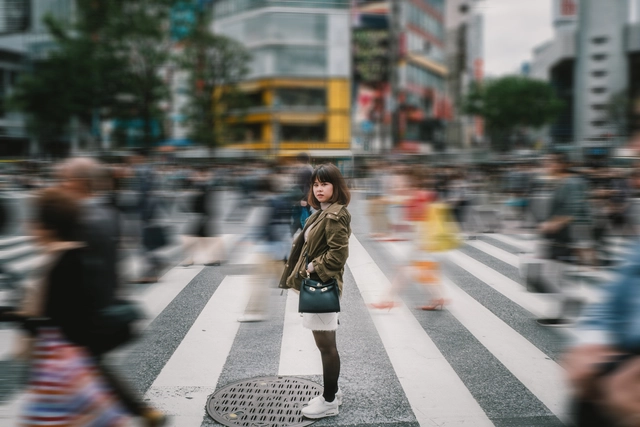
Although cities are supposed to be built for everyone, they are in most of the time, thought, planned and designed by men: “Cities are supposed to be built for all of us, but they aren't built by all of us.”
With basic different needs, men and women expect different outcomes from their urban surroundings. A city should be able to fulfill everyone’s essentials. Lately, the topic that has everyone's attention revolves around cities designed by women. With a female mayor onboard and a feminist agenda, for the past four years, Barcelona has been undergoing major transformations on this subject.
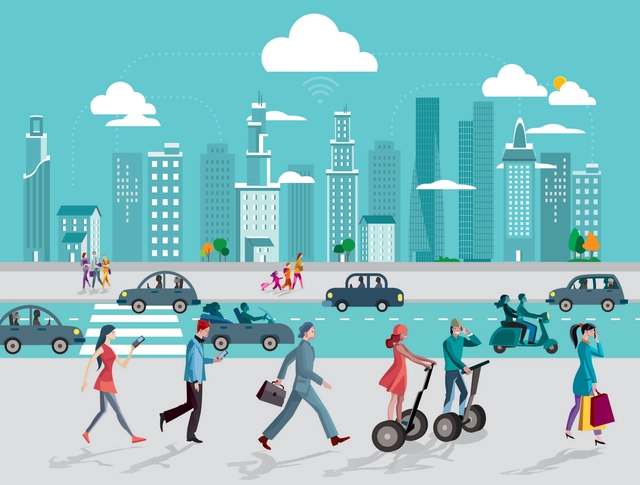
City of the Future is a bi-weekly podcast from Sidewalk Labs that explores ideas and innovations that will transform cities.
In the final episode of season 2, hosts Eric Jaffe and Vanessa Quirk discuss the past, present, and future of responsive architecture with Sidewalk Labs’ director of public realm Jesse Shapins, engineer and microclimate expert Goncalo Pedro, Bubbletecture author Sharon Francis, and renowned architect Liz Diller of Diller Scofidio + Renfro.
__by_Rinaldo_Olivieri__1973._Image_Iwan_Baan.jpg?1576526438&format=webp&width=640&height=580)
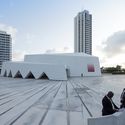
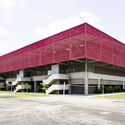
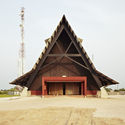
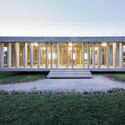
The Ivory Coast is creating a new design language in West Africa. Located between Ghana and Liberia, Côte d'Ivoire is home to a range of modern architecture. Before colonization, the Ivory Coast was home to Gyaaman, the Kong Empire, and Baoulé, with ties that would shape its identity. Now, local architecture is rethinking past traditions to create a model for the future.
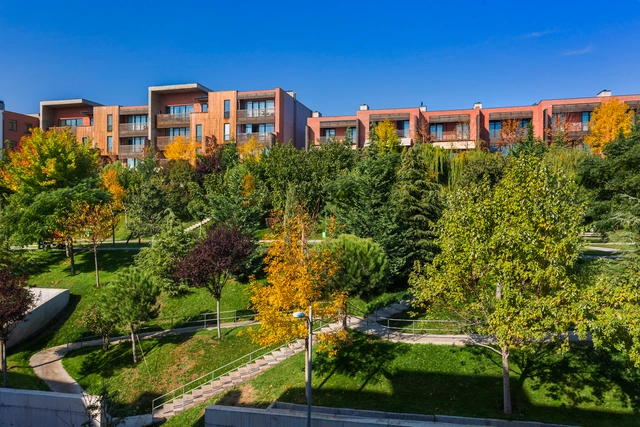
Architects and developers have always been on opposite ends of the construction world. While the first wanted to create dreamy spaces, the latter just wanted to cater to the basic needs. In these past few years, the world has witnessed significant changes, with the aggravation of climate-related issues, the evolution of technological solutions, and the newly acquired awareness and growth of the population.
While everything is transforming, building trends also evolved, mainly due to an alteration in people’s perceptions and priorities. However, one question remains unanswered: Could all these changes mean that the never-ending conflict between architects and developers reached some sort of common grounds? And could they finally be seeking one same goal, of a sustainable, resilient and inclusive future?
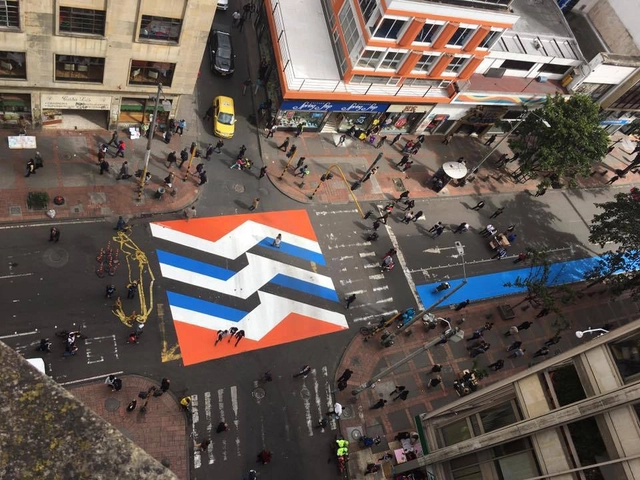
Tactical urbanism, a practice that has gained prominence in recent years, has proven to be an appealing strategy for activist collectives, architects, urban planners, and designers worldwide. By proposing low-cost, micro-scale, targeted urban interventions, it aims to promote the right to the city. This approach to thinking about public spaces in the city operates through a non-hierarchical logic, where civil society (whether or not in collaboration with the state and/or private enterprises) proposes alternatives to the traditional design process in the urban sphere.

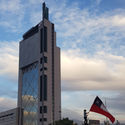
Regardless of where you live or work or who you’re friends with, you usually move around the same neighbourhoods and streets of your city. It may be London, Santiago, Shanghai, or Moscow, but in any of these places, there are always districts you have never set a foot in. Have you ever considered how many ‘cities’ are within your own city?
A research article published in The Royal Society Open Science and signed by Chilean researchers utilizes big data to analyze and visualize urban segregation, delivering spatial tools that allow us to develop strategies in a city of many cities. "We know there are [social] bubbles in Santiago, Chile, and that therefore, there is segregation," says Teodoro Dannemann, co-author of the research paper The time geography of segregation during working hours, in a conversation with ArchDaily. “We know that each person explores only a small fraction of the city, which is basically the home-work trajectory. This implies that we only engage with a small group of citizens," he adds.
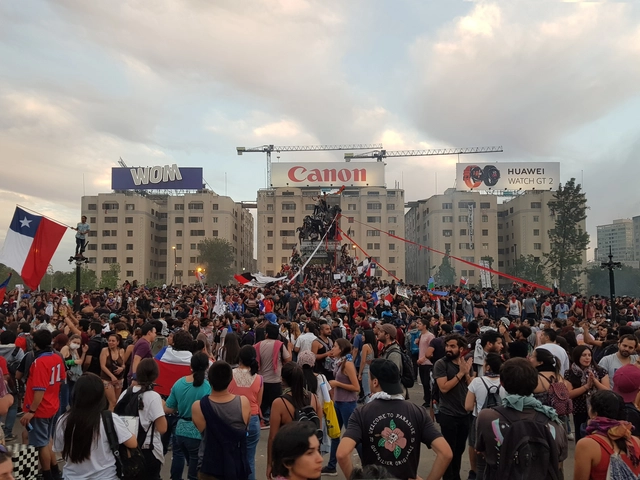
This article was originally published in ArchDaily en Español last October 30, twelve days after the social crisis in Chile escalated. Some ideas of the analysis may feel outdated since some structural reforms were recently announced, but the author decided to keep the original spirit of the piece.
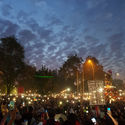
A 4 cent fair increase for the Metro in Santiago sparked mass fare-dodging protests in Chile starting on October 6. Alongside spontaneous street demonstrations, the protests spilled into widespread violence across Santiago during the following days until October 18. That day, the Metro network collapsed, the riots multiplied across the city, and looting and fires were out of control. That night, President Sebastian Piñera declared a state of emergency.





__by_Rinaldo_Olivieri__1973._Image_Iwan_Baan.jpg?1576526438)