
-
Architects: Archi-Union Architects
- Area: 2200 m²
- Year: 2018
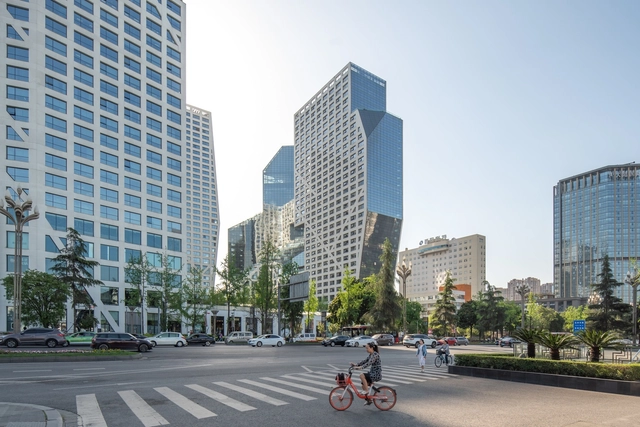
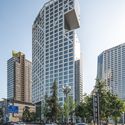
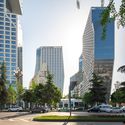
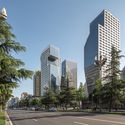
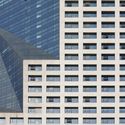
Architectural photographer Kris Provoost has published his latest series, on the subject of Steven Holl’s Sliced Porosity Block in Chengdu, China. Designed in 2007, and completed five years later, the scheme sought to break the standard typology of Chinese cities, bringing public interaction to new heights. Six years on from the building’s completion, Provoost captured the building immersed in the daily life of Chengdu citizens.

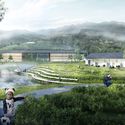
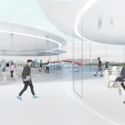
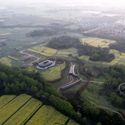
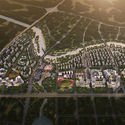
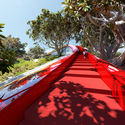
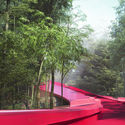
Construction has begun on the Loop of Wisdom in Chengdu, China, designed by Powerhouse Company. The red, walkable, curvy roof follows the landscape and twists through a lush, vivid park, promoting themes of health and beauty. The scheme will house the Exhibition and Reception Centers for the surrounding Unis Chip City masterplan, founded on the principles of people, nature, and technology.


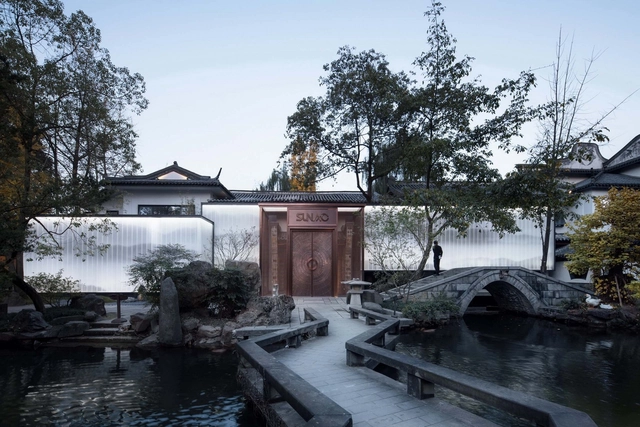

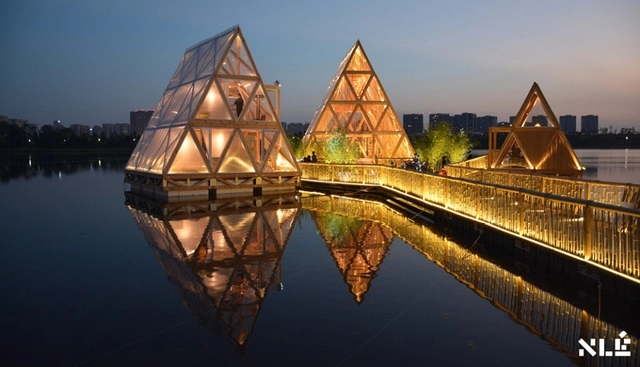
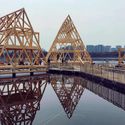
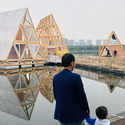
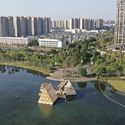
As part of a collaboration between the Centre Pompidou and the Mao Jihong Arts Foundation, the Cosmopolis #1.5: 'Enlarged Intelligence' exhibition features the developments of NLÉ Makoko Floating School. The Minjiang Floating System (MFS IIIx3), the fourth prototype and the third iteration of the prefabricated self-built system for water, investigates methods to counter the challenges posed by urbanization and climate change.
Earlier prototypes of the Makoko Floating School include the Waterfront Atlas (MFS II) launched in Venice, Italy and the Minne Floating School (MFS III) in Bruges, Belgium. The project, initially developed for the water in Lagos, is now usable in all these sites including the Jincheng Lake in Chengdu.
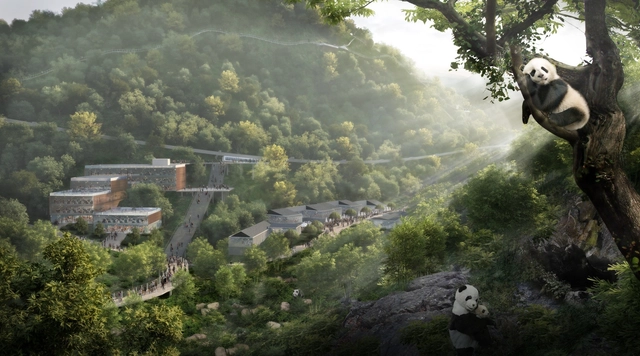
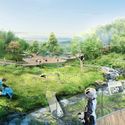
Sasaki has unveiled images of their proposed Chengdu Panda Reserve in China, intended to aid wildlife preservation efforts of the Chinese cultural icon. The masterplan for the reserve represents the launch of “China’s increasing communication, collaboration, and awareness of its pioneering strategies to protect the species and its native habitat.”
With only 1,800 left in the wild, the giant panda is one of the most vulnerable species on earth, and are native to only one region in the world: an area of western China near Chengdu. As one of the fastest-growing cities in the world, Chengdu’s rapid urbanization will yield to a 69-square-kilometer reserve, providing a framework for the protection of endangered species worldwide.
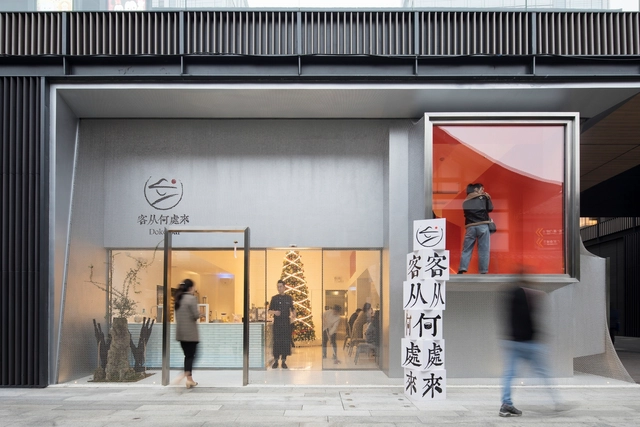

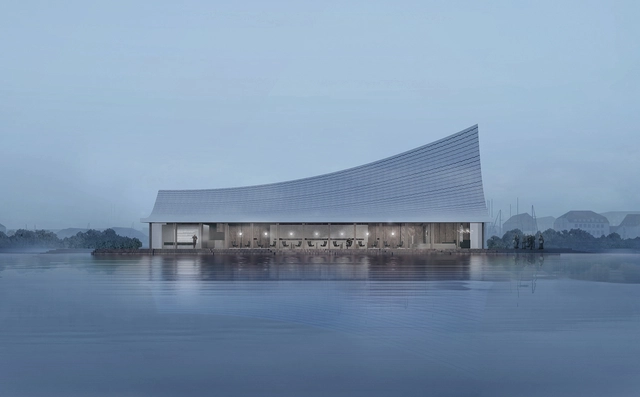
With 486 applicants and 249 conceptual plans received, MUDA-Architects stood out from the 20 finalists and won the first prize in "The Most Beautiful Bookstore in Chengdu" competition. The competition was sponsored by the Chengdu Tianfu New Area Investment Group, China Southwest Architectural Design and Research Institute, and co-sponsored by Chengdu Yi Zhu Yi Shi Culture Communication Ltd.

Space 4 Architecture's (S4A) proposal for a bookstore in Chengdu, China reflects the poetic beauty of floating lilies on water. The architects describe the project as a “permeable cultural container” that allows and encourages visitor interaction with the surrounding landscape. The design consists of a series of indoor and outdoor spaces that weave together a gentle intervention that mirrors and enhances the natural scenery it sits within.