1. ArchDaily
  2. Biennials

Biennials: The Latest Architecture and News

Subscriber Access

Designing Freedom / Luigi Prestinenza Puglisi for the Shenzhen Biennale (UABB) 2019

What happens when the sensor-imbued city acquires the ability to see – almost as if it had eyes? Ahead of the 2019 Shenzhen Biennale of Urbanism\Architecture (UABB), titled "Urban Interactions," ArchDaily is working with the curators of the "Eyes of the City" section at the Biennial to stimulate a discussion on how new technologies – and Artificial Intelligence in particular – might impact architecture and urban life. Here you can read the “Eyes of the City” curatorial statement by Carlo Ratti, the Politecnico di Torino and SCUT.

When the city has eyes to see, it will become the stuff of nightmares. The panopticon prophecy will come to life. Democracy will die.

The pretexts through which a thousand mechanisms that spy on us have been introduced into cities are three:

  • security from thieves, criminals and terrorists;
  • energy savings and performance optimization;
  • the possibility of having structures that spontaneously understand our needs, without any requests on our part.

Subscriber Access

Amateur Visual Forensics and the View from Nowhere / Dietmar Offenhuber for the Shenzhen Biennale (UABB) 2019

What happens when the sensor-imbued city acquires the ability to see – almost as if it had eyes? Ahead of the 2019 Shenzhen Biennale of Urbanism\Architecture (UABB), titled "Urban Interactions," ArchDaily is working with the curators of the "Eyes of the City" section at the Biennial to stimulate a discussion on how new technologies – and Artificial Intelligence in particular – might impact architecture and urban life. Here you can read the “Eyes of the City” curatorial statement by Carlo Ratti, the Politecnico di Torino and SCUT.

If the 1991 Gulf War marked the beginning of electronic media warfare, the recent armed conflicts in the Middle East have highlighted an equally central role of social media. Platforms such as Twitter and Facebook have long been used to galvanize protest movements, organize assemblies, and spread information. During the decade from the Arab Spring movement to the Syrian civil war, the role of social media has grown from a utilitarian infrastructure to the principal medium of conflict. Today’s version of Jean Baudrillard’s “war porn” comes as battleground footage recorded by smartphones and drones mixed with propaganda messages and pop culture references to computer games and internet memes. As documented by the journalist Abdel Bari Atwan, mercenary groups plan military operations according to their expected media impact on followers, opponents, and foreign funders. Sometimes, fights are entirely staged to collect persuasive footage.

Subscriber Access

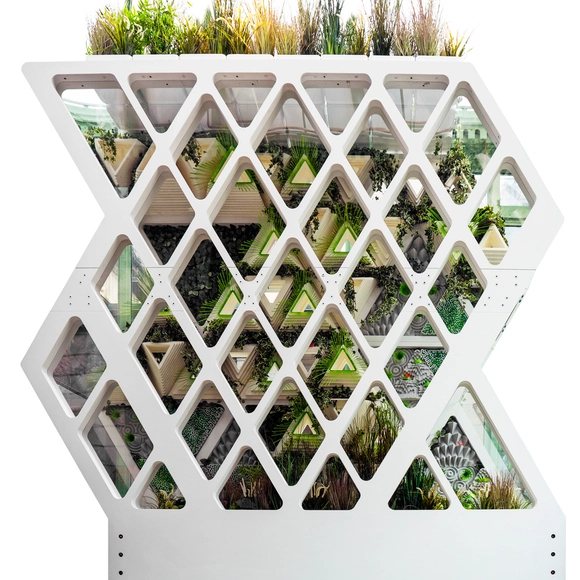
Material Balance: Blurring Matter, Senses and Meaning / Ingrid Paoletti for the Shenzhen Biennale (UABB) 2019

What happens when the sensor-imbued city acquires the ability to see – almost as if it had eyes? Ahead of the 2019 Shenzhen Biennale of Urbanism\Architecture (UABB), titled "Urban Interactions," ArchDaily is working with the curators of the "Eyes of the City" section at the Biennial to stimulate a discussion on how new technologies – and Artificial Intelligence in particular – might impact architecture and urban life. Here you can read the “Eyes of the City” curatorial statement by Carlo Ratti, the Politecnico di Torino and SCUT.

Nowadays materials are requested to play a more engaging role in the digital society.

They can be customized down to their molecular properties and this capacity has an enormous impact on related fields of science, but they also need to be interpreted in their meaning thanks to our ‘semantic capital’, as Luciano Floridi said.

We cannot reduce materials to their property and performances as, as humans, we use them to interpret the world, they are our continuously changing material culture to find an equilibrium between nature and built environment.

Subscriber Access

Biocities beyond the Digitial / Vicente Guallart for the Shenzhen Biennale (UABB) 2019

What happens when the sensor-imbued city acquires the ability to see – almost as if it had eyes? Ahead of the 2019 Shenzhen Biennale of Urbanism\Architecture (UABB), titled "Urban Interactions," ArchDaily is working with the curators of the "Eyes of the City" section at the Biennial to stimulate a discussion on how new technologies – and Artificial Intelligence in particular – might impact architecture and urban life. Here you can read the “Eyes of the City” curatorial statement by Carlo Ratti, the Politecnico di Torino and SCUT.

Thanks to the development of the digital world, cities can be part of natural history. This is our great challenge for the next few decades.

The digital revolution should allow us to promote an advanced, ecological and human world. Being digital was never the goal–it was a means to reinvent the world. But what kind of world?

Subscriber Access

Thoughts on Cities and the Human Body - Eyes and Ears of the City / ZHANG, (Brian) Li for the Shenzhen Biennale (UABB) 2019

What happens when the sensor-imbued city acquires the ability to see – almost as if it had eyes? Ahead of the 2019 Shenzhen Biennale of Urbanism\Architecture (UABB), titled "Urban Interactions," ArchDaily is working with the curators of the "Eyes of the City" section at the Biennial to stimulate a discussion on how new technologies – and Artificial Intelligence in particular – might impact architecture and urban life. Here you can read the “Eyes of the City” curatorial statement by Carlo Ratti, the Politecnico di Torino and SCUT.

The human body, at least in terms of anthropomorphic ideals, was in the centre of western architectural debates from Greco-Roman times up to the Renaissance. Although the very concept of the body didn't come as explicit in traditional architecture writing in the east, the notion that the body (or, the envelope of the soul) connects the mind and the physical world was constantly revisited and reinterpreted.

Subscriber Access

Invisible Architecture: the Necessity of Surprise - Eyes and Ears of the City / Ole Bouman for the Shenzhen Biennale (UABB) 2019

What happens when the sensor-imbued city acquires the ability to see – almost as if it had eyes? Ahead of the 2019 Shenzhen Biennale of Urbanism\Architecture (UABB), titled "Urban Interactions," ArchDaily is working with the curators of the "Eyes of the City" section at the Biennial to stimulate a discussion on how new technologies – and Artificial Intelligence in particular – might impact architecture and urban life. Here you can read the “Eyes of the City” curatorial statement by Carlo Ratti, the Politecnico di Torino and SCUT.

Mariana Pestana Curates the 5th Istanbul Design Biennial

The 5th Istanbul Design Biennial has unveiled it’s 2020 edition’s curator, with the election of Mariana Pestana, architect and curator to fill this position. The biennial, organized by the Istanbul Foundation for Culture and Arts (İKSV), will take place from the 26th of September till the 8th of November 2020.

Subscriber Access

The City To Be Deceived / Geoff Manaugh for the Shenzhen Biennale (UABB) 2019

What happens when the sensor-imbued city acquires the ability to see – almost as if it had eyes? Ahead of the 2019 Shenzhen Biennale of Urbanism\Architecture (UABB), titled "Urban Interactions," ArchDaily is working with the curators of the "Eyes of the City" section at the Biennial to stimulate a discussion on how new technologies – and Artificial Intelligence in particular – might impact architecture and urban life. Here you can read the “Eyes of the City” curatorial statement by Carlo Ratti, the Politecnico di Torino and SCUT.

Subscriber Access

Whose Eyes on the Street / Liu Jian for the Shenzhen Biennale (UABB) 2019

What happens when the sensor-imbued city acquires the ability to see – almost as if it had eyes? Ahead of the 2019 Shenzhen Biennale of Urbanism\Architecture (UABB), titled "Urban Interactions," ArchDaily is working with the curators of the "Eyes of the City" section at the Biennial to stimulate a discussion on how new technologies – and Artificial Intelligence in particular – might impact architecture and urban life. Here you can read the “Eyes of the City” curatorial statement by Carlo Ratti, the Politecnico di Torino and SCUT.

Subscriber Access

George Orwell x Leonardo da Vinci / Daan Roosegaarde for the Shenzhen Biennale (UABB) 2019

What happens when the sensor-imbued city acquires the ability to see – almost as if it had eyes? Ahead of the 2019 Shenzhen Biennale of Urbanism\Architecture (UABB), titled "Urban Interactions," ArchDaily is working with the curators of the "Eyes of the City" section at the Biennial to stimulate a discussion on how new technologies – and Artificial Intelligence in particular – might impact architecture and urban life. Here you can read the “Eyes of the City” curatorial statement by Carlo Ratti, the Politecnico di Torino and SCUT.

Subscriber Access

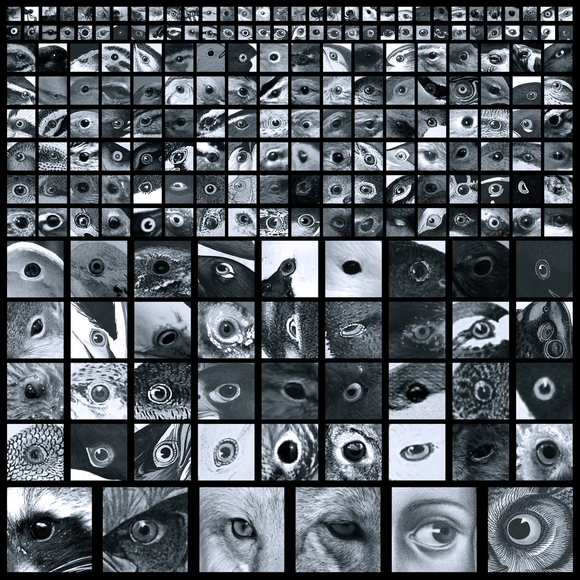
Urban Refuges and Interspecies Seeing / Sarah Mineko Ichioka for the Shenzhen Biennale (UABB) 2019

What happens when the sensor-imbued city acquires the ability to see – almost as if it had eyes? Ahead of the 2019 Shenzhen Biennale of Urbanism\Architecture (UABB), titled "Urban Interactions," ArchDaily is working with the curators of the "Eyes of the City" section at the Biennial to stimulate a discussion on how new technologies – and Artificial Intelligence in particular – might impact architecture and urban life. Here you can read the “Eyes of the City” curatorial statement by Carlo Ratti, the Politecnico di Torino and SCUT.

First, let me declare my unambiguous aversion to the envisioned future in which “any room, street or shop in our city can recognize you, and autonomously respond to your presence.” Despite this, can I see any positive potentials in pervasive systems of urban surveillance and response?

Subscriber Access

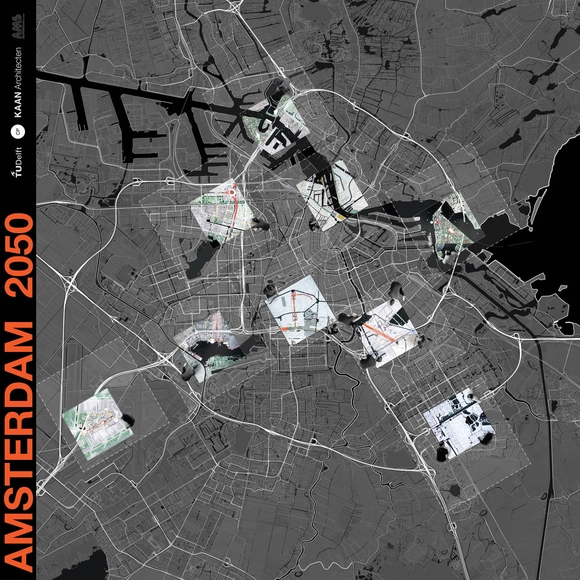
Listen to Change - Eyes and Ears of the City / Kees Kaan for the Shenzhen Biennale (UABB) 2019

What happens when the sensor-imbued city acquires the ability to see – almost as if it had eyes? Ahead of the 2019 Shenzhen Biennale of Urbanism\Architecture (UABB), titled "Urban Interactions," ArchDaily is working with the curators of the "Eyes of the City" section at the Biennial to stimulate a discussion on how new technologies – and Artificial Intelligence in particular – might impact architecture and urban life. Here you can read the “Eyes of the City” curatorial statement by Carlo Ratti, the Politecnico di Torino and SCUT.

Subscriber Access

Eyes of the City: Seeing and Designing Beyond the Human / Jeanne Gang for the Shenzhen Biennale (UABB) 2019

What happens when the sensor-imbued city acquires the ability to see – almost as if it had eyes? Ahead of the 2019 Shenzhen Biennale of Urbanism\Architecture (UABB), titled "Urban Interactions," ArchDaily is working with the curators of the "Eyes of the City" section at the Biennial to stimulate a discussion on how new technologies – and Artificial Intelligence in particular – might impact architecture and urban life. Here you can read the “Eyes of the City” curatorial statement by Carlo Ratti, the Politecnico di Torino and SCUT.

“We all live in an ecosystem; we just don’t know it. When it comes to urban areas, people have an ecological blind spot.” — Seth Magle, Director, Lincoln Park Zoo Urban Wildlife Institute, Chicago.

The advance of AI technologies can make it feel as if we know everything about our cities—as if all city dwellers are counted and accounted for, our urban existence fully monitored, mapped, and predicted.

Subscriber Access

A Happily Tracked Day / Ying Long for the Shenzhen Biennale (UABB) 2019

What happens when the sensor-imbued city acquires the ability to see – almost as if it had eyes? Ahead of the 2019 Shenzhen Biennale of Urbanism\Architecture (UABB), titled "Urban Interactions," ArchDaily is working with the curators of the "Eyes of the City" section at the Biennial to stimulate a discussion on how new technologies – and Artificial Intelligence in particular – might impact architecture and urban life. Here you can read the “Eyes of the City” curatorial statement by Carlo Ratti, the Politecnico di Torino and SCUT. If you are interested in taking part in the exhibition at UABB 2019, submit your proposal to the “Eyes of the City” Open Call by May 31st, 2019: www.eyesofthecity.net

We live in a world full of electric products, and we have been influenced by them deeply, especially by those with digital screens, like cell phones, computers and TVs. We use computers for work and social media like Twitter and WeChat to connect with others, we use Mobike for short-distance commutes, Dianping to navigate us to a good lunch and then Alipay to pay the bill. At the end of a long day, we usually spend the rest of our time watching TV or playing online games in order to finally relax. These electric products bring convenience to our life, but at the same time, they are kidnapping it. The overuse of them immerses us in a virtual world and pushes people farther apart. We are losing face-to-face communication and ignoring the enjoyment of real life. Currently, people are spending more time on their mobile phones than ever before. According to a report published by Aier in 2018, the average screen time in China is 6 hours per day, and the average person uses their cellphone 108 times. This mobile-dependency is leaving our lives increasingly fragmented. 

Subscriber Access

The Monarch Sanctuary / Mitchell Joachim for the Shenzhen Biennale (UABB) 2019

What happens when the sensor-imbued city acquires the ability to see – almost as if it had eyes? Ahead of the 2019 Shenzhen Biennale of Urbanism\Architecture (UABB), titled "Urban Interactions," ArchDaily is working with the curators of the "Eyes of the City" section at the Biennial to stimulate a discussion on how new technologies – and Artificial Intelligence in particular – might impact architecture and urban life. Here you can read the “Eyes of the City” curatorial statement by Carlo Ratti, the Politecnico di Torino and SCUT. If you are interested in taking part in the exhibition at UABB 2019, submit your proposal to the “Eyes of the City” Open Call by May 31st, 2019: www.eyesofthecity.net

Subscriber Access

Seoul City Machine / Liam Young for the Shenzhen Biennale (UABB) 2019

What happens when the sensor-imbued city acquires the ability to see – almost as if it had eyes? Ahead of the 2019 Shenzhen Biennale of Urbanism\Architecture (UABB), titled "Urban Interactions," ArchDaily is working with the curators of the "Eyes of the City" section at the Biennial to stimulate a discussion on how new technologies – and Artificial Intelligence in particular – might impact architecture and urban life. Here you can read the “Eyes of the City” curatorial statement by Carlo Ratti, the Politecnico di Torino and SCUT. If you are interested in taking part in the exhibition at UABB 2019, submit your proposal to the “Eyes of the City” Open Call by May 31st, 2019: www.eyesofthecity.net

Subscriber Access

Is the Internet Bringing Us to the Middle Ages? / Deyan Sudjic's Response to the Curatorial Statement of the Shenzhen Biennale(UABB) 2019

What happens when the sensor-imbued city acquires the ability to see – almost as if it had eyes? Ahead of the 2019 Shenzhen Biennale of Urbanism\Architecture (UABB), titled "Urban Interactions," ArchDaily is working with the curators of the "Eyes of the City" section at the Biennial to stimulate a discussion on how new technologies – and Artificial Intelligence in particular – might impact architecture and urban life. Here you can read the “Eyes of the City” curatorial statement by Carlo Ratti, the Politecnico di Torino and SCUT. If you are interested in taking part in the exhibition at UABB 2019, submit your proposal to the “Eyes of the City” Open Call by May 31st, 2019: www.eyesofthecity.net

Without the city, modernity could never have been invented.  What we are in the midst of discovering now is whether modernity can survive in a city transformed by the digital revolution. The village may offer security and community, but what it does not allow its inhabitants is the possibility of being different, a phenomenon that is as true now as it was during the witch-burning era. 

Subscriber Access

The Extraction Infrastructure Web / J. Meejin Yoon's Response to Curatorial Statement at Shenzhen Biennale (UABB) 2019

What happens when the sensor-imbued city acquires the ability to see – almost as if it had eyes? Ahead of the 2019 Shenzhen Biennale of Urbanism\Architecture (UABB), titled "Urban Interactions". ArchDaily is working with the curators of the "Eyes of the City" section at UABB 2019 to set up a discussion on how new technologies - and Artificial Intelligence in particular - might impact architecture and urban life. Here you can read the “Eyes of the City” curatorial statement by Carlo Ratti, Politecnico di Torino, and SCUT. If you are interested in taking part in the exhibition at UABB 2019, submit your proposal to the “Eyes of the City” open call until May 31st, 2019: www.eyesofthecity.net

Urban development has intensified the development of a national landscape of energy production – a territory that could be called the ‘extraction infrastructure web’. This landscape exists out of sight; obfuscated by a complex distribution of corporate, government and environmental databases. The city benefits from the energy network, while averting its gaze from the social and environmental consequences of the flow of energy from the territories of extraction to the metropolis.