1. ArchDaily
  2. Africa

Africa: The Latest Architecture and News

Subscriber Access

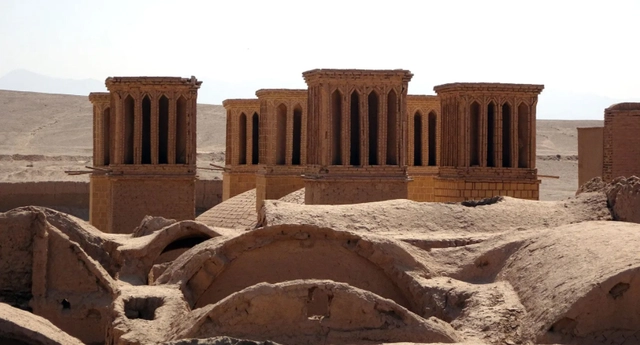
What is a Traditional Windcatcher?

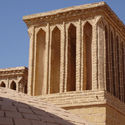
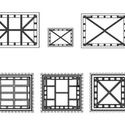
Before fossil-fuel powered air-conditioning became widely available, people living in harsh climates had nothing but natural means to ventilate their spaces and control the interior temperature. To do so, they took into account several external factors such as their location, orientation with respect to the sun and wind, their area's climate conditions, and local materials. In this article, we explore how ancient civilizations in Western Asia and North Africa have used windcatchers to adapt to the region's harsh climate and provide passive cooling solutions that are still being used in contemporary architecture, proving that local approaches to climate adaptability are fundamental to the development of today's built environment.

What is a Traditional Windcatcher?  - Image 1 of 4What is a Traditional Windcatcher?  - Image 2 of 4What is a Traditional Windcatcher?  - Image 3 of 4What is a Traditional Windcatcher?  - Image 4 of 4What is a Traditional Windcatcher?  - More Images+ 13

The Spatial Stories of Ousmane Sembène

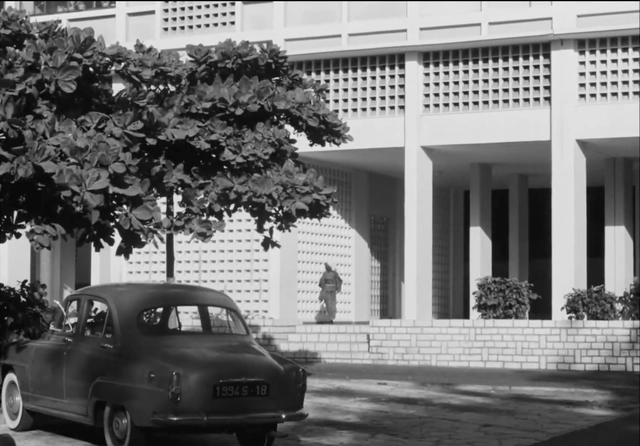
When examining the world of African cinema, there are few names more prominent than that of Senegalese director Ousmane Sembène. His films ‘La Noire de…’ and ‘Mandabi’, released in 1966 and 1968 respectively, are films that tell evocative stories on the legacies of colonialism, identity, and immigration. And whilst these two films are relatively slow-spaced, ‘slice-of-life stories, they also offer a valuable spatial critique of the setting where the films are based, providing a helpful framework to understand the intricacies of the post-colonial African city, and the contrast between the African and European metropolises.

The Spatial Stories of Ousmane Sembène - Imagem 1 de 4The Spatial Stories of Ousmane Sembène - Imagem 2 de 4The Spatial Stories of Ousmane Sembène - Imagem 3 de 4The Spatial Stories of Ousmane Sembène - Imagem 4 de 4The Spatial Stories of Ousmane Sembène - More Images+ 8

How "Smarter" Cities Can Exacerbate Inequity

The urban metropolises of our planet are home to an abundance of stories. They are home to stories of wealth, of innovation, and of architectural marvels. They are home, too, to stories of inequality, inequity and of urban divides – places where one’s income determines the quality of the spatial environment around them. Within these stories has developed an increasing advocation for making cities “smarter”, the goal being to use data and digital technology to build more efficient and convenient urban environments.

How "Smarter" Cities Can Exacerbate Inequity - Imagen 1 de 4How "Smarter" Cities Can Exacerbate Inequity - Imagen 2 de 4How "Smarter" Cities Can Exacerbate Inequity - Imagen 3 de 4How "Smarter" Cities Can Exacerbate Inequity - Imagen 4 de 4How Smarter Cities Can Exacerbate Inequity - More Images+ 5

Subscriber Access

Sub-Saharan Africa Architectural Guide: Exploring the Architecture of Bangui and Kinshasa

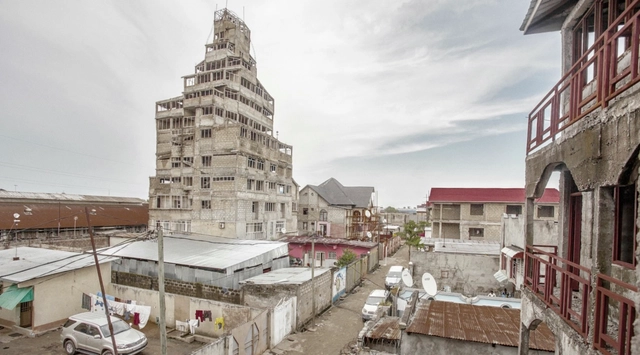
When we look at African architecture, we see the architectural diversity of a continent which has been shaped and moulded into its present form by a combination of internal and external factors. When we look at African architecture, there is also a tendency for certain regions to take precedence over other parts of the continent. The Tropical Modernist works of Maxwell Fry and Jane Drew in Ghana and Nigeria, for example, are extremely well documented. So is the extremely well-preserved colonial-era architecture of the Eritrean capital of Asmara. Yet, there seems to be parts of the continent that “slip under the radar” in African architectural conversations – and the book Architectural Guide: Sub Saharan Africa is a welcome addition to African architectural scholarship.

Subscriber Access

"Cultural Identity is Central to Architecture": In Conversation with Lesley Lokko

Questioning the new now, especially with the new challenges of Covid-19, around the world, cities are advocating for structural change and collective action. Berlin questions, an annual, multi-day conference and a platform for transdisciplinary dialogue, in its 2021 edition “Metropolis: The New Now”, tackled the immediate present, creating a place for debate. Dedicated to local solutions to global challenges, the event took on a hybrid format, at various locations in Berlin and online, resembling the world we live in.

ArchDaily had the chance to meet up with Lesley Lokko, architect, academic, and novelist at Berlin Questions, to discuss her talk “Africa as the lab for the future”, her visions for the future of architecture education and the future of big cities on a social, cultural and urban level.

Can Vernacular Architecture Be Exoticized?

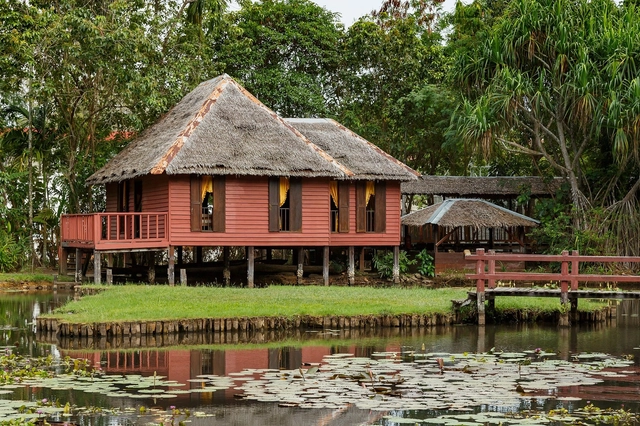
When we talk about vernacular architecture, we’re talking about an architectural style specific to a region – architecture that relies on the use of local knowledge and materials to construct buildings. It’s the Beehive Houses of Harran in Turkey, to the traditional Malay Houses found throughout southeast Asia. The vernacular architecture of various places continues to be a source of inspiration for contemporary architects, as they look to create sustainable architectural responses well-suited for their context.

Can Vernacular Architecture Be Exoticized?  - Image 1 of 4Can Vernacular Architecture Be Exoticized?  - Image 2 of 4Can Vernacular Architecture Be Exoticized?  - Image 3 of 4Can Vernacular Architecture Be Exoticized?  - Image 4 of 4Can Vernacular Architecture Be Exoticized?  - More Images+ 4

Subscriber Access

Local Expertise Versus Local Extraction: African Vernacular Architecture and a More Holistic Sustainability

Every year, in the hot, dry town of Djenné in Central Mali, something special takes place – La Fête de Crépissage. Roughly translated to the “Day of Plastering”, this day sees the entire community of Djenné collaborate to reinforce the mud walls of the Great Mosque of Djenné – a UNESCO World Heritage Site and one of the African continent’s most distinctive architectural landmarks.

Local Expertise Versus Local Extraction: African Vernacular Architecture and a More Holistic Sustainability  - Image 1 of 4Local Expertise Versus Local Extraction: African Vernacular Architecture and a More Holistic Sustainability  - Image 2 of 4Local Expertise Versus Local Extraction: African Vernacular Architecture and a More Holistic Sustainability  - Image 3 of 4Local Expertise Versus Local Extraction: African Vernacular Architecture and a More Holistic Sustainability  - Image 4 of 4Local Expertise Versus Local Extraction: African Vernacular Architecture and a More Holistic Sustainability  - More Images+ 5

African Urbanism: Preserving Cultural Heritage in the Age of Megacities

This article was originally published on Common Edge.

In spite of the lull in the global construction industry over the last couple of years, megacity projects in Africa have continued unabated, as new developments are springing up in major cities all over the continent. Though we’re inspired by the growth of modern African cities and the opportunities offered to city residents, we shouldn’t ignore their shortcomings, the glaring disconnect between the utopian visions of local city officials and the economic and cultural realities of the local populations who live here. Many questions whether these new cities could be built in other ways, or if Africans will ever have an alternative to the current model of placemaking, hodgepodge urbanism foisted on it, largely by colonialists.

A Climate Conversation: The Role of Architecture in Shaping a Sustainable African Future

When we think of migration, we think of movement. We think of the movement of people simply looking for greener pastures – a better life for themselves. But we also think of war, of conflict, of an unstable situation in a specific place forcing the hand of a location’s residents to seek safety elsewhere. Historically and into present day, war has been the reason for the increased presence of refugees. Instability in places such as Syria, Iraq, or the Central African Republic have caused millions to flee their homes. Lurking amongst this migration due to conflict, however, is the migration of people at mercy of the changing environmental conditions of the Earth – climate migration.

A Climate Conversation: The Role of Architecture in Shaping a Sustainable African Future  - Image 1 of 4A Climate Conversation: The Role of Architecture in Shaping a Sustainable African Future  - Image 2 of 4A Climate Conversation: The Role of Architecture in Shaping a Sustainable African Future  - Image 3 of 4A Climate Conversation: The Role of Architecture in Shaping a Sustainable African Future  - Image 4 of 4A Climate Conversation: The Role of Architecture in Shaping a Sustainable African Future  - More Images+ 4

Adjaye Associates Reveals Design of The Africa Institute in Sharjah, UAE

Adjaye Associates has unveiled the design of The Africa Institute, the first center of its kind dedicated to the advanced study and research of Africa and the African diaspora living in the Arab world. The 31,882-square-meter campus will be built in downtown Sharjah, UAE, and will "introduce an entirely new type of thinking and mission into the global academic arena".

Adjaye Associates Reveals Design of The Africa Institute in Sharjah, UAE - Image 1 of 4Adjaye Associates Reveals Design of The Africa Institute in Sharjah, UAE - Image 2 of 4Adjaye Associates Reveals Design of The Africa Institute in Sharjah, UAE - Image 3 of 4Adjaye Associates Reveals Design of The Africa Institute in Sharjah, UAE - Image 4 of 4Adjaye Associates Reveals Design of The Africa Institute in Sharjah, UAE - More Images+ 6

The Pervasive Influence of Swahili Architecture

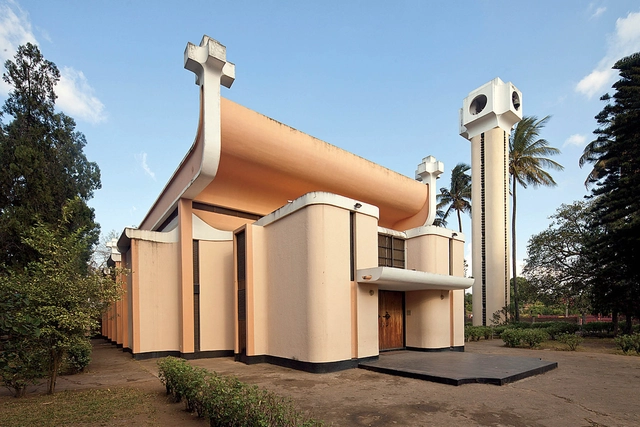
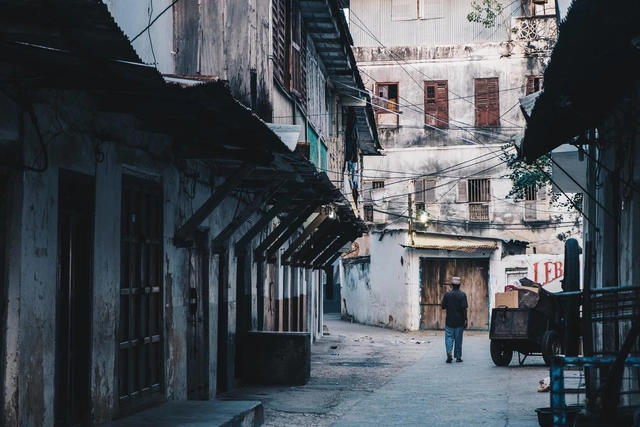
The African continent has been - throughout history – a key player in the ever-evolving story of human migration. Cultures and customs have been shared, adapted, and re-imagined as a result of this movement of populaces, and architectural styles are no exception. In a way, the varied architecture present in Africa is a lens one can look at to understand the intricacies of migration. Present on the continent are ancient indigenous and building typologies born out of the organic assimilation of cultures. Also present are remnants of colonial architecture, a legacy not of voluntary migration, but of forced colonial imposition.

The Pervasive Influence of Swahili Architecture - 1 的图像 4The Pervasive Influence of Swahili Architecture - 2 的图像 4The Pervasive Influence of Swahili Architecture - 3 的图像 4The Pervasive Influence of Swahili Architecture - 4 的图像 4The Pervasive Influence of Swahili Architecture - More Images+ 12

Subscriber Access

Pancho Guedes, Sculpting a New Africa

Amancio d'Alpoim Miranda Guedes, known as Pancho Guedes was an architect, painter, sculptor, and educator that is revered as one of the earliest post-modernist architects in Africa. Throughout his career, he has contributed to more than 500 building designs which were often characterized as eclectic, bringing together Lusophone African influence with his unique surrealist and experimental artistic style. It is said that having worked mainly in Mozambique, Angola, South Africa, and Portugal, Pancho Guedes was less well known than he ought to have been in the rest of the world, as he is a leading figure in modern African architecture.

Pancho Guedes, Sculpting a New Africa - Image 1 of 4Pancho Guedes, Sculpting a New Africa - Image 2 of 4Pancho Guedes, Sculpting a New Africa - Image 3 of 4Pancho Guedes, Sculpting a New Africa - Image 4 of 4Pancho Guedes, Sculpting a New Africa - More Images+ 27

Subscriber Access

A Balancing Act: How Architectural Tourism Can Be More Sustainable

The world of travelling is a multifaceted one. There are the everyday trips one takes for work or school, commuting to a set location during the week, usually within the confines of a city. There are the longer trips too, the trips which usually involve getting into an aeroplane to visit someplace a bit farther from where the traveller usually resides. These trips are frequently done for business purposes, but for those who have the means to afford it, these trips are undertaken for learning and leisure – where the traveller can be defined as a “tourist”.

A Balancing Act: How Architectural Tourism Can Be More Sustainable - Image 1 of 4A Balancing Act: How Architectural Tourism Can Be More Sustainable - Image 2 of 4A Balancing Act: How Architectural Tourism Can Be More Sustainable - Image 3 of 4A Balancing Act: How Architectural Tourism Can Be More Sustainable - Image 4 of 4A Balancing Act: How Architectural Tourism Can Be More Sustainable - More Images+ 6

Subscriber Access

Rural Frameworks: Ghana's New Spaces for Learning

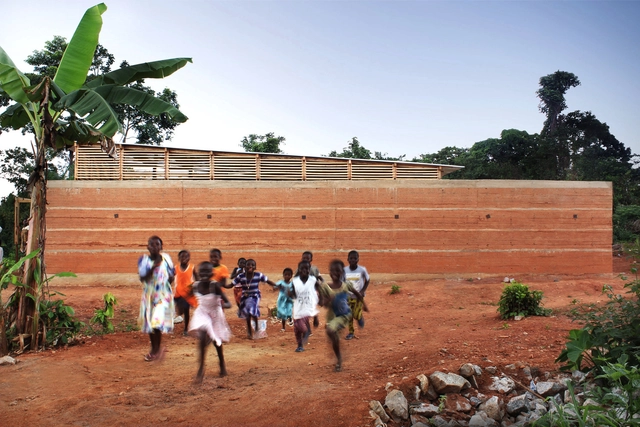
Ghana's architecture has long been tied to local building materials. From traditional thatch roofs and mud walls to contemporary concrete and glass structures, the country's built environment is a refection of the surrounding context. This is true for urban and rural projects alike, and as new educational buildings are created across Ghana, these spaces reflect the country's landscape as they look to the future of learning.

Rural Frameworks: Ghana's New Spaces for Learning - Image 1 of 4Rural Frameworks: Ghana's New Spaces for Learning - Image 2 of 4Rural Frameworks: Ghana's New Spaces for Learning - Image 3 of 4Rural Frameworks: Ghana's New Spaces for Learning - Image 4 of 4Rural Frameworks: Ghana's New Spaces for Learning - More Images+ 2

Beyond Human-Scale: Designing for Ecosystems, Migration and Machines

The human scale spans both physical dimensions and sensory perception. Designers create spaces and objects like steps, doorways and chairs that are closely aligned to human measurement and how we see the world. But as we look beyond the human scale, new ideas and typologies emerge that help us rethink how we conceptualize architecture and build for the future.

Beyond Human-Scale: Designing for Ecosystems, Migration and Machines - Image 1 of 4Beyond Human-Scale: Designing for Ecosystems, Migration and Machines - Image 2 of 4Beyond Human-Scale: Designing for Ecosystems, Migration and Machines - Image 3 of 4Beyond Human-Scale: Designing for Ecosystems, Migration and Machines - Image 4 of 4Beyond Human-Scale: Designing for Ecosystems, Migration and Machines - More Images+ 8

Subscriber Access

Divided: Urban Inequality in South Africa

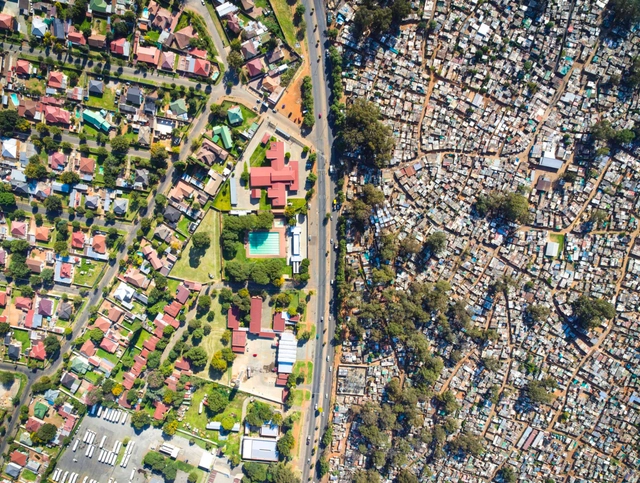
South Africa is an ever-evolving, dynamic country – which over the recent years has seen the emergence of landmarks that have achieved global recognition. In Cape Town, there’s the distinctive elevation of Heatherwick Studio’s Zeitz Museum of Contemporary Art Africa. In South Africa’s Western Cape, there’s the free-flowing concrete roof of the Bosjes Chapel, designed by Steyn Studio. And, in a design only unveiled last year, there’s the granary-inspired Thabo Mbeki Presidential Library in Johannesburg, designed by 2021 RIBA Royal Gold Medal winner Sir David Adjaye.

Divided: Urban Inequality in South Africa - Image 1 of 4Divided: Urban Inequality in South Africa - Image 2 of 4Divided: Urban Inequality in South Africa - Image 3 of 4Divided: Urban Inequality in South Africa - Image 4 of 4Divided: Urban Inequality in South Africa - More Images+ 5

Francis Kéré Receives the 2021 Thomas Jefferson Foundation Medal in Architecture

Founder of the Berlin-based firm Kéré Architecture, Francis Kéré, has won the 2021 Thomas Jefferson Foundation Medal in Architecture. Presented by the University of Virginia and the Thomas Jefferson Foundation at Monticello, the award is one of four honors recognizing achievements in architecture, citizen leaderships, global innovation, and law. The Thomas Jefferson Foundation Medals recognize the exemplary contributions of recipients to the endeavors in which Jefferson excelled and held in high regard.

Francis Kéré Receives the 2021 Thomas Jefferson Foundation Medal in Architecture  - Image 1 of 4Francis Kéré Receives the 2021 Thomas Jefferson Foundation Medal in Architecture  - Image 2 of 4Francis Kéré Receives the 2021 Thomas Jefferson Foundation Medal in Architecture  - Image 3 of 4Francis Kéré Receives the 2021 Thomas Jefferson Foundation Medal in Architecture  - Image 4 of 4Francis Kéré Receives the 2021 Thomas Jefferson Foundation Medal in Architecture  - More Images+ 7

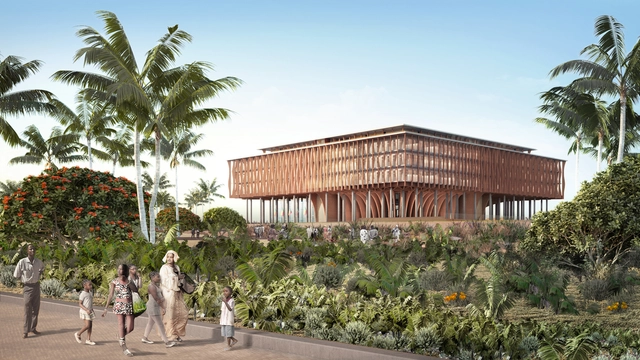
Kéré Architecture Proposes New Design for Benin's National Assembly in Porto-Novo

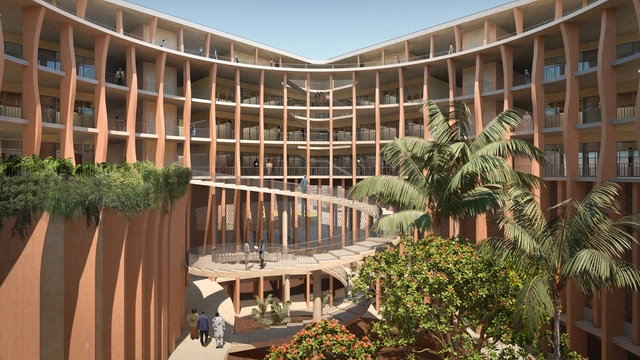
Kéré Architecture has unveiled first images of its proposal for the Benin National Assembly. Located in Porto-Novo, in the Republic of Benin, the Parliament House has been commissioned by the Ministry of Living Environment and Sustainable Development, and has been in the design phase from 2018 till 2020. Portraying the values of democracy and the cultural identity of the citizens, the project is set for construction in March 2021.

Kéré Architecture Proposes New Design for Benin's National Assembly in Porto-Novo - Image 1 of 4Kéré Architecture Proposes New Design for Benin's National Assembly in Porto-Novo - Image 2 of 4Kéré Architecture Proposes New Design for Benin's National Assembly in Porto-Novo - Image 3 of 4Kéré Architecture Proposes New Design for Benin's National Assembly in Porto-Novo - Image 4 of 4Kéré Architecture Proposes New Design for Benin's National Assembly in Porto-Novo - More Images+ 16