

-
Architects: Guillermo Tirado Gzz - Architects
- Area: 191 m²
- Year: 2018

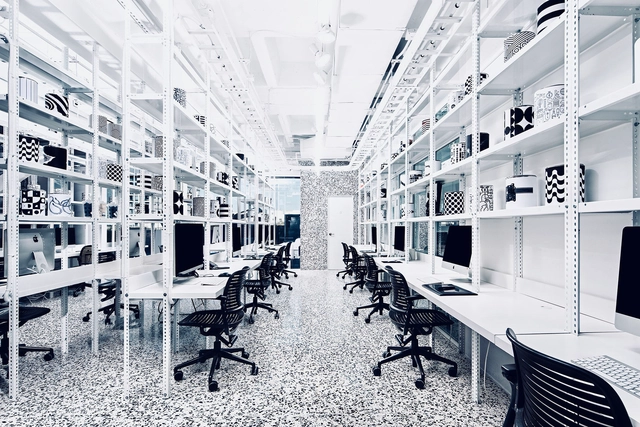
Terrazzo is made by combining a cement base (sand, water, and cement) with a mixture of ground minerals - like marble, granite, and quartz - and can be applied to almost any surface, vertical or horizontal. The technique, produced using a completely hand-crafted method, was used worldwide in the construction of modern buildings and is noted for its durability, resistance (to water and abrasion), and easy maintenance. This made it a go-to material in the creation of flooring for houses and the common areas of residential and office buildings.
Today, terrazzo is experiencing a revival as one of the key trends in contemporary architecture. Here, we will discuss the whats and hows of terrazzo and illustrate some of its uses in current projects.
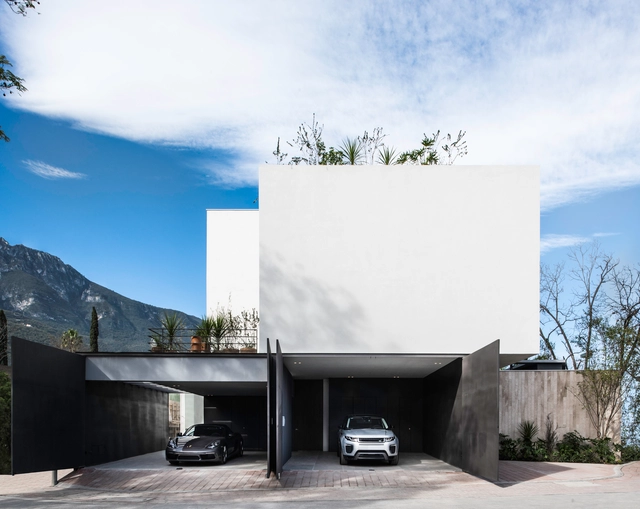

Urban design is a branch of design intimately related to urban planning and landscape architecture; it focuses broadly on interpreting the form and public space with physical-aesthetic-functional criteria. Different experts in the field such as Jane Jacobs, Denise Scott Brown, Robert Venturi, Jaime Lerner, Jan Gehl, Kevin Lynch have devoted themselves to studying the needs of urban societies within the common spaces to give adequate responses to different contexts. These questions are renewed with new generations and the public space is transformed according to technological advances but what always remains is the sense of belonging of these sites that are only successful when users adopt them as own.
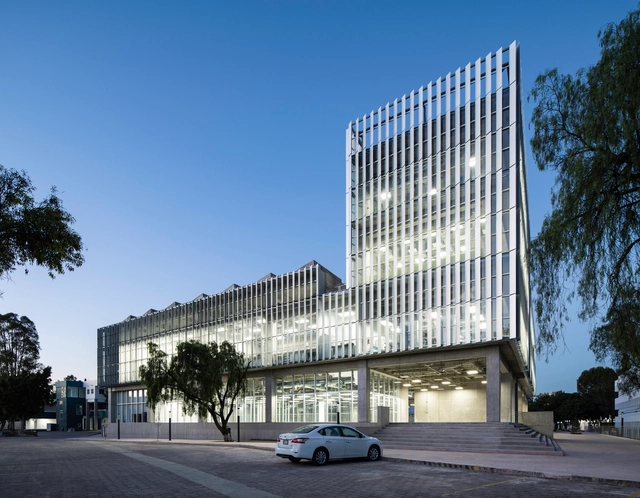

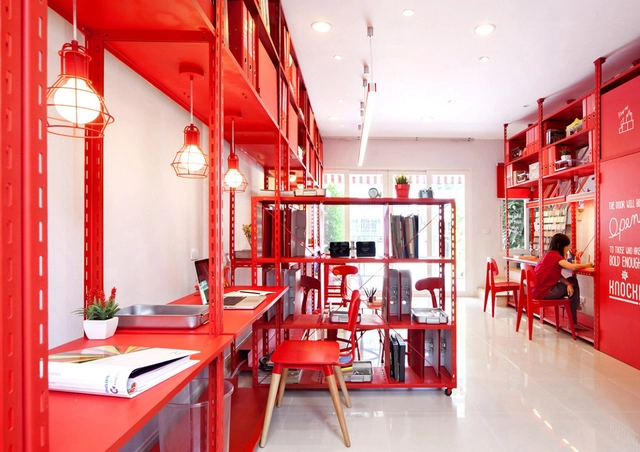
The functional distribution plays a fundamental role in the contemporary design of offices and places for work. The study of the architecture plan shows an interesting form of approach; not only allows for proper logistics and circulation but find efficient variations and innovations that will enable better workspaces that adapt to the current needs.
We have selected more than 50 plans of projects that will inspire you, recognizing the different ways in which architects have faced the challenge to design offices, in all different scale ranges.
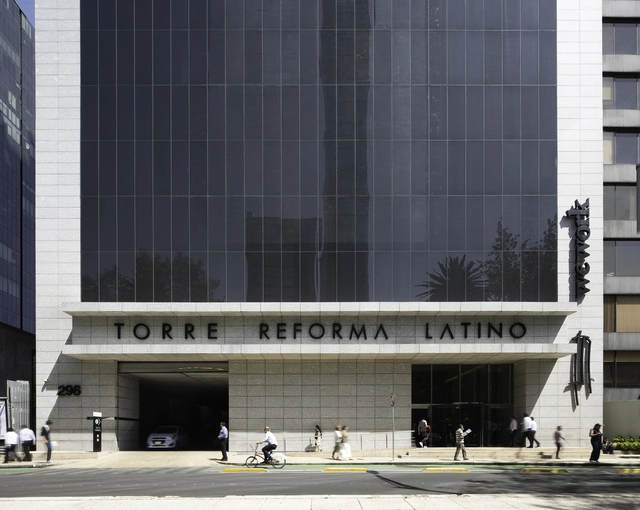
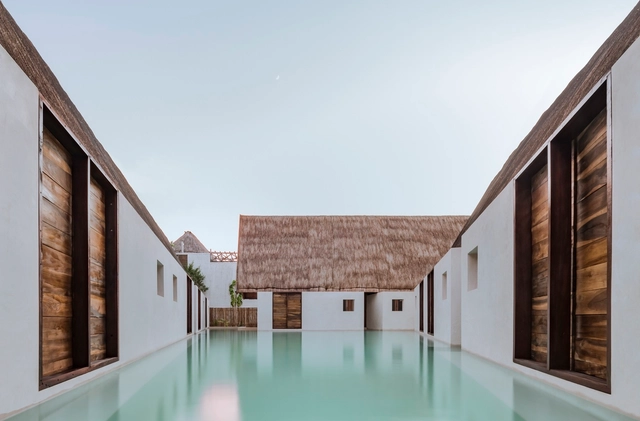
CEMEX has announced the Mexican winners of the 2018 CEMEX Building Award across its various categories, including Affordable Housing, Residential Housing, Building, Collective Space, and Infrastructure. This year's winners include projects from across Mexico, with each entry evaluated on comprehensive sustainability, architectural solution, structural solution, and construction process. Read on to discover the winning projects of this edition.