

-
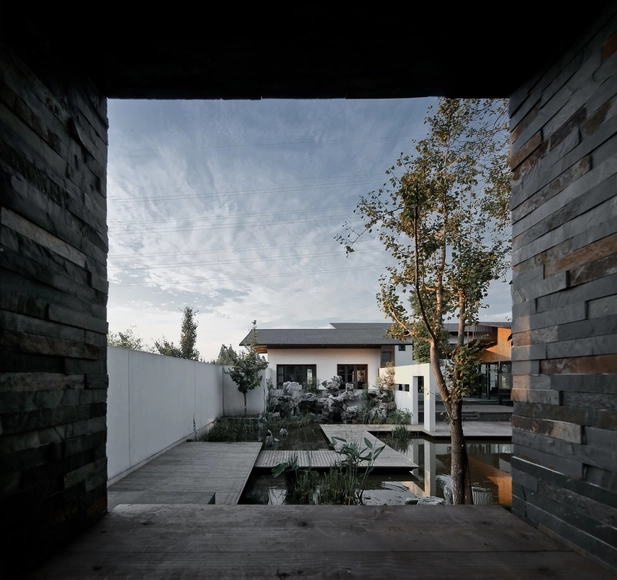
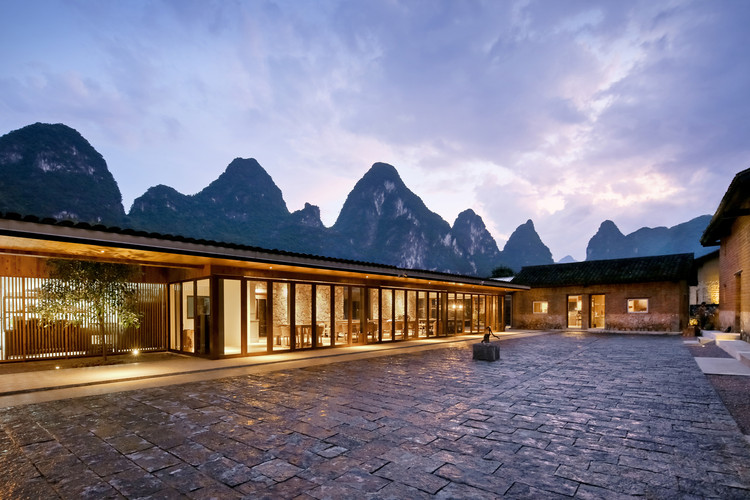
Architects: Atelier Lai
- Area: 650 m²
- Year: 2015
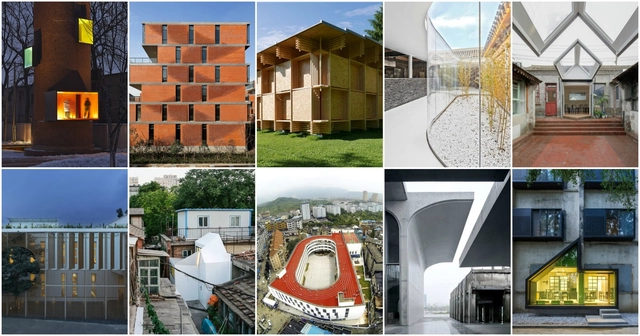
2016 has been a momentous year for Chinese architecture. From the completion of the Harbin Opera house by MAD to the Aga Khan Awards recognizing Zhang Ke of Standard Architecture for his micro-scale design of the Hutong Children’s Library and Art Centre in Beijing. It seems the general perception of Chinese architecture has finally moved beyond the big, weird and ugly.
Since we’ve started to branch out into China, the ArchDaily China team has been able to discover the rich layers beyond just these rising Chinese stars. As part of the country's large-scale urbanization process, last year, we posted some of the large-scale projects designed by China’s (largely unknown) Design & Research institutions such as train stations and cultural centers.
In addition, we’ve also come across a series of smaller, lesser known, younger practices that focuses more on small-scale experimental work. Here are our top ten favorites:
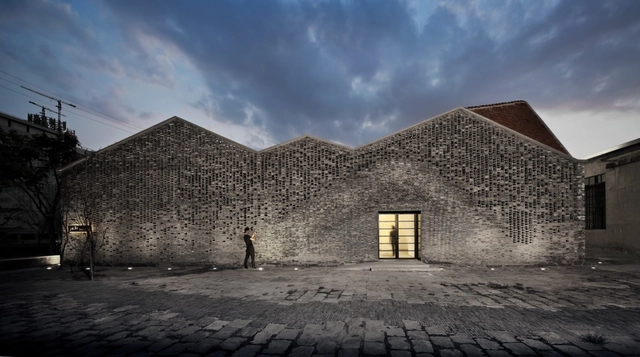
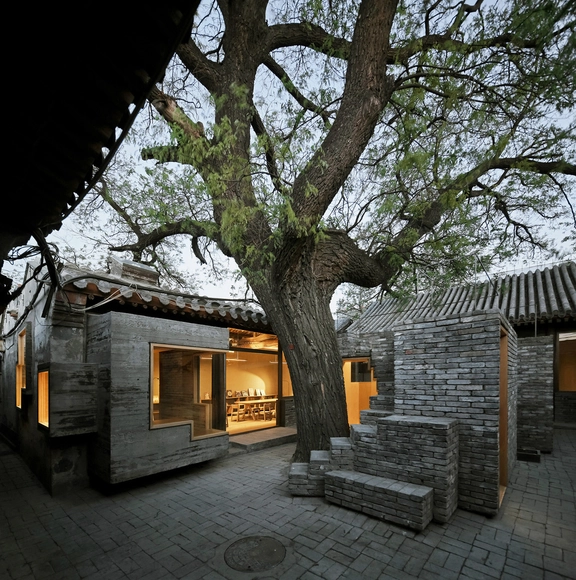
As an architect, no matter how much support you have got, you always feel you are fighting by yourself. – Zhang Ke
The recent turning point experienced by the Chinese economy will probably be treated in future studies as the sign of a new coming era in China. The slowest growth rate in 25 years has already caused profound echoes in the architectural field. As one of the three Chinese participants in the central exhibition, “Reporting from the Front,” at the 2016 Venice Architecture Biennale, in this interview architect Zhang Ke discusses his insight into the architectural front line in China, reflecting on architects’ social responsibilities and his vision of tomorrow’s Chinese architecture.
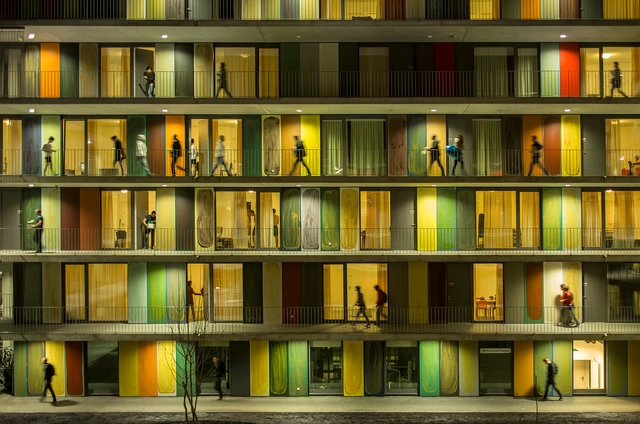
Fernando Guerra's stunning image of Richter Dahl Rocha & Associés' EPFL Quartier Nord in Ecublens, Switzerland, has won the Arcaid Images Architectural Photography Award. Announced at the ongoing World Architecture Festival (WAF) in Singapore, the image was selected by a panel of judges for its ability to "translate the sophistication of architecture into a readable and understandable two dimensions."
"The architecture itself is the focus and the image regarded only as the medium. The Arcaid Images Architectural Photography Award aims to put the focus onto the skill and creativity of the photographer," said the Award's organizers.
Each shortlisted image was judged on the merits of the photography for composition, sense of place, atmosphere and use of scale; Guerra had the highest scoring image overall.
"The high level of photography has made it a very difficult the task to choose the winners. The most important thing for us has been the concept and atmosphere of the images. How they have been perceived and expressed through the creativity and inspiration of the photographer," said architects and jury members Fabrizio Barozzi and Alberto Veiga.
The runners up included...
.jpg?1446499013&format=webp&width=640&height=580)
.jpg?1444654728&format=webp&width=640&height=580)

.jpg?1433216600&format=webp&width=640&height=580)
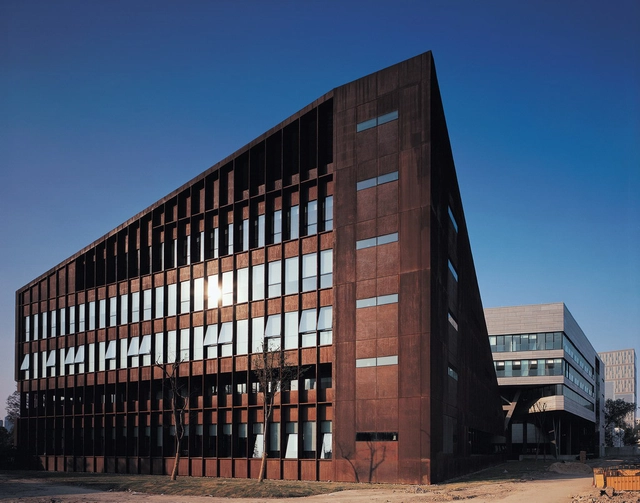
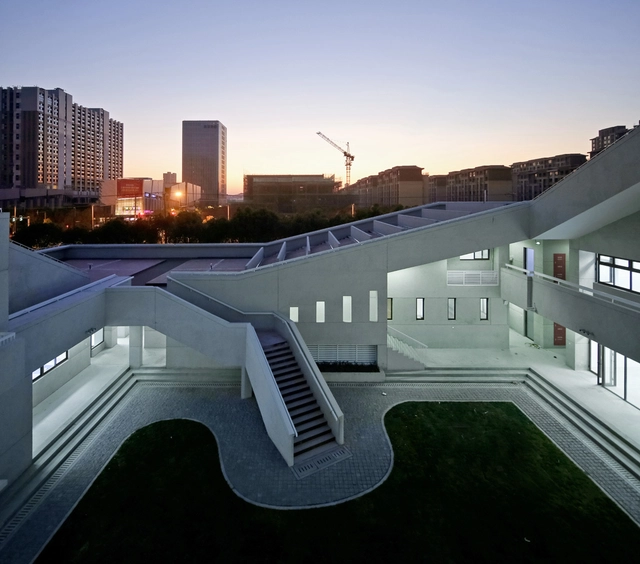
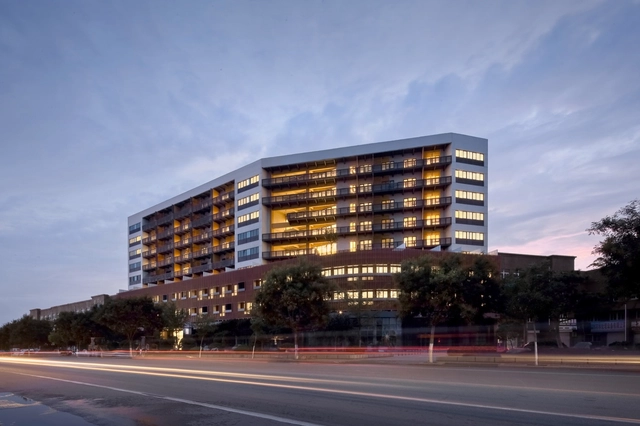
"It’s really easy to build a building. From the very beginning to the realization; it’s very easy! You just give it an interesting form and you get approved. But the real issues are how to make it user-friendly and to enhance the quality of the life of the people trying to escape the influence of the “system”. That’s the challenge. In my experience […] I’ve learned that for architects, both Chinese and foreign, the use of form to create an object is easy but how to do the right thing is very challenging."
- Zhang Bin, Shanghai, Sept 2013
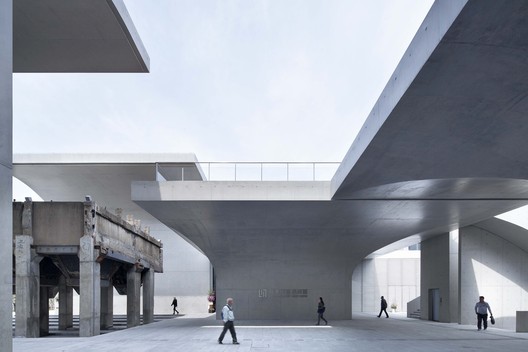
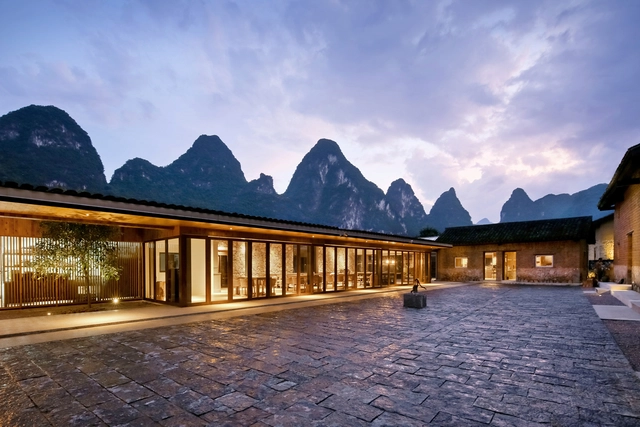
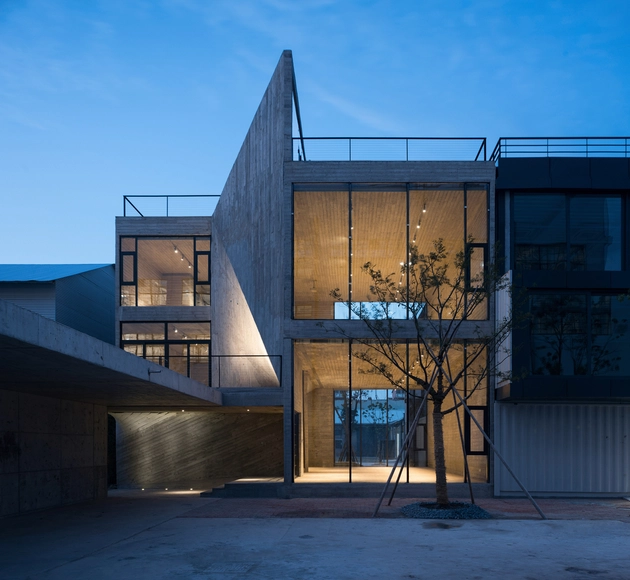
“We use two aspects to express architecture: Qing [emotion], Jing [pattern]. Jing is the architectural pattern that we apply, to certify the living and working style, to consider what our architecture can bring. Another thing is the relationship between architecture and the site, the city and nature. Ancient Chinese dwellings are usually enclosed by walls, creating an introverted space. This is the second aspect Qing, more related to traditional customs, aesthetics, and our attitude towards the environment and nature. The enclosed space originates from our interpretation of Qing. What we have captured about the ancient spirit of aesthetics is a kind of uncertainty, a kind of blurry and ambiguous feeling.”
- Chen Yifeng, Shanghai, 2013


.jpg?1480319636&format=webp&width=640&height=580)
.jpg?1480319912&format=webp&width=230&height=230&crop=true)
.jpg?1480319963&format=webp&width=230&height=230&crop=true)
.jpg?1480319262&format=webp&width=230&height=230&crop=true)
.jpg?1480318959&format=webp&width=230&height=230&crop=true)
.jpg?1480319636)


.jpg?1462728830&format=webp&width=230&height=230&crop=true)
.jpg?1462728774&format=webp&width=230&height=230&crop=true)





.jpg?1446499125&format=webp&width=230&height=230&crop=true)
.jpg?1446499077&format=webp&width=230&height=230&crop=true)
.jpg?1446499260&format=webp&width=230&height=230&crop=true)
.jpg?1446499554&format=webp&width=230&height=230&crop=true)
.jpg?1446499013)


.jpg?1444655387&format=webp&width=230&height=230&crop=true)
.jpg?1444655104&format=webp&width=230&height=230&crop=true)
.jpg?1444656102&format=webp&width=230&height=230&crop=true)
.jpg?1444656061&format=webp&width=230&height=230&crop=true)
.jpg?1444654728)


.jpg?1433216579&format=webp&width=230&height=230&crop=true)
.jpg?1433217035&format=webp&width=230&height=230&crop=true)
.jpg?1433216657&format=webp&width=230&height=230&crop=true)
.jpg?1433216416&format=webp&width=230&height=230&crop=true)
.jpg?1433216600)