


-
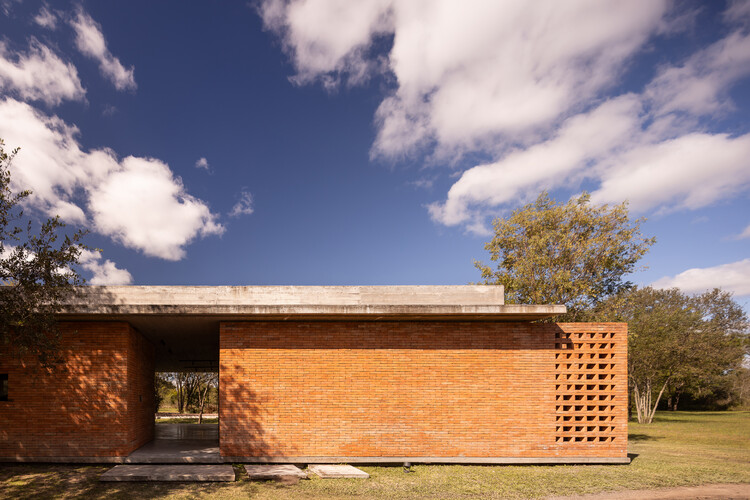
Architects: ODB Arquitectos
- Area: 440 m²
- Year: 2026

Over the last two weeks, the ArchDaily en Español community submitted more than 17,000 nominations, yielding 15 finalists that represent some of the most emblematic architectural works of the past year. Decided by its community, the 2026 Building of the Year Award—the most significant architecture prize in the Spanish-speaking world—exists to recognize the best of architecture across Spanish-speaking countries.
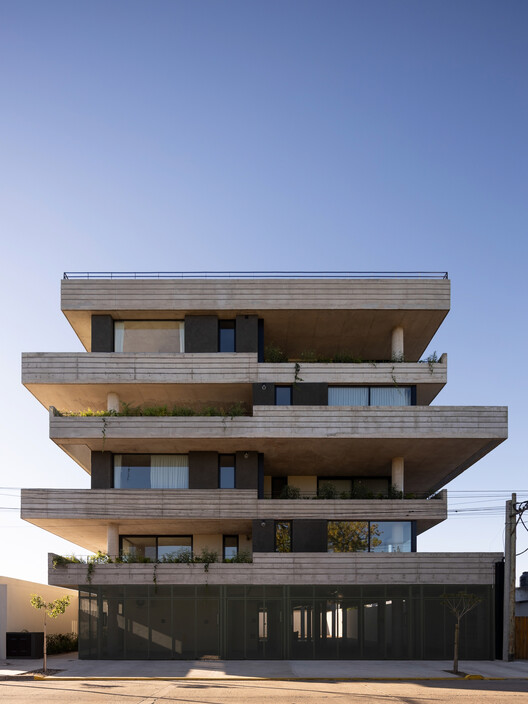
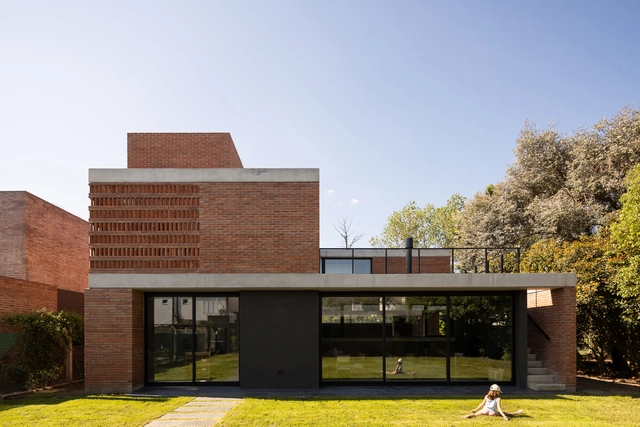
These 15 finalists, chosen by public vote in this 17th edition, showcase the breadth of recent Ibero-American production while highlighting shared shifts in contemporary practice: an architecture that prioritizes clear construction choices, operates within real-world constraints, and understands design as a way of adapting to specific contexts.

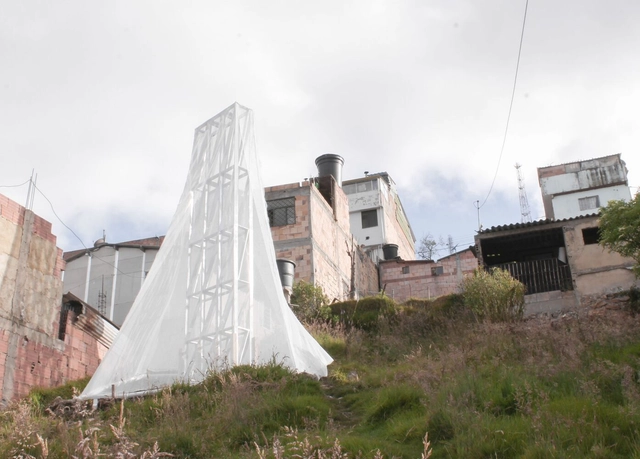
Year after year, organizations, government authorities, and other global entities face the challenge of implementing regulations and measures to address rising water scarcity: as of 2017, according to the World Health Organization, roughly 3 out of 10 people lacked access to safe drinking water at home, while 6 out of 10 lacked access to safely managed sanitation.

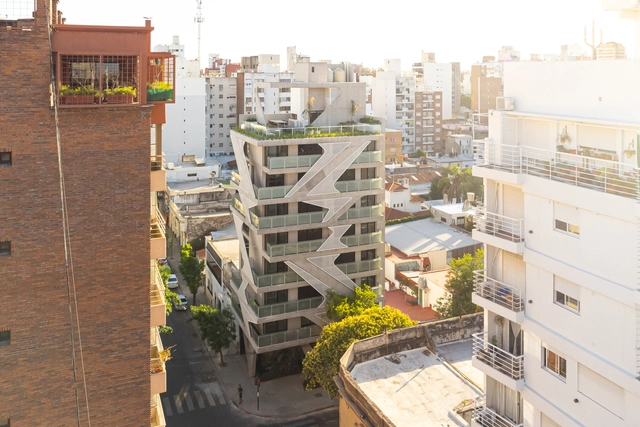
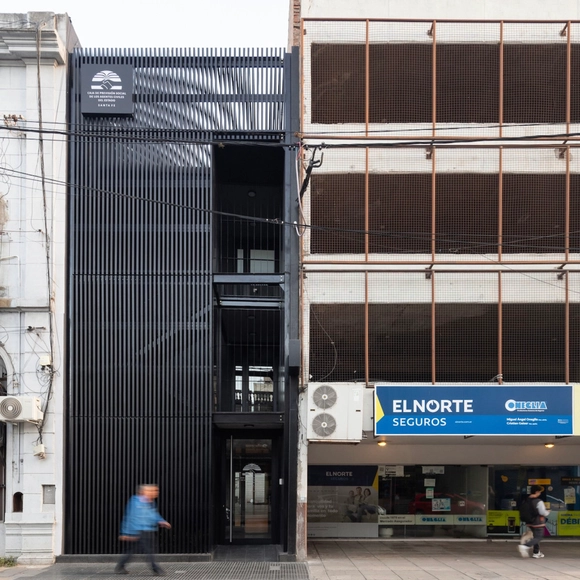

It is time to say goodbye to 2018 and look back at everything we have achieved. What captured our interest? What surprised us? What made an impact?
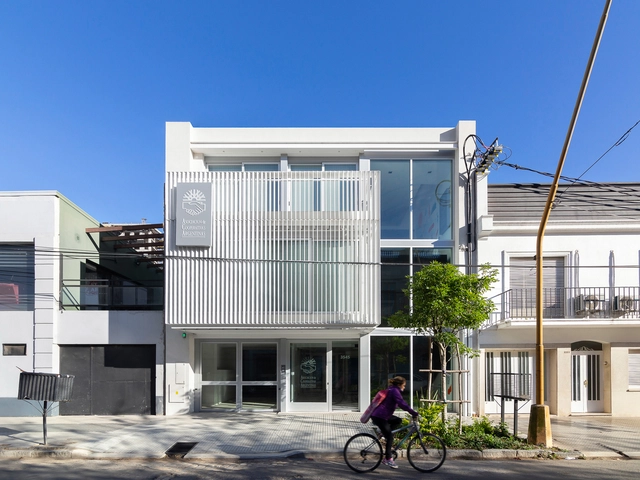
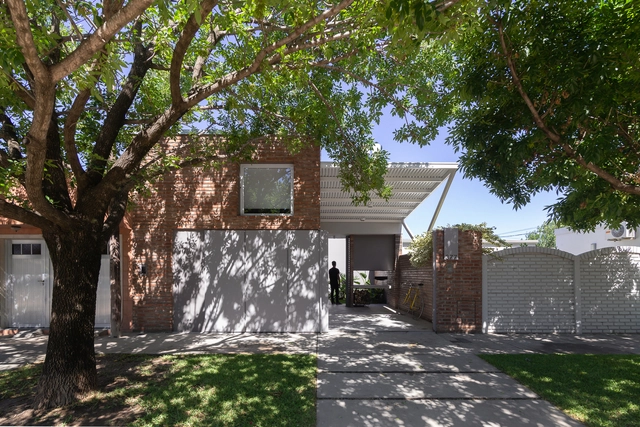
After presenting the best architecture of 2018, we decided to round up and highlight some of the Argentine projects that generated the most engagement on our social networks. Goodbye 2018, hello 2019.
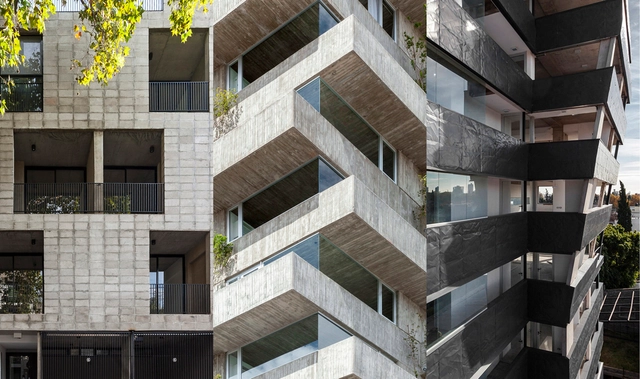
Between May 12 and 13, the annual architecture festival Open House—which originated in London and is now present in 34 cities worldwide—will hold its first edition in Rosario, Argentina.
Aimed at anyone interested in discovering or rediscovering the city's architecture and urbanism, the festival offers the opportunity to enter and tour a selection of private and public buildings of great cultural, historical, heritage, and architectural value, free of charge, during an open-door weekend.
Below is a list of participating buildings.

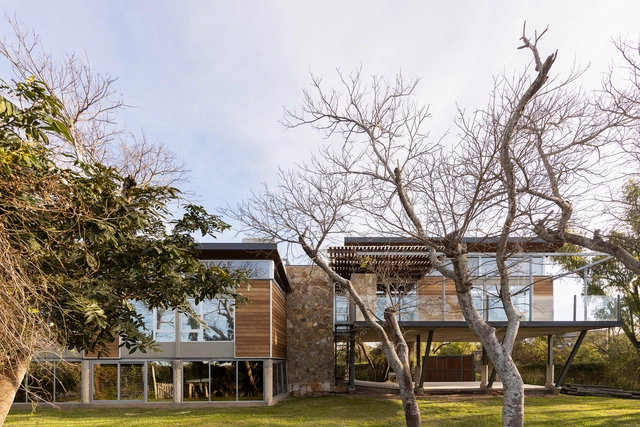
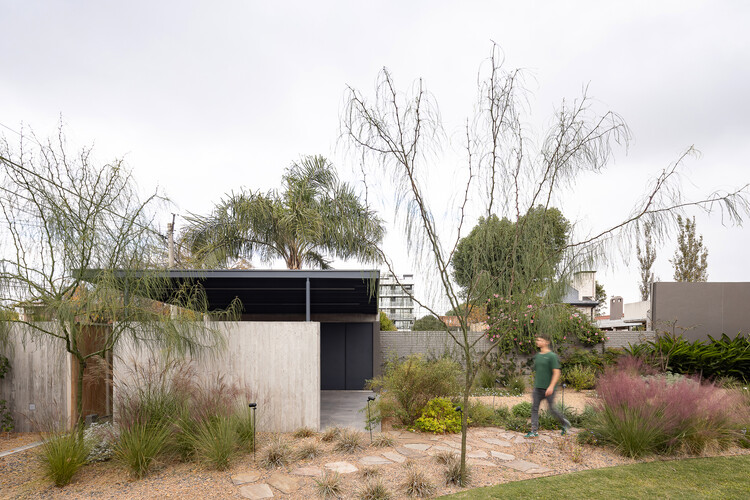
Trees are often the first things to vanish when construction starts. Clearing a site has long been one of architecture's most immediate acts, removing what already exists to make room for something new. When vegetation is preserved, it is typically treated as a secondary layer, added back as landscape rather than shaping the project itself.
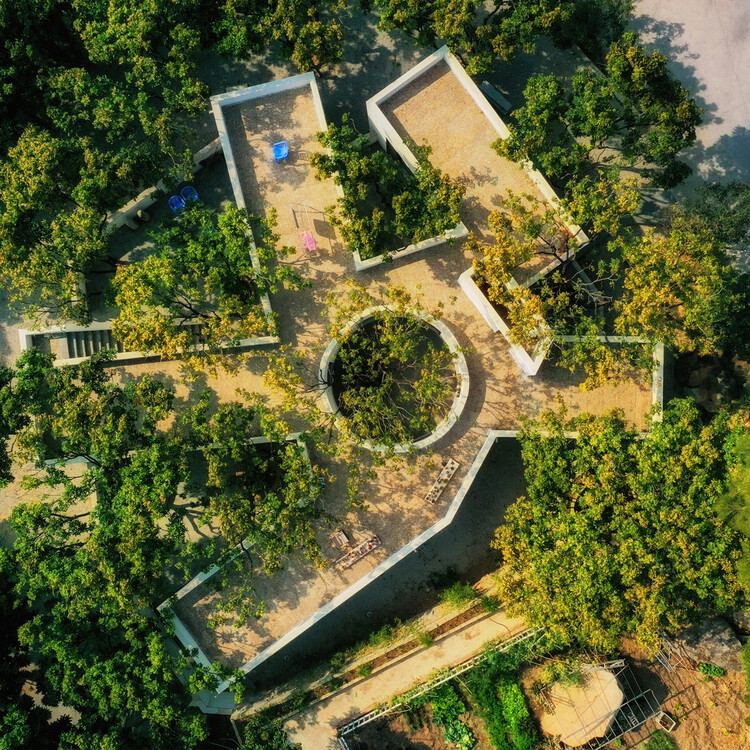
However, some projects begin elsewhere. Instead of starting from a blank site, they work with what is already there. Trees remain in place, not as elements to frame, but as conditions that influence how space is organized, how light enters, and how architecture takes form.
![House [Around] the Tree / otro estudio - Houses](https://snoopy.archdaily.com/images/archdaily/media/images/695e/2916/60cb/5200/01b8/fb78/slideshow/Casa__en__torno_al__rbol___Ramiro_Sosa__4_.jpg?1767778605&format=webp&width=640&height=580)
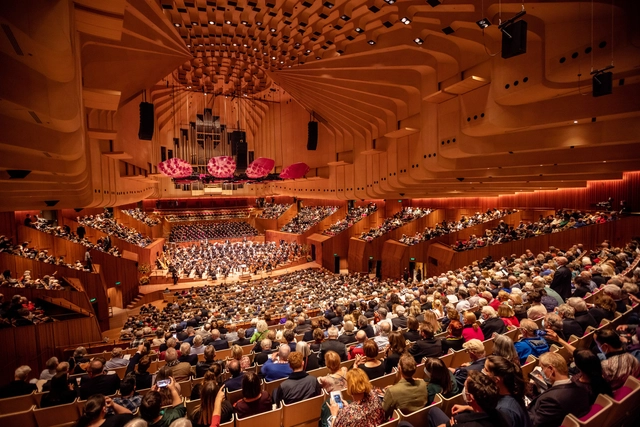
Theaters serve as cultural and social institutions, shaping society by providing spaces where stories of identity, race, and justice are brought to life. These venues foster community through shared, live experiences, sparking conversations that resonate beyond the stage. Architecturally, theaters are more than performance spaces—they are landmarks that embody both the history and future of the arts. Their design often reflects the cultural importance of storytelling, while their refurbishments ensure they remain relevant in a modern context.
In this week's AD Interior Focus, ArchDaily explores how the refurbishment of iconic theaters like the Royal Opera House in London, United Kingdom, and Sydney Opera House in Australia goes beyond modernizing comfort and accessibility. It delves into how these projects preserve the architectural integrity of these historic landmarks, ensuring their design continues to serve as a backdrop for both artistic expression and social discourse.














![House [Around] the Tree / otro estudio - More Images](https://images.adsttc.com/media/images/695e/2916/60cb/5200/01b8/fb78/newsletter/Casa__en__torno_al__rbol___Ramiro_Sosa__4_.jpg?1767778605)


