


-
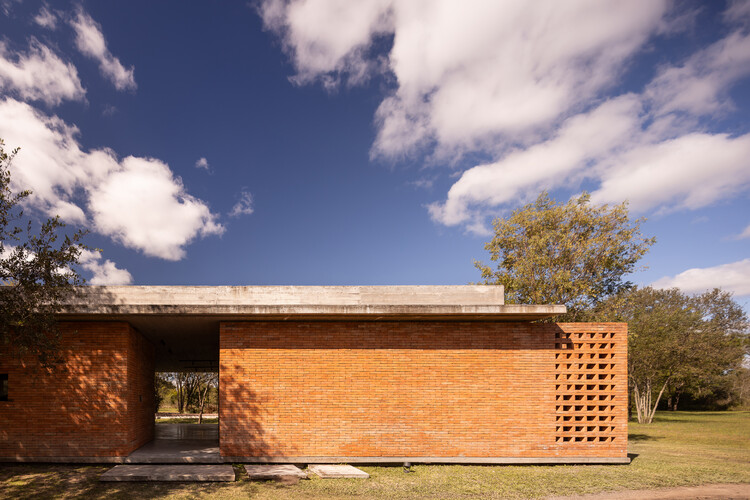
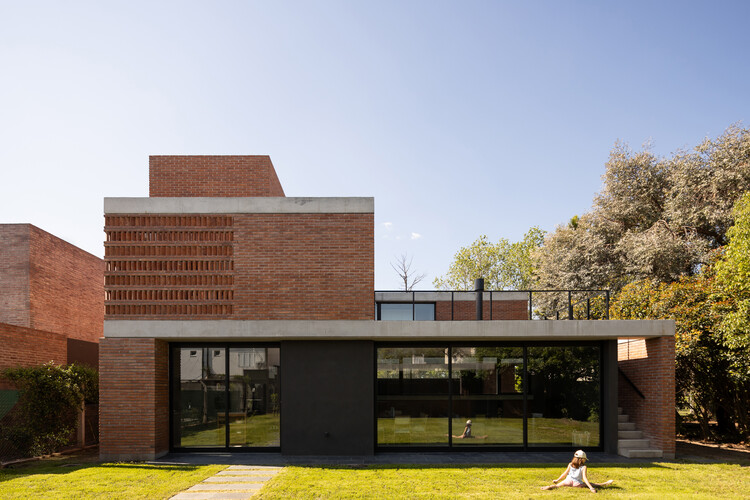
Architects: ODB Arquitectos
- Area: 440 m²
- Year: 2026

Over the last two weeks, the ArchDaily en Español community submitted more than 17,000 nominations, yielding 15 finalists that represent some of the most emblematic architectural works of the past year. Decided by its community, the 2026 Building of the Year Award—the most significant architecture prize in the Spanish-speaking world—exists to recognize the best of architecture across Spanish-speaking countries.
These 15 finalists, chosen by public vote in this 17th edition, showcase the breadth of recent Ibero-American production while highlighting shared shifts in contemporary practice: an architecture that prioritizes clear construction choices, operates within real-world constraints, and understands design as a way of adapting to specific contexts.

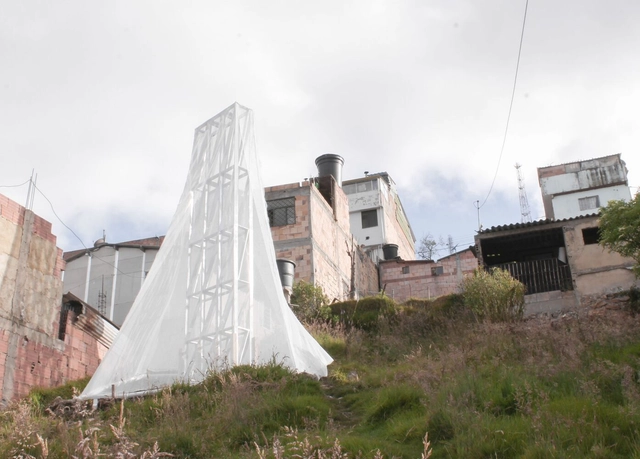
Year after year, organizations, government authorities, and other global entities face the challenge of implementing regulations and measures to address rising water scarcity: as of 2017, according to the World Health Organization, roughly 3 out of 10 people lacked access to safe drinking water at home, while 6 out of 10 lacked access to safely managed sanitation.

Recently, Airbnb has begun to approach the architectural field, both by offering unique experiences in world-renowned buildings and by creating Archibnb, a platform that offers hosts the option to create architectural floor plans.
Through these initiatives, guests from various locations have had the privilege of spending a night in places like the Great Wall of China, the Louvre Museum, or the LEGO House.
But if your destination is Latin America, specifically Argentina, you can now stay in exemplary works by architects including Norman Foster, Clorindo Testa, Jorge Ferrari Hardoy, Juan Kurchan, Fermín Bereterbide, and Luciano Kruk. Explore below the list of works available for booking in the country.
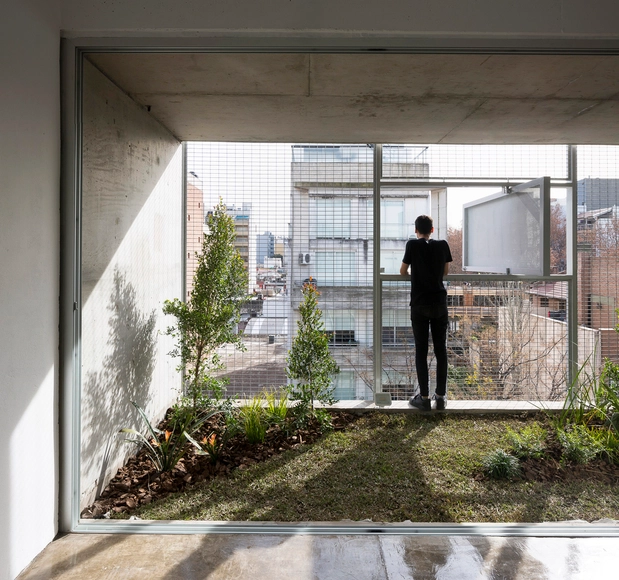
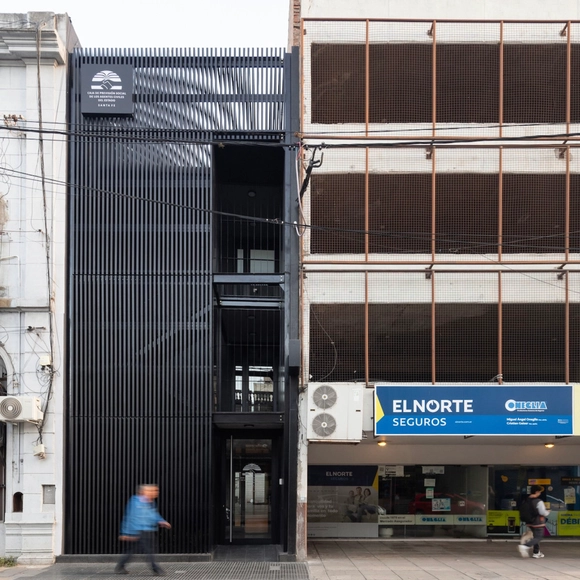
Siting a building in a city is no easy task. The quest for isolation and privacy within a complex, heterogeneous, and constantly changing urban space creates a dual condition during the design process. How can an urban building offer privacy and openness at the same time? Consequently, there arises a need for various control mechanisms to mediate between exterior and interior spaces, filtering sound, screening views, managing intimacy, and ensuring anonymity without losing the connection to the city.
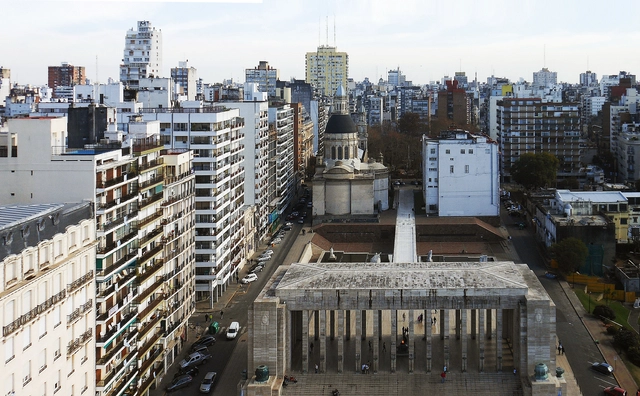
On May 11 and 12, Rosario will host the second consecutive edition of "Open House," an open-door architecture festival for anyone interested in discovering the city's architecture and urban design.
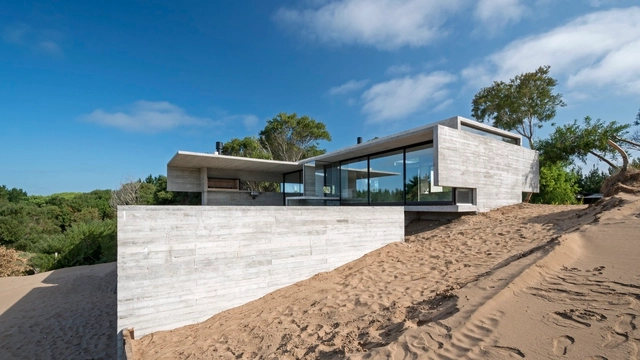
Building sandcastles on the beach is an ancient practice that allows us to dive deep into our imagination, ideas, and dreams. For many, it was likely our first approach to construction. Water and sand merge, transforming into space—something greater than the sum of its parts. While fortresses, bridges, and moats are a thing of the past for some, another typology has emerged to take their place: the house.
Below, we present a selection of Argentine houses built on sand dunes, designed by architects who turned castles into houses, sand into concrete, and dreams into reality.


.jpg?1589344172)










.jpg?1556847358&format=webp&width=230&height=230&crop=true)
.jpg?1556847671&format=webp&width=230&height=230&crop=true)


.jpg?1568261353&format=webp&width=230&height=230&crop=true)
.jpg?1568262404&format=webp&width=230&height=230&crop=true)
.jpg?1568262486&format=webp&width=230&height=230&crop=true)
.jpg?1568263584&format=webp&width=230&height=230&crop=true)


.jpg?1589344449&format=webp&width=230&height=230&crop=true)
.jpg?1589344655&format=webp&width=230&height=230&crop=true)
.jpg?1589344569&format=webp&width=230&height=230&crop=true)
.jpg?1589344172&format=webp&width=230&height=230&crop=true)
_-_copia.jpg?1589344963)


