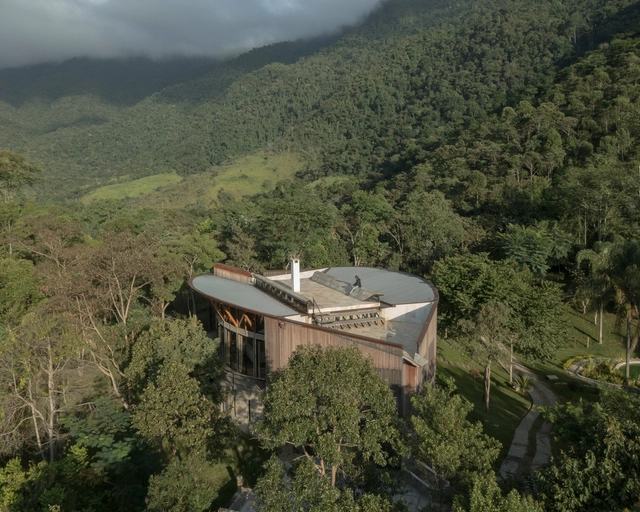
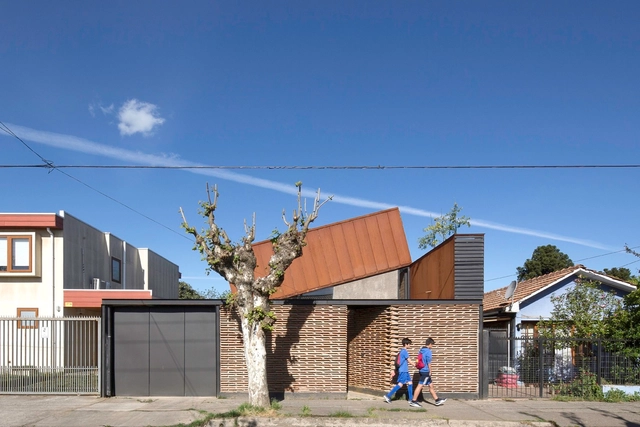
ArchDaily's curation team strives daily to present our readers with the most significant, inspiring, and innovative projects, expanding the knowledge and repertoire of students and architects worldwide. From small renovations to projects designed from scratch, residential architecture is a constant in the daily practice of most firms. Year after year, we see the deep interest this typology sparks: it remains the most popular category among our audience.
In August, the Colegio de Arquitectos de Chile celebrated its 81st anniversary at its National Headquarters in Santiago. To mark this anniversary, the 2023 CA Awards ceremony was held.
From the changing seasons to the users' interactions, there is almost an infinite set of facets of the architectural project that can be represented through film, and many photographers have entered into this dimension in different formats: documentaries, fixed camera, scripted performances or time-lapses, among others that you can browse in our video section.
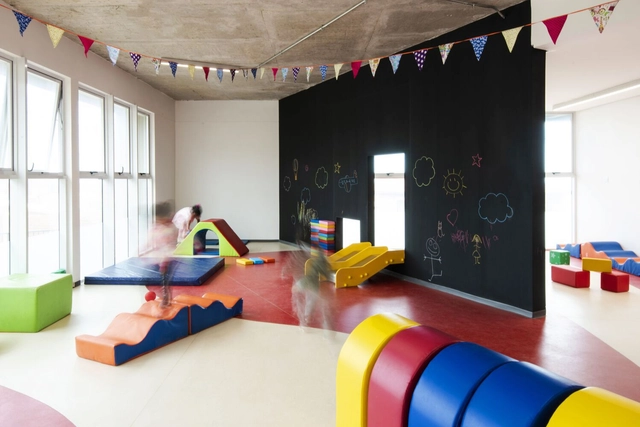
Preschool is more than just a place to leave young children; it is a space that allows them to connect with their imagination and senses through the colors, textures, and layout of their environment. In Chile, many architects have committed to translating these learning opportunities into the architecture itself.
From the recently built Golondrina Preschool and Nursery in Valparaíso to the renowned Bambú Preschool in Santiago,we present a selection of outstanding projects that leverage these attributes, enabling both children and educators to engage in their activities in dynamic and creative ways.
The Economist Intelligence Unit (EIU) released a new edition of its Global Liveability Index, announcing the world's most liveable cities in 2023. Vienna has topped the ranking in four of the last five years, thanks to its stability, cultural richness, entertainment options, and reliable infrastructure. Copenhagen, Denmark, held onto second place, while Melbourne and Sydney took third and fourth, respectively. These cities were regular fixtures at the top of the list prior to the pandemic.
What is the situation in Latin America? Buenos Aires once again emerged as the top Latin American city to live in. Santiago, Chile, reclaimed the second-place spot it held before the social unrest, while Montevideo, Uruguay, ranked third. San Juan, Puerto Rico, followed closely with a very strong score. Conversely, Caracas in Venezuela, Aguascalientes in Mexico, and Guatemala City were among the lowest-rated in the region.
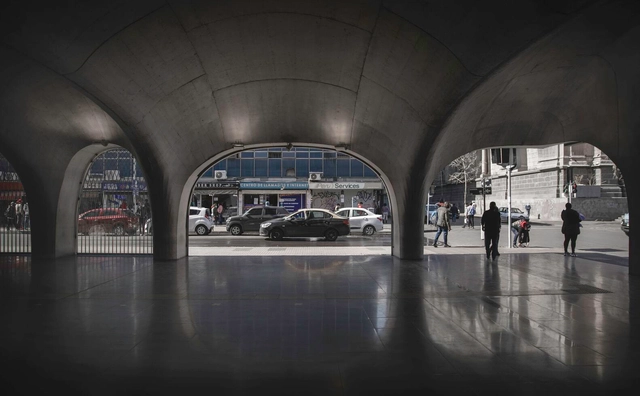
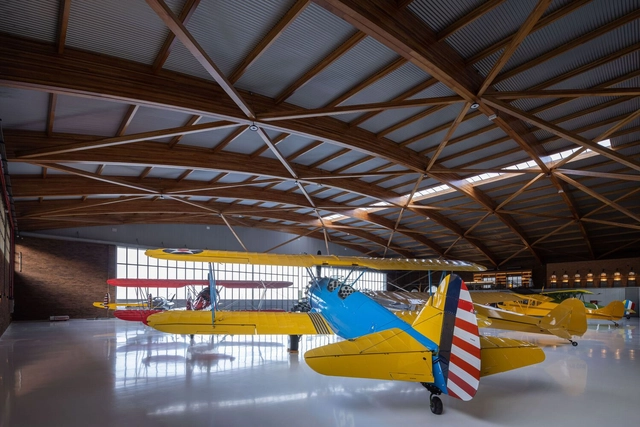
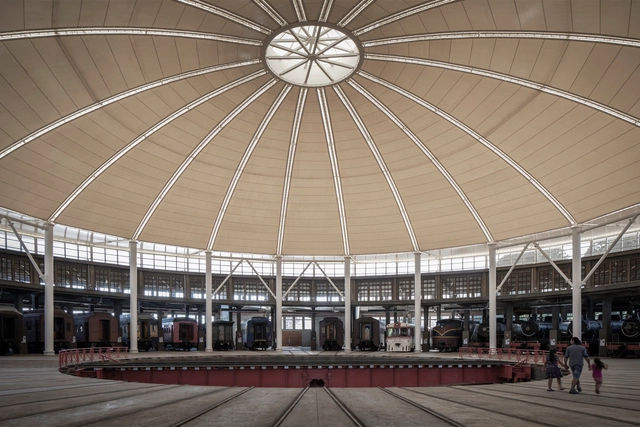
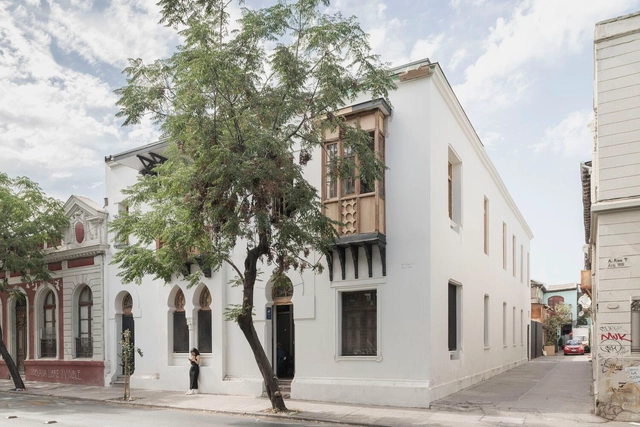
Chile has a rich and vast heritage architecture, which is gradually gaining relevance through different initiatives that seek to renovate these buildings to give them a second life. The buildings and infrastructures were in disrepair, disused, or damaged, but have great architectural value, being an important contribution to the reconstruction of the history of Chilean cities.
From January 14 to 22, 2023, the XXII Chile Architecture and Urbanism Biennial will finally take place in the area surrounding Palacio de La Moneda, Santiago. The theme of this edition, "Vulnerable Habitats," seeks to address the country's urgent challenges surrounding the housing deficit and access to housing, along with the vulnerability of cities and territories reflected in their public spaces, heritage, and environmental issues.
The Architects Association of Chile along with the Ministry of Cultures, Arts, and Heritage, organizers of this event—which held its previous edition in 2019—have recently announced the results of their open calls: 50 works and projects will be part of the National Architecture Exhibition, and 36 initiatives will join the Meetings and Debates Program. See the complete list below.
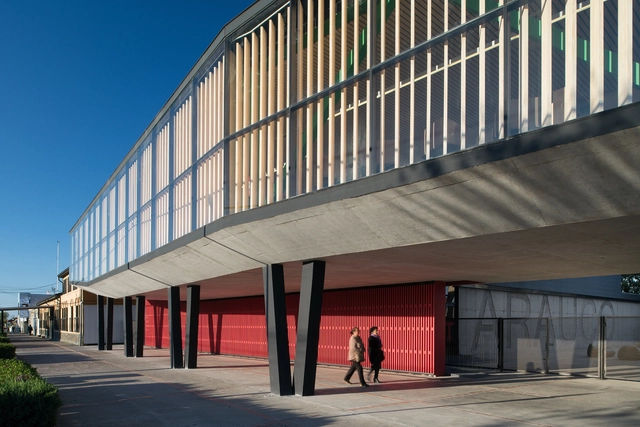
Centro Cultural Arauco. Fotografía: Felipe Díaz Contardo. Image Cortesía de MujerArquitectA
Mujer ArquitectA is a collective that seeks to bring visibility to, strengthen, and promote the work of women in architecture. Among its initiatives are the MA Awards, which in their inaugural edition highlight the work of contemporary women architects in Chile across two categories: Emerging, highlighting new generations, and Established, recognizing the country's leading architects.
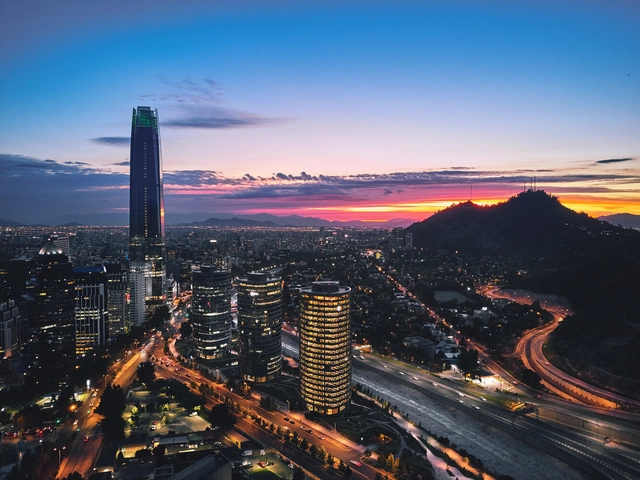
Founded in 1541 by the Spanish conquistador Pedro de Valdivia on indigenous settlements in the valley of the Mapocho River, Santiago is the capital and most populated city of Chile. This South American city is enframed by the Andes Mountains to the east and the Chilean Coast Range to the west, in addition to 26 island hills (cerros islas) scattered throughout the city. Some of these island hills have been converted into urban parks, such as Santa Lucía and San Cristóbal, while Chena, Calán, and Renca are in the process of expansion.