

-
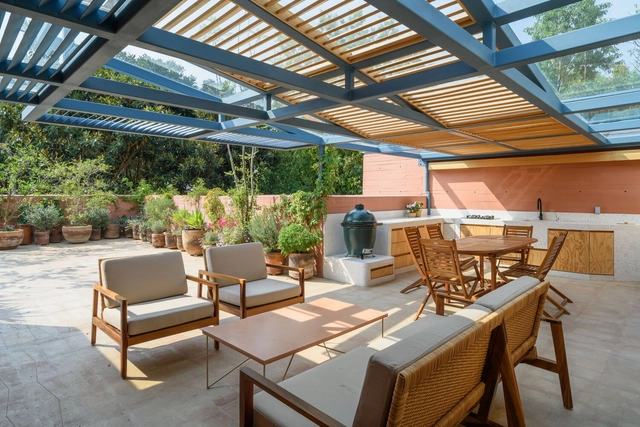
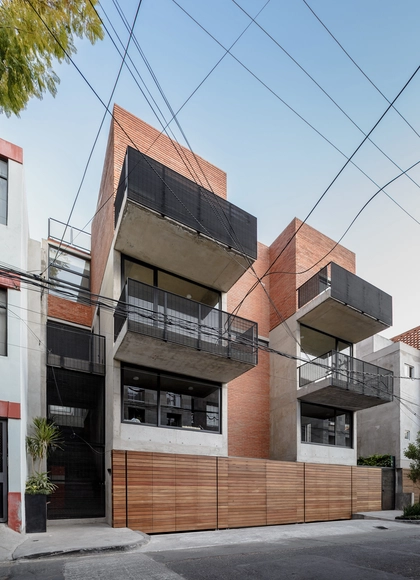
Architects: CampoTaller
- Area: 100 m²
- Year: 2022
-
Manufacturers: Ladrillos de México, Natural Urbano, Provenance, Rokâm, Studo barro, +1
This article was originally published on May 23, 2019.
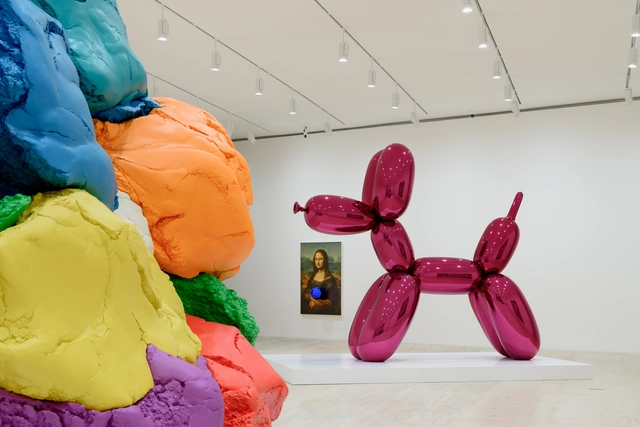
‘Appearance Stripped Bare’ is the exhibition that opened on May 19 at the Museo Jumex. It establishes a parallel fold right in the middle of the twentieth century, bringing face-to-face some of the most representative works of Marcel Duchamp and Jeff Koons—key figures in global contemporary art—to address concepts of objects, commodities, and the artist's relationship with society.
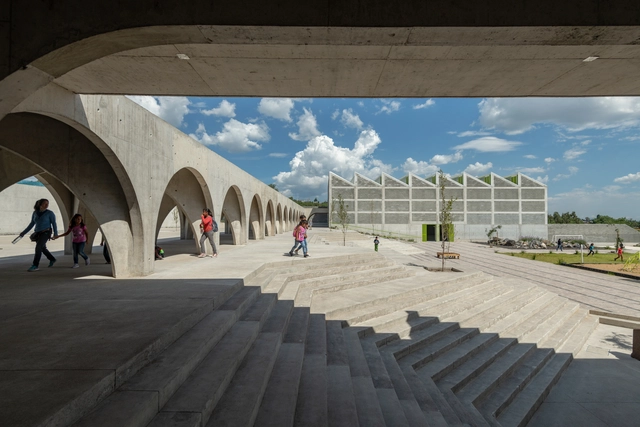
Educational facilities have evolved over the years in response to technological advancements and new pedagogical models, which increasingly focus on flexible methods that allow students to chart their own paths within a shared framework. The significance of these facilities lies in their role as meeting points that satisfy our social need to share physical spaces, pointing toward more horizontal and inclusive educational systems. A prime example is the Center for the Blind and Visually Impaired, designed by Taller de Arquitectura Mauricio Rocha + Gabriela Carrillo, which seeks to create diverse sensory experiences through materials, light, and temperature both inside and outside.

Coffee shops are spaces whose history dates back to the 15th century. Originating in Arab countries before the rise of Europe, they began to play an important social role, often described as taverns where significant conversations took place, deals were struck, and political debates unfolded. Over time, these spaces evolved and the concept expanded to European countries like England, France, Italy, and Germany, where they served as highly public gathering spots for merchants, politicians, scientists, academics, philosophers, and poets.
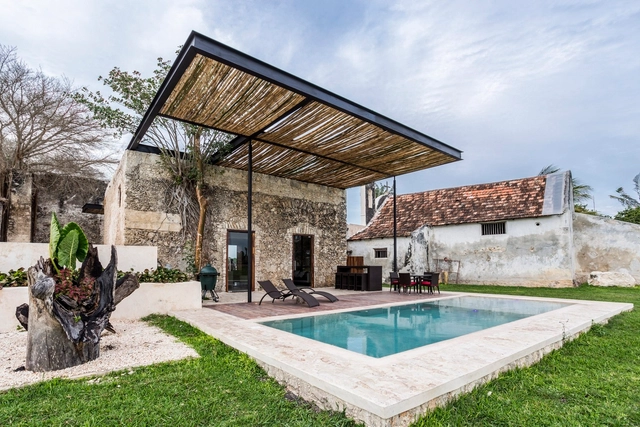


.jpg?1624381640&format=webp&width=230&height=230&crop=true)


Campeche is a state located in southeastern Mexico on the Yucatán Peninsula, bordering the states of Yucatán, Quintana Roo, and Tabasco, and facing the Gulf of Mexico. Additionally, Campeche is one of the three states that define the political border with Guatemala. Covering 57,924 km², it is the third least-populated state in the country. Its capital and most populous city is San Francisco de Campeche.
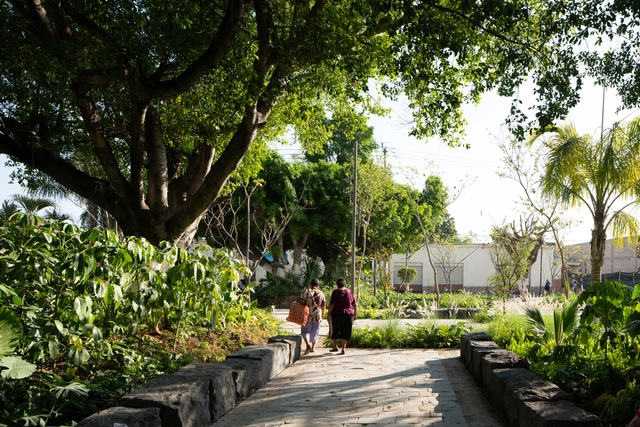
Mexico's National Social Distancing Campaign began on March 23, 2020, but a couple of weeks earlier, even as the federal government recommended continuing normal activities, social media was already filled with people choosing to self-isolate and replicate the European model. Some architecture firms immediately decided to close their physical offices and transition to a remote work model, while others took several weeks longer. However, this period of social and physical (spatial) distancing is experienced differently in every household. Over the months that this pandemic has unfolded, it has exposed not only the inequality regarding basic needs in dense urban areas, but also the fragility of the established social order. Whether at a macro or micro scale, all of these experiences occur within and are influenced by the built environment, making architecture both judge and jury in this equation.
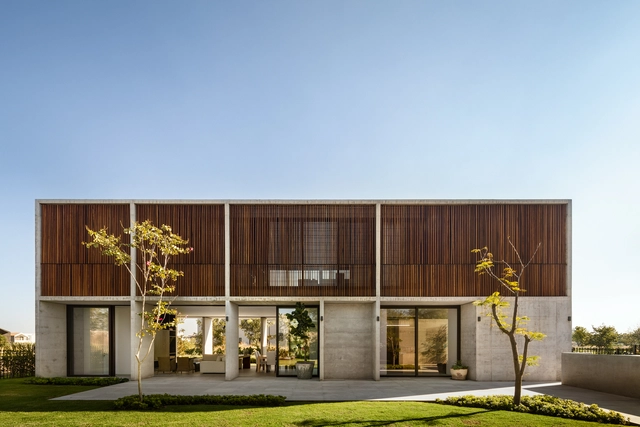
The state of Querétaro is located in the north-central region of Mexico, bordered by the states of San Luis Potosí, Guanajuato, Hidalgo, Estado de México, and Michoacán. Covering an area of 11,684 km², it is one of the most expansive regions in the country. Its capital is Santiago de Querétaro, which is also the state's most populous city. Among its most popular Pueblos Mágicos (Magical Towns) are Bernal, Tequisquiapan, Jalpan de Serra, Cadereyta de Montes, San Joaquín, and Amealco de Bonfil. Additionally, the state boasts four UNESCO World Heritage sites and one entry on the Intangible Cultural Heritage list: the Historic Monuments Zone of Santiago de Querétaro, the Franciscan Missions of the Sierra Gorda, the Otomí Chapels, and the living traditions of the Otomí-Chichimeca culture, respectively.
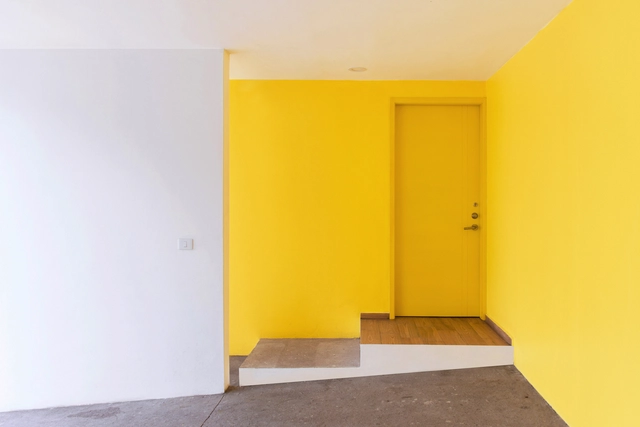
Once reserved for hospital environments or highly controlled laboratories, biosecurity has become a shared concern for many of us, especially considering that we spend most of our time indoors. With new outbreaks of the Covid-19 Delta variant detected in various states—driving a 9% increase in the epidemiological curve—families continue to seek the protection and resources needed to safeguard their spaces, ensuring sanitary safety against constant exposure to infections, viruses, and bacteria that pose potential health risks.

It is well known that Frederick Law Olmsted, designer of Central Park in New York; André Le Nôtre, responsible for the gardens of the Palace of Versailles; and Alan Titchmarsh, among others, were pioneers of landscape architecture for their ability to break the mold of traditional design. However, Latin America has produced outstanding work that deserves recognition. Such is the case in Mexico, where Pritzker laureate Luis Barragán showed the world the richness of the country's green spaces and his mastery in designing them.
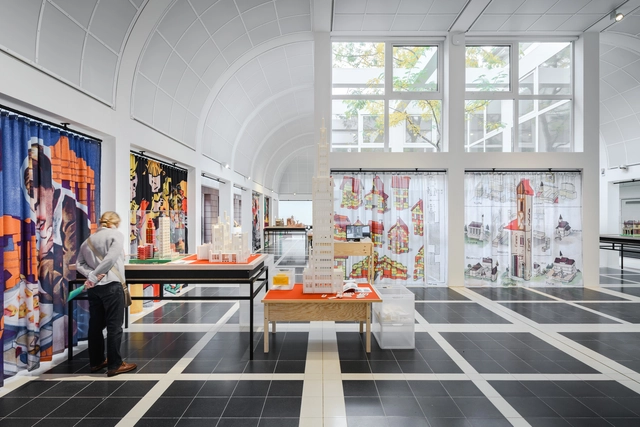
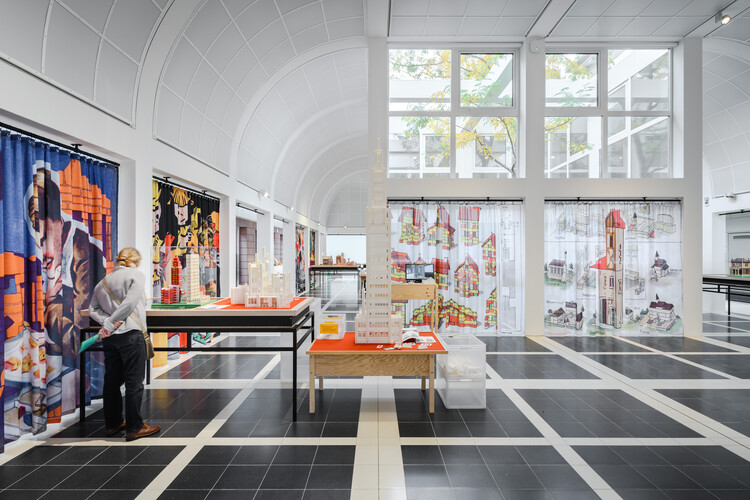
The Deutsches Architekturmuseum (DAM) in Frankfurt, Germany, has opened a new interactive exhibition, on view from October 25, 2025, to February 8, 2026, presenting 100 years of architectural construction kits. Developed in collaboration with graphic designer Claus Krieger, Professors Andreas Kretzer and Philipp Reinfeld from the Stuttgart University of Applied Sciences (HFT), their students, and the wider DAM team, the exhibition brings together around 80 construction kits produced between 1890 and 1990. Many of these systems have been recreated at an enlarged scale so visitors can test their assemblies at eight central play stations. Additional digital features include VR model worlds programmed by HFT students. Dozens of completed models illustrate the range of architectural ideas represented across the kits, and the full collection is documented in an accompanying catalogue. The exhibition is accompanied by a public competition titled How Small Can Architecture Be?, which invites participants to submit miniature architectural models for display.
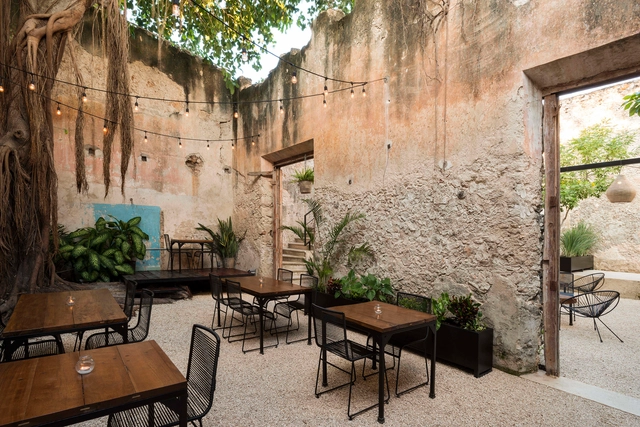
The spatial distribution of a restaurant or bar is essential to its success. Faced with this design challenge, several architects have experimented and proposed configurations that both enhance the use of space in different culinary experiences.
With this being said, take a look at 50 gastronomic establishments in plan and section to inspire your next design.
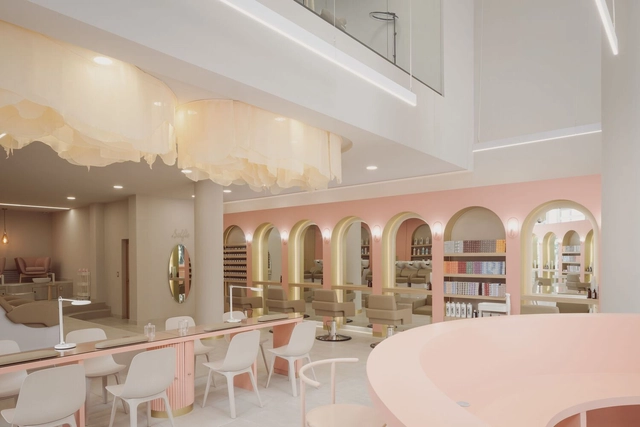
Art Deco is an artistic and design style that emerged in Europe in the late 19th and early 20th centuries, reaching its peak in the 1920s and 1930s. Although it's difficult to identify a single origin for Art Deco, it's believed that the style developed as a reaction against the Arts and Crafts and Art Nouveau movements, which emphasized craftsmanship and naturalistic ornamentation. The style quickly spread throughout the world and had a major influence on architecture, interior design, fashion, and visual arts during the first half of the 20th century.
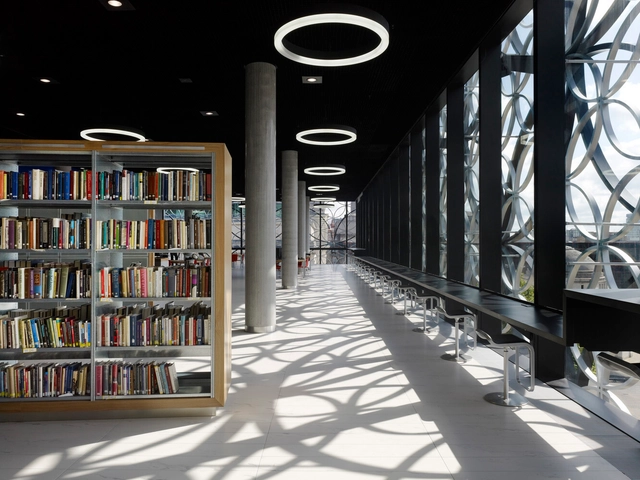
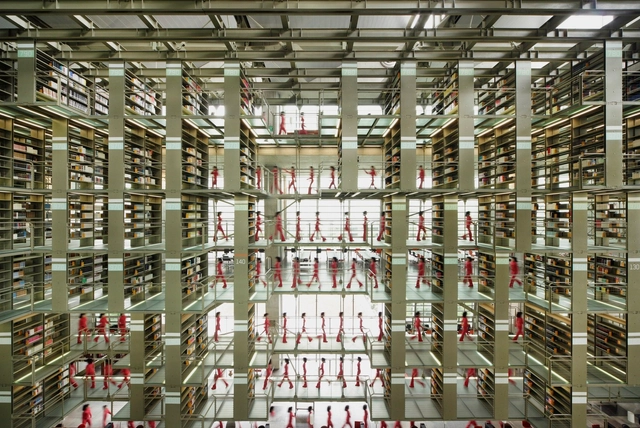
As gateways to knowledge and culture, libraries play a fundamental role in society. Foundational in creating opportunities for learning, as well as supporting literacy and education, the resources and services each library offers all work towards helping to shape new ideas that are central to building a creative and innovative society.
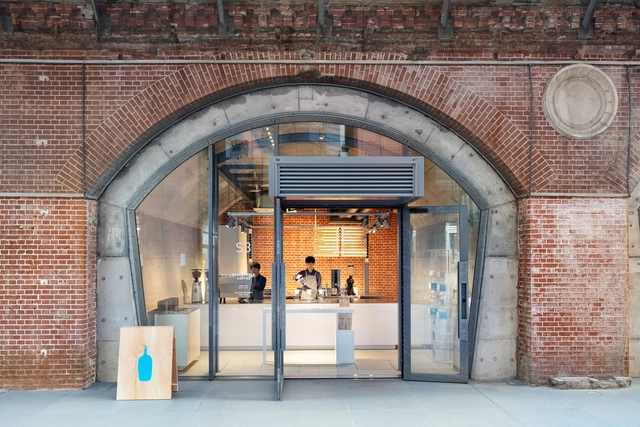
The interior design of a coffee shop can make-or-break an establishment. With an inviting design, you can transform drinking a simple cup of coffee into a wonderful experience. However, when you only have a few square meters and various machines and properties to distribute, finding an efficient configuration is not easy.
Over the years, interior design has evolved according to the needs that arise, but above all according to the experiences we seek to provoke in the user. In the last two years, we witnessed a radical change and a particular interest in this subject because the pandemic forced us to pay specific attention to the configuration of the places we inhabit. This brought about much more holistic designs that cater to the wellbeing of the user, combining colours, sensory experiences, technology and natural elements that promote health.


.jpg?1643052917&format=webp&width=230&height=230&crop=true)


.jpg?1602009335&format=webp&width=230&height=230&crop=true)