Ketsiree Wongwan
BROWSE ALL FROM THIS PHOTOGRAPHER HERE
↓


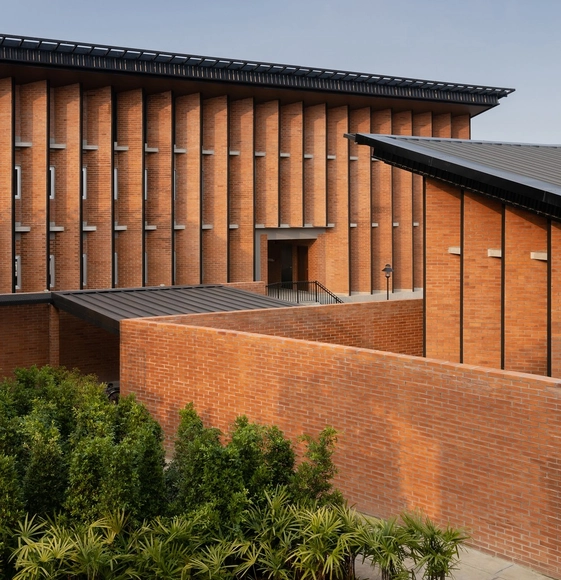
Thai Red Cross Foundation Children Home / Plan Architect


-
Architects: Plan Architect
- Area: 5700 m²
- Year: 2019
-
Manufacturers: Bluescope, COTTO, SCG, TOA, WILLY
https://www.archdaily.com/947492/thai-red-cross-foundation-children-home-plan-architectHana Abdel
Thawsi Playground / Imaginary Objects
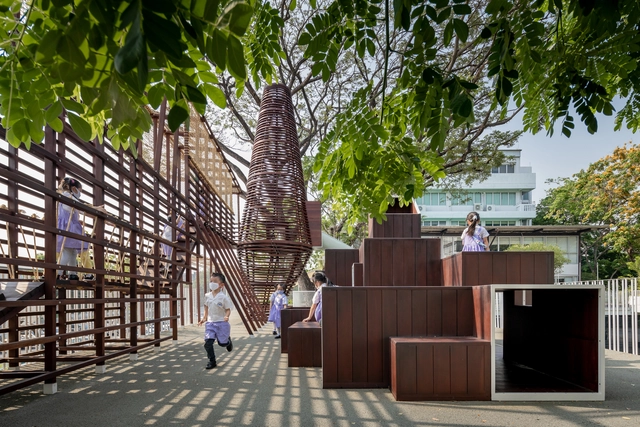


-
Architects: Imaginary Objects
- Area: 260 m²
- Year: 2020
-
Professionals: Get Interior
https://www.archdaily.com/966160/thawsi-playground-imaginary-objectsHana Abdel
Sindhorn Kempinski Hotel / Plan Architect
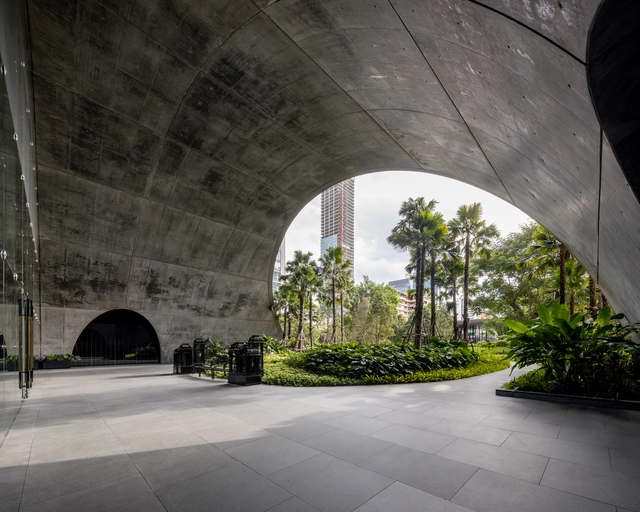


-
Architects: Plan Architect
- Area: 70000 m²
- Year: 2020
-
Manufacturers: Alucobond
https://www.archdaily.com/957200/sindhorn-kempinski-hotel-plan-architectHana Abdel
Patom Organic Living / NITAPROW
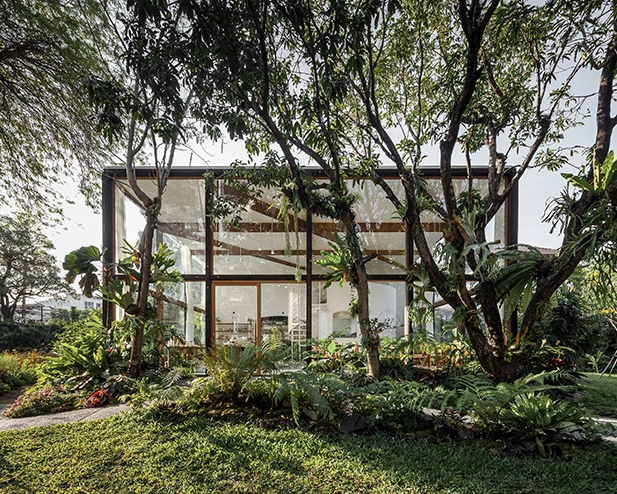


-
Architects: NITAPROW
- Area: 110 m²
- Year: 2016
-
Manufacturers: Chuda Intertrade, Corner 43 Decor, Siammaithaidecor and Son
-
Professionals: S.K.F. Construction Ltd., Part.
https://www.archdaily.com/870119/patom-organic-living-nitaprowRayen Sagredo
Ratchut School / Design in Motion
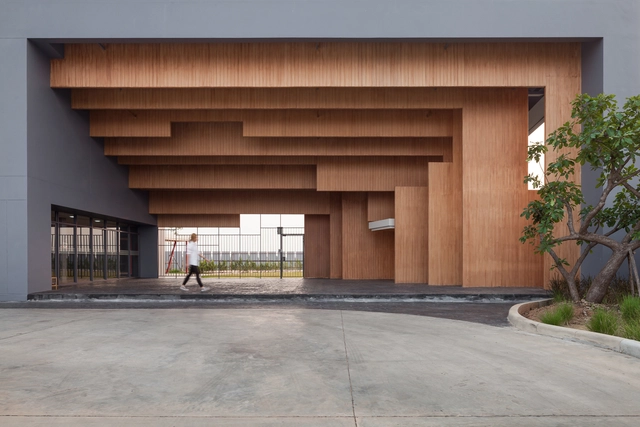


-
Architects: Design in Motion
- Area: 1100 m²
- Year: 2016
-
Manufacturers: AGC, BEGER, Lysaght, Muang Thong Aluminium, Shera
-
Professionals: Design In Motion Co.Ltd, Kor-it Structural Analysis and Design Co.
https://www.archdaily.com/896045/ratchut-school-design-in-motionDaniel Tapia
Patom Cafe / NITAPROW
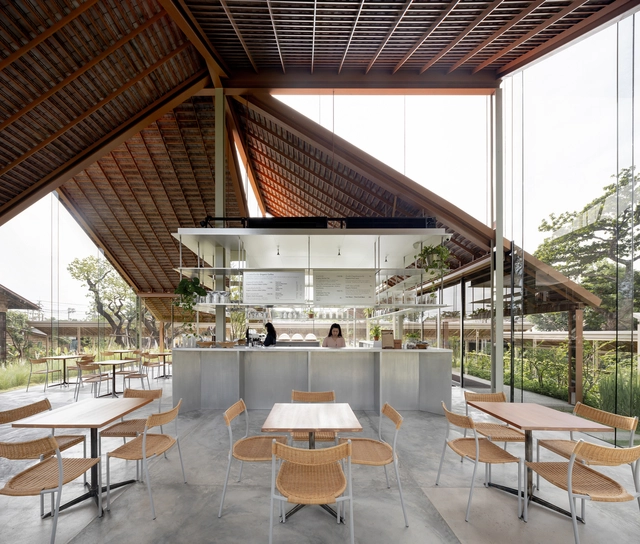


-
Architects: NITAPROW
- Area: 150 m²
- Year: 2019
-
Professionals: S.K.F. Construction Ltd., Part., Suan Sampran Co.Ltd
https://www.archdaily.com/927154/patom-cafe-nitaprowPaula Pintos
Children's Bedrooms: How to Design a Healthy Sleep Environment
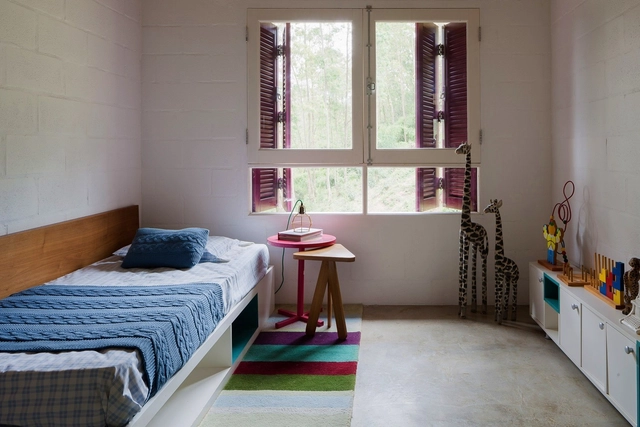
Many factors influence people's well-being, but few have power as great as the quality of sleep. Adults spend, on average, a third of their day (and their life) sleeping. In the case of young children, this proportion is even higher. According to a study published by the WHO in 2019, babies (4 to 11 months) should sleep between 12 and 16 hours/day; and children up to 4 years old should sleep between 10 and 13 hours/day.
Quality sleep acts directly on the child's brain development, especially during his first and second childhood (from birth to 12 years old). During the rest period, the body releases the hormones necessary for growth and learning, and this is directly related to physical, motor, emotional, and cognitive development. It is also known that the environment where one sleeps interferes with the quality of that sleep, and some important aspects must be considered when designing sleeping spaces for children and babies.
https://www.archdaily.com/949314/childrens-bedrooms-how-to-design-a-healthy-sleep-environmentAudrey Migliani
Shabu Lab Restaurant / Integrated Field
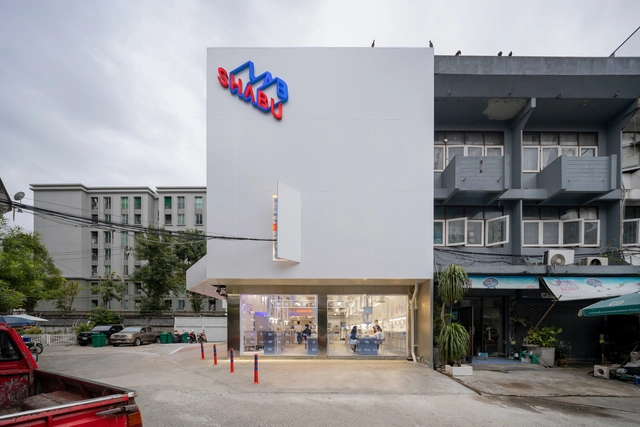


-
Architects: Integrated Field
- Area: 150 m²
- Year: 2020
-
Professionals: IF (Integrated Field Co., Kullakaln Gururatana, Kornkanok Engineering, D.R. Advertising
https://www.archdaily.com/948876/shabu-lab-restaurant-integrated-fieldHana Abdel
Bangkok University Interior Renovation / Imaginary Objects + HYPOTHESIS
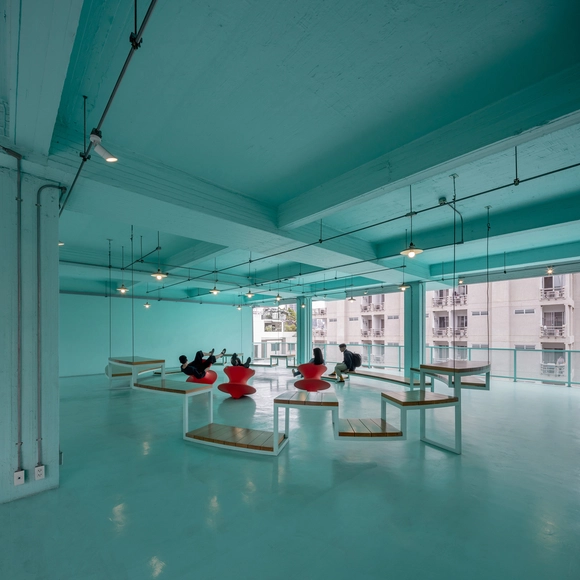


-
Architects: HYPOTHESIS, Imaginary Objects
- Area: 5600 m²
- Year: 2019
-
Professionals: CM49
https://www.archdaily.com/944233/bangkok-university-interior-renovation-imaginary-objects-plus-hypothesisHana Abdel
Neuroarchitecture Applied in Children's Design



It is unquestionable that environments directly influence the behavior and emotions of their users. Human beings spend approximately 90% of their lives indoors, making it imperative that the spaces we inhabit stimulate positive behavior and emotions, or at least don't influence us negatively. There exists a specific term describing the stimuli that the brain receives from its environment: neuroarchitecture. Several studies have been published on this topic, most focusing on its impact on work environments. This article approaches this concept through a different, yet essential lens: emphasizing its importance in the design of spaces for children in early childhood.
https://www.archdaily.com/942969/neuroarchitecture-applied-in-childrens-designAudrey Migliani
Monochromatic Kitchens: 3 Design Strategies with a Single Color

.jpg?1591644193&format=webp&width=230&height=230&crop=true)


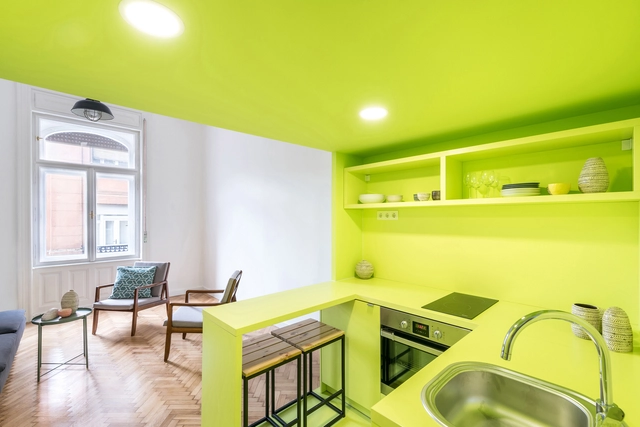
A monochrome environment is a space in which most architectural elements are of a single color. Although it is common for architects to design black or white monochromatic spaces due to its neutrality, it is possible to use almost any color to design a space, taking advantage of their infinite tones, undertones, and shades.
https://www.archdaily.com/941965/monochromatic-kitchens-3-design-strategies-with-a-single-colorAudrey Migliani
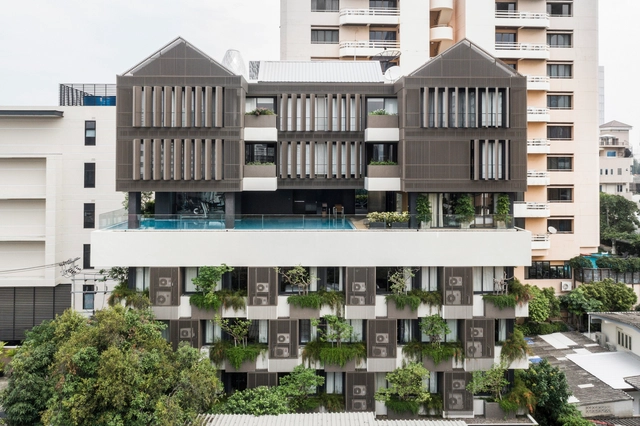
Bangkok TRYP Residential Building / Somdoon Architects


.jpg?1587943096&format=webp&width=230&height=230&crop=true)

-
Architects: Somdoon Architects
- Area: 1650 m²
- Year: 2016
-
Manufacturers: AutoDesk, Fameline products, Hafele, RODENA, Trimble
https://www.archdaily.com/938365/bangkok-tryp-residential-building-somdoon-architectsAndreas Luco
Public Bathrooms for Children: Design Tips and Inspiration
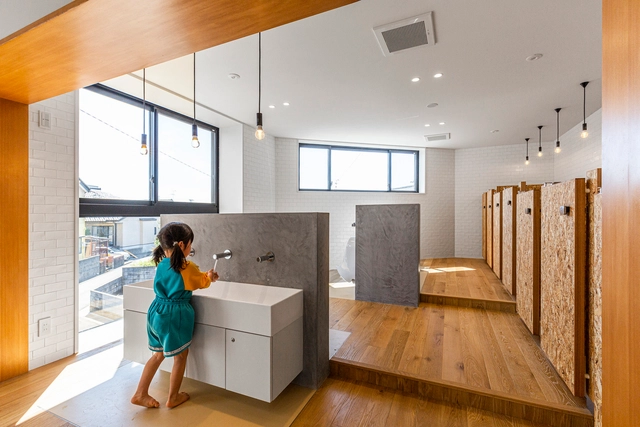


We often use the term accessibility when designing spaces for the elderly or for people with special needs. However, to guarantee effective universal design for children, it is necessary to understand and cater to their specific needs as well, especially through ergonomics, safety, lighting, colors, and some particular accessories. In this article, we will cover the most important parameters to consider when choosing dimensions and materials in public bathrooms for young children.
https://www.archdaily.com/937811/public-bathrooms-for-children-design-tips-and-inspirationAudrey Migliani
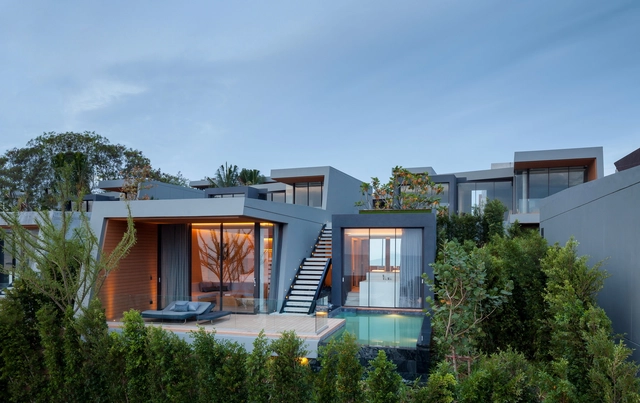
Mason Resort / VaSLab Architecture


-
Architects: VaSLab Architecture
- Area: 9039 m²
- Year: 2019
-
Professionals: Collage Engineering, Fontory, Rafa
https://www.archdaily.com/936024/mason-resort-vaslab-architectureHana Abdel
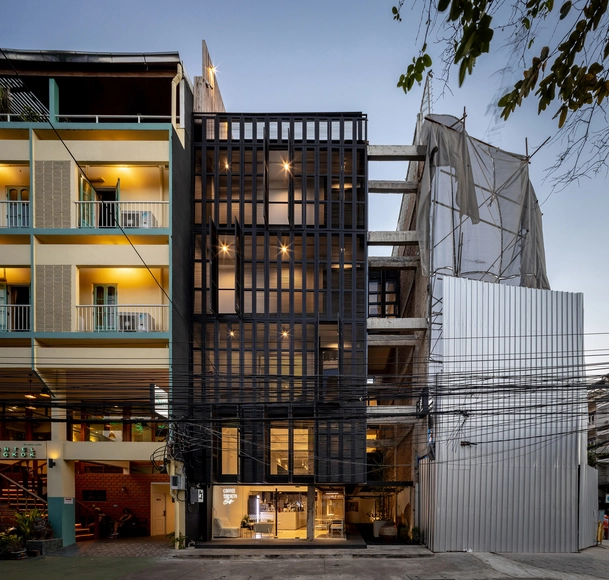
PA PRANK / IDIN Architects


-
Architects: IDIN Architects
- Area: 725 m²
- Year: 2018
-
Manufacturers: COTTO, Hafele, Lamptitude
-
Professionals: AEKPAKIN Interior and Construction, IDIN Architects, Thuwanont Ruangkanoksilp
https://www.archdaily.com/934916/pa-prank-idin-architectsAndreas Luco
IDIN Office / IDIN Architects
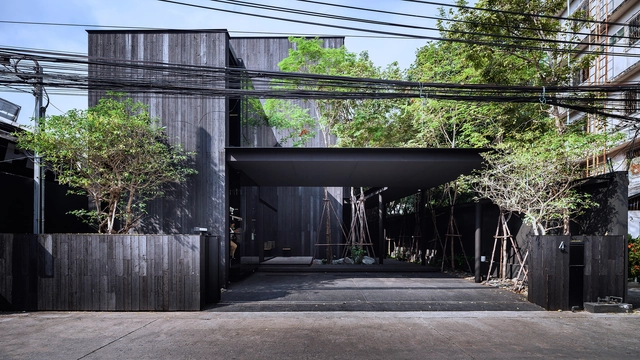


-
Architects: IDIN Architects
- Area: 785 m²
- Year: 2018
-
Manufacturers: American Standard, Lamptitude
-
Professionals: ARTCON, DIIDIA Interior Service, Walllasia
https://www.archdaily.com/934465/idin-office-idin-architectsHana Abdel