.jpg?1441765217&format=webp&width=640&height=580)
.jpg?1441765207&format=webp&width=230&height=230&crop=true)
.jpg?1441765537&format=webp&width=230&height=230&crop=true)
.jpg?1441765440&format=webp&width=230&height=230&crop=true)
.jpg?1441765385&format=webp&width=230&height=230&crop=true)
.jpg?1441765217)
-
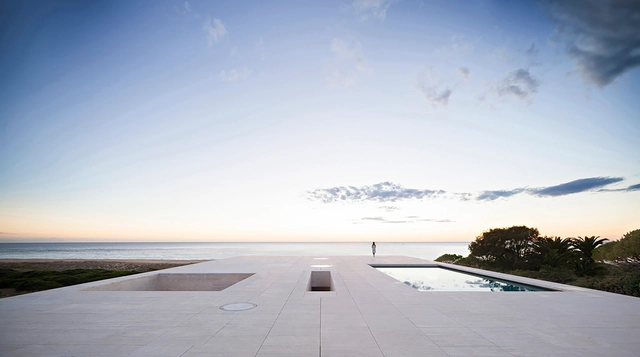
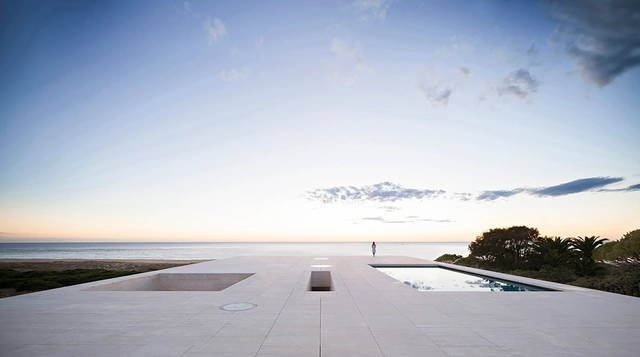
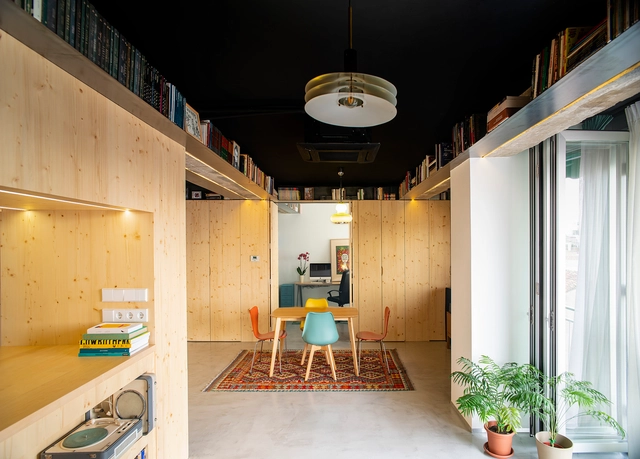
Architects: Urko Sanchez Architects
- Year: 2014
In Louisiana Channel's latest interview, Indian architect Anupama Kundoo shares her thoughts on the importance of observing the surroundings from the perspective of time and its imprint on matter. "Before humans, there was an architecture that life itself creates," says the architect discussing the natural world as a source of inspiration, pointing out that one "can see the same question already solved by nature".
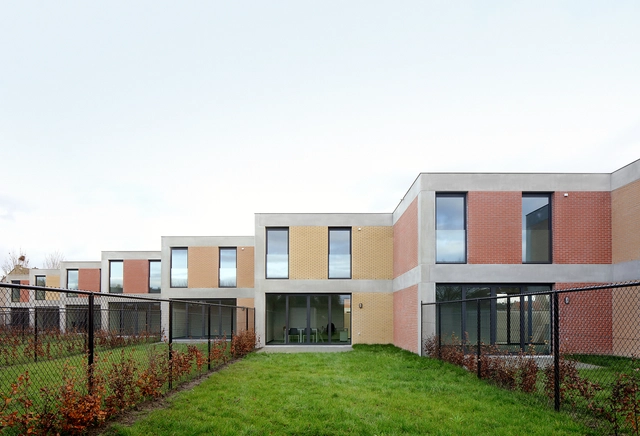
When considering “How Will We Live Together”, it is important to note the projective and future tense of the phrase. The idea not only encompasses ways we already share our built environment but targets the anticipated issues that are to be tackled to facilitate communal and mutually beneficial ways of living.
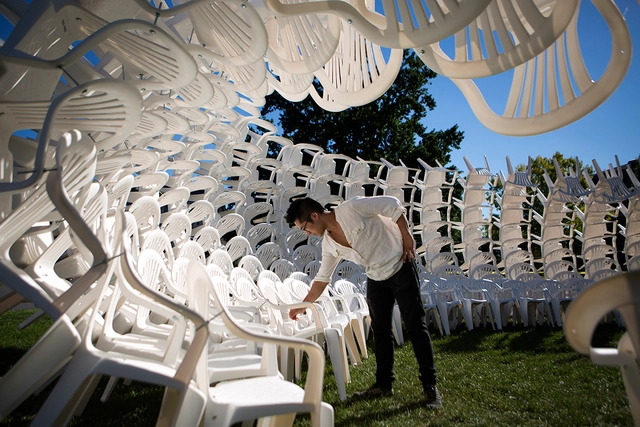
As seen throughout architectural history, ephemeral installations and pavilions are key elements for addressing specific architectural moments and social manifestations in an almost immediate way. While some pavilions have proven so significant that they transcended their temporary nature to become permanent, exemplary expressions of a historical moment—such as the Barcelona Pavilion, designed by Ludwig Mies van der Rohe and Lilly Reich for the Barcelona International Exposition in Montjuïc—others remain documented in photographs, plans, and experiences, to be rewritten in future projects.
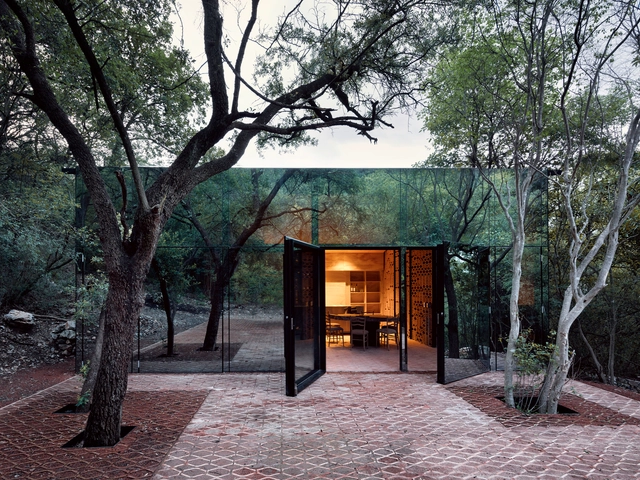
As one of Mexico's most prominent cities and business hubs, Monterrey is situated within the territory of Nuevo León, a state in the country's Northeast region that borders Texas, defining a significant portion of the US-Mexico border. Covering just over 451.30 square kilometers with an average elevation of 500 meters above sea level, the municipality is bordered to the north by San Nicolás de los Garza and General Escobedo; to the south by San Pedro Garza García and Santiago; to the east by Guadalupe, Juárez, and Cadereyta; and to the west by Santa Catarina and García.
.jpg?1585773323&format=webp&width=640&height=580)
“Time is a resource we are not spending properly. People are eager to save other resources, but they don’t mind spending their time carelessly,” says Anupama Kundoo in this Louisiana Channel Interview, where she talks about time as a general concept, sharing some of her philosophy of life on the matter. Turning to architecture, Kundoo reflects on the sense of urgency governing the current design process, obstructing any long term thinking about the collective body of work left as a legacy to future generations; therefore she urges architects to take time to rethink their work and refine their designs.
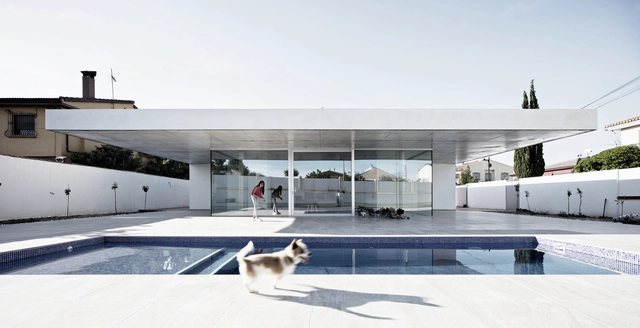
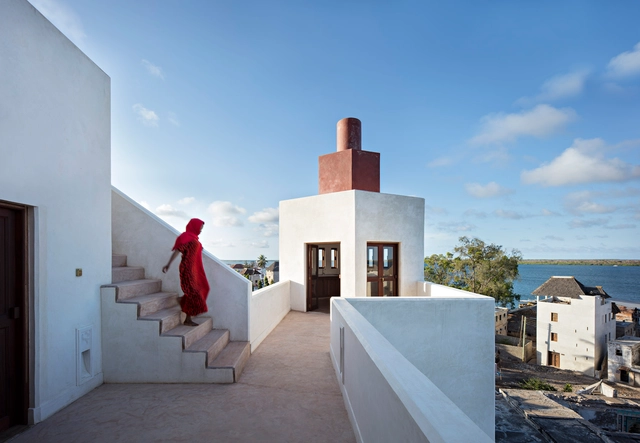
“A House is a place (…) as physical as a set of feelings. (…) a home is a relation between materiality and mastery and imaginative processes, where the physical location and materiality and the feelings and ideas are united and influence each other, instead of being separated and distinct. (…) a house is a process of creation and comprehension of ways of living and belonging. A house is lived, as well as imagined. The meaning of house and the way it materially manifests itself, it´s something that is created and recreated in an unceasingly way through every day domestic tasks, which are themselves connected to the spacial imaginary of the house”1
The sentence above is the starting-point of the current reflection, in an exercise that will mark meaningfully my approach to the way of projecting houses.
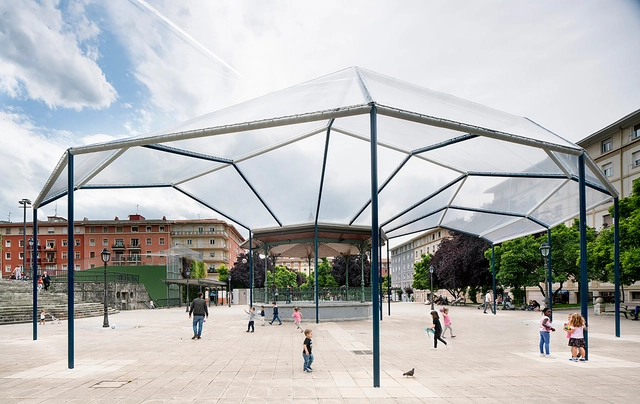
Located in the historic neighborhood of San Ignacio in the city of Bilbao, Spain, Levante Square is a prominent gathering point for residents and visitors alike. To address the lack of covered spaces protecting from the heavy rain, Spanish architecture office CANOBARDIN has designed a solution for users: a concentric structure titled "A Piece of Sky in Levante Square" that allows people to inhabit the public space and find shelter without losing touch with their surroundings, acting as a piece of the sky by day and a reflection of the square by night.
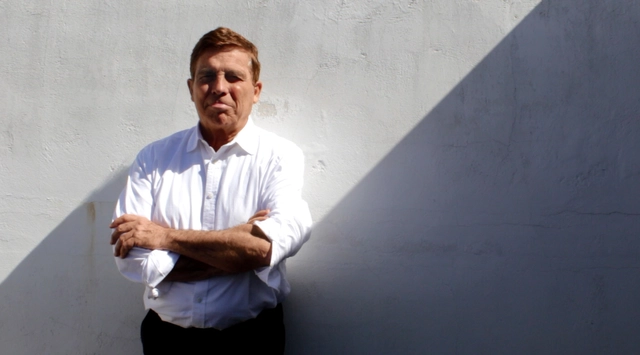
Architect Alberto Campo Baeza has been awarded the Gold Medal for Architecture, Spain's most prestigious architectural honor, which has been presented by the professional association of architects since 1981. Established by the Superior Council of Architects' Associations of Spain (CSCAE), the Gold Medal recognizes the dedication of individuals and institutions whose work elevates the field of architecture.
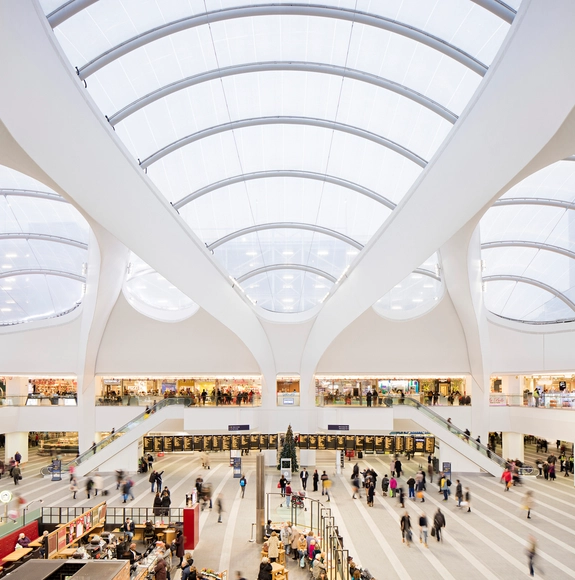
Alejandro Zaera-Polo (born October 17th 1963) is an internationally recognized architect and scholar, and founder of London, Zurich, and Princeton-based firm Alejandro Zaera-Polo & Maider Llaguno Architecture (AZPML). First rising to prominence in the 1980s with his writings for publications such as El Croquis, Zaera-Polo has had a prolific career in both the academic and professional realms of architecture.



.jpg?1606397161&format=webp&width=230&height=230&crop=true)


.jpg?1595384588&format=webp&width=230&height=230&crop=true)