
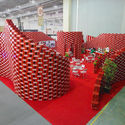
.jpg?1595384588 "Izaskun Chinchilla Unveils ‘Organic Growth’, a Recycled Pavilion Funded via Kickstarter. Image © Sergio Reyes")
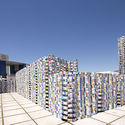

As seen throughout architectural history, ephemeral installations and pavilions are key elements for addressing specific architectural moments and social manifestations in an almost immediate way. While some pavilions have proven so significant that they transcended their temporary nature to become permanent, exemplary expressions of a historical moment—such as the Barcelona Pavilion, designed by Ludwig Mies van der Rohe and Lilly Reich for the Barcelona International Exposition in Montjuïc—others remain documented in photographs, plans, and experiences, to be rewritten in future projects.
These intersections—often between art and architecture, or urbanism and architecture—reflect society in its time, and some have even come to be considered intergenerational manifestos. An increasing number of countries are promoting this type of architectural language to conduct exercises that foster an understanding of new urban conditions, new ways of living, and how we move through the world. However, in light of environmental challenges and massive waste, these exercises demand a much more cyclical approach, using materials that extend their lifespans and contribute to building a more collective global consciousness.


