

-
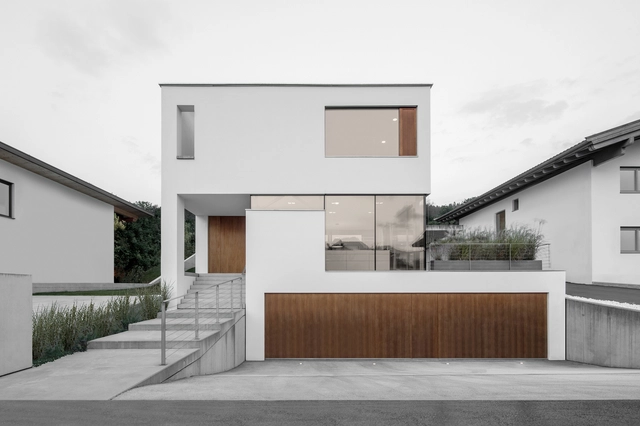
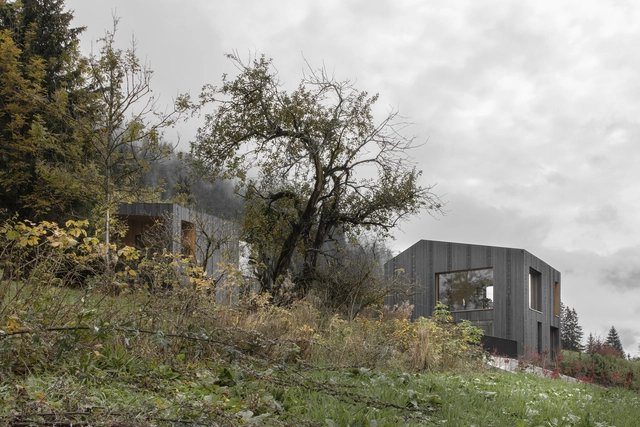
Architects: NAEMAS Architekturkonzepte
- Area: 627 m²
- Year: 2023
-
Professionals: Oberegger, Holzbau Brugger
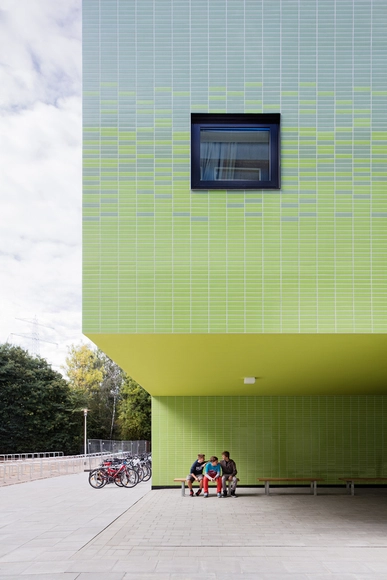
“Color is life; for a world without color appears to us dead.” Distinguished painter Johannes Itten described with these words the exceptional power of color in our perception of the world. As a sensory event, color not only defines what we see, but also how we feel and think; it has been shown to alter productivity, inspire decision-making, shape our perspective, and influence our well-being. Especially in architecture, these effects materialize and reach their maximum splendor. Design is, after all, a visual form of communication, and color palettes –coupled with light, shadow, texture and sheen– play a critical role in conveying a building’s message. They create the ambiance that supports the function of a space, completely transforming user experience. Even the greats have recognized this power: “Polychromy is as powerful an architectural tool as the plan and section,” Le Corbusier once said.
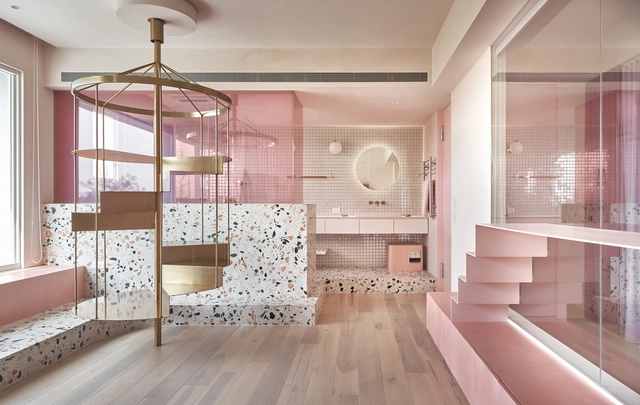
In many countries around the world, October is dedicated to raising awareness for breast cancer. Pink ribbons that represent this cause, are a tribute to Susan G. Komen, responsible for the Cure's 1990 campaign in the USA. To celebrate this month and add spread awareness efforts, ArchDaily selected some projects that incorporate the color pink into façades, interiors, and details.
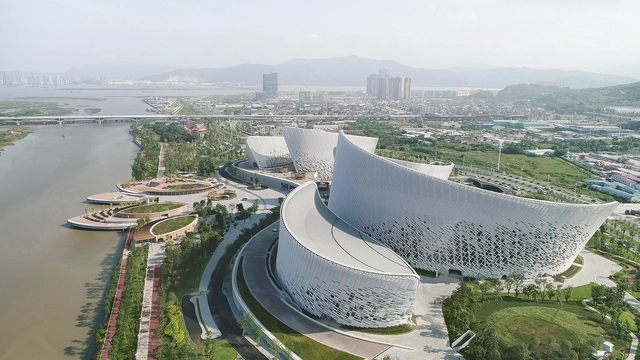
The Chicago Athenaeum: Museum of Architecture and Design and The European Centre for Architecture Art Design and Urban Studies have announced the over 150 winners of the International Architecture Awards. This event takes place every year to recognize the most significant and inspirational buildings and urban planning projects around the world. Founded in 2005 by The Chicago Athenaeum and The European Centre, the awards aim to set a global standard for architectural achievement worldwide.
This year’s winning projects focus on inclusive design, sustainable solutions, and finding a sensible response to the surroundings and local cultures. Restorations, renovations, and adaptive reuse solutions are also well represented among this year’s winners. projects range from significant cultural destinations such as Fuzhou Strait Culture and Art Centre China to new city infrastructure such as the Eleftheria Square in Nicosia, Cyprus; a UNESCO cultural building in Greenland to a Modularized COVID-19 Epidemic Prevention Hospital in Shanghai.
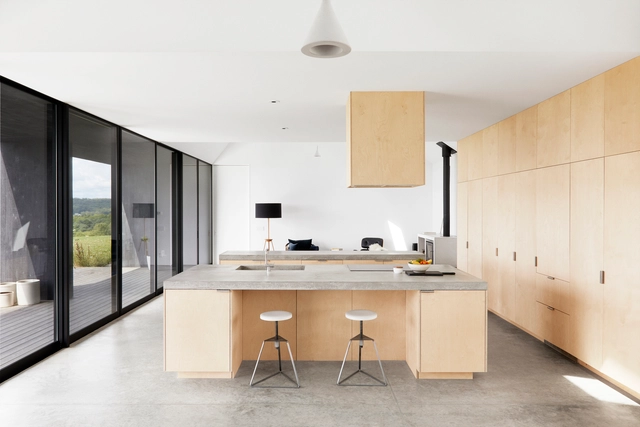
In addition to their aesthetic appeal, the use of raw materials can save resources by bypassing the use of additional coatings and processes. This type of solution was most commonly used in utility buildings, such as infrastructure, factories, and warehouses. Exposed concrete floors, for example, were primarily found in industrial spaces, parking lots, and gas stations. However, they are increasingly being used in structures of different programs due to their appearance, durability, resistance, and vast possibilities for finishes. But what are the main factors to be aware of when using a concrete floor for a project?