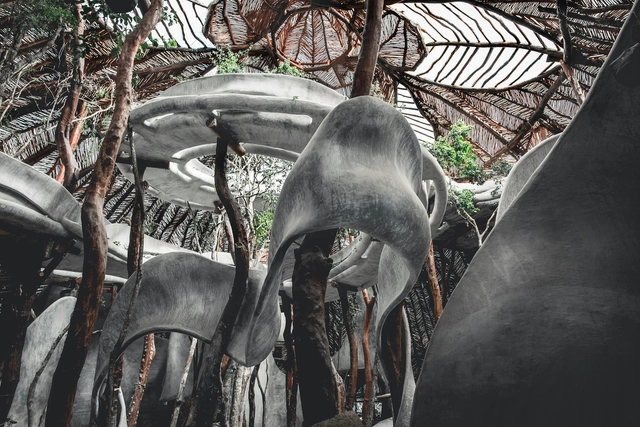
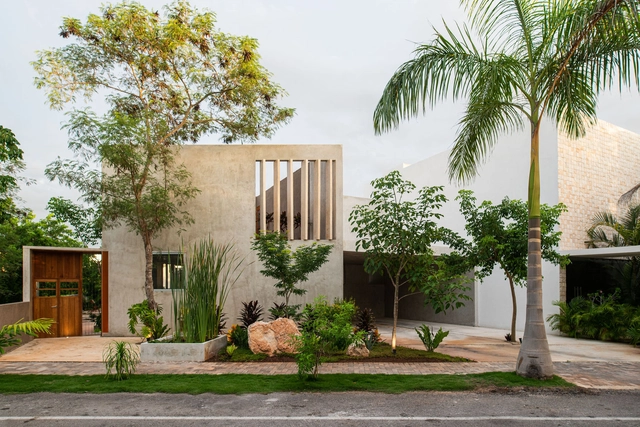
In Yucatan, architects are reviving an ancient Mayan stucco technique for contemporary buildings, merging modern architecture with regional history and culture. The technique is called “chukum,” a term derived from the colloquial name for the Havardia albicans tree native to Mexico. Made with chukum tree bark, the material has several defining qualities that separate it from traditional stucco, including impermeable properties and a natural earthy color. Though chukum initially fell out of use following Spanish conquest of the Maya civilization, it was rediscovered and reemployed by Salvador Reyes Rios of the architecture firm Reyes Rios + Larrain Arquitectos in the late 1990’s, initiating a resurgence of use in the area.
https://www.archdaily.com/946291/the-rustic-beauty-of-the-chukum-in-modern-mexican-architectureLilly Cao
The Mexican state of Oaxaca is one of the most visited destinations in the country, drawing travelers from around the globe with its rich culinary, cultural, and architectural heritage. Located in the southeastern region of the country, it spans 93,757 km² and is divided into 570 municipalities, making it the fifth-largest state in Mexico.
During the COVID-19 pandemic, due to the lack of exhibitions and commissions, artists around the world started to struggle. The Artist Support Pledge, an initiative born in March of 2020 in response to this global crisis, seeks to support creative individuals, including architectural photographers. Founded by artist Matthew Burrows, the global movement connects communities in order to ensure “an equitable and sustainable economy for artists and makers of all countries, media, and ethnicities”.
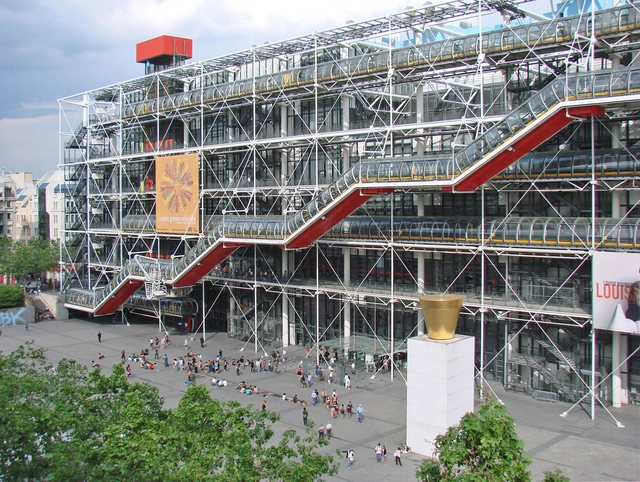
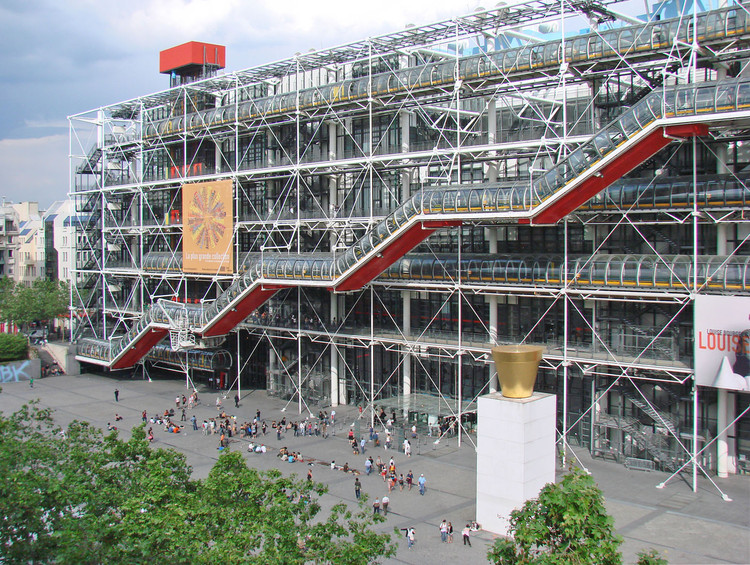
As one of the leading architects of the British High-Tech movement, Pritzker Prize-winner Richard Rogers stands out as one of the most innovative and distinctive architects of a generation. Rogers made his name in the 1970s and '80s, with buildings such as the Centre Georges Pompidou in Paris and the Headquarters for Lloyd's Bank in London. To this day his work plays with similar motifs, utilizing bright colors and structural elements to create a style that is recognizable, yet also highly adaptable.
We spoke with Beat Guhl, CEO of Sky-Frame, during the Swiss Bau fair – one of the largest events in the materials industry. Sky-Frame produces frameless sliding window systems; vital components to achieve an effective and efficient transparency in architectural projects. The company is constantly pushing for technical innovation and works closely with architects to help achieve fluid spatial concepts.
Concrete, a material commonly used in the construction industry, is made of a binder combined with aggregates (or gravels), water, and certain additives. Its origins reach back as far as Ancient Egypt, when the construction of large structures created the need for a new kind of material: one which was liquid, featured properties of natural stones, could be molded, and communicated a sense of nobility and grandeur.


-0051.jpg?1597715803&format=webp&width=640&height=580)
-0027.jpg?1597715632&format=webp&width=230&height=230&crop=true)
-0032.jpg?1597715670&format=webp&width=230&height=230&crop=true)
-0016.jpg?1597715569&format=webp&width=230&height=230&crop=true)
-0003.jpg?1597715312&format=webp&width=230&height=230&crop=true)
-0051.jpg?1597715803)
.jpg?1597424114&format=webp&width=640&height=580)


.jpg?1597424114)








.jpg?1513056991&format=webp&width=640&height=580)
.jpg?1513056962&format=webp&width=230&height=230&crop=true)

.jpg?1513056537&format=webp&width=230&height=230&crop=true)
.jpg?1513056593&format=webp&width=230&height=230&crop=true)
.jpg?1513056991)


.jpg?1590050661&format=webp&width=640&height=580)
.jpg?1590050841&format=webp&width=230&height=230&crop=true)
.jpg?1590052163&format=webp&width=230&height=230&crop=true)
.jpg?1590052266&format=webp&width=230&height=230&crop=true)
.jpg?1590050711&format=webp&width=230&height=230&crop=true)
.jpg?1590050661)


-0009.jpg?1571809340&format=webp&width=640&height=580)
-0028.jpg?1571808786&format=webp&width=230&height=230&crop=true)
-0032.jpg?1571808995&format=webp&width=230&height=230&crop=true)
-0015.jpg?1571808108&format=webp&width=230&height=230&crop=true)
-0035.jpg?1571809149&format=webp&width=230&height=230&crop=true)
-0009.jpg?1571809340)