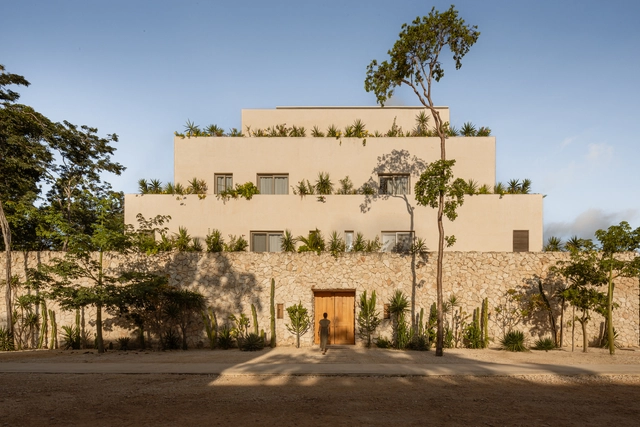


Catedral House / LABarq
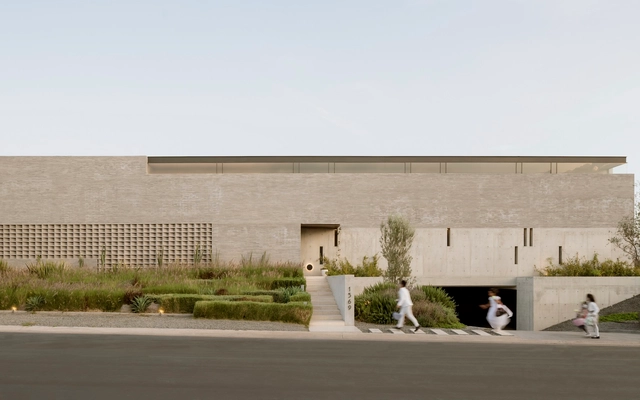


https://www.archdaily.com/1023289/catedral-house-laboratorio-de-arquitecturaPilar Caballero
Stone Dwelling / COLAR Architecture Collective
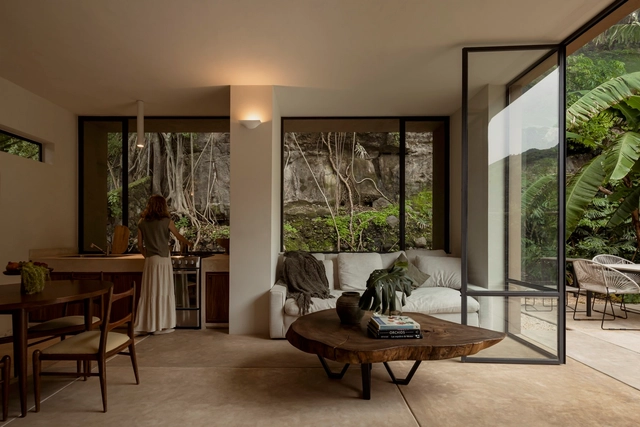


https://www.archdaily.com/1064139/stone-dwelling-colar-architecture-collectiveHana Abdel
Punto y Coma Bookstore / Verduzco + Guerra
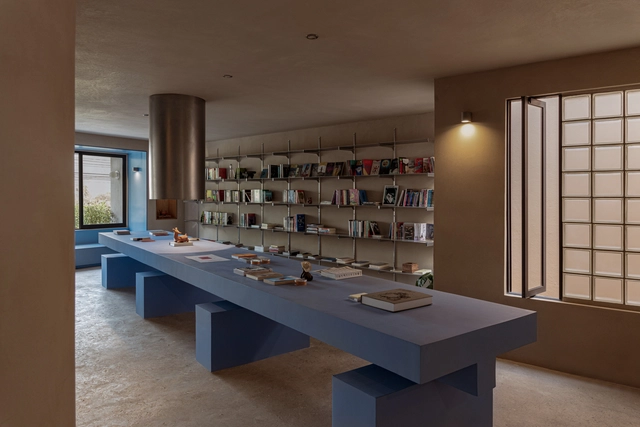


https://www.archdaily.com/1020983/punto-y-coma-bookstore-verduzco-plus-guerraAndreas Luco
Providencia House / DOMA
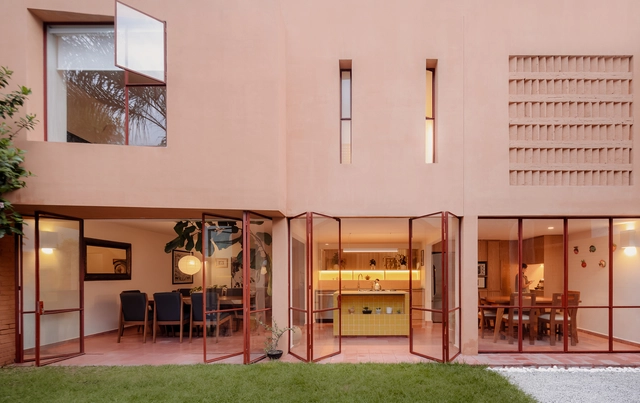


https://www.archdaily.com/1020942/providencia-house-domaAndreas Luco
Sabino 10 House / Editorial
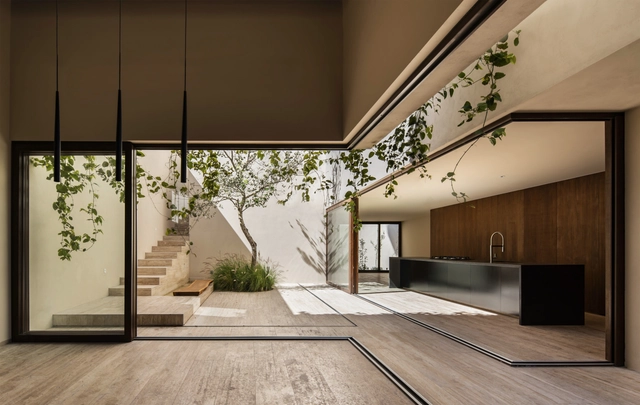


https://www.archdaily.com/1018963/sabino-10-house-editorialPilar Caballero
Coral House / Recoveco Taller de Arquitectura
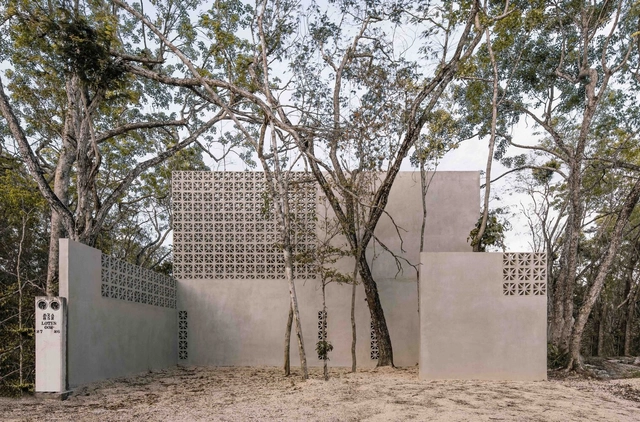


-
Architects: Recoveco Taller de Arquitectura
- Area: 185 m²
- Year: 2021
https://www.archdaily.com/995611/coral-house-recoveco-taller-de-arquitecturaPilar Caballero
Galeana Maravatio House / Cometrue | Jaime Miranda González
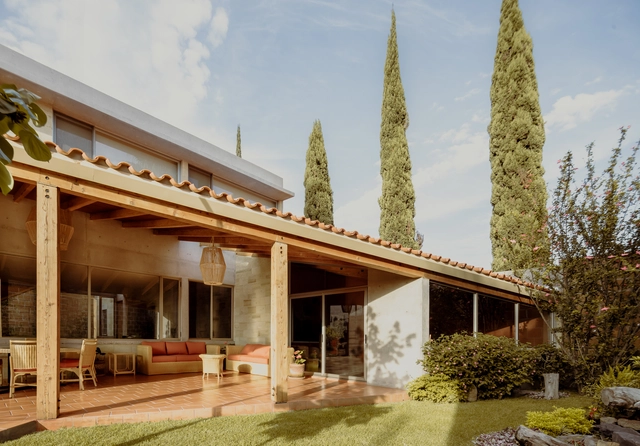


https://www.archdaily.com/1011923/galeana-maravatio-house-cometrue-jaime-miranda-gonzalezValeria Silva
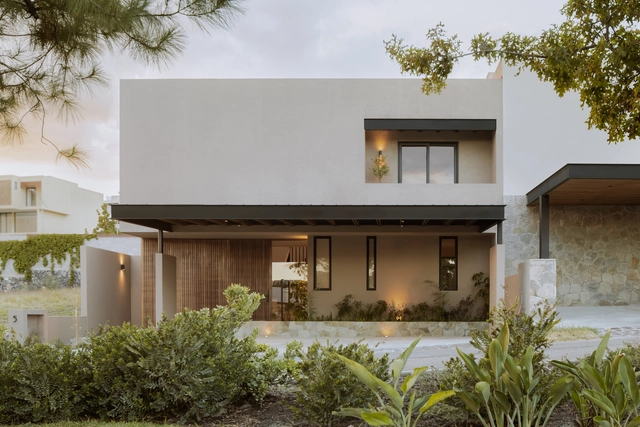
Cantera 5 House / Toru Arquitectos


-
Architects: Toru Arquitectos
- Area: 351 m²
- Year: 2023
https://www.archdaily.com/1010252/cantera-5-house-toru-arquitectosAndreas Luco
How to Apply the Monochrome Technique in Architecture? Examples in Mexico
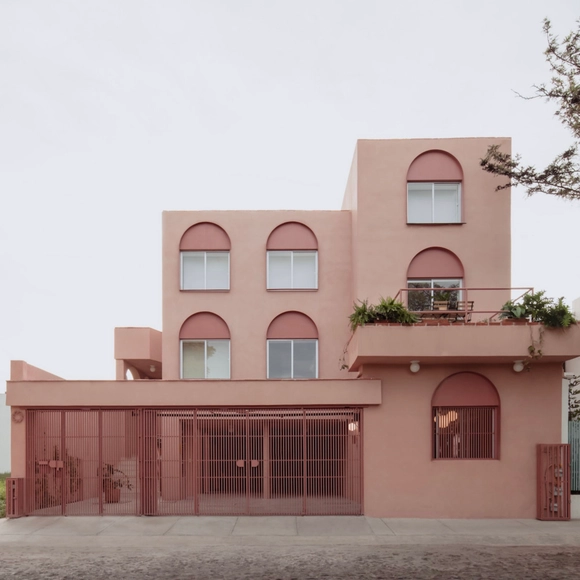
One way to employ color is through monochrome, a design technique that involves using a single tone or color in a space. In architecture, monochrome is a powerful tool where different shades can be created through the play of lights and shadows, generating spaces that offer unique experiences to their inhabitants.
https://www.archdaily.com/1006545/how-to-apply-the-monochrome-technique-in-architecture-examples-in-mexicoMónica Arellano
The Impact of Pigmented Concrete in Latin American Residential Architecture
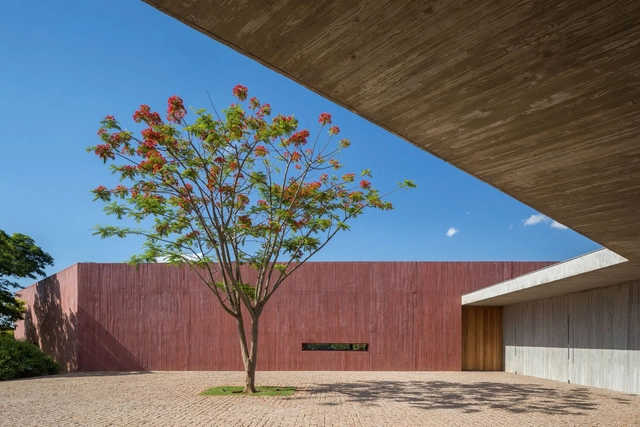
The use of pigmented concrete in Latin American architecture is growing - and influencing contemporary architectural expression. This can be seen in recent built works ranging from the INES Innovation Center designed by Pezo von Ellrichshausen in Chile to the Teotitlán del Valle Community Cultural Center by PRODUCTORA in Mexico.
https://www.archdaily.com/1006159/the-impact-of-pigmented-concrete-in-latin-american-residential-architectureAgustina Iñiguez
Materials That Define the Contemporary Mexican Architectural Aesthetic
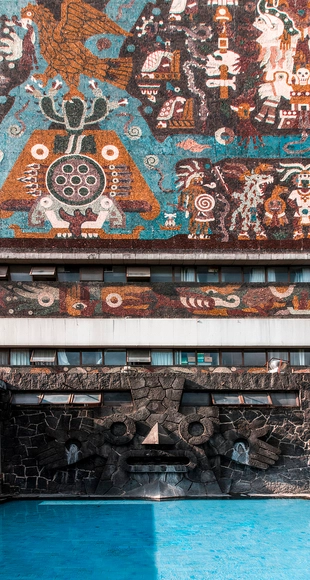
From the pre-Columbian period of the Americas –during which cultures such as the Olmec, Maya, Purepecha, and Mexica (Aztec) thrived– to the modern era where architecture has been influenced by social movements and even natural disasters, Mexican architecture showcases a valuable architectural expression, with its own unique voice and distinctive characteristics. Nobel Literature Laureate Octavio Paz argued that architecture is an incorruptible witness to history. Likewise, the materials used to shape it have acted as protagonists of that history, enduring in many cases over time and evolving thanks to the generations of architects who have contributed to it, from different perspectives.
To trace a timeline, it is possible to take as a starting point pre-Hispanic architecture, which exhibited a diversity of nuances due to Mexico's vast territorial extension. This allowed diverse cultures to find their niche and develop their characteristic architectural styles. Subsequently, the era of Spanish colonization, which itself drew influence from Islamic architecture, represented a noteworthy turning point in architectural development. This phase endured until the advent of Mexican Independence in the 19th century. In turn, this marked the initiation of social and cultural movements, both during and after the Mexican Revolution in the early 20th century.
https://www.archdaily.com/1005554/materials-that-define-the-contemporary-mexican-architectural-aestheticEnrique Tovar
How to Design a House with Less than 75 m2? Examples of Houses and Apartments in Mexico
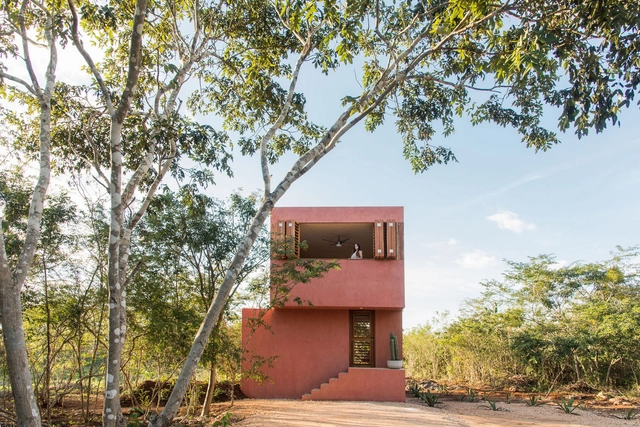
Small homes are a common reality in many urban areas around the world for various reasons. These homes made up of small houses or compact apartments, have become increasingly popular due to the shortage of land and high housing prices in urban areas. Although their size may be limited, contemporary architecture practices focus on intelligent designs to maximize available space and offer comfort to their inhabitants. They often offer efficient layouts, with multifunctional areas that adapt to needs. In addition, some of them integrate innovative design and furniture solutions to optimize space and provide additional storage.
https://www.archdaily.com/1001460/how-to-design-a-house-with-less-than-75-m2-examples-of-houses-and-apartments-in-mexicoMónica Arellano
Pastel Colors in Architecture and Their Lasting, Calming Appeal
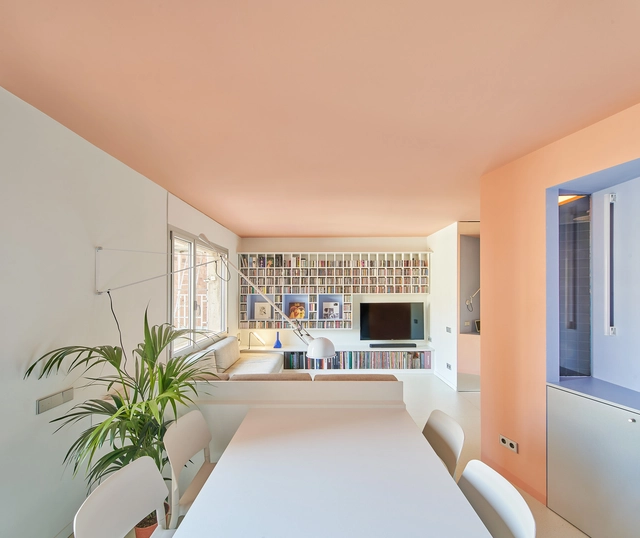
With a high proportion of white mixed with a small amount of colorful pigments, pastel colors provide a range of pale, subdued tones. Related to soothing and calming environments, these colors have a timeless quality and can be seen throughout different architectural styles, such as rococo, art déco or the mid-century modern years. Applied in exteriors, interiors, or both, pastel tones make rooms feel more light, airy and spacious.
From subtle accents to taking the spotlight in a project’s overall strategy, pastel colors are a versatile alternative that can be used in multiple ways and varying degrees. Following Ricardo Bofill’s color proposals, Paulo Mendes da Rocha’s interiors and Michael Graves’ buildings, contemporary architecture plays with soft colors for aesthetic and functional purposes, as well as providing a sensory experience. Analyzing different examples of their application in architecture and design, we showcase how four prevailing colors –mint green, pale pink, lemon yellow and light blue– are currently taking the stage.


https://www.archdaily.com/999215/pastel-colors-in-architecture-and-their-lasting-calming-appealCamila Prieto
Cañada House / Escobedo Soliz
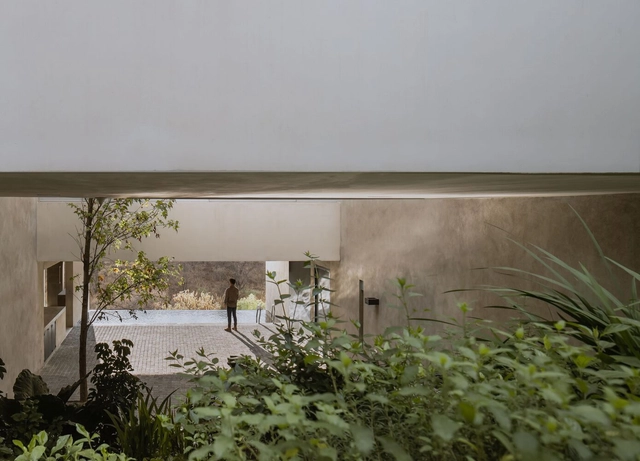


https://www.archdaily.com/999060/canada-house-escobedo-solizBenjamin Zapico
Living on the Edge: Houses Adapted to Extreme Weather Conditions
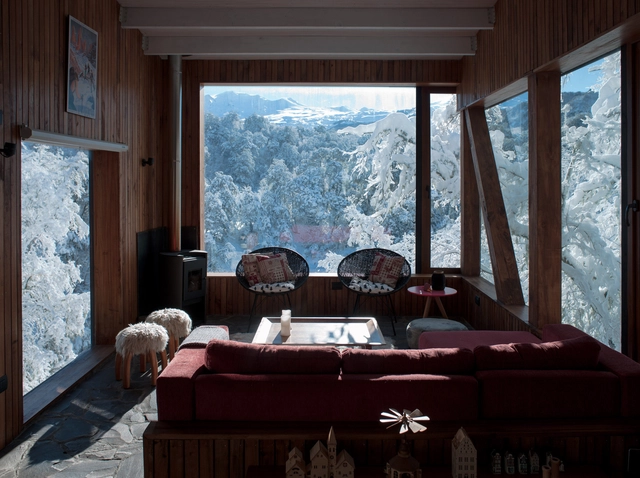
In each region of the globe, vernacular constructions of the most varied kind emerged, whether buried underground, inside caves or even built with stones, wood and fabrics. Shelter solutions were based on available materials and weather conditions. The architecture arises from the development of these shelters, built to protect people from predators and the weather.
The construction solutions employed thousands of years ago have evolved and become increasingly complex but kept a common goal: dealing with the weather.


https://www.archdaily.com/993860/living-on-the-edge-houses-adapted-to-extreme-weather-conditionsGiovana Martino
Entorno Tulum Residences / Jaque Studio
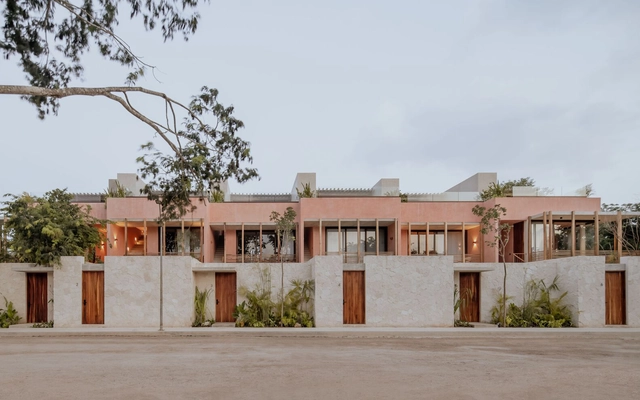


https://www.archdaily.com/997704/entorno-tulum-residences-jaque-studioPilar Caballero
UNHO Apartments / Téctonico
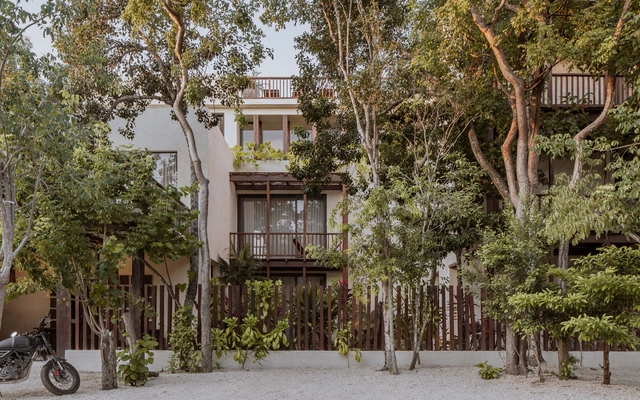


https://www.archdaily.com/1060931/unho-apartments-tectonicoPilar Caballero