
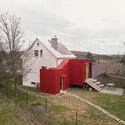
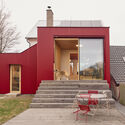
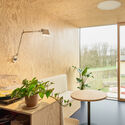
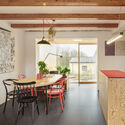
House With a Red Addition / Facha architekti
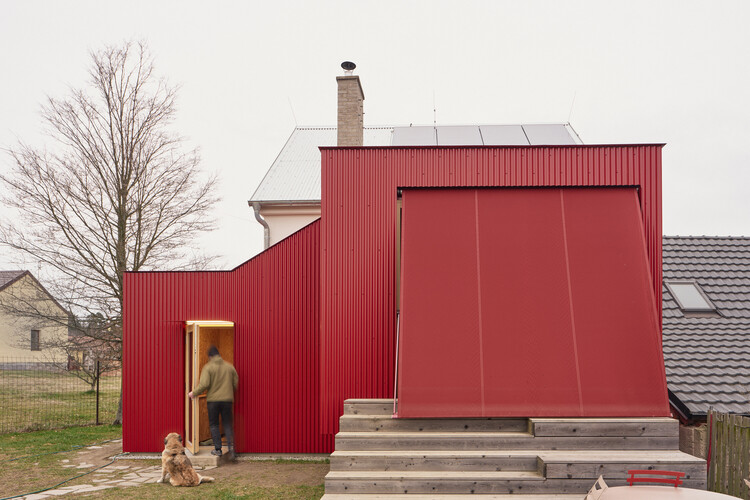
https://www.archdaily.com/1186489/house-with-a-red-addition-facha-architektiValeria Silva
World Monuments Watch 2027 Nominations Point to Government Austerity, Climate Impact and Skills Shortages as Main Threats to Heritage

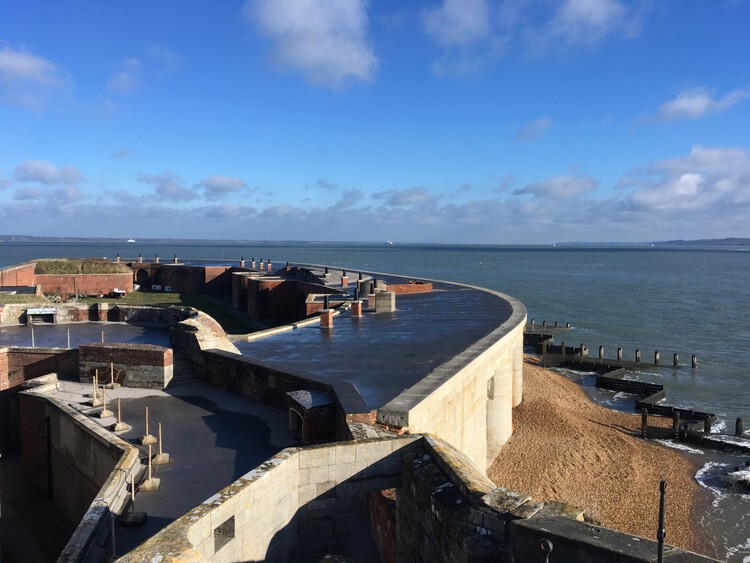
The World Monuments Fund (WMF), an independent nonprofit organization dedicated to the preservation of historic architecture and cultural heritage since 1965, receives nominations through the World Monuments Watch, a flagship advocacy and conservation program. Every two years, the Watch selects 25 sites from the nominations received from individuals and community-based organizations worldwide. Nominations for the 2027 World Monuments Watch closed on March 20, 2026, with a total of 372 public nominations from 84 countries and territories. Before announcing the selected sites in early 2027, the WMF offers an analysis of the nominations. Global data shows three main causes of heritage endangerment worldwide: government austerity, intensifying climate impact, and lack of access to specialized skills and expertise. At a time when political priorities tend to stray from history, the call is to recognize heritage sites as an area of shared opportunity rather than a burden.


https://www.archdaily.com/1186995/world-monuments-watch-2027-nominations-point-to-government-austerity-climate-impact-and-skills-shortages-as-main-threats-to-heritageAntonia Piñeiro
The Expanded Scope of the Architect: Moving Windmills Innovation Center

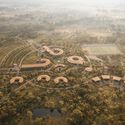
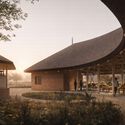
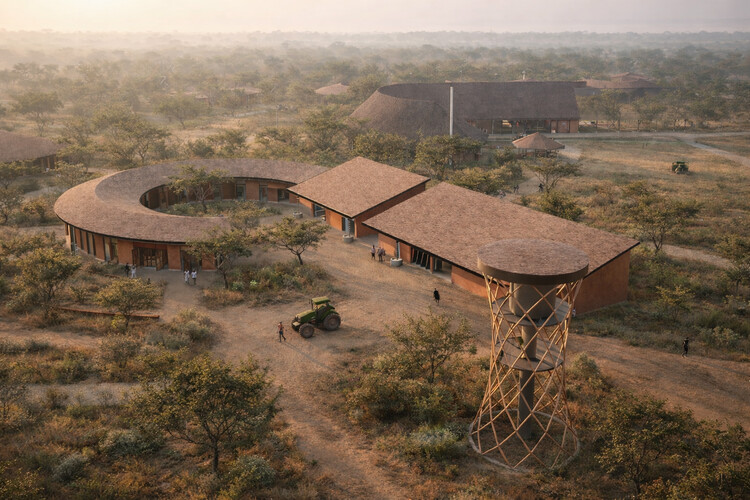
What do architects do? This age-old question reveals the perennial dichotomy between two aspects of building–how to construct, and why to build. Despite its ancient origins and its name deriving from Ancient Greek, the profession is one that has transformed over the centuries. Its present-day form, usually dated to the Italian Renaissance, makes a distinction between the act of building and the intellectual and aesthetic decision-making behind it. However, we may be in the midst of another nascent transformation. The commissioning of architecture has historically remained separate from the practice, but as can be seen in the work of MASS and projects like the Moving Windmills Innovation Center, this distinction is beginning to blur.


https://www.archdaily.com/1186702/the-expanded-scope-of-the-architect-moving-windmills-innovation-centerMohieldin Gamal
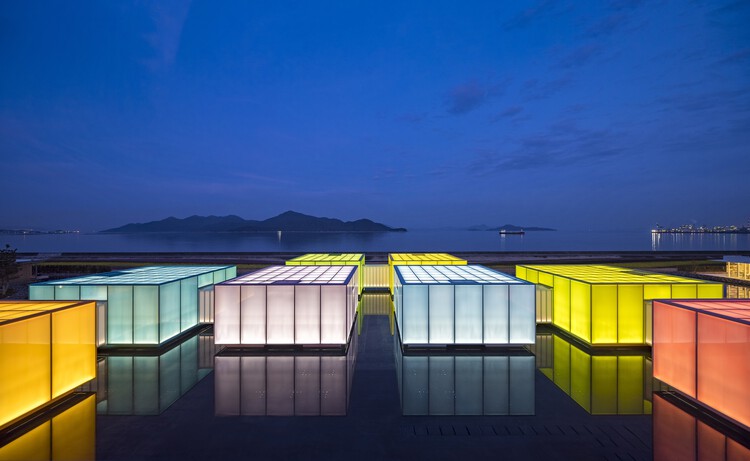
SIMOSE Museum & Auberge / Shigeru Ban Architects

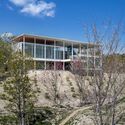

-
Architects: Shigeru Ban Architects
- Area: 7421 m²
- Year: 2023
-
Manufacturers: Hansgrohe, LOTTE CHEMICAL, Toto, A&A Material Corporation, CERA, +28
https://www.archdaily.com/1186422/simose-museum-and-auberge-shigeru-ban-architectsPratik Mour
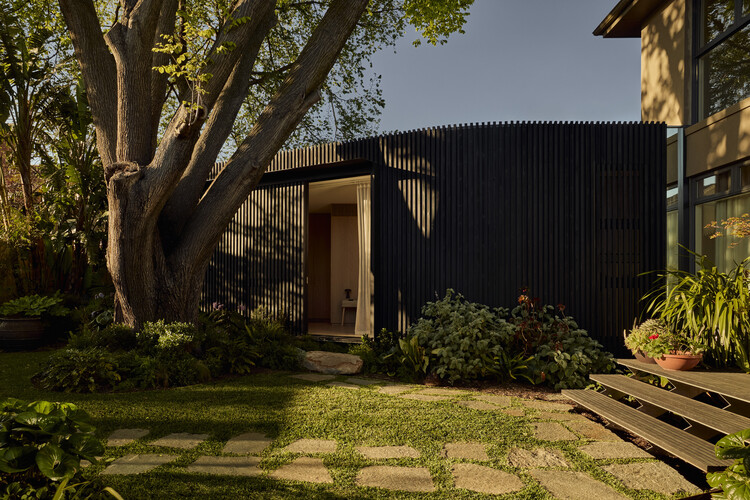
Holland Grove / Blair Smith Architecture


-
Architects: Blair Smith Architecture
- Area: 335 m²
- Year: 2024
-
Manufacturers: APATO, Thermory
https://www.archdaily.com/1186205/holland-grove-blair-smith-architectureMiwa Negoro
Renovation of the Core Area of TAFA Art Block / Mix Architecture

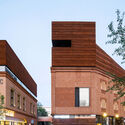
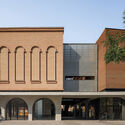
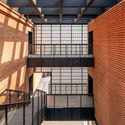
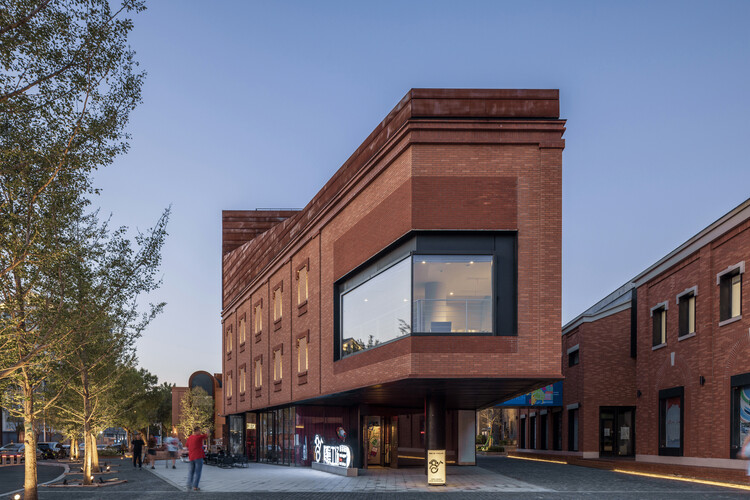
-
Architects: Mix Architecture
- Area: 17894 m²
- Year: 2026
https://www.archdaily.com/1186609/renovation-of-the-core-area-of-tafa-art-block-mix-architecture韩爽 - HAN Shuang
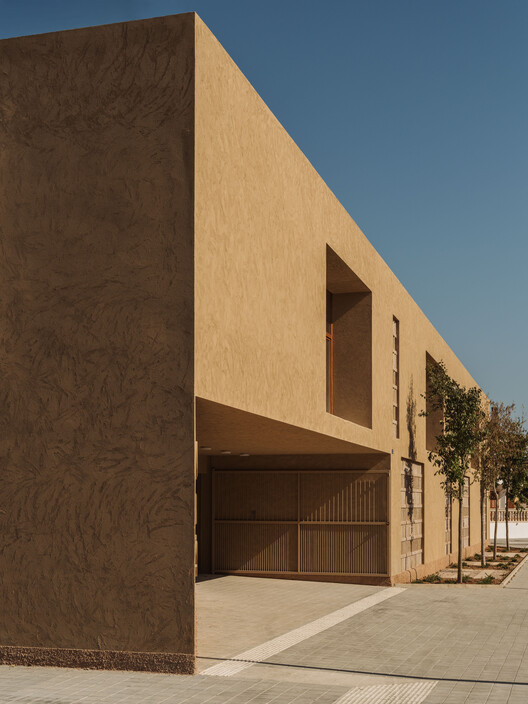
Son Ferriol Health Centre / LaBoqueria

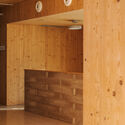
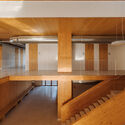
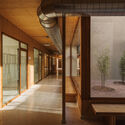
-
Architects: LaBoqueria
- Area: 2500 m²
- Year: 2026
-
Manufacturers: Fetdeterra, Madergia
https://www.archdaily.com/1186927/son-ferriol-health-centre-laboqueriaCristina Popescu
Ibitipoca House / Gávea Arquitetos

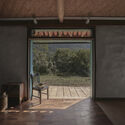
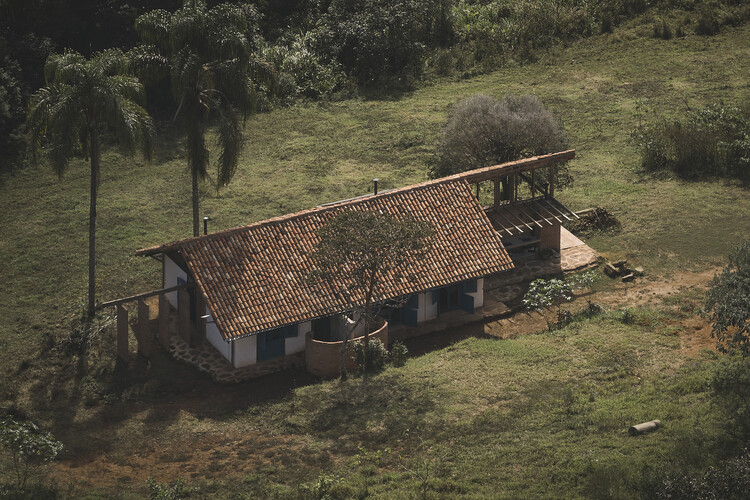
-
Architects: Gávea Arquitetos
- Area: 135 m²
- Year: 2025
https://www.archdaily.com/1186971/ibitipoca-house-gavea-arquitetosNana Dokua
Casa de Tierra / Walter Fernando Castañeda Luquerna

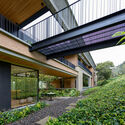
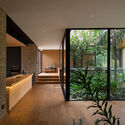
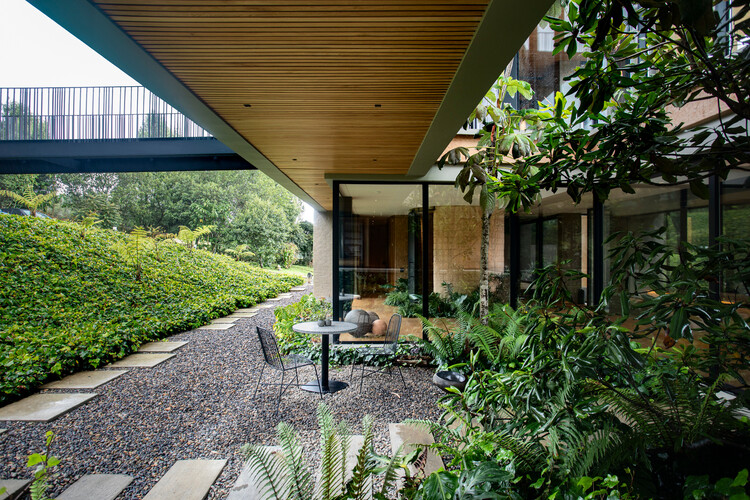
https://www.archdaily.com/1186928/casa-de-tierra-walter-fernando-castaneda-luquernaValentina Díaz
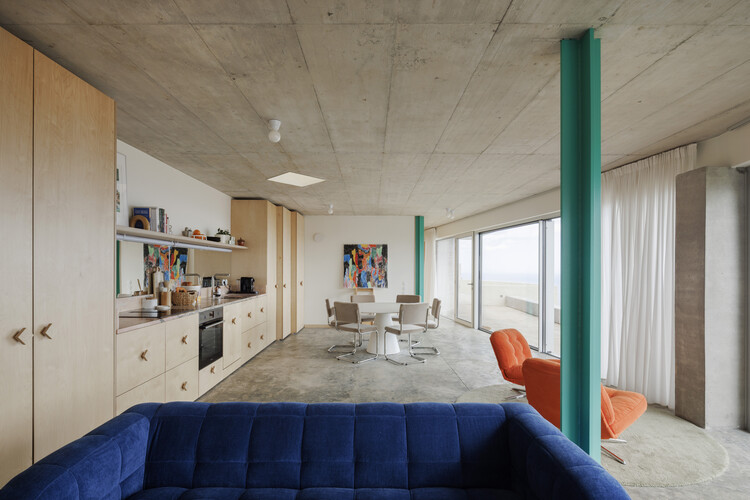
Loungueira House / Pontoatelier

-
Architects: Pontoatelier
- Area: 90 m²
- Year: 2026
https://www.archdaily.com/1186863/loungueira-house-pontoatelierSusanna Moreira
Burden Museum & Gardens Welcome Center / Eskew Dumez Ripple

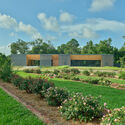
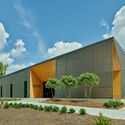
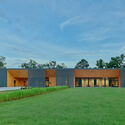
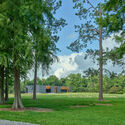
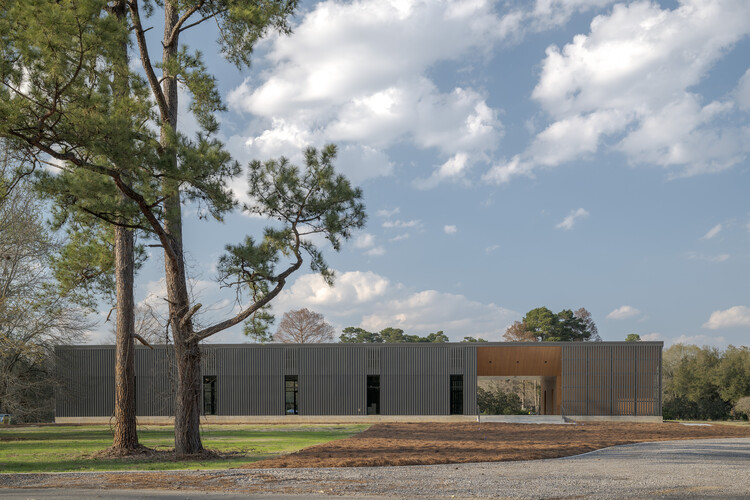
-
Architects: Eskew Dumez Ripple
- Area: 6500 ft²
- Year: 2026
https://www.archdaily.com/1186837/burden-museum-and-gardens-welcome-center-eskew-dumez-rippleSusanna Moreira
Centre Pompidou Francilien — Fabrique de l’Art / PCA-STREAM


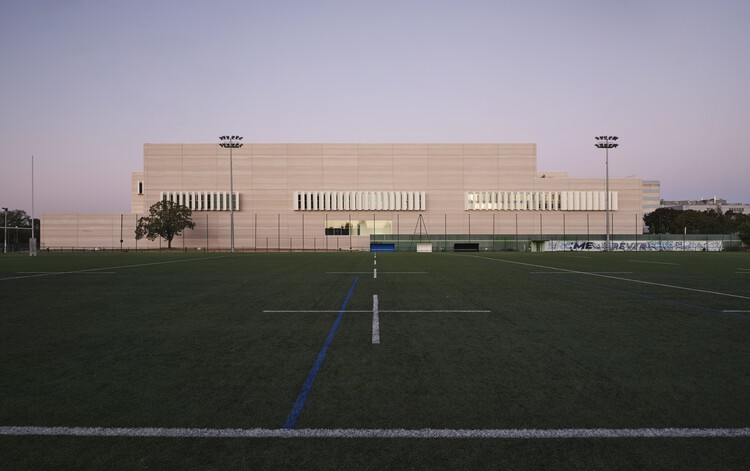
-
Architects: PCA-STREAM
- Area: 28923 m²
- Year: 2026
https://www.archdaily.com/1186405/centre-pompidou-francilien-fabrique-de-lart-pca-prellwitz-chilinski-associatesCristina Popescu
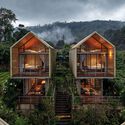
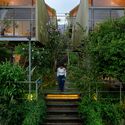
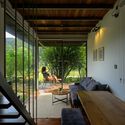
Azenya Villas / KWCA - Kosala Weerasekara Chartered Architects


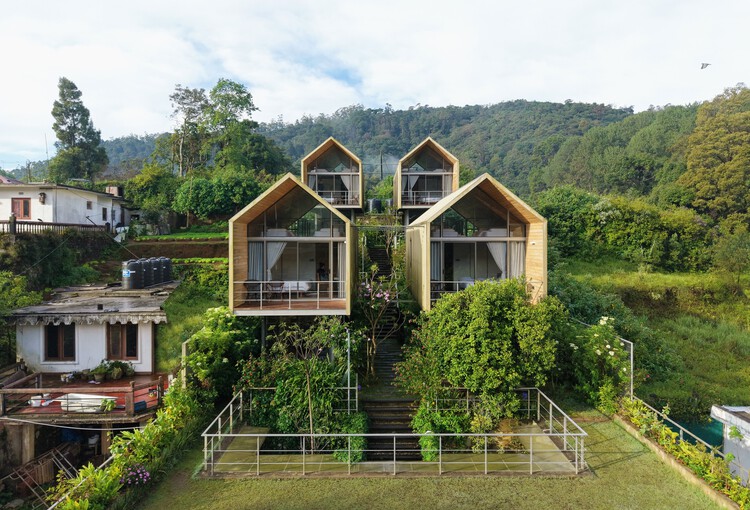
-
Architects: KWCA - Kosala Weerasekara Chartered Architects
- Area: 5000 ft²
- Year: 2025
https://www.archdaily.com/1186590/azenya-villas-kwca-kosala-weerasekara-chartered-architectsPratik Mour
How to Turn an Attic Into Usable Living Space
| In Collaboration

What happens to the space beneath a roof? In many houses, the answer is simple: it becomes an attic, a storage space, or a largely unused volume between the upper floor and the roof. Yet the same space can become a bedroom, home office, playroom, or additional living area if the roof and the room beneath it are considered together.
This potential matters in both existing buildings and residential architecture. Converting an attic can add usable space without extending the building's footprint, while designing a new house with a usable roof space in mind can make it more adaptable over time. The question is therefore not only how to convert an attic, but how to recognize the architectural potential of underused space created by a sloped roof.
https://www.archdaily.com/1186269/how-to-turn-an-attic-into-usable-living-spaceKiana Buchberger
UN-Habitat Highlights Housing Initiatives and sauerbruch hutton Completes Timber-Hybrid Building in Berlin: This Week’s Review

This week, questions about housing, safety, and the future of cities came into focus, from the impact of natural hazards to architecture's role in shaping more inclusive urban environments. The International Day for Disaster Risk Reduction, observed on October 13 under the theme "Resilience Starts at Home," highlighted these questions just days after a magnitude 7.7 earthquake struck Panama, damaging buildings and prompting evacuations nationwide. Beyond disaster preparedness, the week's developments also reflect broader efforts to address housing needs, give existing buildings new purposes, and create spaces that support education, culture, and public life.
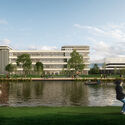
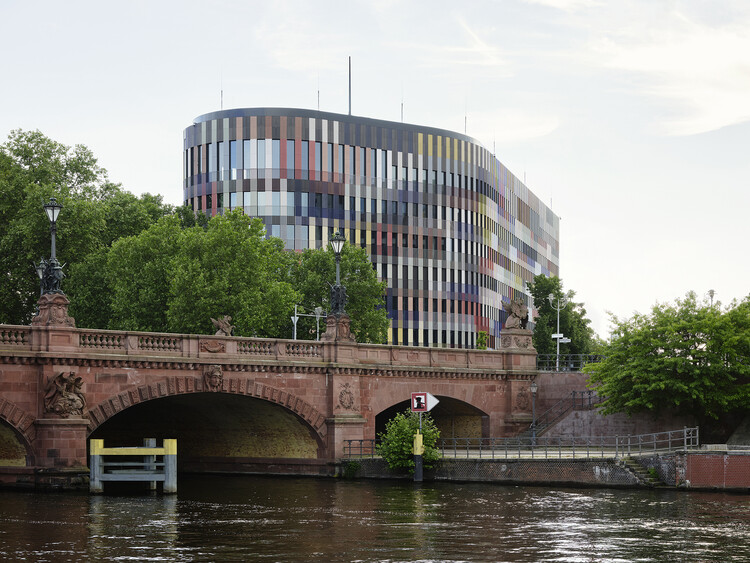
https://www.archdaily.com/1186880/un-habitat-highlights-housing-initiatives-and-sauerbruch-hutton-completes-timber-hybrid-building-in-berlin-this-weeks-reviewReyyan Dogan
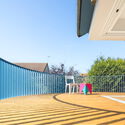
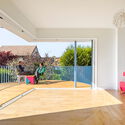
La Maison en bord de mer / Terres terres

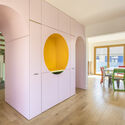
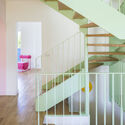
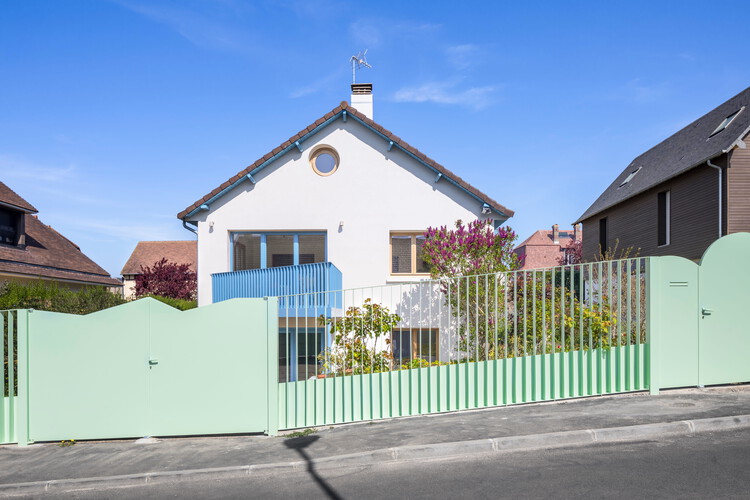
-
Architects: Terres terres
- Area: 240 m²
- Year: 2025
https://www.archdaily.com/1186572/la-maison-en-bord-de-merCristina Popescu
OODA and LJ-Group Transform a Prague City Block into a Permeable Mixed-Use Complex with a Landscaped Central Plaza

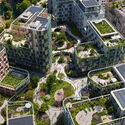
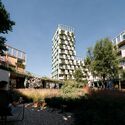
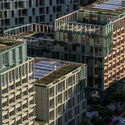
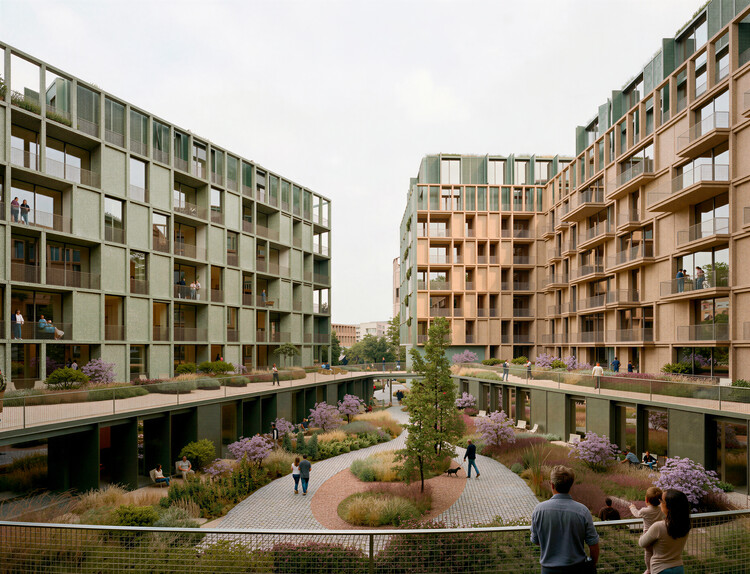
Portuguese architecture and urbanism practice OODA has released new images of an urban design project in Prague, Czech Republic. The design transforms an existing building block into a permeable site with municipal social housing, commercial units, and a landscaped central plaza. The project, titled Kodaňská 1441, prioritizes walkability, green mobility and public space. In addition to opening new connections between the existing building and the urban fabric, it includes a landscape design by LJ-Group and a water management system that increases the permeable surfaces of the courtyard by 21.5%. The project is an example of urban renewal that incorporates contemporary concerns such as communal spaces, a regulated relationship with public space, planted environments, and the sustainable use of natural resources.

https://www.archdaily.com/1186855/ooda-transforms-a-prague-city-block-into-a-permeable-mixed-use-complex-with-a-lanscaped-central-plazaAntonia Piñeiro
Architecture Between Land and Water: Design Lessons from the Bayou

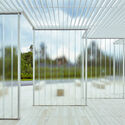
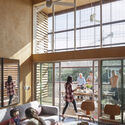
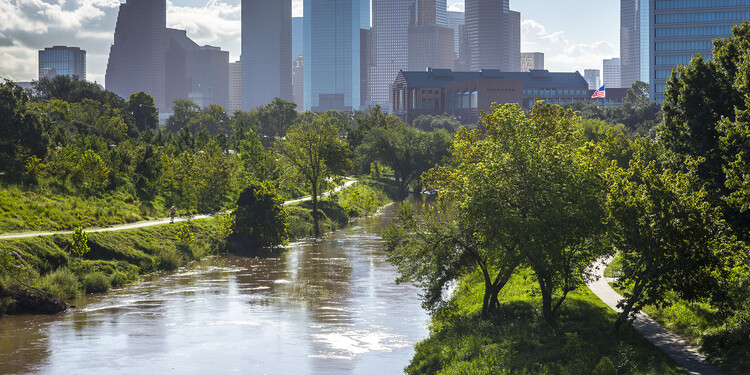
A bayou is a slow-moving body of water, typically a creek or river that winds through low, flat terrain in a broader wetland landscape. Found throughout the Gulf Coast, bayous are distinct from swamps, which contain forested wetlands characterized by standing water, and from marshes, where tall grasses and herbaceous plants grow in saturated soils. The currents of a bayou landscape support biodiverse ecosystems of plants, trees, insects, birds, and fish, while the shifting water levels, saturated ground, humid air, heavy rainfall, and long, hot summers create a blurry environment between land and water, wet and dry, interior and exterior.

https://www.archdaily.com/1186701/architecture-between-land-and-water-design-lessons-from-the-bayouOlivia Poston