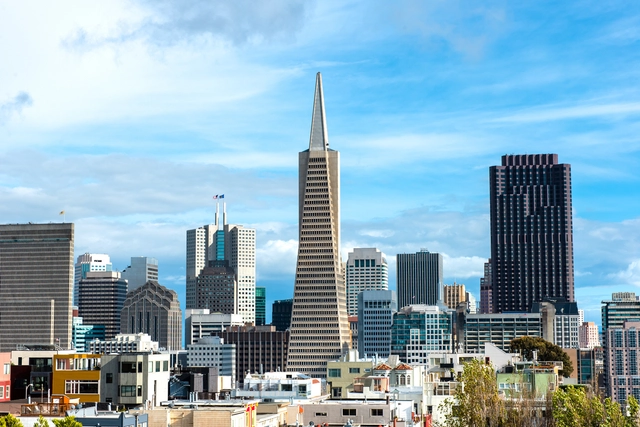
The Transamerica Pyramid, a landmark in the skyline of San Francisco, is undergoing a revitalization project led by Foster + Partners and luxury real estate developers SHVO. Built in 1972, the 48-story Brutalist-style project was designed by American architect William Pereira, and was the tallest building in San Francisco for nearly half a century. The renovation will be the largest in the building’s 50-year history, will also see the expansion and upgrade of the adjacent Three Transamerica (545 Sansome).
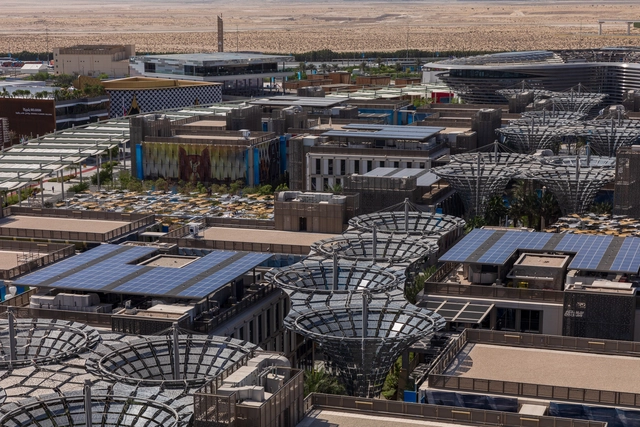
During the past two years spent photographing Expo 2020 Dubai, I was often asked by friends what exactly it was. To align with its closure on the 31st of March, I would like to address that question from two angles. Most readers will be aware that the expo is part of a tradition dating back to the 19th century - a Showcase for companies and countries, a tourist attraction, a testing ground for technical innovation. But it is also a collection of paradigm studies on opportunity, sustainability, and mobility, as well as a lucrative building project creating a new neighbourhood in the Emirates and a future means of dwelling. Perhaps this last frame of reference is the most interesting for it is what most distinguishes this expo from others.
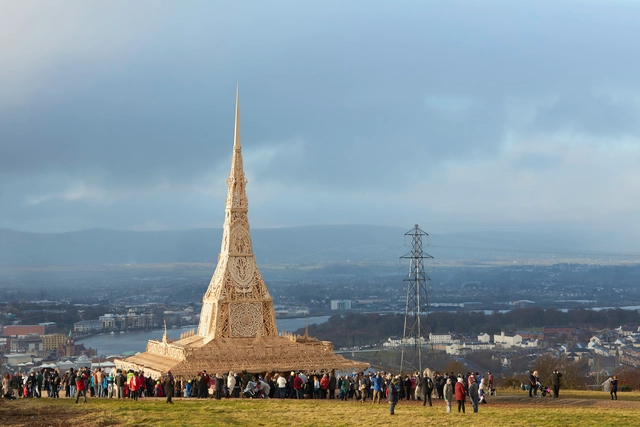
To honor the losses caused by the pandemic over the past two years, a temporary national memorial will be built in Bedworth’s Miners' Welfare Park in England on May 21st until May 28th. Designed by artist David Best, Sanctuary will serve as a powerful symbol of catharsis and rebirth for the whole community, giving them the chance to grieve the losses caused by the pandemic by writing messages or leaving mementos on the walls of the installation, which will then be burned on its last day.
You may have heard an architect colleague say that he chose to study architecture because of the numerous possibilities of action that this degree allows. The field of architecture is, in fact, very extensive, through which it is possible to embark not only on the most “traditional” attributions, but also to venture into various specificities that comprehend the role of the architect and urban planner.
The 8th March is a date set by the UN in 1975 to remember the struggle for equal rights and universal suffrage. This commemoration brings together the efforts of women who demanded their right to vote, work, professional training, hold public office, and fight discrimination in the workplace. This struggle is the fruit of the work of women who sacrificed themselves for the cause. Various events that we experience on a daily basis show that the social situation has changed. However, it is essential that both men and women commit themselves to progress and justice in order to make things happen.
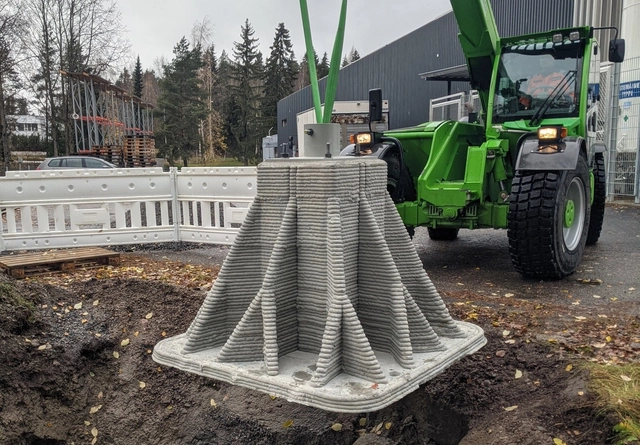
After water, concrete is the second most-consumed material on the planet and its production is substantially growing, expected to increase from 4.4 billion tons, reaching production up to 5.5 billion tons by 2050. Unfortunately, this comes at a huge environmental cost, accounting for almost eight percent of the global carbon emissions. With this estimated expected growth, stakeholders in the construction industry must work on integrating sustainable building materials and innovative processes.
This past January, the Municipal Government of São Paulo, one of Latin America's largest cities, released the results of its Census of the Homeless Population, presenting its socioeconomic characterization and a territorial profile. Recent GDP data, along with the census findings, demonstrate the impacts of the pandemic and the economic and political crisis on society, confirming what is being reflected across major Brazilian cities.
Once reserved for hospital environments or highly controlled laboratories, biosecurity has become a shared concern for many of us, especially considering that we spend most of our time indoors. With new outbreaks of the Covid-19 Delta variant detected in various states—driving a 9% increase in the epidemiological curve—families continue to seek the protection and resources needed to safeguard their spaces, ensuring sanitary safety against constant exposure to infections, viruses, and bacteria that pose potential health risks.
As part of the activities at the Casa del Lago cultural center, located in Mexico City's Chapultepec Forest, the installation "Ephemeral Bubbles" by Plastique Fantastique will be on display in the venue's gardens from March 24 to April 2. Based in Berlin, Germany, the creative laboratory experiments with temporary interventions and carries out artistic projects worldwide.
Cortesía de Consejo Superior de los Colegios de Arquitectos de España
To promote the key, transformative role of architecture in improving quality of life and contributing to a better world, the Higher Council of Colleges of Architects of Spain (CSCAE) is revamping the awards it has presented since 1981 with the launch of the first edition of the ARQUITECTURA Awards.
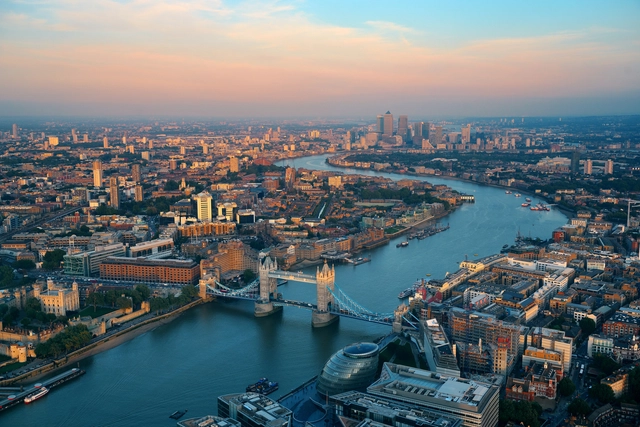
Global Finance's ranking of the world's best cities to live in, during 2022 has just been released. Centered on 8 different parameters that calculate and compare the quality of life of people living in urban areas such as economy, culture, population, environment, etc., this year’s edition also took into consideration Covid-19 deaths per thousand for each country, to reflect the new reality we live in. With data from the Global City Power index, Johns Hopkins University, Statista, and Macrotrends, the list seeks to have a complete vision, putting together traditional metrics with new factors.
Claiming the first position is London, U.K, a city that although didn’t get high rankings in its Covid-19 metrics, still topped the list, mainly due to its scores in culture, accessibility, and population growth. Tokyo was selected for the second position, showing weakness in one parameter, population, as its numbers have been declining for the past 10 years. Shanghai followed next, in the third position, because of relatively low Covid-19 death figures and strong population growth. Singapore and Melbourne came in 4th and 5th positions.
The NextGen International Taskforce is a collaboration between IE School of Architecture & Design and CPA NextGen, bringing together international talent to exchange ideas on the real-estate industry and built environment. This group of NextGen professionals typically gathers on a bi-monthly basis to address topics such as sustainability, inclusivity, technology, cities and wellbeing.
These conversations look at the future of cities and how to build a better future for people and businesses. In this edition, held on January 25th, 2022, a group of 12 professionals came together to discuss the topic of sustainable mobility, also touching on the future of remote work and its impact on housing.
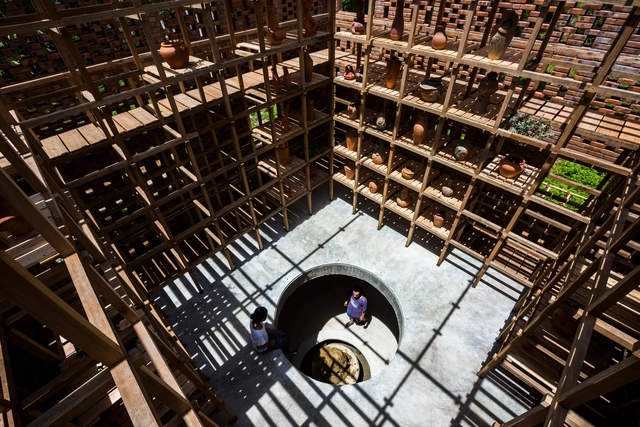
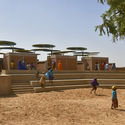
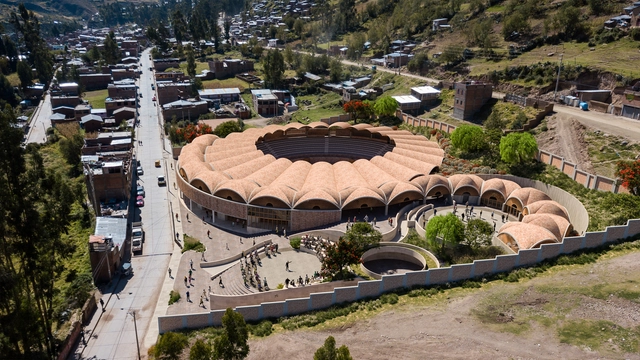
The Design Educates Awards, the awards that annually recognize the best projects that respond to complex social and environmental contexts and carry educational value, have just announced the results of the 2022 edition. The awards look for what will have a lasting impact on users and the environment and showcase the world's best ideas and realizations that can educate.
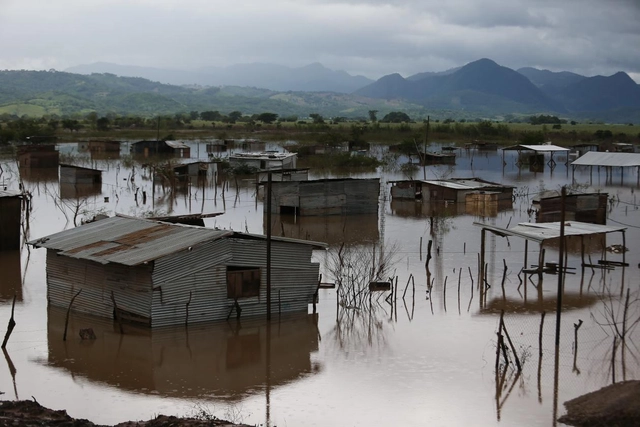
Flooding after a Category 4 hurricane in Nicaragua. The increased intensity of storms is linked to climate change. Photo: European Union, 2020/D. Membreño
High in the Andes, glaciers have retreated and shrunk under the effects of climate change. Around four million people depend on the glaciers for water, yet they have lost nearly a meter of thickness over the last 20 years.
https://www.archdaily.com/1132495/commitments-ambition-and-frustration-latin-americas-progress-on-climate-issuesAlex Simpkins, Caroline M. Rocha Frasson, Héctor Donado e Carolina Genin
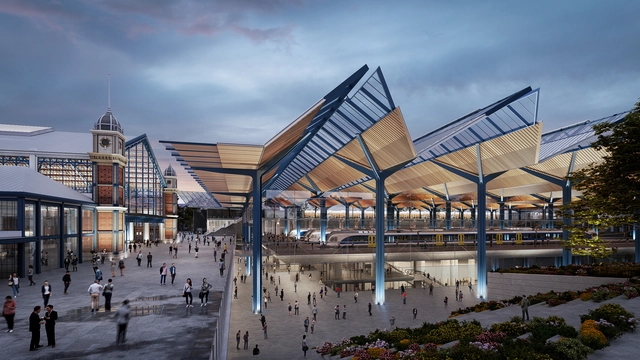
Grimshaw, in collaboration with Nautes Architects, WSP, Vogt and Turner & Townsend, have been awarded first place in an anonymous competition for the renewal of Budapest Nyugati Railway Station. Selected from a shortlist of 12 international design firms, the winning design creates a "permeable station campus" with a series of car-free streets, walkways, public squares and a park, which open up the station complex to the city and restores its significance as one of the most vibrant and historic cities in Europe.
The Zero Carbon policy is intended to create a kind of ecological balance to neutralize greenhouse gas emissions. Several studies report that the construction sector is one of the main responsible for the unbalance in which we find ourselves today, after all, it consumes natural resources on a gigantic scale and still builds buildings that do not collaborate with the maintenance of the environment. Therefore, searching for paths towards a carbon neutral architecture has become fundamental and one of them is learning from past masters, such as the Brazilian architect João Filgueiras Lima, known as Lelé.
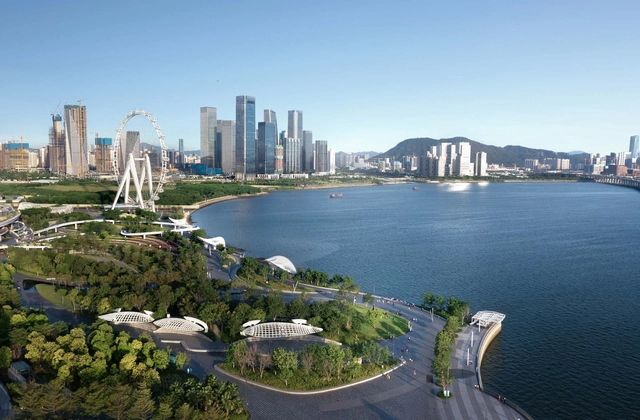
Coastal cities have always been a point of attraction for residents, tourists, and businesses. Alongside the aesthetic features, their proximity to the sea has made these cities a focal point for maritime transportation with the construction of ports, as well as hotspots for recreational and aquacultural activities. However, the past decades saw these particular regions threatened with a shortened lifespan; rising water levels, floods, and recurring cyclones, along with other natural disasters, have endangered coastal communities, putting their population, ecosystem, and built environment at risk.
Pritzker Prize 2022 Laureate Francis Kéré is known for “empowering and transforming communities through the process of architecture”, as the jury stated in its citation. In this recently published video, Martha Thorne, Dean of IE School of Architecture and Design and former executive director of the Pritzker Architecture Prize, shares some of the reasons why Francis Kéré has won the Pritzker Prize 2022.
In 2014, when The Guardian reporter Ben Quinn opened the eyes of citizens worldwide to hostile urban design practices, coining what would become known as the "hostile architecture" phenomenon, few expected such a massive global response. A myriad of urban design strategies came to light, which restrict civic participation and segregate how the city is appropriated—elements that curb specific behaviors and hinder access and presence for certain social groups. These codes of conduct, dictated by urban design, run counter to everything studied about democratic, welcoming cities, as championed by Jan Gehl and Jane Jacobs.
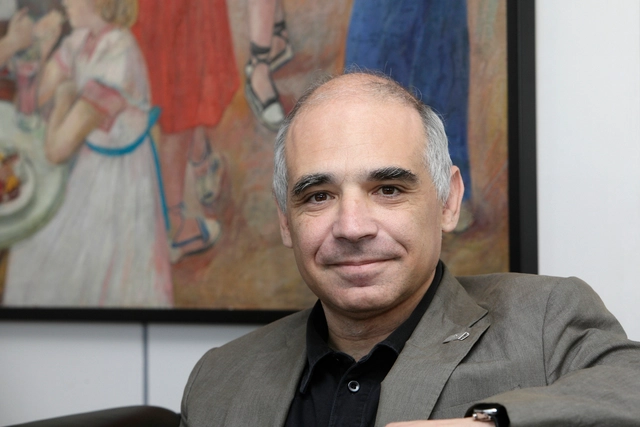
Lluís Comerón, Medalla de Oro de la Arquitectura 2022. Image Cortesía de CSCAE
Spanish architect Lluís Comerón, who recently passed away at 62, has been recognized for his tireless professional practice with the Gold Medal of Architecture. The High Council of Colleges of Architects of Spain (CSCAE) has posthumously awarded the Gold Medal of Architecture to Catalan architect Lluís Comerón Graupera, who served as president of the institution during the 2018–2022 term.
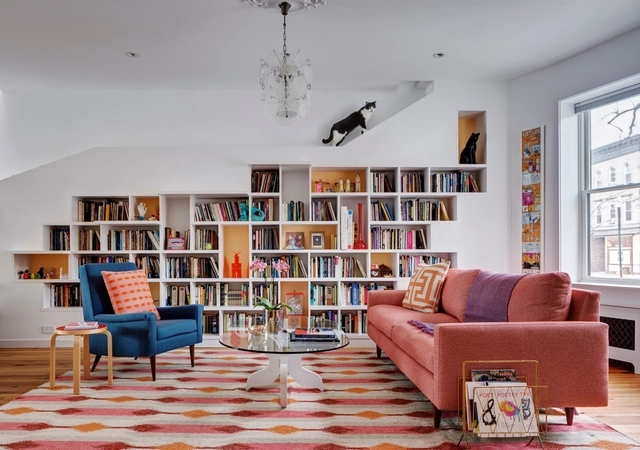
In times of an ongoing global pandemic and constant video meetings, more and more people are leveraging their bookshelves at home to not only create appropriately stylish screen backdrops but also communicate credibility. There’s even a Twitter account on the subject. That being said, not everyone has a library-worthy collection to display or the space to store heavy art volumes. But whatever your personal shelf dream – even if it involves cats – here are five design elements that will help you make the most out of a tool you didn’t know you had, plus real examples of how they are being used to enhance bookshelves in projects around the globe. Head to the bookshelf section on Architonic for further inspiration and concrete product examples.
Ensuring that a project's construction team is working with the most up-to-date information is critical to its success; but this is not an easy task. Document management workflows are often disconnected or disjointed due to manual administrative processes and disparate systems. As a result, poor document management can result in schedule delays, quality issues, expensive rework, budget overruns, and litigation.
Following Qatar's ambitious museum-building project to further promote cultural institutes in the country, Her Excellency Sheikha Al Mayassa bint Hamad bin Khalifa Al Thani, Chairperson of Qatar Museums has announced that OMA, Herzog & de Meuron, and ELEMENTAL will be designing three new museums in Doha that explore the themes of Islamic art, contemporary art, and evolution of the automobile industry respectively.











.jpg?1648618010&format=webp&width=640&height=580)
.jpg?1648617593 "© Erik López / Courtesy of Casa del Lago")
.jpg?1648617566 "© Erik López / Courtesy of Casa del Lago")
.jpg?1648617927 "© Erik López / Courtesy of Casa del Lago")
.jpg?1648617976 "© Erik López / Courtesy of Casa del Lago")
.jpg?1648618010)