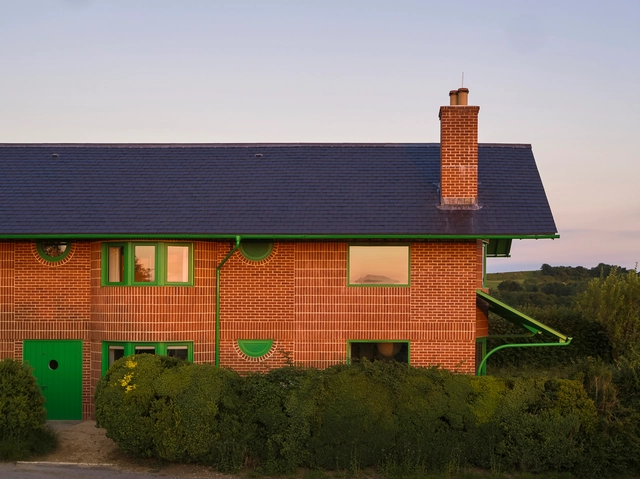
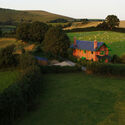
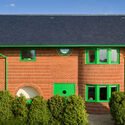
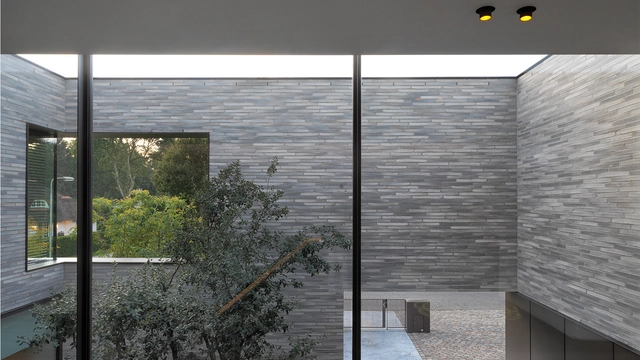
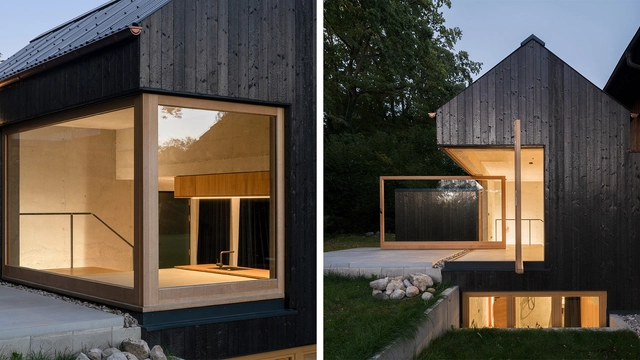
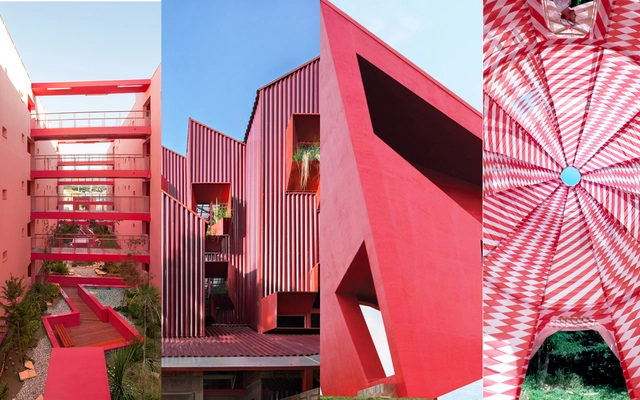
The Royal Institute of British Architects has awarded RIBA House of the Year 2022, to a "contemporary new family house in rural Dorset," the Red House by David Kohn Architects. Inspired by the Arts and Crafts movement, the structure "reinterprets the style in an intentionally provocative way [...] [with] playful eccentricity, including oversized eaves, patterned red brickwork, and contrasting bold green details".
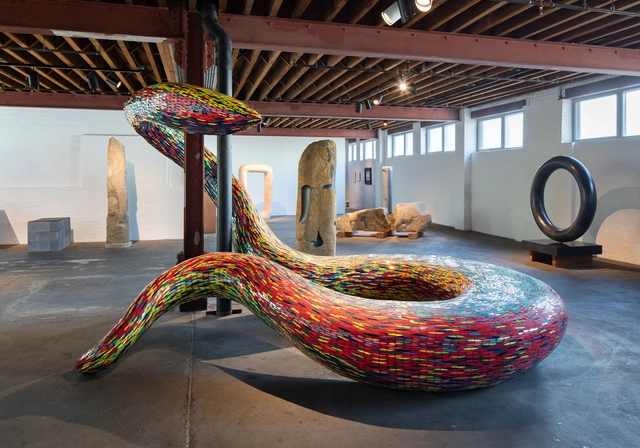
On October 19, the exhibition 'In Praise of Caves: Organic Architecture Projects from Mexico by Carlos Lazo, Mathias Goeritz, Juan O'Gorman, and Javier Senosiain' opened in New York, spanning multiple first-floor galleries at the Noguchi Museum. This space—conceived by the Isamu Noguchi Foundation and Garden Museum, which was founded in 1985 by the category-defying artist Isamu Noguchi—brings together a selection of projects by these four artist-architects. The works explore the adaptation of natural structures to modern life, the practical and environmental benefits of subterranean living, and how humanity might reconnect with the essential joy of living in harmony with nature.
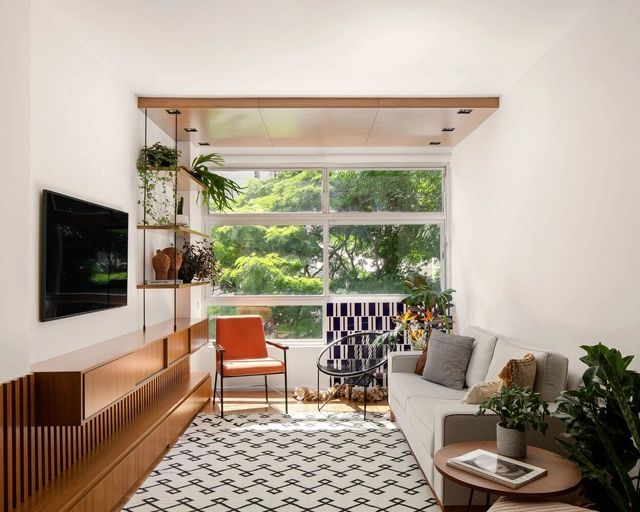
Designing a layout, addressing structural constraints—renovating an apartment requires engaging with an existing structure, which often poses challenges for architects and designers. Whether it is bringing a sense of spaciousness to compact footprints, introducing natural light to darker rooms, or injecting unique character into a standard floor plan replicated across multiple stories, residential design remains central to the profession. Because standing out in this field is no easy feat, we have compiled the Brazilian apartments that received the most visits on ArchDaily Brasil in 2022 to showcase a diverse range of design references.
The Latin American Architecture Biennale (BAL) provides a perspective on the architectural scene—a bridge between Latin America and Spain. Currently organized by the AREA association in collaboration with the Pamplona City Council, the Basque-Navarre Association of Architects, the Government of Navarra, and the Ministry of Development, the event takes place primarily in Pamplona, with extensions in Madrid and Barcelona, alongside a traveling exhibition across the country.
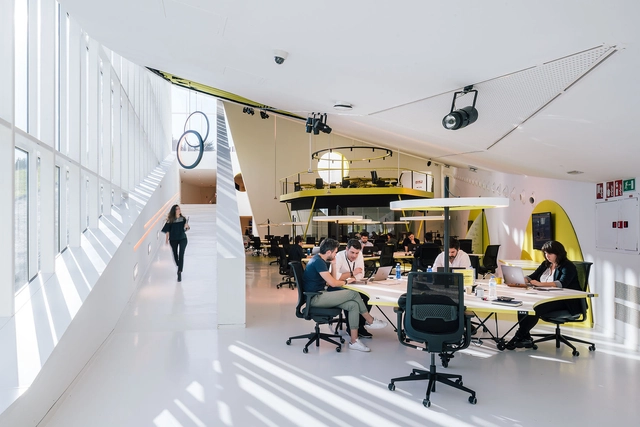
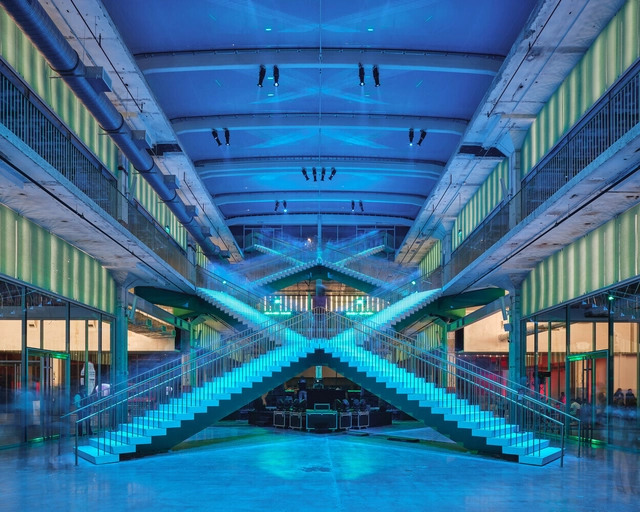
Across Europe, more and more companies are investing in refurbishment. Hoteliers are increasingly seeking out creative design solutions to develop more creative, unique offerings. Airports and train stations are hiring passenger experience experts to create more human centric design solutions. Companies are downsizing physical offices, while exploring ways to enhance remote workplace culture. Employees are prioritizing meaningful work, smaller teams, and opportunities to collaborate, coach, develop skills and get inspired.
And as the line between the physical and digital world is increasingly blurred, a future of interacting in virtual spaces like the Metaverse is quickly becoming a reality.
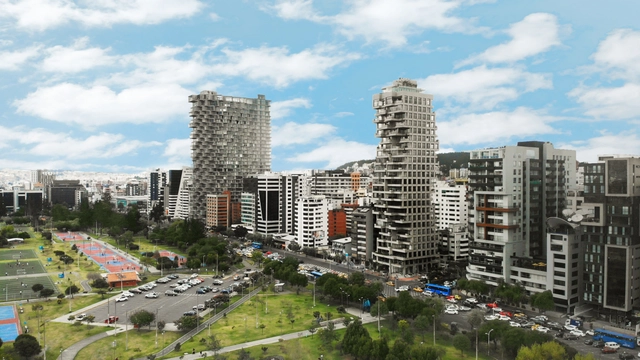
Quito-based developer Uribe Schwartzkopf unveiled two residential projects in the capital of Ecuador: IQON designed by Bjarke Ingels Group, and QORNER, by Safdie Architects. IQON represents BIG’s first project in South America and the tallest building in Quito. QORNER proposes a mix of residences of varying dimensions, complete with amenities such as private terraces, gyms, spas, and pools. To create an engaging interface with the city fabric, a mix of shops, restaurants, and commercial spaces are proposed at the street level.
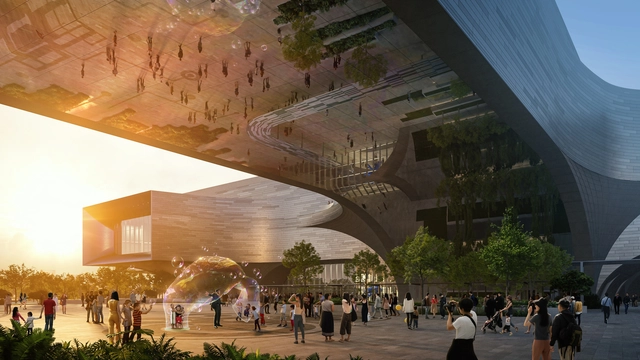
Zaha Hadid Architects and Architects 61 unveiled the design for the new Science Center in the Jurong Lake District, Singapore. The 52,460 square meters complex aims to make science, technology, engineering, and mathematics (STEM) more accessible through specialized amenities, educational programs, and interactive experiences. The building is expected to open in 2027, which also marks the 50th anniversary of the Science Center and aligns with the Singapore Green Plan 2030.
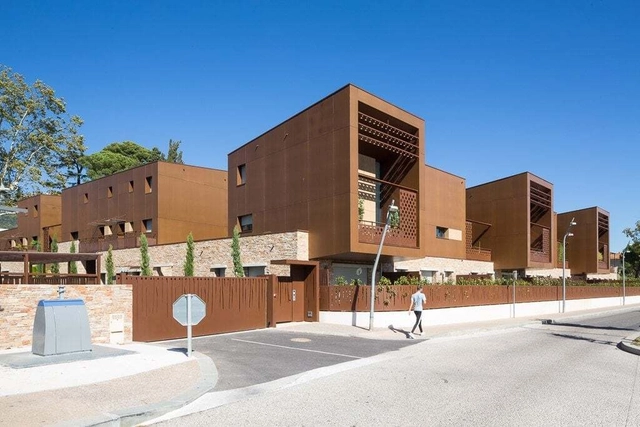
The Lofts of La Baume / Serge Botello, C + B Architect. Image Cortesia de Fundermax
To explain the passage of time, the ancient Greeks relied on two gods: Chronos and Kairos. While the former is represented as ruthless, like a clock that never stops, Kairos evoked the opportune moment for action. In other words, while Chronos is quantitative, Kairos has a qualitative and permanent nature. Indeed, humanity's relationship with the passage of time is not always an easy one.
Buildings are no different. In his seminal work The Seven Lamps of Architecture (1849), John Ruskin argued that only ruined buildings could preserve our past perceptions and, at the same time, allow us to confront our own mortality. In this sense, the marks of time and rubble were crucial witnesses to architectural aging, which, in his view, achieved an aesthetic somewhere between the sublime and the picturesque. Although this is a somewhat controversial perspective, the idea of considering how a building will endure over time has been gaining traction. It is well known that some materials age better than others: while a plastered white wall quickly shows cracks and stains, a stone wall seems to improve with age, blending into its surroundings, for example. Time brings new nuances, tells the story of what has passed, and lends authenticity to surfaces.
Empatitzem / Equal Saree. Image Cortesía de Equal Saree
Equal Saree is an architecture studio based in Barcelona, led by three young architects: Helena Cardona Tamayo, Julia Goula Mejón, and Dafne Saldaña Blasco. All three studied at the Escuela Técnica Superior de Arquitectura de Barcelona (ETSAB), Universidad Politécnica de Cataluña, where they met while taking the subject "Architecture and Politics", taught by Zaida Muxí and Josep María Montaner. The studio is composed of 15 other women architects, in addition to the founding partners.
Annabelle Tan (Bartlett School of Architecture, UCL) for Past, Present and Post-Tropicality: Viewing Singapore through an ‘Infra(-)structural’ Field. . Image Courtesy of RIBA 2022 President’s Medals
The Royal Institute of British Architects has just announced the winners of the 2022 President’s Medals, highlighting the world’s best student architecture projects. In its 186th edition, RIBA’s oldest awards have gathered the highest-ever number of entries, receiving 347 entries nominated by 100 schools of architecture located in 27 countries.
For the 2022 cycle, the RIBA Silver Medal for the best design project produced at RIBA Part 2 or equivalent, was awarded to Annabelle Tan at The Bartlett School of Architecture, UCL, for A Journey through Past, Present, and Post-Tropicality, who was also granted the RIBA Dissertation Medal. The RIBA Bronze Medal (for the best design project produced at RIBA Part 1 or equivalent) went to Mary Holmes at the University of Cambridge for Out of the Closet, Into the Garden.
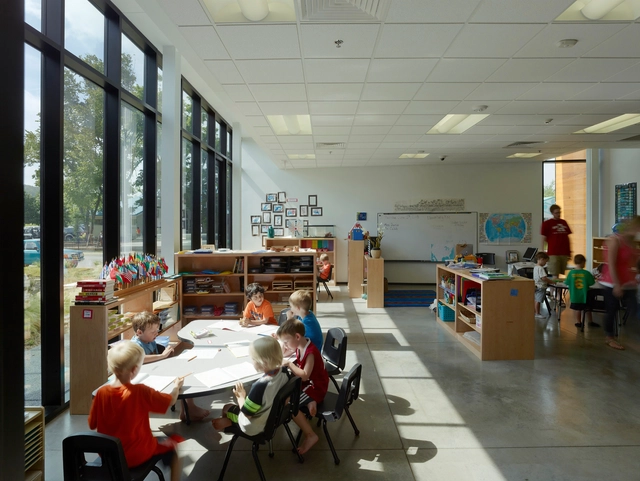
Largely driven by rural migration to cities and overall population growth, 68% of people worldwide will live in urban areas by 2050. By doing so, many will benefit from greater access to basic services, proximity to public transportation, and better education and employment opportunities. But the pursuit of living urbanized lives also leads to isolation from the outdoors –be it a forest, a meadow or the mountains– that can negatively impact our physical and mental health. Exposure to nature has long been proven to reduce stress levels, boost mood, foster productivity and, above all, enhance well-being. So, considering we typically spend around 93% of our time indoors (and that the pandemic has magnified that statistic), now more than ever we find ourselves seeking a connection with the outdoors and all its inherent benefits. Architects thus face the important challenge of bringing nature in, which is precisely where biophilic design comes into play.
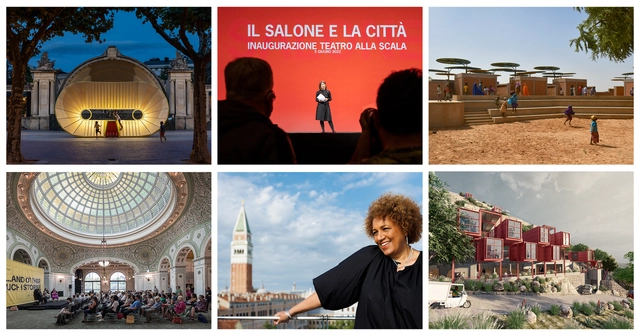
As expressed by 2023 Venice Architecture Biennale curator and architect Leslie Lokko, "after two of the most difficult and divisive years in living memory, architects have a unique opportunity to show the world what we do best: put forward ambitious and creative ideas that help us imagine a more equitable and optimistic future in common."
From Venice's approach to Africa as the lab for the future to Seoul's road to its next 100 years as a megapolis; from Chicago's art-meets-architecture-meets-civic-participation to Sharjah's "beauty of impermanence" in the Global South motto, 2023 will witness a series of architectural events trying to embody those forward ambitious and creative ideas, as explained by Lokko.
Austria – Designed by Büro Wagner – Made by Bau- und Möbelschreinerei Leutenbauer / Photography by Florian Holzherr . Image
This year saw another round of amazing submissions for the FritsJurgens Best Pivot Doors 2022, with an astonishing amount of high-end pivot doors collected – both for interior and exterior doors, movable walls, hidden passages, and more. After a period of deliberation, the jury has made their decision: take a look below at the winners of FritsJurgens Best Pivot Doors of 2022.
CRA - Carlo Ratti Associati and architect Italo Rota have developed a project to transform an 18th-century hospital complex in Modena, Italy, into a multidisciplinary cultural and innovation hub. The master plan for the new hub, called AGO Modena Fabbriche Culturali, includes an origami-inspired kinetic roof designed in collaboration with artist-engineer Chuck Hoberman. The feature will cover a triangular-shaped plaza in the center of the complex. The restoration plan also aims to create flexibility so that the structure can easily adapt to changing future configurations.
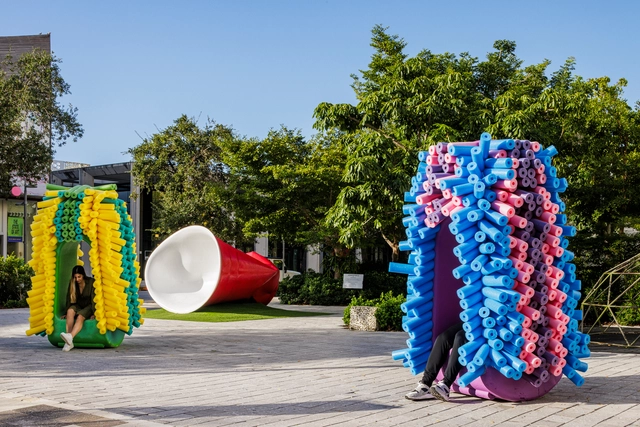
Rock | Roll by Germane Barnes. Image Courtesy of Miami Design District
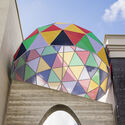
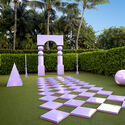
Distinguished for its quality, depth, and diversity, Design Miami 2022 has concluded, giving worldwide collectors and locals the best in contemporary and emerging art and design. Kicking off at the end of November and running through the first week of December, this event ran alongside the annual Art Basel Miami Beach. The ultimate international art fair ranged from interactive installations to art exhibitions by promising up-and-comers to 20th-century masterworks, including Daniel Arsham and Andrés Reisinger, and Stefano Boeri. Also during this event, MetaMundo has presented their Top 50 Creators of the Metaverse - a hand-picked collection of some of the world’s best 3D artists.
For this edition, The Miami Design District has awarded Miami-based architect and designer Germane Barnes and commissioned a multifaceted installation that honors the city's polyethnic culture. Along with other relevant architectural installations during the Miami Art Week, the following selection includes work by Leandro Erlich at Perez Art Museum Miami and Pilar Zeta.
It could be argued that indoor air quality has never received its due attention throughout history. While atmospheric pollution has been considered a threat since the time of Hippocrates in 400 BC, becoming a tangible concern with industrialization during the Industrial Revolution, little is said about comfort conditions in indoor environments. This issue is increasingly critical given that humanity spends about 90% of its time indoors, and the quality of these spaces directly affects long-term well-being and health. In fact, Indoor Environmental Quality (IEQ) encompasses far more than just indoor pollution. It refers to a balance between air quality, acoustics, lighting, temperature, and other factors that contribute to a pleasant and, above all, healthy environment for occupants. Under the motto “every space can be a healthy space,” Armstrong has developed solutions to help improve the environments where we spend the most time, such as educational and healthcare facilities, offices, and homes.
Now in its eighth edition, the Prix Versailles awards are presented to honor the best achievements in the field of architecture and design worldwide, promoting architectural production as a vector of intelligent sustainable development and considering ecological, social, and cultural impacts.
With the rapid urbanization of our cities, animals that once called these environments home have been displaced, forced to seek refuge elsewhere.
Birds are perhaps among the species hardest hit by urban growth, as they are drawn during flight by stimuli like artificial light and wind currents—both of which can be radically altered by how a city is built and laid out.
Penthouse Tuymans - Arocha. Image Courtesy of Glenn Sestig
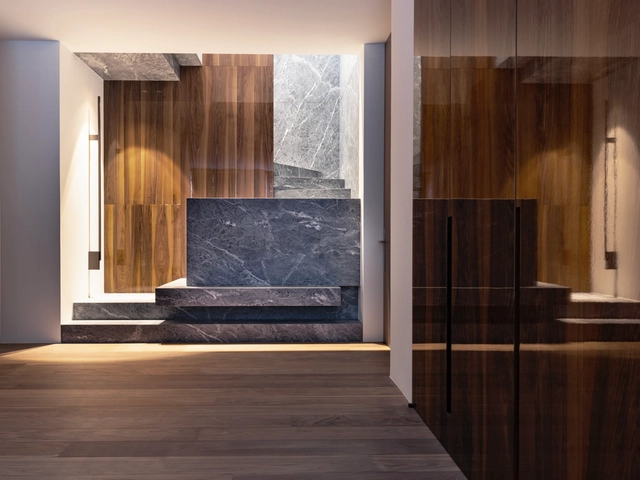
Whether an apartment building, house, storefront, office interior, or restaurant, Glenn Sestig’s architecture consistently reveals itself in tidy fragments of robust and determinately monumental geometry that tends to evoke urban qualities. His austere facades, colonnades, stair landings, and even reception desks and shelf displays appear to be quite hefty and substantial. And, in fact, every project, be it a small boutique or gallery, starts with rigorous planning – visual primary and secondary axes get established, circulation flow is laid out, and major anchors are identified before the architect moves on to addressing the appropriate materials, surfaces, and details. Every space is architecture first; its program and appearance will fit into it.
Cities concentrate opportunities and exchanges, culture and business, while, at the same time are a key contributor to climate change. They are highly complex organisms, with multiple actors involved, that bring to light underlying social interests and conflicts present in society. In 2007, the world's urban population surpassed the rural and this difference has been increasing ever since. According to the 2018 Revision of World Urbanization Prospects report, 55% of the world's current population lives in urban areas, rising to 68% by 2050. This will represent an increase of 2.5 billion people in urban areas, with almost 90% of this increase occurring in Asia and Africa. The Smart Sustainable Cities: Reconnaissance Study also points out that urban centers account for 67% of global energy demand, emit 70% of greenhouse gases and, on top of it all, buildings consume 40% of all energy worldwide. The prospect of a mostly urban world, along with the alarming onset of climate change, both raise challenges regarding living conditions in the coming decades and centuries, and all the implications that will accompany these changes.
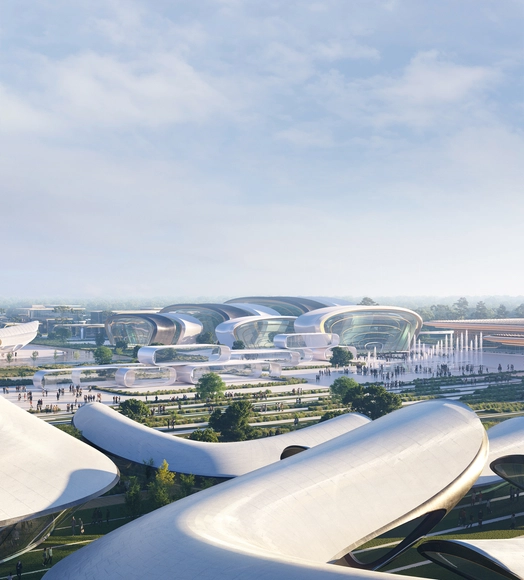
Zaha Hadid Architects has joined Ukrainian authorities to present the OdesaExpo 2030 bid proposal, an event planned to become the first Expo to be hosted in Eastern Europe. The masterplan is designed with legacy and sustainability in mind. The central pavilions are configured to be transformed into Ukraine’s first fair exhibition hub after the closing of the Expo, while the national pavilions are designed to be dismantled and redeployed as new civic buildings throughout Ukraine.
Pantone has revealed its Color of the Year for 2023, 18-1750 Viva Magenta, a brand-new color "brave and fearless, whose exuberance promotes a joyous and optimistic celebration." The shade falls under the red family and is inspired by the tone of cochineal extract, one of the most precious dyes historically used to color textiles, cosmetics, and food.
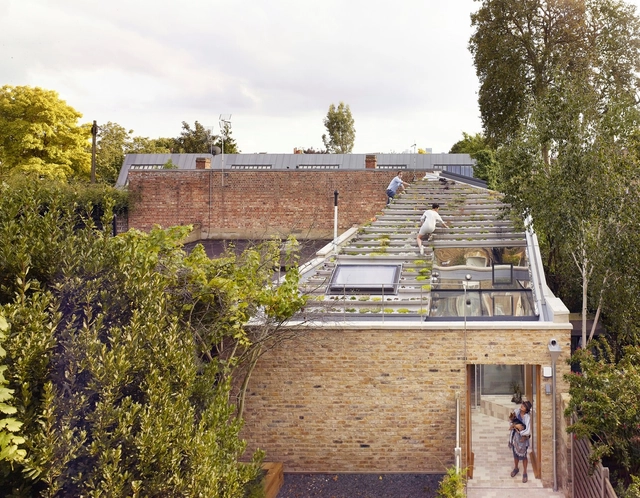
For some time now, roofs have become leisure spaces, whether in large luxurious buildings or houses on the outskirts. This condition, however, is not limited to our times. Different cultures at different times used flat roofs in their architecture, in different ways.
Source: screenshot from "The Rings of Power" (2022) - Amazon Prime Video
In cinematic works, the architecture chosen and designed to compose the frame can communicate with the viewer in many ways. Buildings and cities can establish the setting through well-known monuments or specific building types adapted to certain climates, as well as indicate the historical period through tectonic aesthetics. Fantasy works offer an endless creative field for architectural composition and interior design.