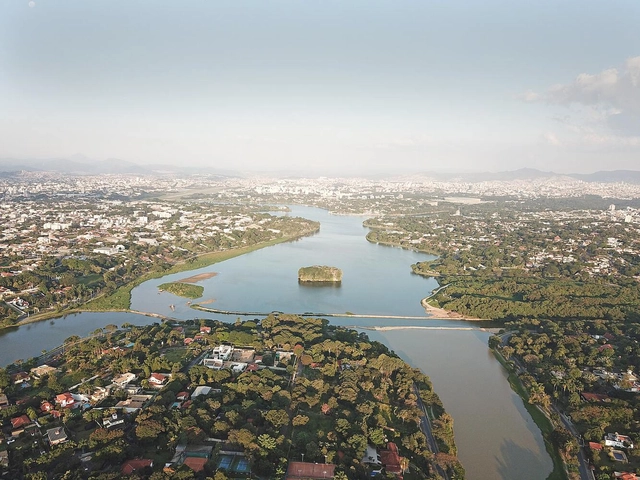
At a historical moment when industrialization and urbanization are continuing at a fast and predatory pace, we need to design and produce spaces that can adapt to new realities. Based on this need, concepts that can guide the transformation and production of future cities emerge.
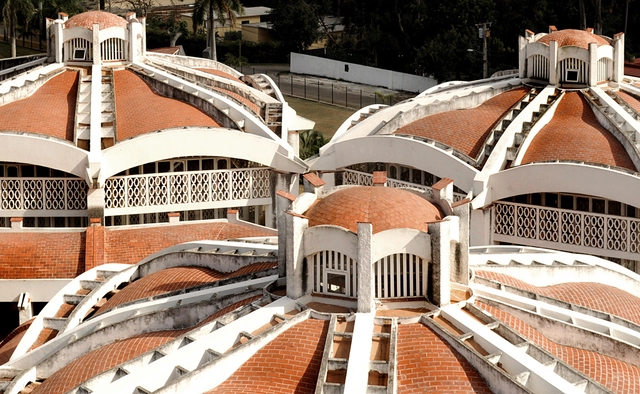
Starting in February, Instituto Inhotim will offer free admission on the last Sunday of every month. This promotional initiative is sponsored by B3 (the Brazilian Stock Exchange) and will run through 2024.
The first free-admission Sunday will be February 26. Currently, free admission is offered on the last Friday of every month, except holidays.
https://www.archdaily.com/1135930/inhotim-institute-will-offer-free-admission-on-the-last-sunday-of-each-monthArchDaily Team
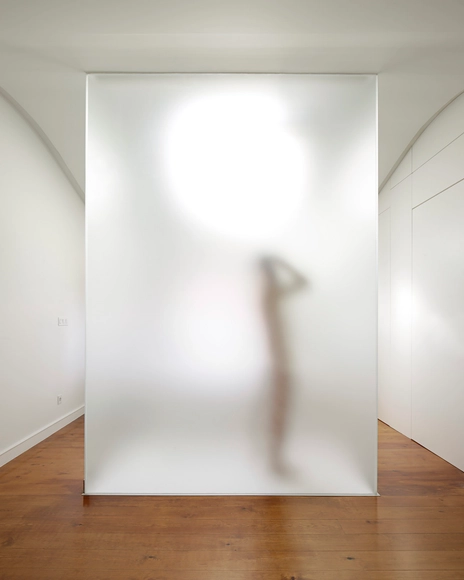
Recent surveys have revealed the average frequency of daily baths in some countries. While in Latin America, led by Brazil, Mexico and Colombia, people take 8 to 12 baths a week, in the vast majority of countries affected, the average is around 6 to 8. Bathing, throughout human history, involves health, religious, spiritual and even social aspects.
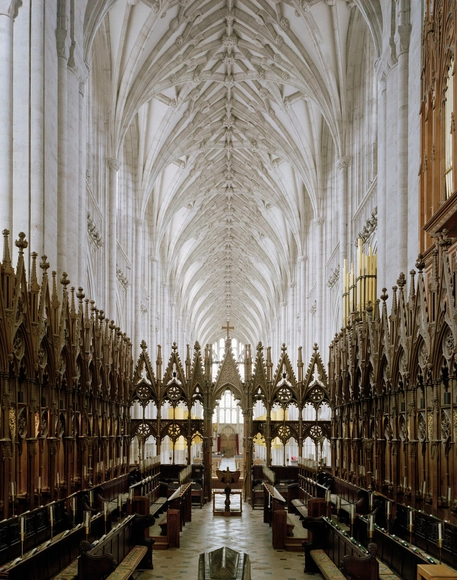
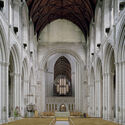
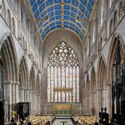
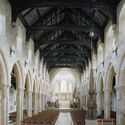
Using only natural light to document English cathedrals can turn into a logistical and technical challenge. However, Peter Marlow's photography has resulted in a remarkable series of iconic spiritual sites whose contemplative atmosphere is rarely accessible to others. Looking east with the camera towards the nave as the dawn light streamed through the main window opens a purist and mystical perspective to the time when these sacred structures were erected.
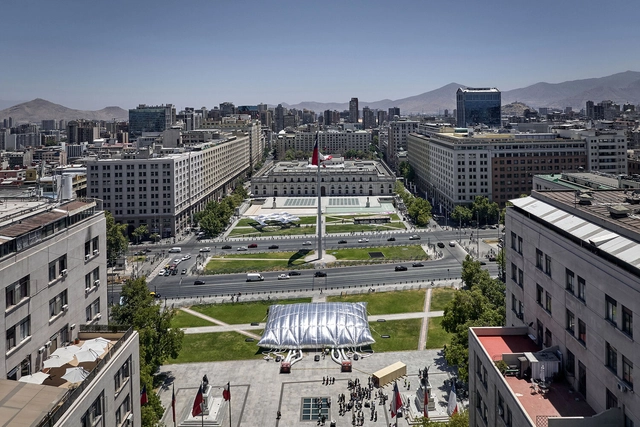
On Saturday, January 14, the latest edition of the Chilean Architecture and Urbanism Biennial opened in the area surrounding La Moneda Palace in Santiago. The theme explored through the exhibitions, lectures, and panel discussions is 'Vulnerable Habitats,' addressing the country's pressing issues surrounding the housing deficit and access to housing, alongside the vulnerability of public spaces, heritage, and the environment in Chilean cities and territories.
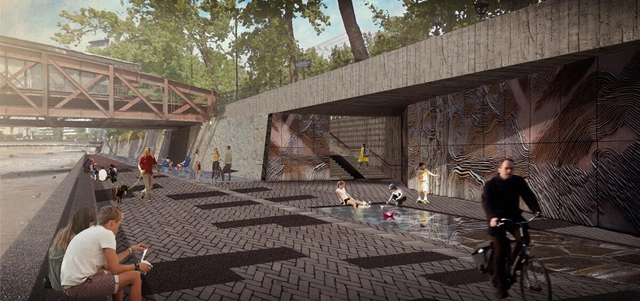
On December 29, 2022, the regional governor of the Metropolitan Region, Claudio Orrego, announced an investment of 7.7 billion Chilean pesos (9.4 million USD) for the construction of the Mapocho Pedaleable y Caminable Urban Promenade. The announcement is part of a public space recovery initiative and the master bike path plan promoted by the Chilean capital's regional government.
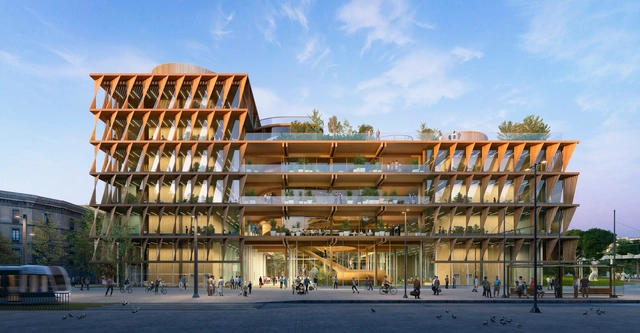
ZGF Architects, alongside Barcelona-based firms MIRAG and Double Twist, has been selected as the winner of the architectural competition to design a transdisciplinary, net-positive Research Center. The project aims to foster new fields of knowledge and adopt diverse approaches toward achieving planetary well-being. Located on a historic site in Barcelona, the Mercat del Peix Research Center will bring together global experts in experimental sciences, social sciences, and the humanities to address the world's most complex and pressing challenges regarding the future of our planet, including biodiversity loss and the economics and governance of climate change.
Cities are inseparable from fast-paced lifestyles. Rising rents and “not-that-small” apartments characterize urban environments, perpetuating the chase for “bigger, faster, and more”. As economies develop and human needs grow, buildings are erected at alarming rates to rush toward progress. The risks of urban living are gradually being exposed, raising questions about more intentionally-driven actions. One way to return to slower lifestyles is by returning to slow architecture.
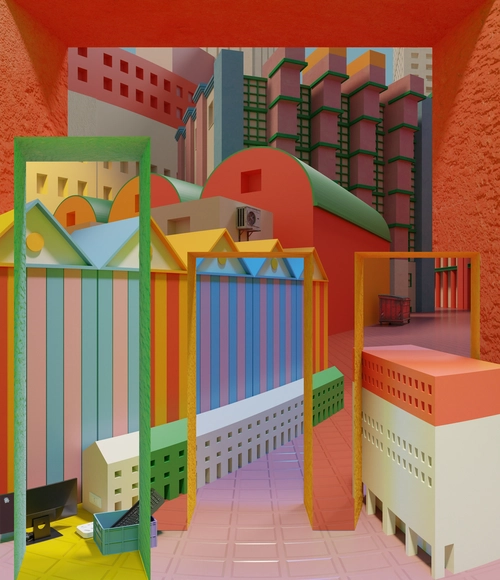
Through the “Search History” exhibition at MAXXI Museum in Rome, Lara Lesmes and Fredrik Hellberg, directors of the architecture and art studio Space Popular, set out to explore the work of Also Rossi and to translate his notions of “urban fact” and “analogous city” to the virtual realm. The installation is a reflection on the proliferation of metaverse platforms and the concept of virtual urbanism. The exhibition is part of the fifth edition of Studio Visit, a partnership between Alcantara and the MAXXI Museo nazionale delle arti del XXI secolo, which challenges designers to put forward a personal reinterpretation of the works of the masters in the MAXXI Architecture Collections.
As human beings we cannot live without stories, we need them to fill those gaps in our reality, to live in our imagination those thousands of lives that are different from ours and, in some cases, impossible.
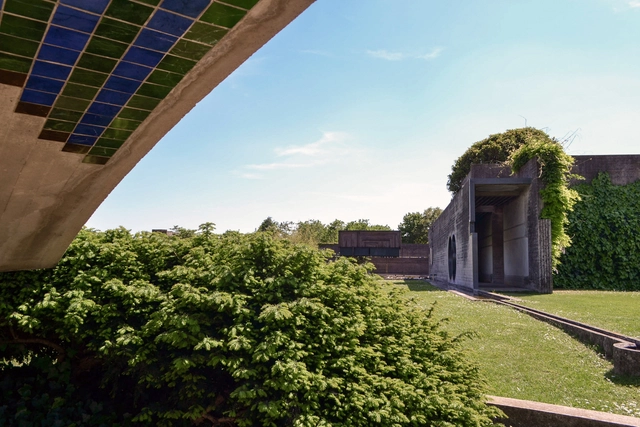
Could we qualify as "good architecture" that which has a story, or several stories, to tell us? That which is a story in itself? Such a subjective question undoubtedly generates different answers, but one possible answer is "yes". And one example is the Brion Tomb project, one of Venetian architect Carlo Scarpa's major masterpieces.
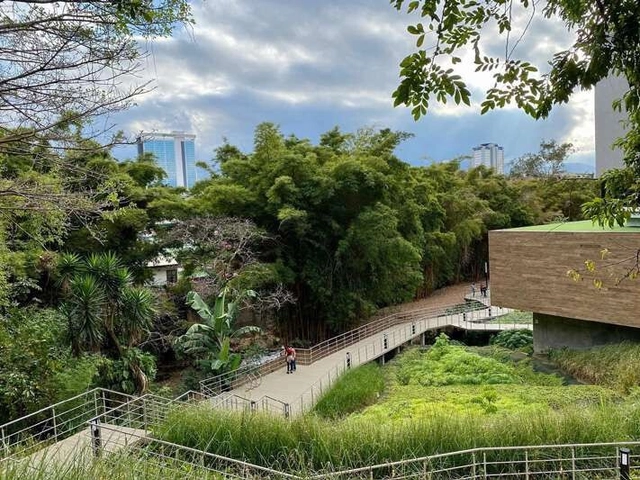
Rutas Naturbanas (San José, Costa Rica. 2015 – 2020). Fundación Rutas Naturbanas - Federico Cartín. Image Courtesy of Jeannette Sordi
Green corridors, or biodiversity corridors, are large portions of land that receive coordinated actions to protect biological diversity. According to Brazil’s National System of Nature Conservation Units, they strengthen and connect protected areas, encouraging low-impact use by implementing a more comprehensive, decentralized and participatory conservation alternative.
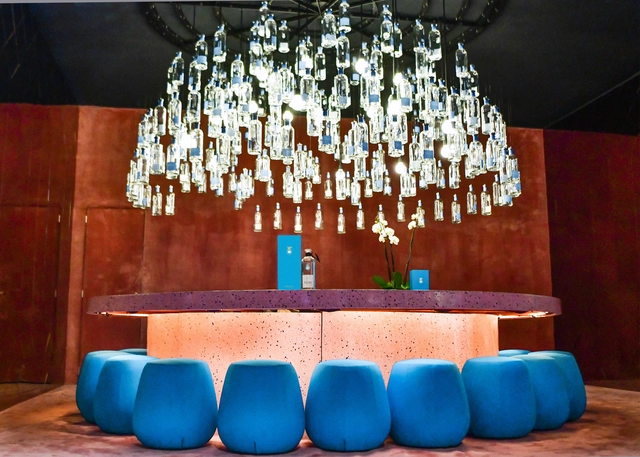
Mexico City-based architecture firm Tatiana Bilbao ESTUDIO presented its design for the Casa Dragones Tequila Tasting Room, which took place at Art Basel Miami Beach from December 1st to 3rd in the second year of its multi-year partnership. Founded in 2009 by Bertha Gonzalez Nieves to create tasting tequilas produced with the utmost care and expertise, Casa Dragones has become the first tequila brand to be an Official Partner of Art Basel Miami.
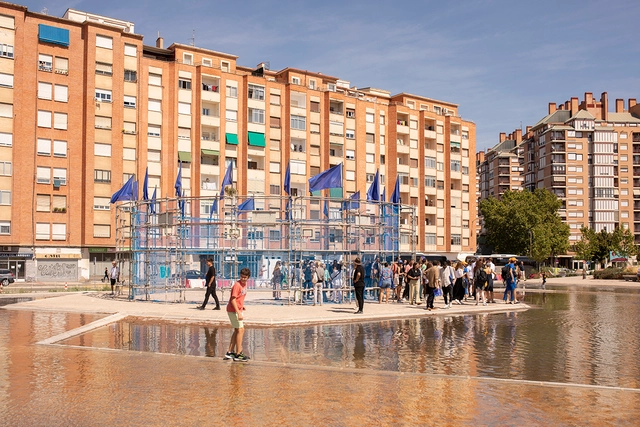
Biennales, exhibitions, and architecture focused festivals provide a platform for opening debates, conducting research, and driving innovation, but they can also contribute to the incremental changes that shape the image and the character of a city. Through temporary installations and experiments, this type of events have the opportunity to open lines on inquiry into the quality of urban spaces, inviting visitors and residents to slow down, break away from their daily routine and interrogate their local environments. The effects might not be immediate, but by cumulating these impressions and moments of contemplation, architecture and design festivals can have a long-lasting impact on the cities that welcome them.
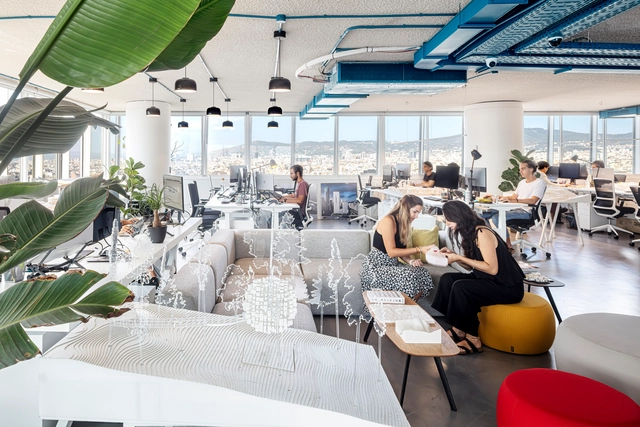
Keen to shape buildings and cities in Southern Europe, BIG has opened its latest office in Barcelona, Spain. Led by partner, João Albuquerque, the studio is seeking to create positive change and integrate into the city and the Spanish community. With a couple of projects spanning from the west to the east of the Mediterranean region, most notably Farfetch, and Fuse Valley campus in Portugal, the Joint Research Center in Sevilla for the European Commission, and the Gastronomy Open Ecosystem for Basque Culinary Center, BIG Barcelona is in constant evolution.
ArchDaily had the chance to talk to BIG Barcelona Partner João Albuquerque about the inception of the Barcelona office, his journey at BIG, and the firm's upcoming projects and involvement within the Spanish and Southern European markets.
No País dos Arquitectos is a podcast created by Sara Nunes, who is also responsible for the architectural film production company Building Pictures. The podcast aims to profile the professionals, projects, and stories behind Portugal's leading contemporary architecture. With just over 10 million inhabitants, Portugal is a highly compelling country regarding this professional field, and its architectural output punches far above its population or territorial scale.
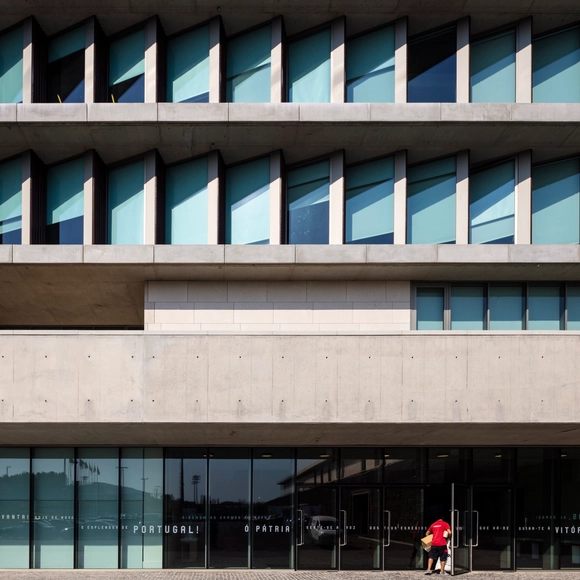
In this episode of the fourth season, Sara talks with Tomás Salgado, from the office Risco, about the Cidade do Futebol, a facility for the Portuguese Football Federation. Listen to the conversation and read part of the interview below.
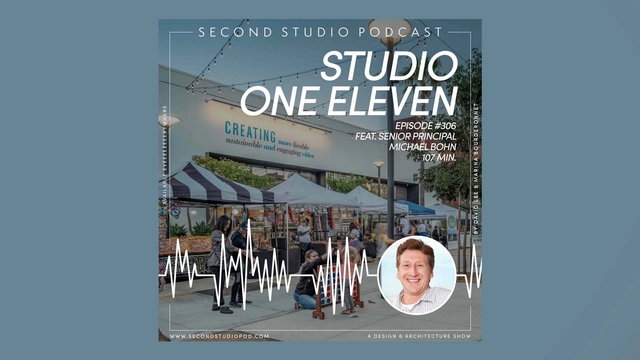
The Second Studio (formerly The Midnight Charette) is an explicit podcast about design, architecture, and the everyday. Hosted by Architects David Lee and Marina Bourderonnet, it features different creative professionals in unscripted conversations that allow for thoughtful takes and personal discussions.
A variety of subjects are covered with honesty and humor: some episodes are interviews, while others are tips for fellow designers, reviews of buildings and other projects, or casual explorations of everyday life and design. The Second Studio is also available on iTunes, Spotify, and YouTube.
Baby Boomers, Gen X, Millennials, and Gen Z have long dominated the conversation around how different generations influence architecture and the built environment. From views around city planning and zoning efforts to the great debate about whether workplaces should be completely open or office-intensive, each generation has had its strong opinions about how spaces we inhabit are designed- largely shaped by the socio-economic, political, and technological influences that have shaped our lives in different ways. Looking ahead, what can we expect next? Enter Generation Alpha, the first generation born entirely within the 21st century.
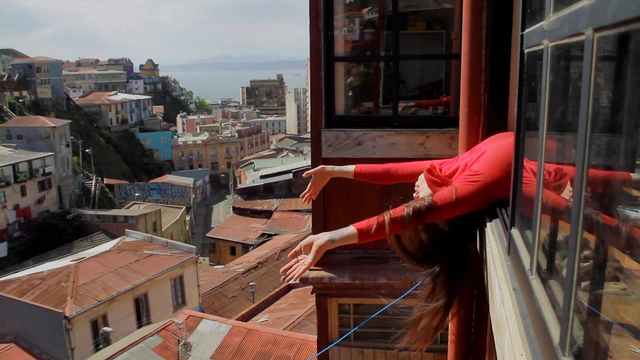
Chile has a rich and vast heritage architecture, which is gradually gaining relevance through different initiatives that seek to renovate these buildings to give them a second life. The buildings and infrastructures were in disrepair, disused, or damaged, but have great architectural value, being an important contribution to the reconstruction of the history of Chilean cities.
In October, the ArchDaily team spoke with Henry Glogau during his stay in London, where he was working on a number of projects. At only 26 years old, his resume includes an impressive amount of international awards, which he has received for the relevance of his work to issues both so basic and urgent for humanity: access to potable water, sanitation and quality of life. Born in New Zealand, Henry moved to Copenhagen in 2018 to study at the Royal Danish Academy and for the past two years has been working at the 3XN GXN office as an architect in their innovation unit, alongside a multidisciplinary team. Below, read the conversation we had about some of his projects, his beliefs about the role of architecture, and his views on our responsibility to the planet.
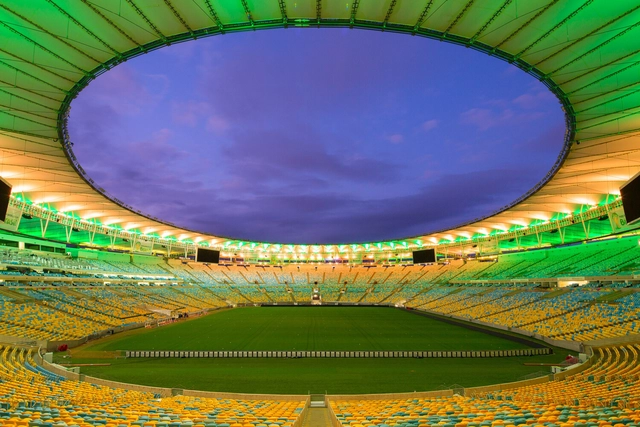
Escola da Cidade hosted journalist Juca Kfouri for a conversation on the relationship between society, politics, and soccer. Juca spoke about the presence of soccer in society and how it also serves as a political medium, emphasizing that it is a cultural, economic, and educational force. He also addressed topics such as the recent events at Pacaembu and the significance of the Maracanã.
In an inflatable pavilion designed by Smiljan Radic located in Plaza Bulnes, opposite the La Moneda Palace, visitors can enjoy free screenings of the films selected by the Santiago Architecture Film Festival for the XXII Chilean Biennial of Architecture and Urbanism, themed this year as “Vulnerable Habitats.”
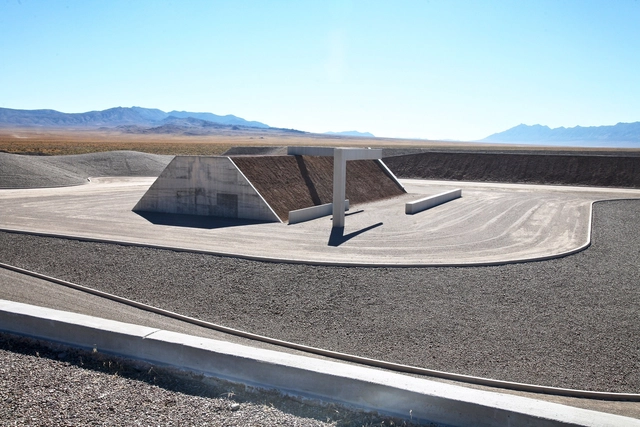
Artists are frequently inspired by land — be it painter Robert S. Duncanson’s renditions of American landscapes, or William Kentridge’s subversions of colonial-era British paintings depicting African vistas. Some artists, though, have preferred to work directly with the land, creating structures that sit on landscapes, or carving into the land itself. This art style — formally termed as Land Art — gained prominence in 1960s and 70s United States, in the context of the rise of the environmental movement amidst civil rights and antiwar protests, and as artists looked to separate themselves from the art market.
In hospitality, first impressions count. Corian® Solid Surface – an exclusive product of Corian® Design, a division of DuPont company – has become a more and more regular guest in hotels over the past decades as designers and architects look to create highly hygienic and adaptable interior designs. designboom and ArchDaily concluded its three-part webinar series with the material producer, this time to explore the future of hospitality design. Leading architectural and design experts joined the live conversation, including TBI Architecture & Engineering, JOI-Design and Ultraspace – watch above.