
-
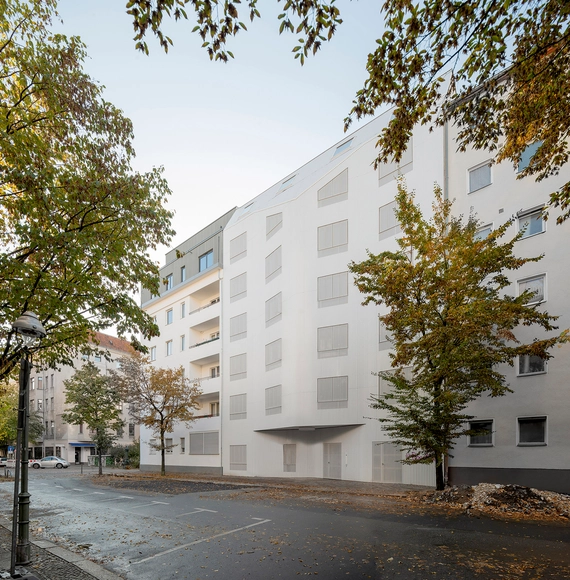
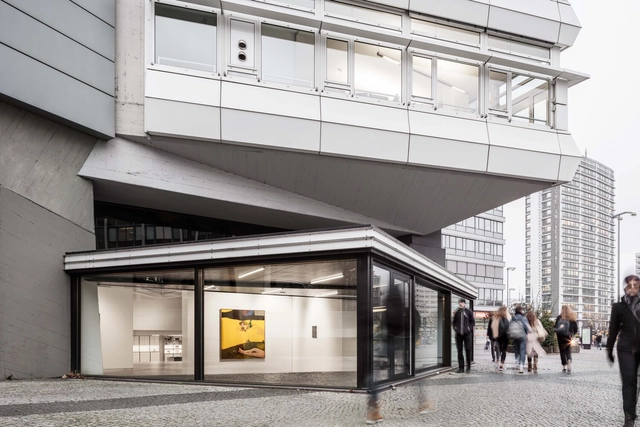
Architects: Max Dudler
- Area: 45000 m²
- Year: 2022
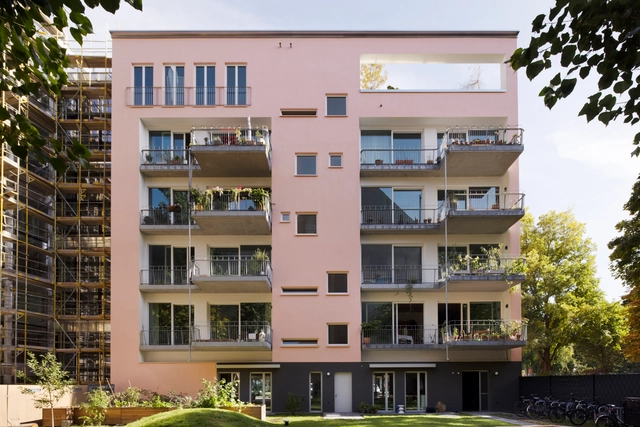

The Norwegian tradition of ‘dugnad’ encourages everyone to contribute in order to achieve a common goal. It is based on a process of social relations, reciprocity and community solidarity and thus on the belief that together you are stronger than alone. The architecture firm Mad refers to ‘dugnad’ as a key to creating solutions for a sustainable future in an increasingly complex and challenging world. For Mad, architecture is also about re-evaluating, nurturing or preserving social and cultural resources that shape our built environment. These aspects can be observed exemplarily in the four projects that have been compiled for the exhibition at Aedes – among them, the timber high-rise WoHo in Berlin-Kreuzberg, which is currently under planning and is considered a social pilot project in urban development.
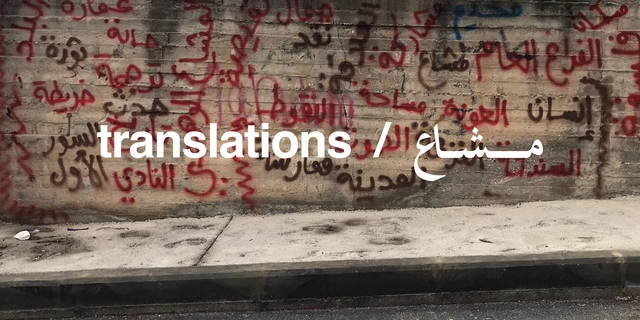
The exhibition translations / مشاع showcases artistic, architectural, performative, multi-media and literary works, relating to “translation” as a practice of invention/transformation, memory-making, assimilation, (dis-)location, and healing.


From October 15–17, 2021, the hybrid event Driving the Human presents 21 new visions for sustainable cohabitation on our planet, both through an on-site event in Berlin and an online broadcast. Coming from a variety of geographic and cultural backgrounds, these concepts suggest innovative and prescient ways to deal with some of the most pressing questions of our present moment. Exploring entanglements between technology and nature, artificial intelligence, circular economies, new modes of production, Indigenous knowledges and approaches, and more-than-human perspectives from the bacterial to the interplanetary, they reinforce perspectives where collaboration and interdependency become essential, determining factors for life and survival on our planet.



Spatial Formations: Residential Spaces of Tbilisi
W2KSHOP collective