Giovana Martino

BROWSE ALL FROM THIS AUTHOR HERE
↓

Burnt Cement vs Porcelain Tile: Resignifying Aesthetics in Architecture

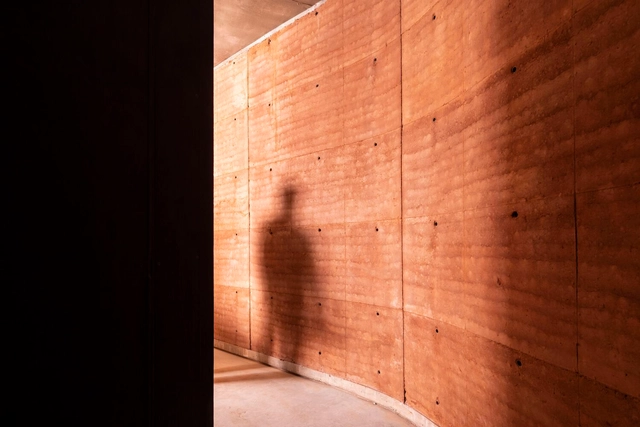
The concept of aesthetics goes back to the Greek civilization and refers to perception through the senses. Despite being a philosophical concept, in architecture, aesthetics is used to translate architectural ideologies and concepts from the set of constructive elements, forms and materials, being intrinsically linked to the physical shape of a building and, therefore, bound to a social, economic and political context. In addition to a discussion of tastes, architectural aesthetics is a source of historical reading and analysis.

Burnt Cement vs Porcelain Tile: Resignifying Aesthetics in Architecture - Imagem 1 de 4Burnt Cement vs Porcelain Tile: Resignifying Aesthetics in Architecture - Imagem 2 de 4Burnt Cement vs Porcelain Tile: Resignifying Aesthetics in Architecture - Imagem 3 de 4Burnt Cement vs Porcelain Tile: Resignifying Aesthetics in Architecture - Imagem 4 de 4Burnt Cement vs Porcelain Tile: Resignifying Aesthetics in Architecture - More Images

Transportation and Spatial Segregation: Understanding the Impacts of Fare Hikes

Subscriber Access | 

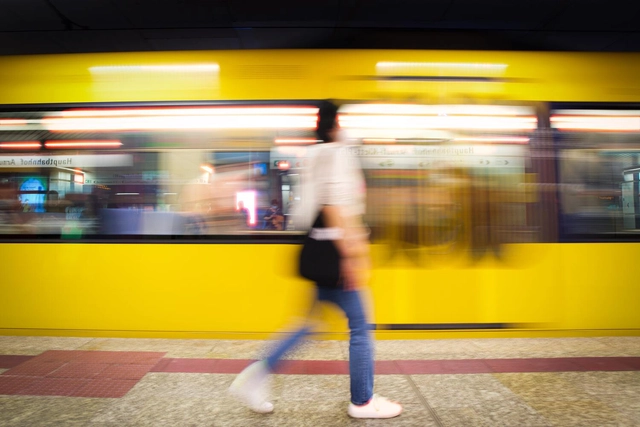
Summer, carnival, and transit fare hikes: the beginning of the year in Brazil is typically when municipal and state governments announce increases in public transportation fares. While these fares were frozen in 2021 due to the coronavirus pandemic, many cities have faced hikes once again in 2022. Understanding the impact of rising public transportation fares on our society is crucial.

From Casimiro's clips to @paulomendesdoarrocha, architectural discussions on social media

Subscriber Access | 

Just like much of popular culture, for most of the twentieth century, architectural media relied on magazines sold at newsstands and supermarkets. Through them, readers discovered what was being built, tracked technological innovations, and, to some extent, popularized architectural discourse, taking it beyond the academic and elitist confines of universities and conferences. With the rise of the internet, the format of this information shifted, finding new ways to reach the public. Social media and specialized websites became crucial channels for sharing information and services, expanding public access to architectural issues. Today, every major social network hosts profiles dedicated exclusively to architecture, tailoring their content to each specific platform.

From Casimiro's clips to @paulomendesdoarrocha, architectural discussions on social media - Imagen 1 de 4From Casimiro's clips to @paulomendesdoarrocha, architectural discussions on social media - Imagen 2 de 4From Casimiro's clips to @paulomendesdoarrocha, architectural discussions on social media - Imagen 3 de 4From Casimiro's clips to @paulomendesdoarrocha, architectural discussions on social media - Imagen 6 de 4From Casimiro's clips to @paulomendesdoarrocha, architectural discussions on social media - More Images+ 2

Reading Spaces: The Book as an Architectural Element

Subscriber Access | 
Reading Spaces: The Book as an Architectural Element - Featured Image
Vac-Library / Farming Architects. Image © Thai Thach, Viet Dung An

Far beyond basic training, reading is a leisure activity that is part of modern society. Whether outdoors, in squares and parks, at home or even at work, this habit, which improves reasoning ability and mental health, already had large spaces dedicated to books in palaces and mansions. We selected 15 projects that demonstrate the different ways of integrating reading at different scales and architectural programs.

Reading Spaces: The Book as an Architectural Element - More Images+ 11

From the Maid’s Room to the Outskirts: How Does Architecture Respond to the Social Changes of Domestic Work?

Subscriber Access | 

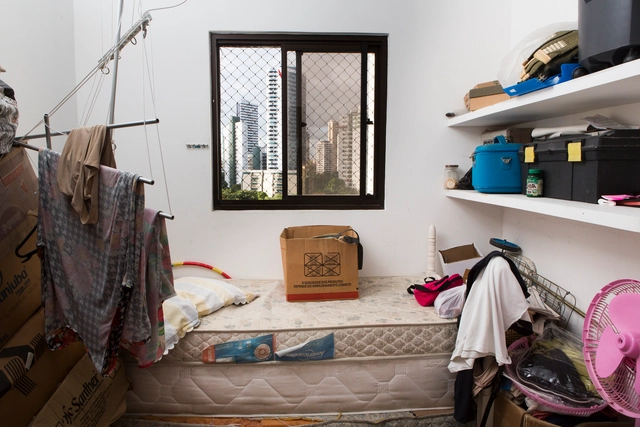
The maid's quarters are "with their days numbered", although they still find a place in the new luxury apartments. The information is from a report published in Folha de S. Paulo in March of this year, which says that in 2018 less than 1% of domestic workers, mostly black women, lived on the premises of their employers - a low number when compared to the 12% of 1995. With the decrease in the number of professionals residing in the employers' homes, the "maid's room" would gradually be no longer part of the architectural plans of Brazilian housing buildings.

From the Maid’s Room to the Outskirts: How Does Architecture Respond to the Social Changes of Domestic Work? - Imagen 6 de 4From the Maid’s Room to the Outskirts: How Does Architecture Respond to the Social Changes of Domestic Work? - Imagen 4 de 4From the Maid’s Room to the Outskirts: How Does Architecture Respond to the Social Changes of Domestic Work? - Imagen 9 de 4From the Maid’s Room to the Outskirts: How Does Architecture Respond to the Social Changes of Domestic Work? - Imagen 5 de 4From the Maid’s Room to the Outskirts: How Does Architecture Respond to the Social Changes of Domestic Work? - More Images+ 8

How to Choose the Most Suitable Window Type for Your Project

Subscriber Access | 

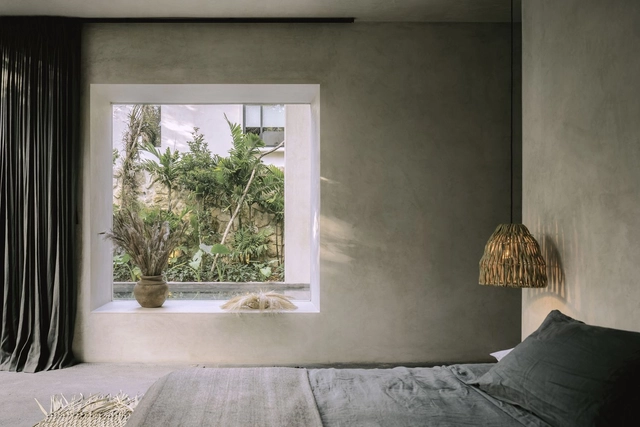
Windows are the elements that connect us to the outside world. It is from them that views are framed, privacy, lighting and natural ventilation are defined. Nowadays in the construction market we find different types of openings. Find out how to choose the type that best fits your project needs here.

How to Choose the Most Suitable Window Type for Your Project - Image 1 of 4How to Choose the Most Suitable Window Type for Your Project - Image 2 of 4How to Choose the Most Suitable Window Type for Your Project - Image 3 of 4How to Choose the Most Suitable Window Type for Your Project - Image 4 of 4How to Choose the Most Suitable Window Type for Your Project - More Images+ 6

Culture and Architecture in America: Housing Projects in Pan-American Union Countries

Subscriber Access | 

The end of the 19th century in the Americas is marked by a wave of historical disputes and political transformations that have as a backdrop the search for a national identity. The period records a series of conflicts and disputes for the independence of what we now know as sovereign countries and republics. In this context, the Pan-American or Spanish-American movements emerged, which, despite having different political influences, aimed at the unification of all the territories of the American continent.

Culture and Architecture in America: Housing Projects in Pan-American Union Countries - More Images+ 10

How to Use Hollow Elements in Home Architecture

Subscriber Access | 

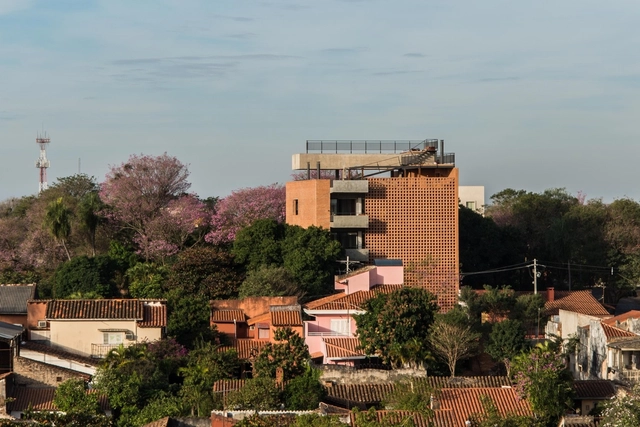
Visual permeability, ventilation and a strong identity appeal, the hollow elements have increasingly found their place in contemporary architecture. Whether in large buildings or small residences, they appear in different shapes, materials and compositions, helping to determine the degree of interaction between interior and exterior space. This artifice in a residential construction is an important tool to ensure privacy and intimacy, without losing the possibility of connections to the outside and natural ventilation.

How to Use Hollow Elements in Home Architecture - More Images+ 16

Between Commercial and Real: Reflections on Architectural Representation

Architecture uses drawings as a form of communication. Whether to represent ideas, communicate spaces and their ambiences or even technically understand constructive issues, there are many types of drawings and tools used to make them. It is up to the architects to find, within their knowledge, preferences and goals, the best way to communicate. If, on the one hand, the work drawings are more technical, rigid and standardized, so that they can be used for constructive execution, those used to understand the project by the client are usually freer and have greater visual appeal. It is within this aesthetic freedom that we question: how far can we go with these representations without confusing people?

Between Commercial and Real: Reflections on Architectural Representation - Image 1 of 4Between Commercial and Real: Reflections on Architectural Representation - Image 2 of 4Between Commercial and Real: Reflections on Architectural Representation - Image 3 of 4Between Commercial and Real: Reflections on Architectural Representation - Image 5 of 4Between Commercial and Real: Reflections on Architectural Representation - More Images+ 1

Health and Nutrition: 9 Ways for Architecture and Urbanism to Act Towards Healthier Realities

Subscriber Access | 

On March 31st, the Health and Nutrition Day is celebrated in Brazil, factors that are gaining more and more notoriety in the society in which we live. After more than two years living through the ups and downs of the Covid-19 pandemic and facing the evident need for a healthier, more active and community reality, it is important to reflect on how architecture and urbanism can become tools for accessing healthier daily lives.

Health and Nutrition: 9 Ways for Architecture and Urbanism to Act Towards Healthier Realities - More Images+ 14

Kitchen Organization: Different Materials for Your Worktop

Subscriber Access | 

Kitchens as we know them today have functionality as their main feature and for that their space was historically organized from an industrial logic. The development of home appliances and the precise definition of the layout guarantee a functional floor plan and the optimization of work in the kitchen. As part of this layout we find the worktops, horizontal half-height surfaces that have multiple uses and, therefore, many possible configurations.

Kitchen Organization: Different Materials for Your Worktop - More Images+ 12

A Carbon-Neutral Architecture Goes Beyond Construction Materials: Planning, Logistics and Context

Audio available

Discussing carbon neutrality in architecture should not only be based on local materials and new technologies, since there are many aspects that impact the construction production chain. From design to construction, without losing sight of the context and economic system of our society, the construction industry is responsible for a considerable part of the energy consumed worldwide. In order to interfere in this reality, it is necessary to expand the fronts of action, questioning the place of construction in our society.

A Carbon-Neutral Architecture Goes Beyond Construction Materials: Planning, Logistics and Context - Image 1 of 4A Carbon-Neutral Architecture Goes Beyond Construction Materials: Planning, Logistics and Context - Image 2 of 4A Carbon-Neutral Architecture Goes Beyond Construction Materials: Planning, Logistics and Context - Image 3 of 4A Carbon-Neutral Architecture Goes Beyond Construction Materials: Planning, Logistics and Context - Image 4 of 4A Carbon-Neutral Architecture Goes Beyond Construction Materials: Planning, Logistics and Context - More Images

The history of the leaning buildings of Santos

Subscriber Access | 

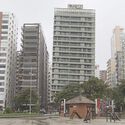
In the 1970s, buildings along the waterfront of Santos, in São Paulo, began to tilt, sparking curiosity among residents and visitors alike. This phenomenon can be seen as the result of rapid and unregulated urbanization, manifesting as a technical issue in the buildings' construction. 

Santos, one of the largest cities on the São Paulo coast, with an estimated population of over 430,000 (IBGE 2020), located in the Baixada Santista metropolitan area near the city of São Paulo, was one of the first settlements to be established after Portuguese colonization in the 16th century. Prior to this, however, its territory was dominated by the Atlantic Forest biome and inhabited by Indigenous peoples, such as the Guarani Mbya and Tupi-Guarani. 

The history of the leaning buildings of Santos - Imagen 1 de 4The history of the leaning buildings of Santos - Imagen 2 de 4The history of the leaning buildings of Santos - Imagen 3 de 4The history of the leaning buildings of Santos - Imagen 4 de 4The history of the leaning buildings of Santos - More Images+ 1

Balance Between Shape and Construction: Getting to Know the Work of Andrade Morettin Arquitetos Associados

Subscriber Access | 

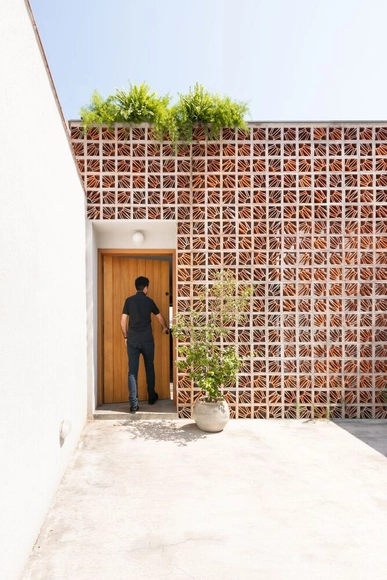
Founded in 1997, the São Paulo architecture firm Andrade Morettin Arquitetos Associados began with a partnership between Vinicius Andrade and Marcelo Morettin, which later included the architects Marcelo Maia Rosa and Renata Andrulis. Today, the office has more than two decades of history and a wide range of activities.
Balance Between Shape and Construction: Getting to Know the Work of Andrade Morettin Arquitetos Associados - More Images+ 8

Examples and Ideas on How to Turn Garages Into Other Spaces

Subscriber Access | 

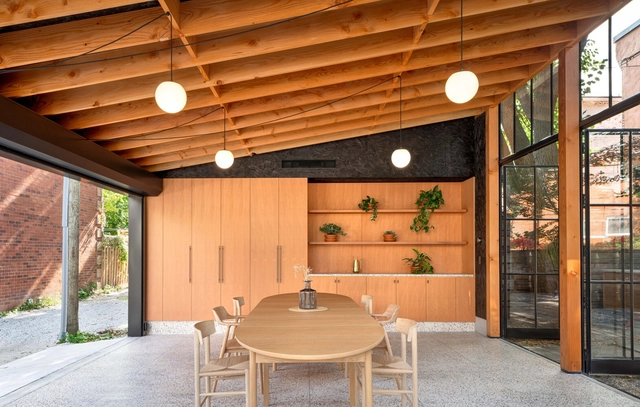
Since the beginning of the 20th century, automobiles have been shaping cities and architecture, demanding specific spaces to move and be stored.Cars and motorcycles dictated the organization of spaces and the consequent urban and rural landscape of entire countries. However, with the climate crisis and the recognition of the problems that this development model brings to cities and to the planet, every day more initiatives are perceived that seek to eliminate individual and motorized cars powered by fossil fuels, while at the same time we also perceive the need to give new meanings to spaces that were previously dedicated to cars. In addition to the streets and public spaces, this transformation is also felt in the houses and residential buildings that are beginning to see garages as a more dynamic space.

Examples and Ideas on How to Turn Garages Into Other Spaces - Image 1 of 4Examples and Ideas on How to Turn Garages Into Other Spaces - Image 2 of 4Examples and Ideas on How to Turn Garages Into Other Spaces - Image 3 of 4Examples and Ideas on How to Turn Garages Into Other Spaces - Image 4 of 4Examples and Ideas on How to Turn Garages Into Other Spaces - More Images+ 5

PVC Frames in Residential Projects: Strength and Low Maintenance

Subscriber Access | 

PVC, as the synthetic material Polyvinyl Chloride is called, or Polyvinyl Chloride, is one of the most produced plastics in the world, reaching 40 million tons per year. Its application is quite varied and in construction it has found different branches, serving both as an input for infrastructure and for finishing.

PVC Frames in Residential Projects: Strength and Low Maintenance - More Images+ 2

Structures, Finishing and Frames: All the Ways to Use Timber in a Work

Subscriber Access | 

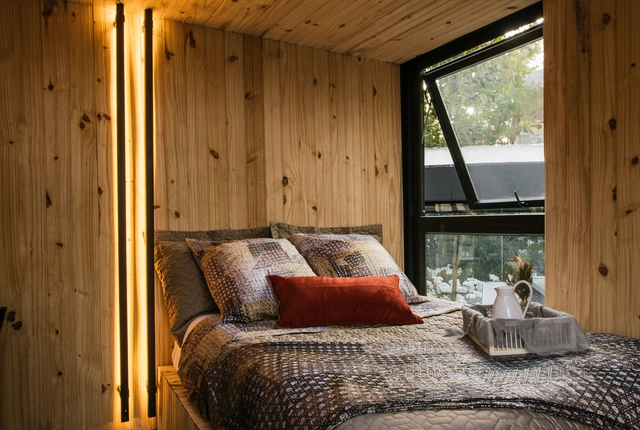
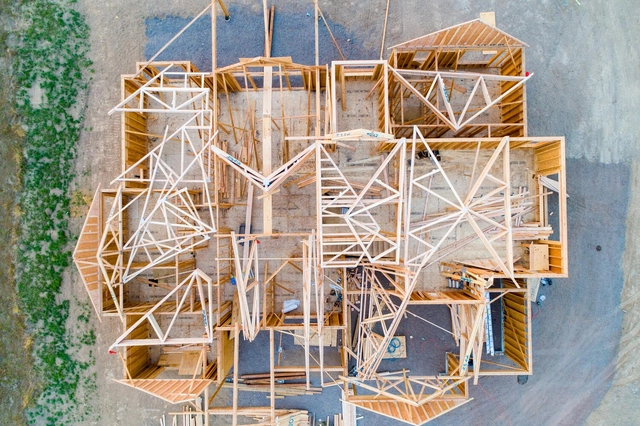
One of the first elements used by humans to build shelters, wood is a versatile material that, along with technological advances, remains a protagonist in the construction industry, being used in different ways and moments in a work.

Structures, Finishing and Frames: All the Ways to Use Timber in a Work - More Images+ 4

Urban Brazil: Homeless population increases by 31%

Subscriber Access | 

This past January, the Municipal Government of São Paulo, one of Latin America's largest cities, released the results of its Census of the Homeless Population, presenting its socioeconomic characterization and a territorial profile. Recent GDP data, along with the census findings, demonstrate the impacts of the pandemic and the economic and political crisis on society, confirming what is being reflected across major Brazilian cities.