Giovana Martino

BROWSE ALL FROM THIS AUTHOR HERE
↓

A Void of Possibilities: Discovering the Work of Vão

Subscriber Access | 

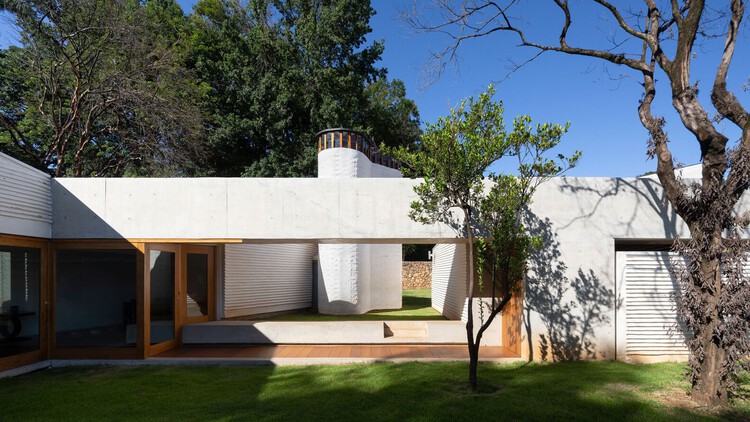
Founded in 2013 in São Paulo, this young transdisciplinary practice focuses on architecture, urbanism, and fine arts. Influenced by visual arts, music, theater, and everyday urban life, the firm translates these lived experiences into projects across diverse scales, briefs, and contexts.

Named after a term with multiple meanings in Portuguese—in architecture, *vão* represents the void or span between structural elements, a space to be occupied and activated by social, political, artistic, and various other interactions—the firm was founded by Anna Juni, Enk te Winkel, and Gustavo Delonero. Throughout its nearly ten-year history, it has maintained a small team, alongside occasional collaborations with friends and colleagues on specific projects.

A Void of Possibilities: Discovering the Work of Vão - More Images+ 6

Statues in flames: how are we building memory in our cities?

Subscriber Access | 

On August 17, Brazil celebrated National Heritage Day, 21 days after a protest set fire to the statue of Bandeirante Borba Gato in the southern zone of São Paulo. This contradiction opens up an important discussion: how are we constructing memory in our cities? What are we valuing as our country's heritage? 

The term historical and cultural heritage refers to the tangible and intangible creations of a given culture within society. What defines a cultural asset as heritage is its historical and social relevance, which can be linked to collective and individual memory, as it is through these memories that we understand the past. From an architectural perspective, the term heritage is constantly associated with historic buildings that typically embody Catholic religious values or the bourgeois lifestyle of the elite.

Roller, pinned, and fixed supports: understand the difference between structural support types

Subscriber Access | 

One of the greatest difficulties when studying is understanding how to apply the concepts presented to us. In structural engineering education, it is common to use symbols and abstractions to understand the forces involved in a structure and how they work. Another major challenge is translating this abstract information into something tangible: the actual building elements. 

Engineer Matheus Borges has been creating illustrations on his Instagram to help decode this information. Below, we look at what these support types are and how they behave.

Roller, pinned, and fixed supports: understand the difference between structural support types - Imagen 1 de 4Roller, pinned, and fixed supports: understand the difference between structural support types - Imagen 2 de 4Roller, pinned, and fixed supports: understand the difference between structural support types - Imagen 3 de 4Roller, pinned, and fixed supports: understand the difference between structural support types - Imagen 4 de 4Roller, pinned, and fixed supports: understand the difference between structural support types - More Images+ 3

Clay or Concrete, Solid or Hollow: Different Types of Bricks and Their Uses

Subscriber Access | 

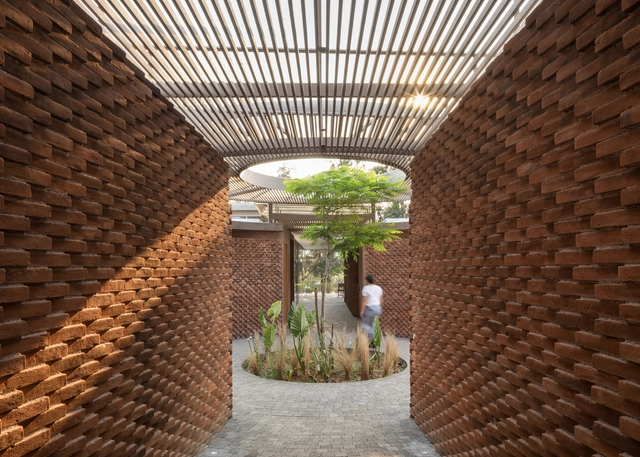
The term brick is often used as a synonym for common clay solid blocks, but there's more to it. Bricks are perhaps the most elementary of building materials and can be used to design modular, optimized, and most importantly, versatile buildings. This article explores the most popular types of bricks according to their use in construction.

Clay or Concrete, Solid or Hollow: Different Types of Bricks and Their Uses - More Images+ 13

Cultivating Non-Violent Cities: 10 Examples of Friendly Public Spaces

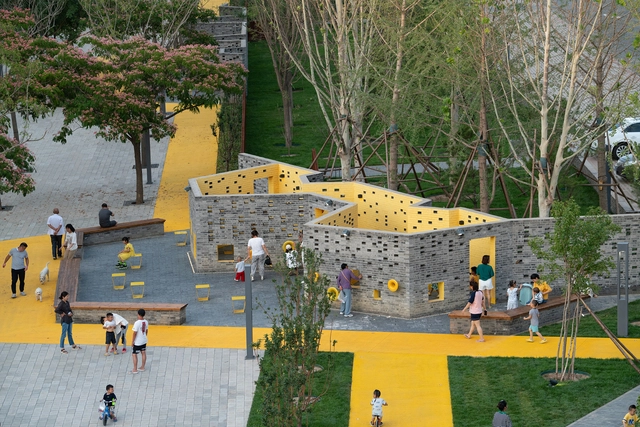
Violent cities result from social and economic inequality, which also affects the urban landscape and the way we live. In honor of International Cities Day, we have selected a series of projects to reflect on non-violent ways of using public space.

Cultivating Non-Violent Cities: 10 Examples of Friendly Public Spaces - More Images+ 9

"I am against the term Anthropocene. What is driving the world to final disaster is capital": Interview with Sérgio Ferro

Subscriber Access | 

Sérgio Ferro is a Brazilian architect, artist, historian, and architectural critic who, due to his political activism during the military dictatorship, was imprisoned and exiled to France in the 1970s. Throughout his career, he has observed and intervened in the production spaces of civil construction, developing a critique of the production of plastic arts and architecture based on the construction process and its agents: the construction site, technologies, materials, and the builder.

In a historical context dominated by Eurocentric and male references, Ferro, along with architects Rodrigo Lefèvre and Flávio Império, formed Arquitetura Nova, a group that proposed debates centered on architectural production, the social role of the architect, and the relations of production on the construction site, challenging hegemonic thinking and practices, whether in design practice or academia. Following his exile, unable to practice as an architect, he dedicated himself to teaching at the École Nationale Supérieure d'Architecture de Grenoble. 

The Main Problems in Landscape Design — And How to Avoid Them

Subscriber Access | 
Audio available

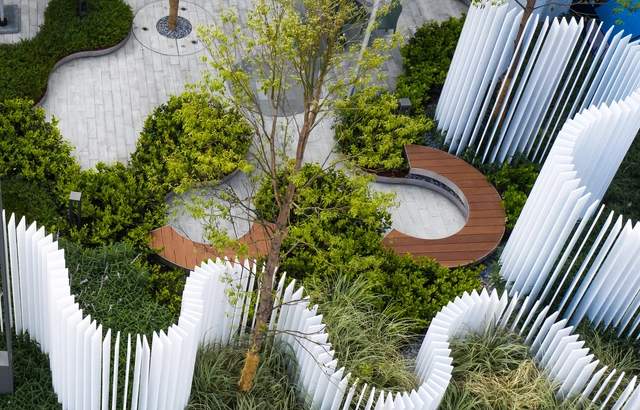
Far beyond its decorative features, landscaping brings with it biological and cultural issues that need to be addressed in projects. However, what can be seen in most public, residential, condominium, commercial and business gardens is a series of approaches that distance landscaping from all its attributes, reducing it to a decorative layer in the construction. Next, we have put together strategies to avoid the main problems of landscape design, joining aesthetics with its environmental and cultural possibilities.

The Main Problems in Landscape Design — And How to Avoid Them - More Images+ 1

17 Projects With Colorful Cabinets and Built-in Furniture

Subscriber Access | 

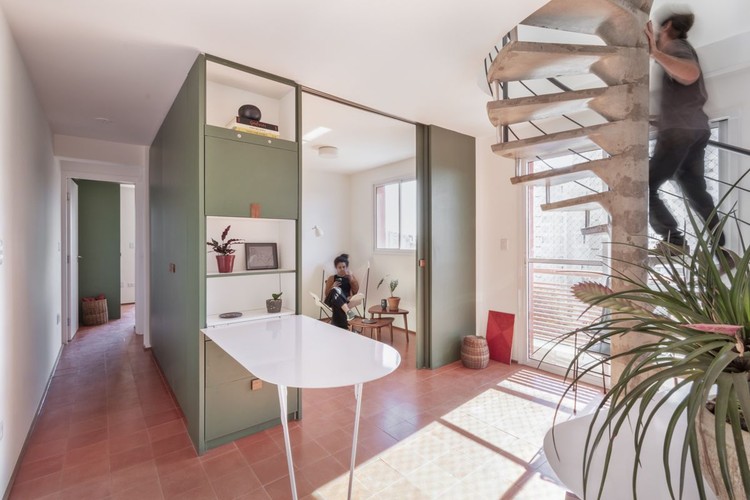
Many architectural projects have been giving special attention to cabinetry and built-in furniture. These custom-made wood pieces are designed for specific purposes and can be used to organize the space, which can be living rooms, bedrooms, studies, kitchens, and bathrooms. Besides functionality, these elements also introduce different materials, textures, and colors into the environments. This article will explore some examples of how colorful cabinets and furniture can make architectural projects more vibrant.

17 Projects With Colorful Cabinets and Built-in Furniture - More Images+ 13

Brazilian Houses: Different Functions for the Backyard

Subscriber Access | 

In tropical countries like Brazil, external areas are highly valued in residential projects. The backyards are used differently and configured according to the architectural project. Whether large or small, landscaped, with a pool, or equipped with other features, Brazilian families seek to make the most of their outdoor areas when possible.

Brazilian Houses: Different Functions for the Backyard - More Images+ 13

Ideas for Mixing Materials and Cladding in the Kitchen

Subscriber Access | 

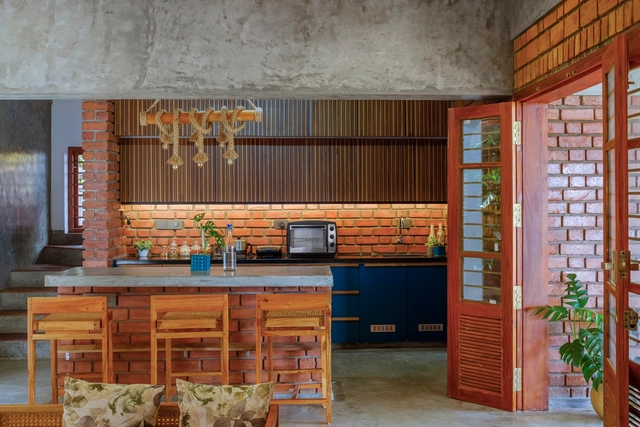
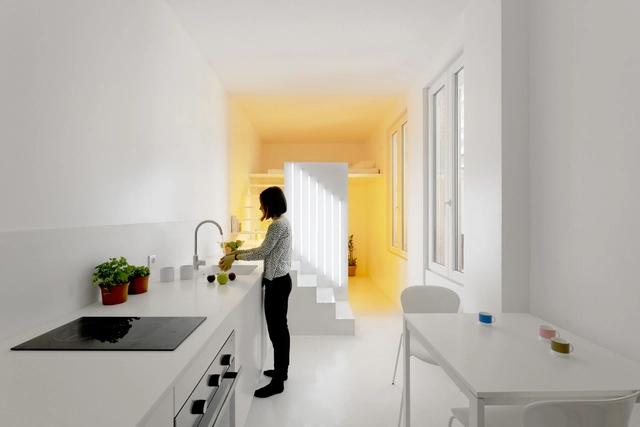
The transformation in the domestic spaces’ dynamics impacts the architecture inside and outside houses and apartments. Kitchens are the prime example of this transformation. Historically considered marginalized workspaces, they have gained more prominence as architectural spaces. This influences not only the size of the rooms and their organization but also the used claddings.

Ideas for Mixing Materials and Cladding in the Kitchen - More Images+ 10

From the Streets to the Internet: The History of Commerce and Its Relationship With the Territory

Subscriber Access | 

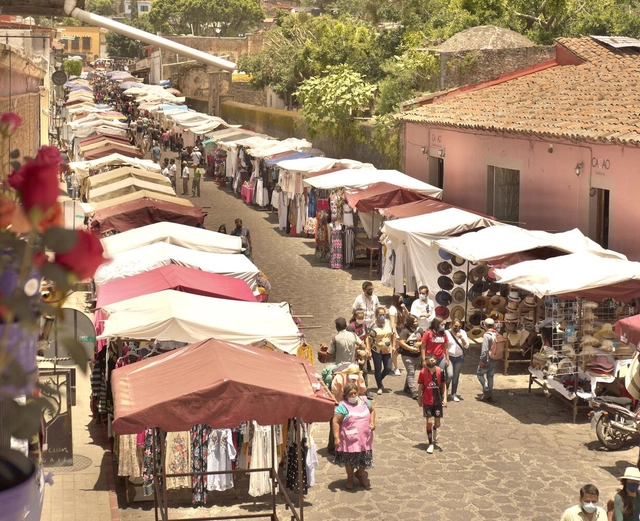
Commerce is a human activity practiced by societies since the beginning of evolution. Exchanges were made between products negotiated by entire communities at first. They began to be based on a common currency and practiced individually over time, from family to family. In one way or another, this activity is a characteristic of civilization and even influences our territorial organization. Historically practiced in outdoor spaces, commercial activity defined many spatial configurations.

From the Streets to the Internet: The History of Commerce and Its Relationship With the Territory - Image 1 of 4From the Streets to the Internet: The History of Commerce and Its Relationship With the Territory - Image 5 of 4From the Streets to the Internet: The History of Commerce and Its Relationship With the Territory - Image 3 of 4From the Streets to the Internet: The History of Commerce and Its Relationship With the Territory - Image 7 of 4From the Streets to the Internet: The History of Commerce and Its Relationship With the Territory - More Images+ 4

Using Mirrors to Extend and Transform Interiors

Subscriber Access | 

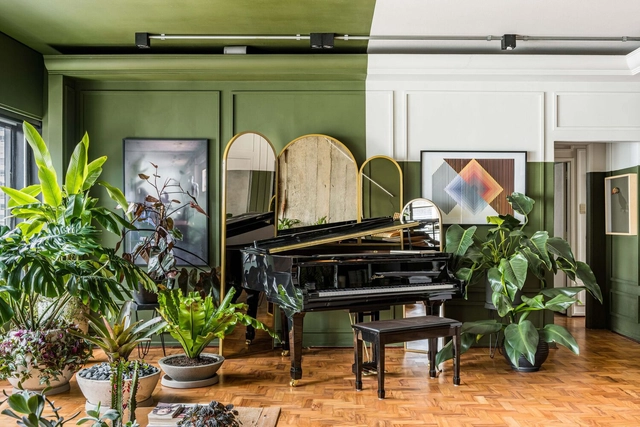
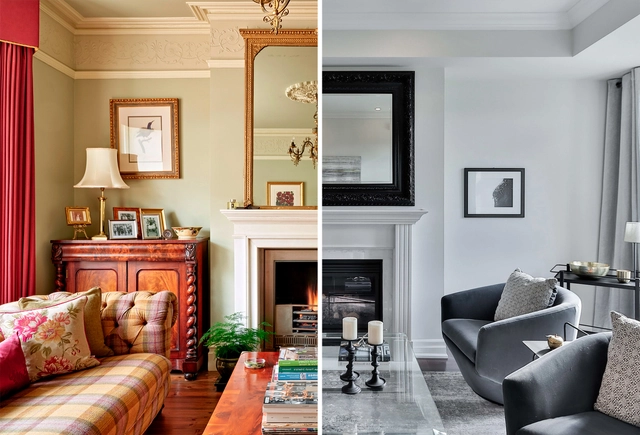
One of the most common decorative objects in projects, mirrors have existed since the Badarian civilization, around 4,000 BC. With several transformations in its material and manufacture, the mirror is a decorative object and can also serve as a design strategy.

Using Mirrors to Extend and Transform Interiors - More Images+ 12

Living on the Edge: Houses Adapted to Extreme Weather Conditions

Subscriber Access | 

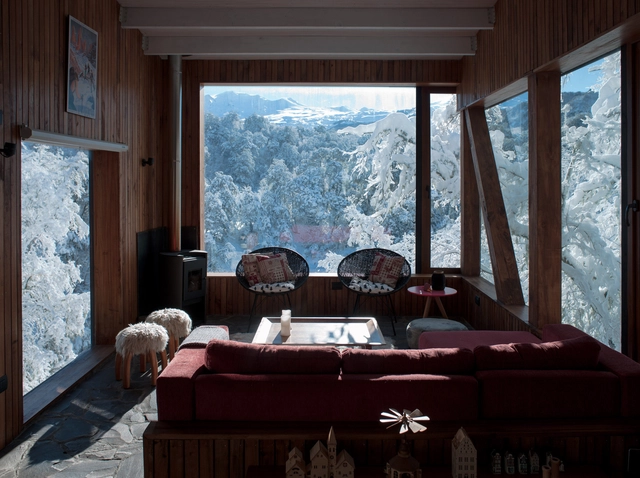
In each region of the globe, vernacular constructions of the most varied kind emerged, whether buried underground, inside caves or even built with stones, wood and fabrics. Shelter solutions were based on available materials and weather conditions. The architecture arises from the development of these shelters, built to protect people from predators and the weather.

The construction solutions employed thousands of years ago have evolved and become increasingly complex but kept a common goal: dealing with the weather.

Living on the Edge: Houses Adapted to Extreme Weather Conditions - More Images+ 5

How to Use Glass in Interior Spaces and Decoration

Subscriber Access | 

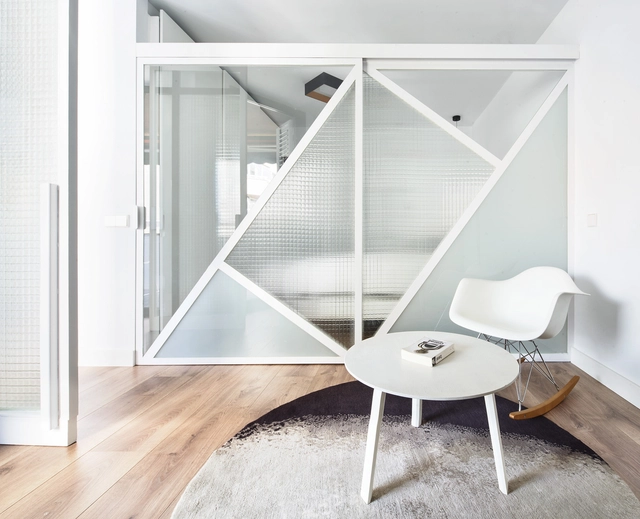
Glass is one of the most important discoveries of mankind. Originally used as a cutting tool, it has been around for about 75,000 years. The first records of glass making, however, date back to the Egyptian and Mesopotamian. Since then, the mastery of the manufacturing technique has been developing in different civilizations and nations until the Industrial Revolution popularized the material and allowed its production on a large scale. In architecture, glass was first used as a sealing element around 100 AD.

How to Use Glass in Interior Spaces and Decoration - More Images+ 17

The Story Behind Measuring Systems

Subscriber Access | 

Animals measure distances and weight for their survival. On the other hand, stemming from their need to communicate to live in society, humans created languages and, later, established the standards of measuring. Whether for moving around, portioning food, making tools, or calculating the weight of objects and animals, measurement standards arise from this need that was already present in human activities in the age of chipped stone and has been with us ever since. Nowadays, most of the world's population uses meters and centimeters to measure distances. These standards come from the need to establish comparisons that allow trade between peoples and also from political and social disputes.

The Story Behind Measuring Systems - Image 1 of 4The Story Behind Measuring Systems - Image 2 of 4The Story Behind Measuring Systems - Image 3 of 4The Story Behind Measuring Systems - Image 4 of 4The Story Behind Measuring Systems - More Images+ 1

Is the World Less Colorful? Highlighting the Color Evolution of Objects and Spaces

Subscriber Access | 

Research by the Science Museum Group based on objects from different periods of UK history shows how their colors have transformed over time, leaving vibrant tones behind and becoming grayer every day.

Cat Sleeman examined more than seven thousand photographs of everyday objects from the Science Museum Group Collection in research funded by the Creative Industries Policy and Evidence Center (PEC). From cameras to lamps and other household objects, they were organized into 21 different categories according to their use. The analysis was carried out based on counting pixels of different colors and also addressed the shape of the objects.

How to Use Artificial Lighting as a Decoration Element

Artificial lighting offers a range of strategies for interior design. Widely used in commercial projects and restaurants as an aesthetic device to attract customers and to create environments that stimulate the senses, it can transform rooms and create cozy and well-lit places in residential projects.
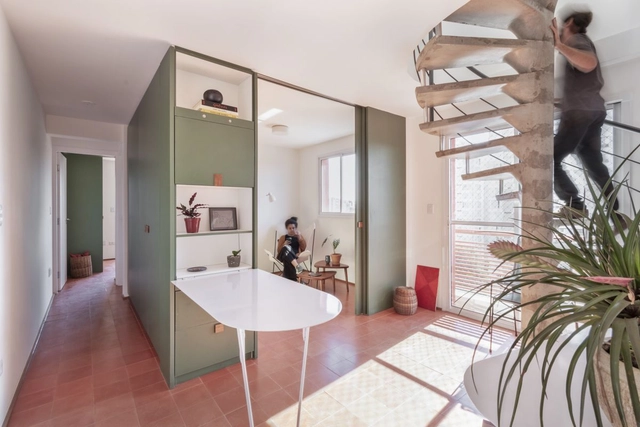
How to Use Artificial Lighting as a Decoration Element - More Images+ 12

Excavated architecture: heritage of the past and a possibility for the future

Subscriber Access | 

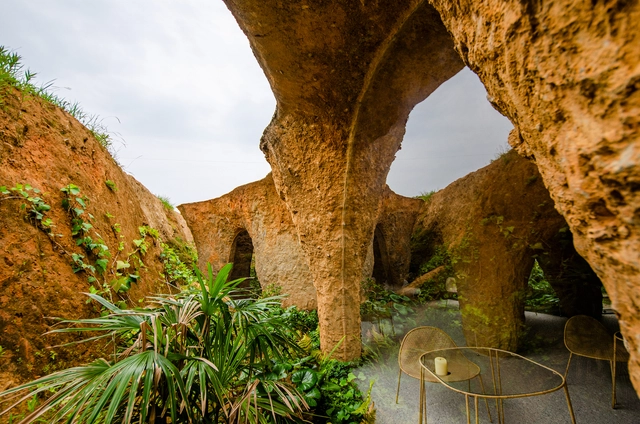
In the dawn of humanity, communities instinctively organized themselves based on local conditions, available resources, and their way of life. While nomadic groups created solutions for temporary occupation—often carrying shelters among their belongings—settled groups also developed ways to occupy available spaces, establishing construction techniques that have evolved to this day.

One such way of dwelling, which conventional architecture eventually sidelined—to the point of it acquiring a fantastical status in popular culture—was the occupation of cavernous or excavated spaces. Yet, this remains an ancient practice that leverages vernacular techniques to adapt to climate conditions and expand architectural possibilities.
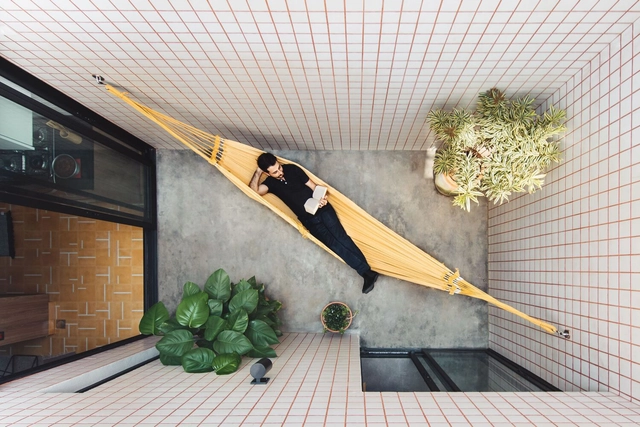
Excavated architecture: heritage of the past and a possibility for the future - Image 6 of 4Excavated architecture: heritage of the past and a possibility for the future - Image 2 of 4Excavated architecture: heritage of the past and a possibility for the future - Image 4 of 4Excavated architecture: heritage of the past and a possibility for the future - Image 1 of 4Excavated architecture: heritage of the past and a possibility for the future - More Images+ 2