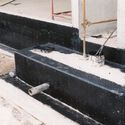
Concrete, metal, or wood—all building materials degrade over time when exposed to water and moisture. Moreover, every building element is exposed to weathering to varying degrees, from the foundation to the roof. Consequently, protective layers must be incorporated to prevent water from contacting raw materials—a process known as waterproofing—ensuring the structure's maintenance and longevity.
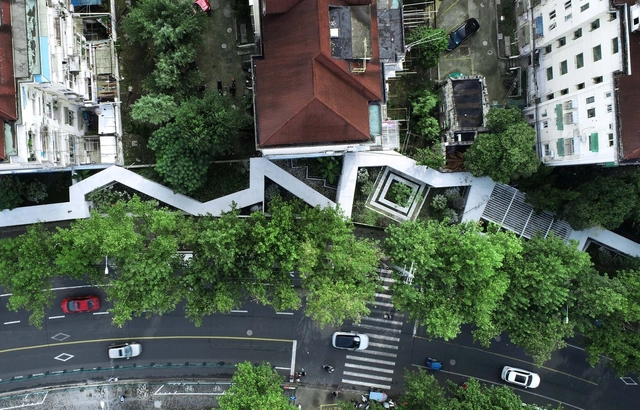
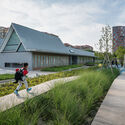
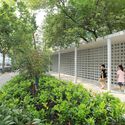
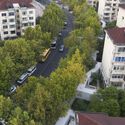
From reducing local temperatures to improving air quality, the benefits of urban forestry in city centers are numerous. Combining social, environmental, and even economic advantages, urban planting—especially along sidewalks—is fundamental to citizens' quality of life. However, it must be carefully planned and designed, balancing urban demands with biological needs.
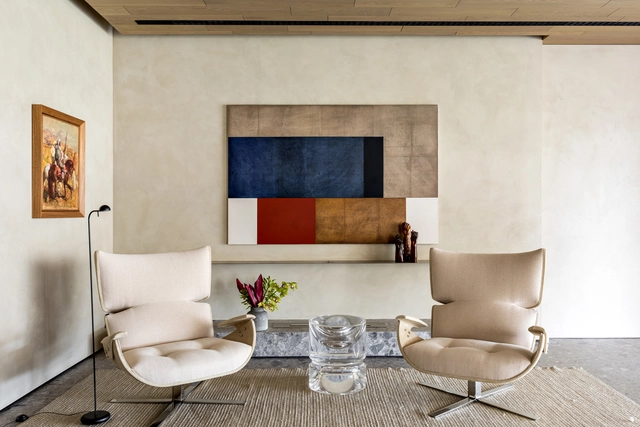
The determination of focal points in the environments offers dynamism, personality and activates internal and external environments from the enhancement of decorative objects or construction elements. Here are some examples for you to understand what it is and how to use it in the design and decoration of your home.
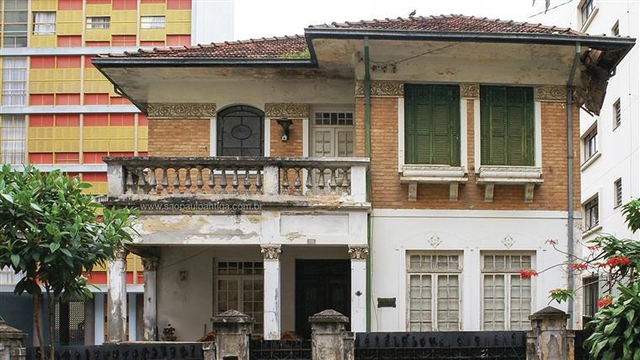
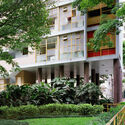
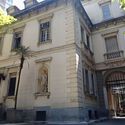
Margarida Bonetti's abandoned mansion. In the background, the Louveira Building by João Batista Vilanova Artigas and Carlos Cascaldi is visible. Image: Courtesy. Image
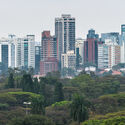
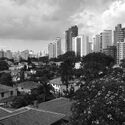
On June 7, 2022, the podcast A Mulher da Casa Abandonada was released, telling the true story of a Brazilian aristocrat who fled trial in the United States in the 2000s. The show sparked widespread public fascination over the nearly two months during which the episodes were released. Among the elements that shape the narrative, the house and the neighborhood became key supporting characters in both the story and its reception, illustrating and laying bare how our society—and its territory—are shaped by structural racism.
On August 19th, the world photography day is celebrated, a fundamental tool for the imagery record of our society. If, on the one hand, photography is the protagonist in dialogues that involve architecture and the city, portraying historical moments and enhancing buildings, on the other hand, it guides us through the context and backstage of the moment, eternalizing the process.
In addition to their primary function, roofs are one of the most fundamental elements in the aesthetics of a building, taking different shapes, being composed of different structures and sealed by different materials. But, in addition to aesthetics, roofs need to meet the climatic conditions of where they are located, considering the periodic changes related to rain, sun and winds.
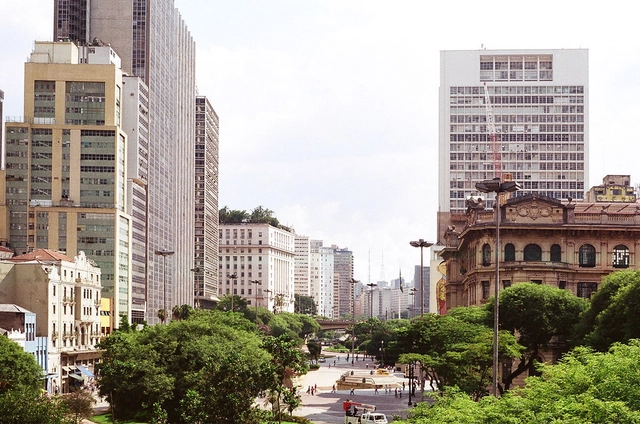
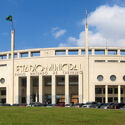
Recently, the city of São Paulo witnessed two events involving spaces that were previously public and are now under private concession. The already renowned Virada Cultural Paulistana took place again after the initial years of the covid-19 pandemic, and had as one of its stages the new Vale do Anhangabaú. In addition, the Pacaembu complex - which recently ceased to be a public facility, became a concession and has been undergoing a series of renovations and transformations - hosted the ArPa Fair, an event that brought together a series of important galleries for exhibition, purchase and sale of artworks. Despite the different nature of these events, their processes arouse reflections upon the privatization model we are experiencing in cities today.
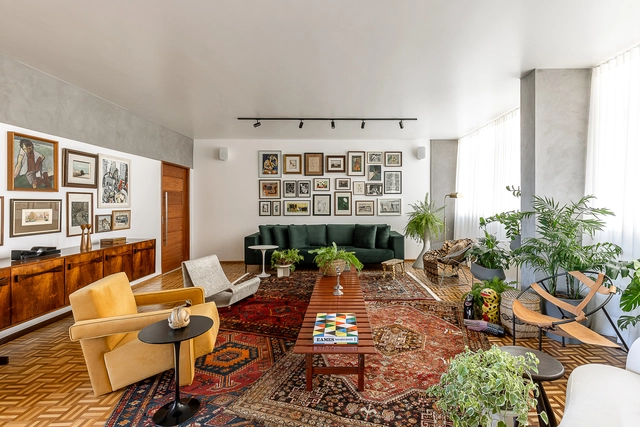
Rugs are not items that usually go unnoticed in residential environments. In addition to warming the environment and making them more cozy, when used correctly, rugs connect the furniture and give unity to the decor. Here are some tips on how to properly size and choose this item in your home.
June is the month in which the day of Japanese immigration is celebrated in Brazil, a country that has the largest Japanese colony outside Japan, with more than 2 million people, Japanese or descendants. Since the 20th century, Japanese families immigrated to Brazilian rural regions, forming a solid colony in the interior of states like São Paulo, influencing many aspects of the local culture.
Architecture and cuisine build different relationships, depending on the local culture. When this combination results in stores, it usually enhances the experience of restaurants, cafes, bakeries, and bars.
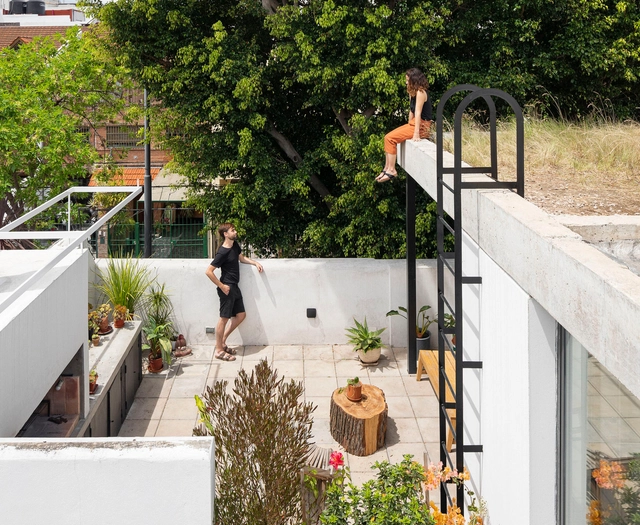
As cities are increasingly vertical, buildings have been finding ways to take advantage of what roofs can bring to urban life. Through halls for parties, restaurants, swimming pools, and other programs, contemporary architecture has gained access to sunlight, natural ventilation and also to the horizon due to the occupation of the rooftops, making them attractive for both residential and commercial projects. However, the interest in appreciating the city from this point of view is not the result of verticalization alone, nor is it a merely technical alternative.
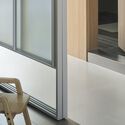
The threshold is a constructive element of the floor that serves to finish when there is a notable change in material or level. Much more prominent in the past, the piece today has a more discreet presence in architecture.
The thresholds and transition strips are applied directly to the floor and are responsible for making the transition when there is any change in the built space, whether it is in level, in the type of floor, or even when there is a door or passage.
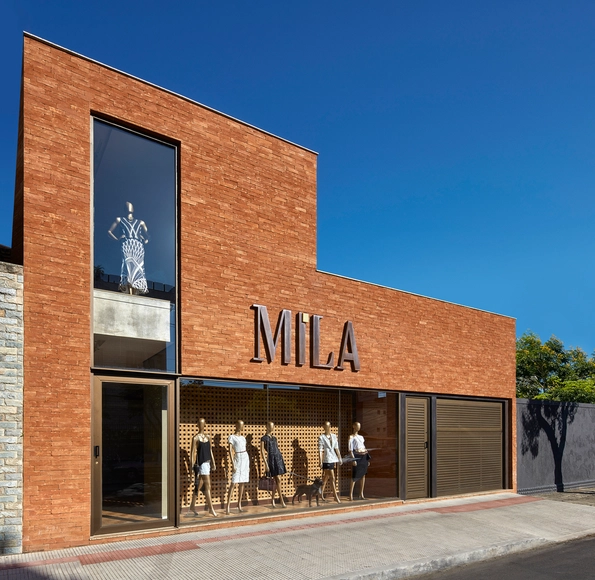
Window displays are the means of communication with the customers, the transition layer between the street and the store. From its emergence in the 2nd century, in the Roman Empire, until today, many changes have taken place until we reach the current windows, which not only display products, but also the identity of brands. Here is what to consider when designing a showcase.
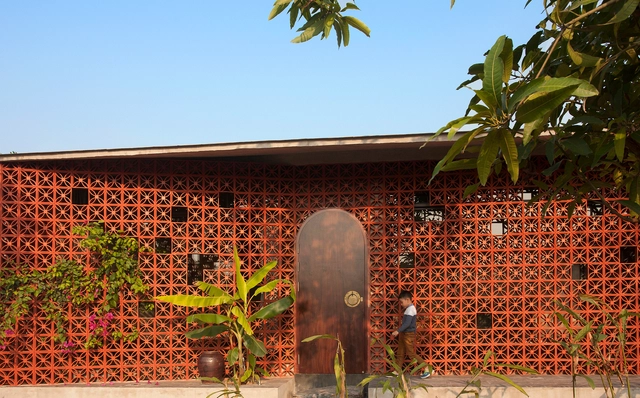
Ceramic fragments and figures found at the Neolithic site of Mureybet, in Syria's Middle Euphrates valley, indicate that clay and fire work date back to the 7th millennium BC. This means that dealing with ceramics is one of the oldest activities in human history. More than 9,000 years later, ceramic, and all its derivatives, has become one of the most used materials in construction, being used at different times, from structure to finishes.
Nature is often used as an inspirational source for architecture. Whether from its shapes, the extraction and use of its materials, or even the incorporation of physical and chemical processes in the technologies used, it is always relevant to look for relations between the built environment and the natural environment. Of the many ecosystems present on planet Earth, the oceans represent most of the surface and hold stories, mystiques, symbols and shapes that can be referenced in architecture.
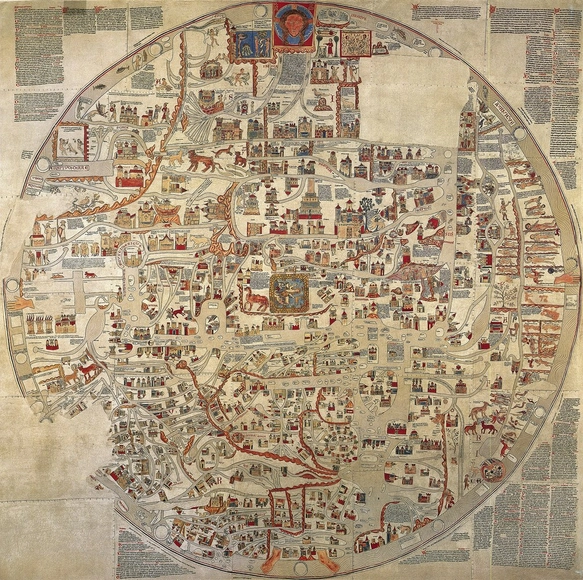
World map of 1300. Image via Wikicommons, under domain
Cartography consists of the flat, simplified and conventional geometric representation of the earth's surface, presented in the form of maps, charts or blueprints. Because it is a two-dimensional representation of something that is three-dimensional, all representations undergo some kind of deformation, so that the choice of a method takes into account not only technical aspects, but also political ones.
Headquartered in Belo Horizonte, Minas Gerais, the architectural firm Arquitetos Associados presents a dynamic and varied way of dealing with each project. Based on a specific and specific work organization for each case, which allows for a varied team including external collaborators, the firm's way of working reflects on its unique projects.
If, on the one hand, bathrooms have a certain rigidity when we think about the layout and their spatial arrangement, it is in the floor and wall coverings that this logic is inverted. With the wide variety of models and patterns available on the market, ceramic tiles and porcelain tiles are often used to give quality and identity to space. At the same time, the ease of access to ceramic and porcelain tiles, as well as their ease of installation, end up conditioning our choices, making it difficult to think of other finishing possibilities for these areas.