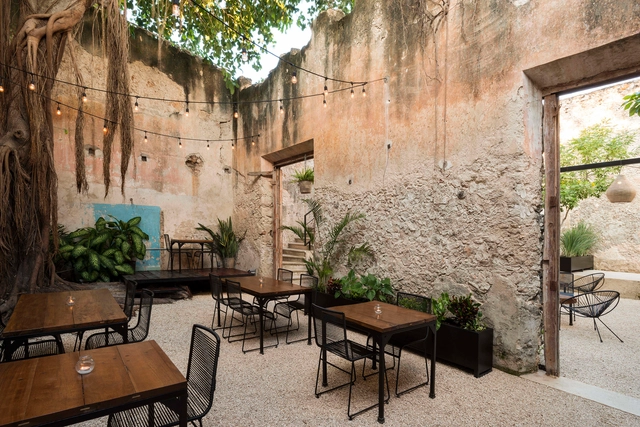
The spatial distribution of a restaurant or bar is essential to its success. Faced with this design challenge, several architects have experimented and proposed configurations that both enhance the use of space in different culinary experiences.
With this being said, take a look at 50 gastronomic establishments in plan and section to inspire your next design.
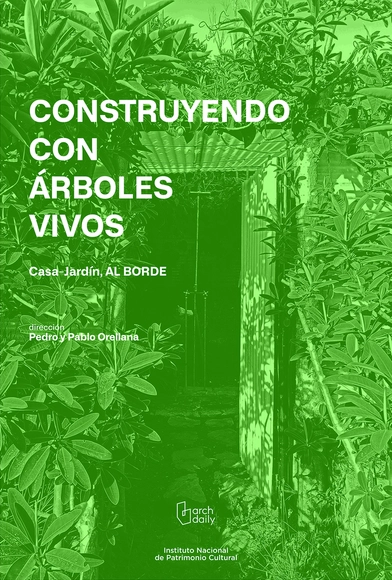
Today is the premiere of the first episode of a new documentary series that explores the projects of Al Borde. Titled "Building with Living Trees", this first instalment highlights the stories behind Casa Jardín (Garden House), a single-family home located in the suburban area of Quito, Ecuador.
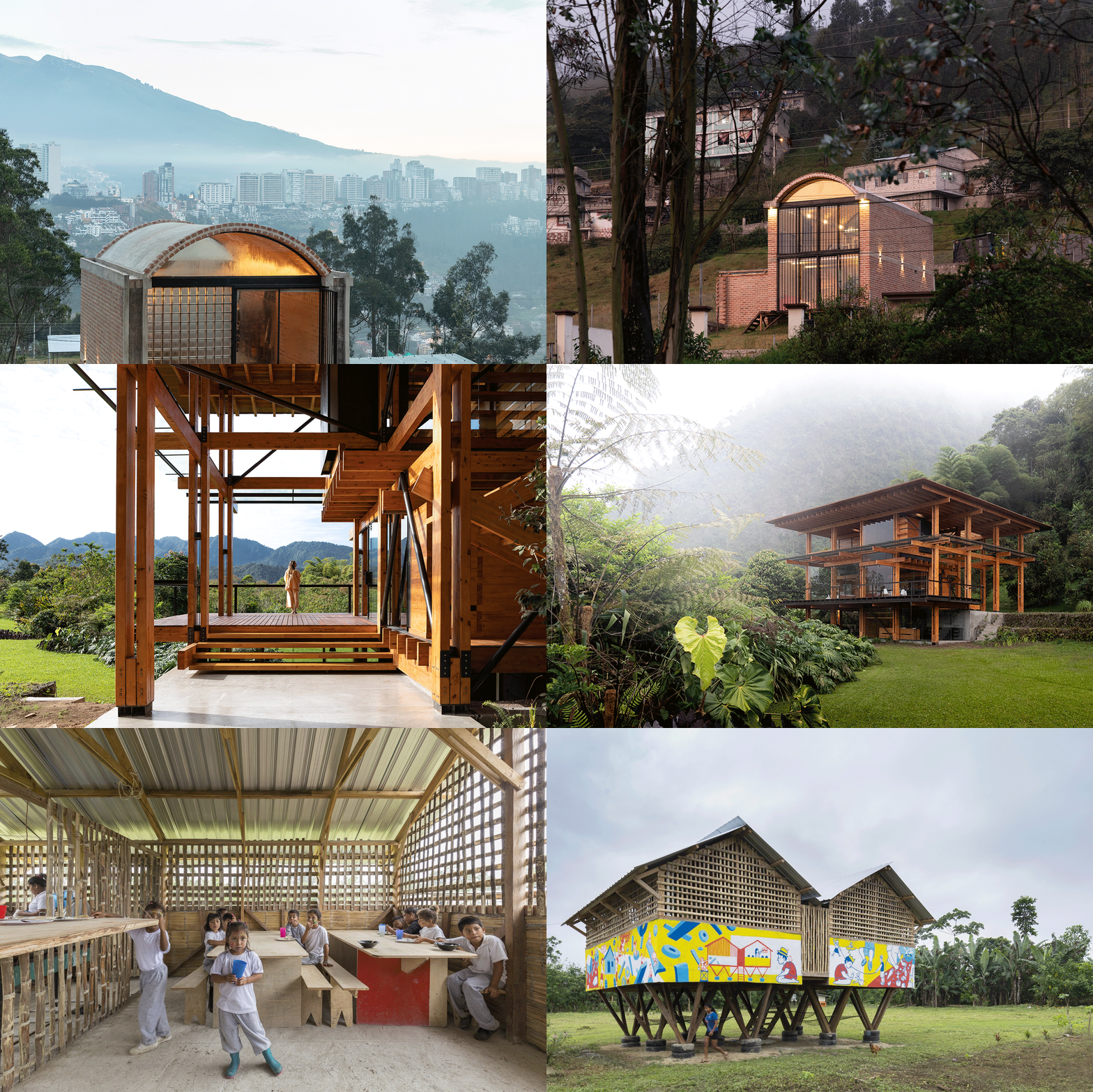
Designed for an ecologist named José, the residence is developed into three small independent pavilions with hybrid structures that combine living trees with various construction systems. These structures utilize a vernacular technique of living fences that has been employed in the Andes since ancient times, showcasing a genuine pursuit of coexistence between architecture and nature.
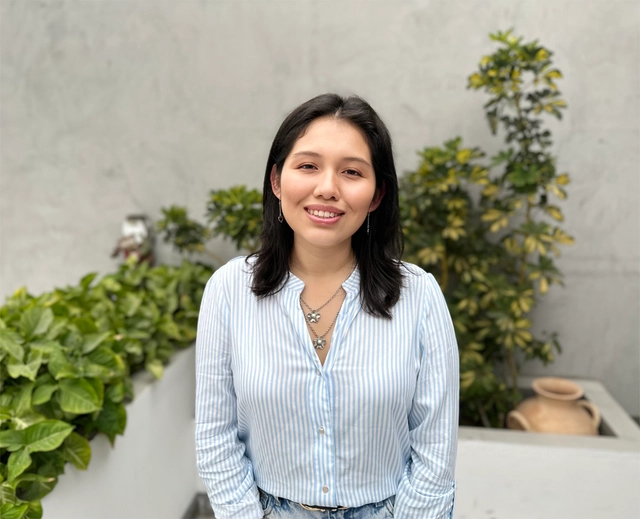
Taller General is a meeting point where Martín Real and Florencia Sobrero, among other members and collaborators, come together daily to pursue their passion: channeling their creativity through architecture while merging all the aspects that shape their lives, from activism to education.
From Ecuador, the team undergoes changes based on the project's needs, and for the most part, it expands through collaborative work that enables them to share diverse perspectives, opinions, and practices. This enriches the environment and produces outcomes that would be unimaginable from an individual standpoint.
For these reasons, Taller General was chosen by ArchDaily as one of the best new architectural practices of 2023. Next, we bring you an interview with Florencia and Martín to get a close look at their inspirations, work processes, and future projects.
On Wednesday, August 23, the first episode of the new documentary series that explores the projects of Al Borde will be released. "Building with living trees", immerses itself in the stories of the Garden House, a single-family house located in the suburban area of the city of Quito.
On Wednesday, August 23, the first episode of a new documentary series exploring Al Borde's projects will be released. Building with Living Trees dives into the stories behind Casa-Jardín, a single-family residence located on the outskirts of Quito.
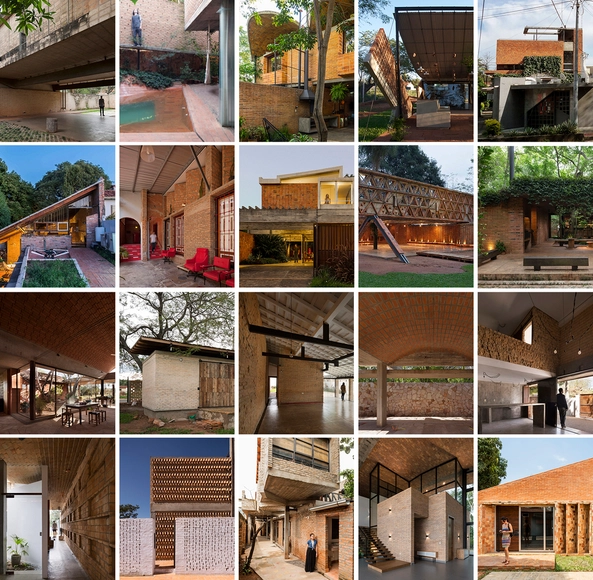
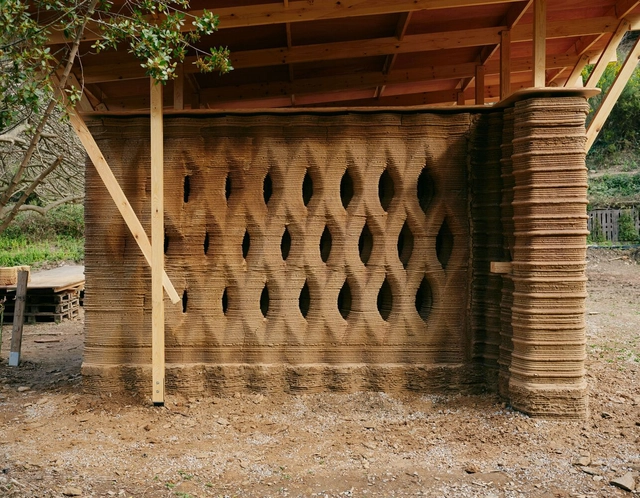
In Paraguay, brick can be many things. Walls, dividers, facades, sieves, vaults, floors, and pavement are just some of the many example that demonstrate, not only the variety of uses for brick, but the ingenuity of the architects who choose to utilize it in their projects.
On Wednesday, August 23, the first episode of a new documentary series exploring projects by Al Borde will premiere. "Building with Living Trees" dives into the stories behind the Casa-Jardín, a single-family home located in the suburbs of Quito.
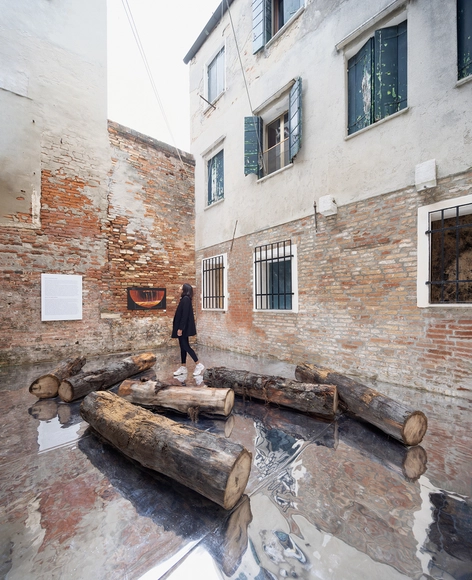
Panama presented its pavilion on "Stories Beneath the Water" at the 18th International Architecture Exhibition – La Biennale di Venezia. Curated by Aimée Lam Tunon, the exhibition explored themes of division and integration, with a focus on three different areas within the former Panama Canal Zone. It is an analysis that addresses issues of division and integration: Divisive architectural structures and systems; erased identities of submerged communities; and Barro Colorado Island, critically examining and questioning the overlaps between notions of protection and control.
Photo set. Ensemble of doormen. The Tragedy of Macbeth. Image via Stefan Dechant
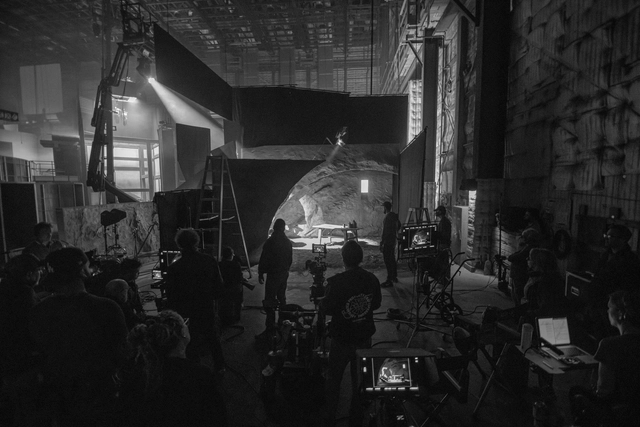
"I have a feeling we're not in Kansas anymore," Dorothy says to her dog in 1939's 'The Wizard of Oz' as she walks around, discovering a fantasy set in which, without realizing it, we find ourselves immersed. From the initial sketch to the construction of the sets, production design for film requires careful detail to truly bring visions to life and transport viewers.
In this combination of creativity, research, and collaboration, various production designers have approached us to share their adventures and design processes. The importance of creating a cohesive visual aspect, understanding language and styles, and translating all of this to the screen come together in the following series of 8 interviews we conducted with Annie Beauchamp, Luca Tranchino, Felicity Abbott, Jacinta Leong, Alexandra Schaller, Ina Mayhew, Amy Lee Wheeler, and Stefan Dechant.
Martha Pomasonco, winner of the 2023 RIBA Norman Foster Travelling Scholarship. Image via RIBA
The Royal Institute of British Architects (RIBA) has announced that Martha Pomasonco, from the University of Lima in Peru, has been selected as the winner of the 2023 RIBA Norman Foster Travelling Scholarship in recognition of her outstanding project, "Upgraded Barrios" (Barrios Mejorados).
ArchDaily presented its monthly topic for July (Design Process) and wanted to open the discussion on how technology is being integrated into architectural practice. Although the discipline has been advancing for years in new fields such as artificial intelligence (AI), virtual reality (VR), parametric modeling, and BIM, alongside other cutting-edge tools, its implementation and systematization in everyday design processes remain slow.
Throughout the month, we held an open call to hear about our readers' experiences and learn from them—exploring together how the latest innovations transforming the profession are being applied. After reviewing a vast number of comments and opinions, it was surprising to find common ground regarding how we filter and update the technologies we use in our design processes. Read the main perspectives below.
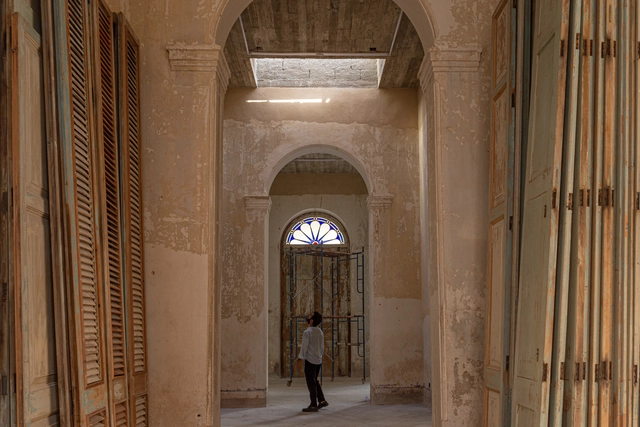
Infraestudio is an architecture and art practice based in Havana that has been obsessed with fiction since its foundation in 2016. Fernando Martirena, Anadis González, and other members and collaborators work from a narrative and discursive approach to experiment with various resources such as buildings, research, exhibitions, writings, and activism. This has allowed them to operate discreetly in a city frozen in time, recounting how contemporary architecture is done in Cuba today.
For these reasons, Infraestudio was selected by ArchDaily as one of the best new architectural practices of 2023. They are concerned with creating architecture that blends into the landscape, showcasing emptiness as a representation of an idea, focusing not on forms but on strategies, and building with the bare essentials.
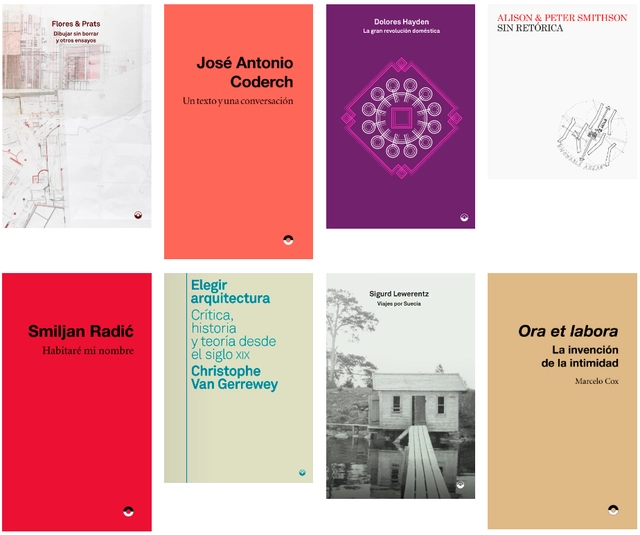
Based in Barcelona, Puente Editores is an independent architecture and art publisher directed by Moisés Puente that seeks to serve as a platform for independent projects.
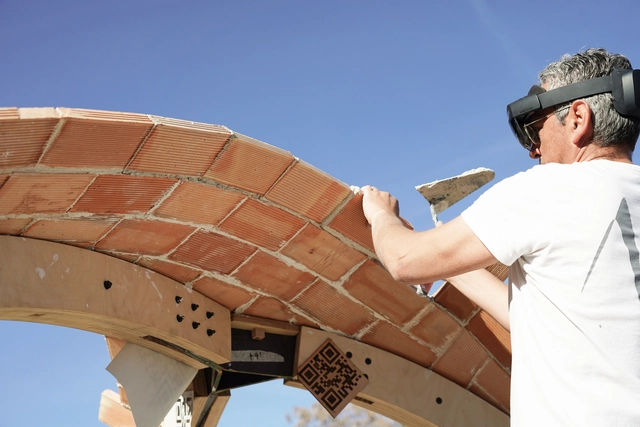
Realidade aumentada usada no canteiro de obras. Image Cortesia de IE School of Architecture & Design
Although the architecture and construction industry has advanced in recent years into new areas such as artificial intelligence (AI), parametric modeling, virtual reality (VR), and other cutting-edge tools, their integration and systematization within the design process remains slow. In an increasingly connected and constantly evolving world, digital tools and emerging technologies are revolutionizing how architects design and build, rewriting the rules and expanding creative horizons. Therefore, it is essential to continue discussing how these tools are being integrated and how their potential can be further unlocked within the discipline.
This July, ArchDaily is exploring the topic of the design process. Within this framework, we want to open up the discussion to hear about your experiences, learn from your successes, challenges, and mistakes—and explore together how these new tools are transforming the practice of architecture.
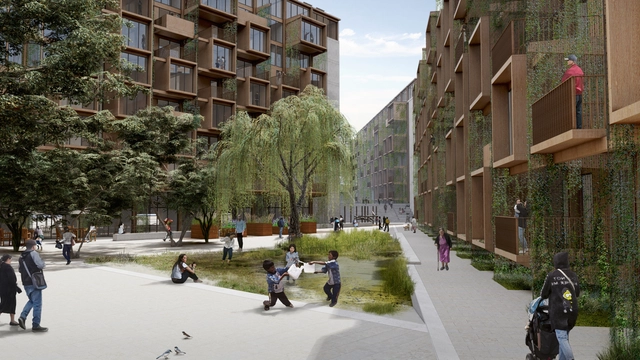
The "Construye para Crecer" (Build to Grow) project by Susana Biondi Antunez de Mayolo and René Poggione Gonzáles (Poggione+Biondi Arquitectos) was named the winner of the XIX National Architecture Biennial of Peru 2022. The jury highlighted its "comprehensive sustainability proposal linked to efficient water management, energy, and the life cycle of the proposed materials." Remarkably, the design not only incorporates an artificial wetland to support the local ecology but is also structured to be built primarily of timber.
This would make the residential complex one of the tallest timber-built developments in South America, directly addressing material use and energy efficiency in the country. It promotes sustainable forest management while offering an environmentally conscious alternative that minimizes energy consumption and boasts a low life-cycle impact.
Although the architecture and construction industry has been making strides in new fields like artificial intelligence (AI), parametric modeling, virtual reality (VR), and other cutting-edge tools for years, their implementation and integration into daily design workflows remain slow. In an increasingly connected and constantly evolving world, digital tools and emerging technologies are revolutionizing how architects design and build—changing the rules of the game and expanding creative horizons. Consequently, there is an ongoing need to discuss how these technologies are being incorporated and how their use within the discipline can be further enhanced.
ArchDaily featured the topic of Design Process in July, and we didn't want to miss the opportunity to open the discussion with an invitation. We believe in the power of dialogue and the exchange of ideas. We want to hear about your experiences, learn from your successes, challenges, and mistakes—and explore together how these new tools are transforming the way you practice architecture.
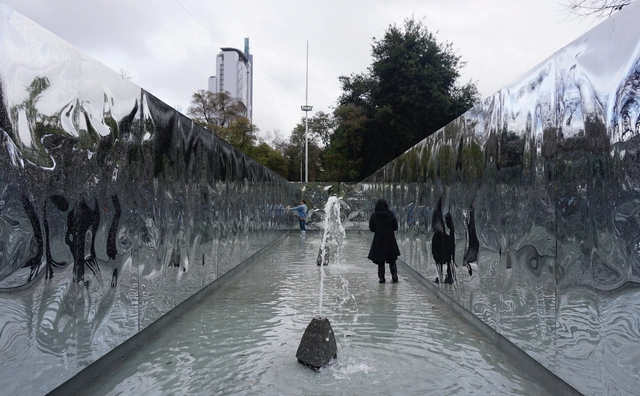
From July 11 to 16, the La Fuente Pavilion is open to the public in Balmaceda Park in Santiago, Chile. This new public space installation, designed by architect Camilo Palma (Abarca+Palma), invites visitors to engage in "contemplation and tranquility around the stimuli and sensations of water." The structure, composed of mass-produced, prefabricated building elements, sits atop the original 1931 fountain designed by Oscar Prager, Sergio Larraín, and Jorge Arteaga.
To experience the public space firsthand, ArchDaily visited the installation on a rainy day.
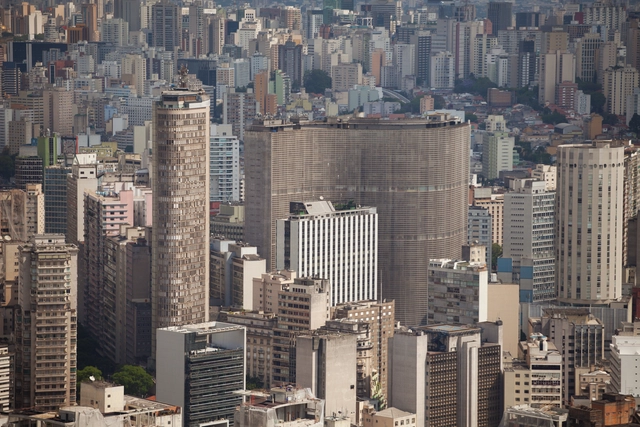
Aerial view of buildings in São Paulo, Brazil, including Oscar Niemeyer's Copan Building. Image via 3 Dias Fotografia / Shutterstock
July 11th marks World Population Day, an annual event established by the United Nations Development Programme in 1990 to raise awareness of global demographic issues. This is a highly pressing issue today; not only is the global population projected to reach nearly 10 billion by 2050, but the latest UN-Habitat reports estimate that two-thirds of us will live in cities by then. Furthermore, this year is particularly notable because India has become the world's most populous country, reaching 1.4286 billion people—a milestone that naturally raises the question of what it means to build for billions.
World Population Review annually tracks urban growth and metropolitan populations to understand global development trends. Although the list of the 20 most populous cities in the world features familiar Asian hubs such as Tokyo in Japan, Delhi in India, and Shanghai in China, it also includes several Latin American giants. Among them are São Paulo, Mexico City and Buenos Aires, which recorded year-over-year growth rates of 0.85%, 0.89%, and 0.78%, respectively.