The work of the Catalan firm RCR Arquitectes was, until its founders won the 2017 Pritzker Prize this month, little-known worldwide, with appreciation of their projects largely restricted to the few European locations in which they have built and a number of well-informed academic circles. Rafael Aranda, Carme Pigem and Ramon Vilalta founded their office in the small town of Olot almost 30 years ago, and most of their work for the past three decades have been built in the surrounding regions of Catalonia. As the Pritzker jury has pointed out, one of their greatest qualities is their ability to show how architects can have "our roots firmly in place and our arms outstretched to the rest of the world." Through the videos presented in this article, it is possible to understand a little more about the work of the office, and more specifically, to appreciate the atmosphere of its built works.
Eduardo Souza
Brands and Materials Senior Editor. Architect and Master from Federal University of Santa Catarina (UFSC).
Get to Know the Work of 2017 Pritzker Prize Winners RCR Arquitectes Through These Videos
Jenny Sabin Studio Selected as Winner of the MoMA PS1 2017 Young Architects Program

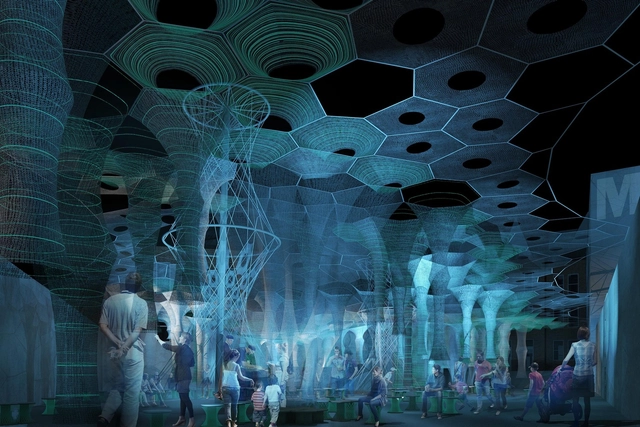
Lumen by Jenny Sabin Studio has been named the winner of The Museum of Modern Art and MoMA PS1’s annual Young Architects Program. Opening on June 27 in the MoMA PS1 courtyard, this year’s construction is an immersive design that evolves over the course of a day, providing a cooling respite from the midday sun and a responsive glowing light after sundown. Drawn from among five finalists, Jenny Sabin Studio’s Lumen will serve as a temporary urban landscape for the 20th season of Warm Up, MoMA PS1’s pioneering outdoor music series. Lumen will remain on view through the summer.
Now in its 18th edition, the Young Architects Program at The Museum of Modern Art and MoMA PS1 has offered emerging architectural talent the opportunity to design and present innovative projects, challenging each year’s winners to develop creative designs for a temporary, outdoor installation that provides shade, seating, and water. The architects must also work within guidelines that address environmental issues, including sustainability and recycling.
The Importance of Human Scale When Sketching

I prefer drawing to talking. Drawing is faster, and leaves less room for lies. (Le Corbusier)
Even with the evolution of technology and the popularization of advanced computer programs, most architecture projects still begin with a blank sheet of paper and the casual strokes of a pen. Rather than simply representing a project, the sketch allows us to examine the project, understand the landscape or topography, or communicate an idea to another team member or even the client. Its main purpose, however, is to stimulate the creative process and overcome the fear of blank paper. Sketches are usually made with imprecise, overlapping, ambiguous strokes, accompanied by annotations, arrows, and lack great technical accuracy and graphic refinement.
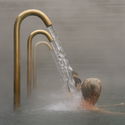
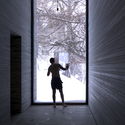
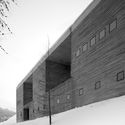
Peter Zumthor's Therme Vals Through the Lens of Fernando Guerra

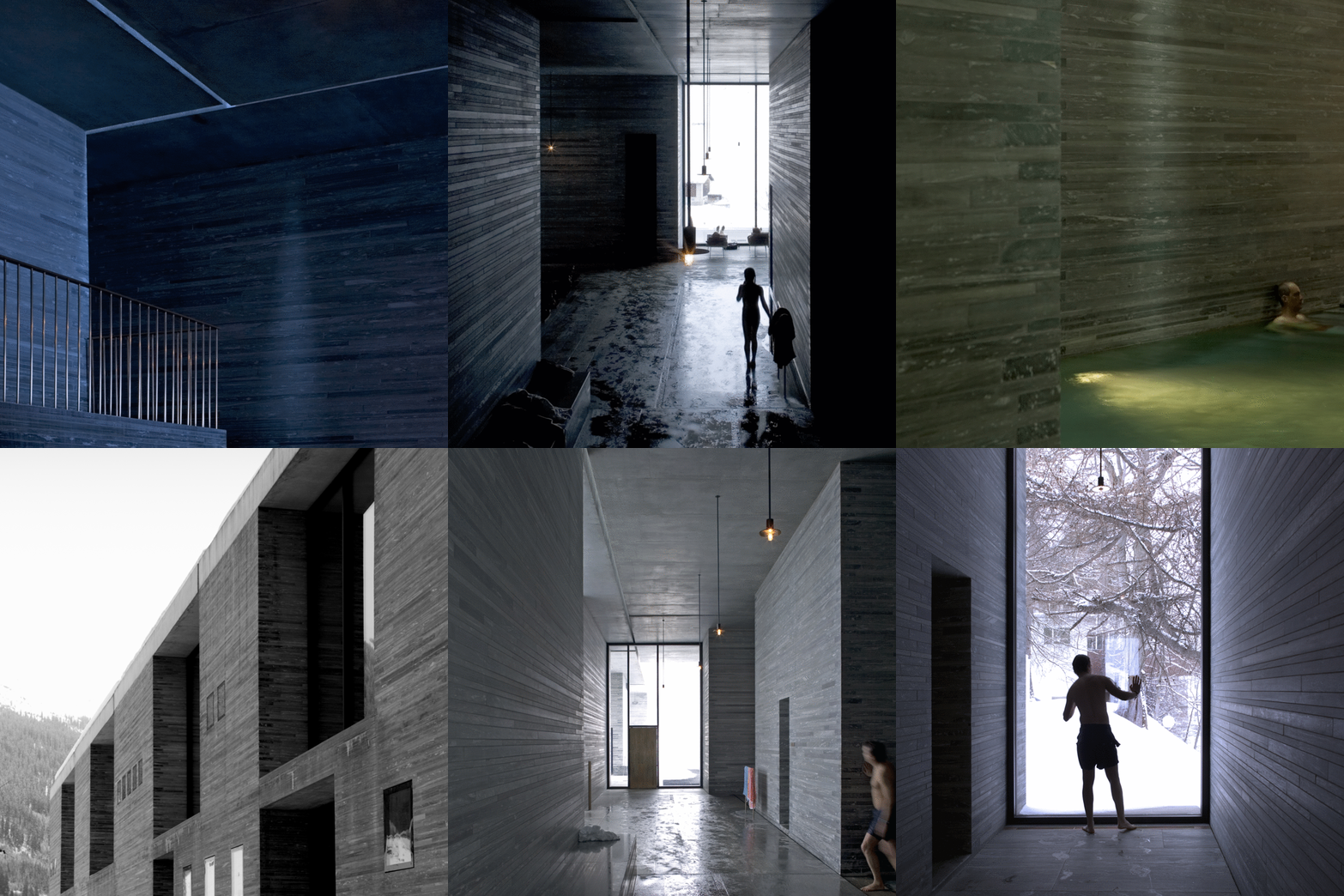
In this stunning photo shoot Fernando Guerra, of Últimas Reportagens, captures the Therme Vals, one of the most iconic works of the 2009 Pritzker Prize-winner Peter Zumthor.
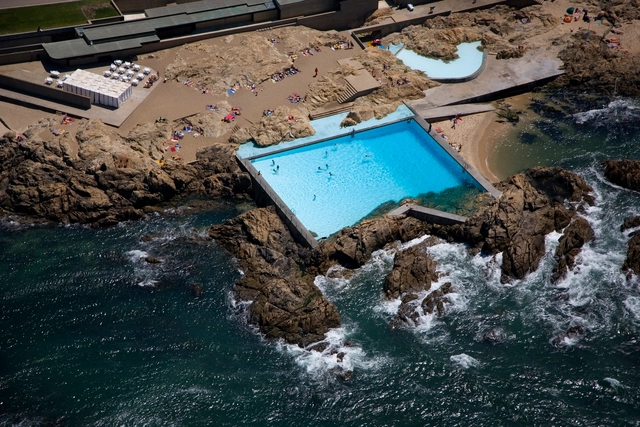
These Stunning Photos Commemorate the 50th Anniversary of Alvaro Siza's Pool On The Beach

To commemorate the 50th anniversary of Alvaro Siza Vieira’s Piscinas de Marés (Pools on the Beach) in Leça de Palmeira, Portugal, photographer Fernando Guerra shared an interesting photo shoot project with us.
The young Álvaro Siza Vieira, then 26, was called to make salt water pools along the shore at Leça da Palmeira in Matosinhos, Portugal. The facility, which was completed in 1966, is made up of changing rooms, a café and two pools- one for adults and one for children - and became one of Siza Vieira’s most recognized projects, classified as a National Monument of Portugal in 2011.