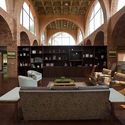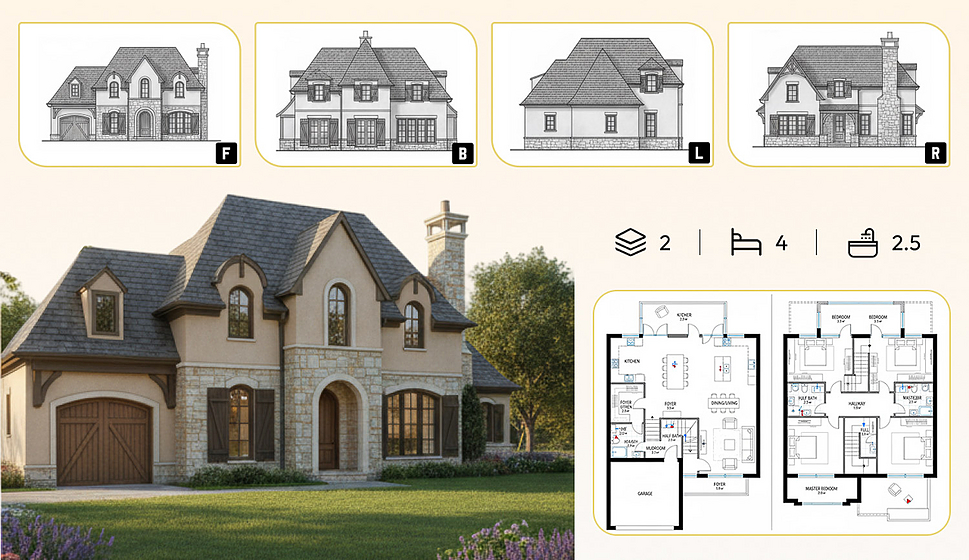
This guide covers a workflow that moves from project parameters to generated floor plans, 3D perspective views, exterior design exploration, and site context visualization, using AI tools in place of preliminary CAD and rendering work.
This guide covers a workflow that moves from project parameters to generated floor plans, 3D perspective views, exterior design exploration, and site context visualization, using AI tools in place of preliminary CAD and rendering work.
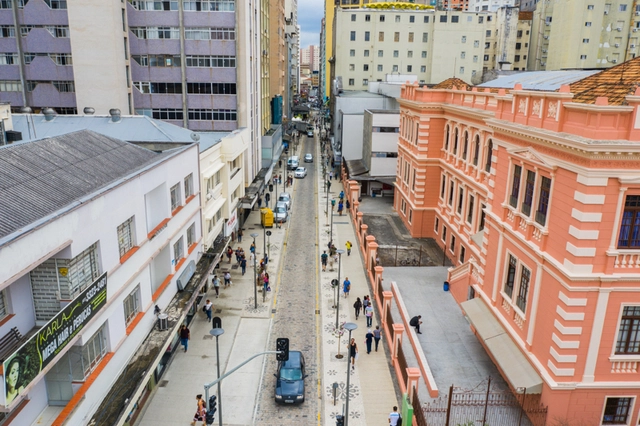
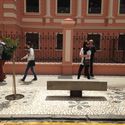
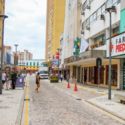
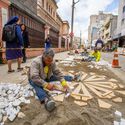
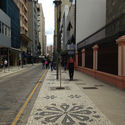
Amid century-old buildings, a major bus terminal, and a thriving commercial sector, Curitiba has implemented a complete street. Completed in February, the revitalization of Voluntários da Pátria Street has made the thoroughfare safer for pedestrians moving through the central area and more inviting for staying, featuring new benches and widened sidewalks. It is a reclamation of the past that makes the present more welcoming and strengthens the construction of a more humane future for Brazilian cities.
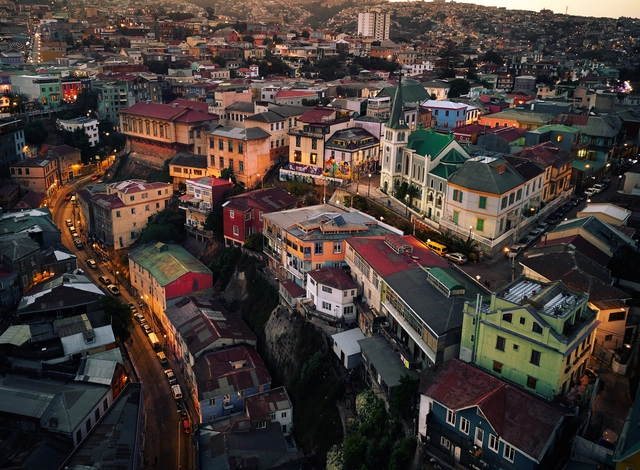
Situated at the foot of 45 hills along the Chilean coast, Valparaíso was a key port in the South Pacific during the 20th century before the construction of the Panama Canal. Thanks to its rapid industrial and commercial growth, the port underwent an urban transformation, attracting thousands of foreigners and cementing its reputation as a bustling South American cosmopolis rich in society, culture, and architecture.
Described by The Guardian as a "Berlin by the seaside", Valparaiso's historic downtown was declared a World Heritage Site by UNESCO in 2003 and the city's cultural and architectural wealth make it a must-see for tourists and architecture aficionados alike.
In this article, we present a guide written by one of the city's many enthusiasts that will give a complete and in-depth look at the port's many treasures. The guide is written as if for a walking tour, starting in Plaza Sotomayor, the city's main square. The route can be divided into two days, with the first part ending at the Palacio Baburizza and the second beginning with the Valparaiso Cultural Park. Take a tip from the experts--if you get lost, don't trust an app to find your way. Ask a local!
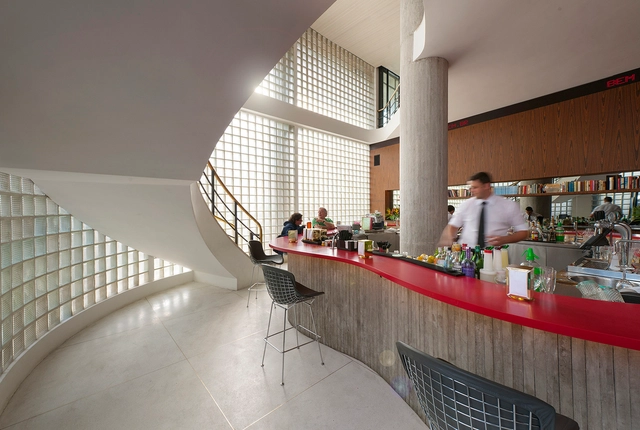
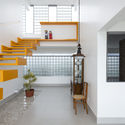
Associated with the architectural imagery of the 1980s, glass bricks—or blocks—are building elements whose sculptural potential has once again been recognized and revisited by contemporary design. First patented in 1907, this product was developed to meet the demand for light in building interiors; however, it is sought after today primarily for the visual effects produced by its translucency and texture. Currently, it is being used in diverse contexts, from bathrooms to residential partitions, and even entire facades of bars, stores, and restaurants.
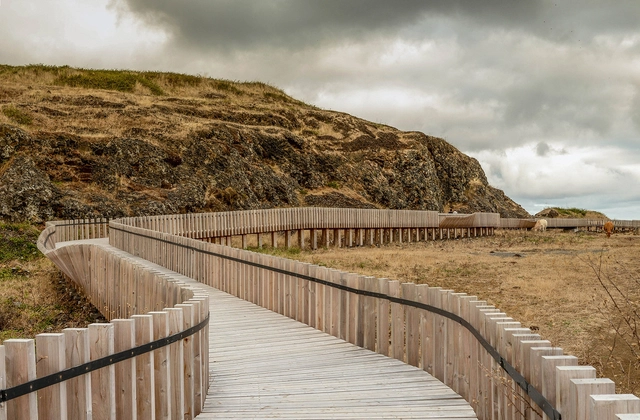
Modern Portuguese architecture has a renowned tradition of exploring the virtues of the landscape, either by integrating or emphasizing the natural elements to create new landscapes that result from the overlapping of culture and nature. Some fine examples are the Boa Nova Tea House and the Leça da Palmeira Tide Pools, both designed by Álvaro Siza, reacting to the rocky seascape where they lie, each in its own way.
However, it is not just Modern Architecture that is concerned with the landscape. In Portugal, contemporary works have been revealing exciting examples of the possibilities of approaching the natural environment, exploring its potential without compromising its integrity. To illustrate this, we have gathered 12 contemporary projects that use different resources to explore the relationship between natural and built.
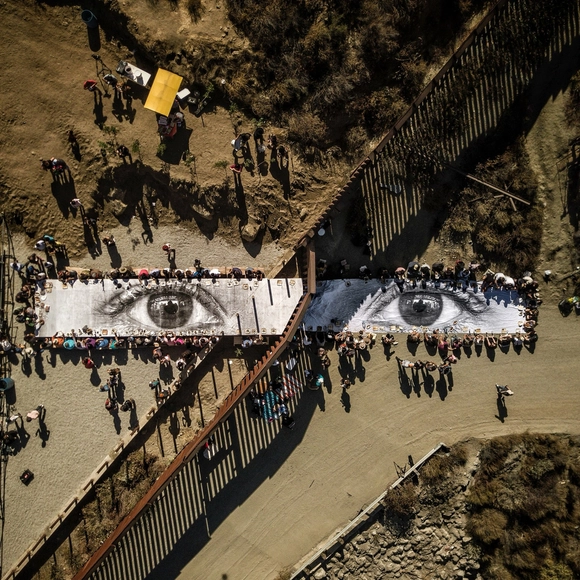
The world's population is expected to reach 9.7 billion in 2050, an increase of 2 billion persons in the next 30 years.
As the world's population continues to increase, new challenges are expected to arise in addition to the aggravating issues already faced today. How will we live together? The theme of the Venice Biennale of Architecture, postponed to 2021, intends to instigate discussions and proposals concerning the role of architecture in times of increasing political differences, intolerance, and growing economic inequality.

We have compiled a list of our best articles, projects, and products on natural and artificial lighting in architecture.
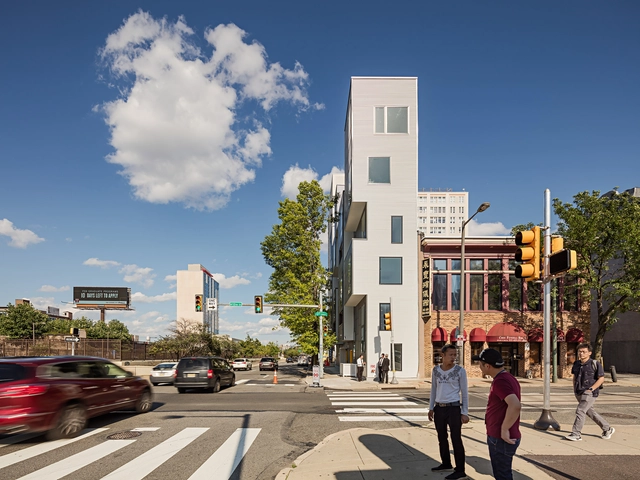
In all cities around the world, there are some forms of residual space, forgotten pieces of the urban fabric, remnants of overlapping layers of past development. This land whose conditions make it unsuitable for most types of conventional construction might be a fertile ground for architectural invention. Assigning a new value to vacant corner lots, dead-end alleys and strangely shaped plots opens up a new field of opportunities for inward urban development, expanding available living space and increasing amenities in densely populated cities. The following explores the potential for experiment and urban activation held by urban leftover space.
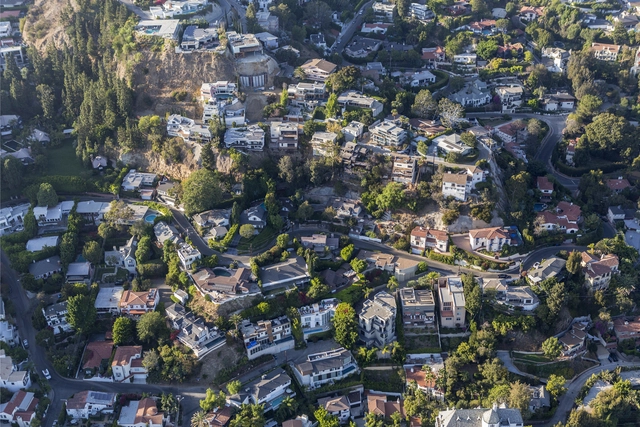
This article was originally published on Common Edge.
The most arresting image, among many, in the documentary Laurel Canyon: A Place in Time, directed by Alison Ellwood, is a black-and-white photograph of Eric Clapton visiting Los Angeles for the first time on tour with Cream. He sits a few feet from Joni Mitchell, who is playing guitar, with a visibly stoned David Crosby in the background on the backyard lawn of Cass Elliot’s house. Clapton observes Mitchell with such a smoldering intensity you think he’s going to blow an amp. He is transfixed by Mitchell not because she was striking—and she was—but because of her musicianship.

.jpg?1599092292&format=webp&width=640&height=580)
The state of Guanajuato is located in the north-central region of Mexico, bordering the states of Zacatecas, San Luis Potosí, Querétaro, Michoacán, and Jalisco. Covering an area of 30,607 km², it is one of the country's most populous regions. Its most prominent municipalities include León, Irapuato, Celaya, Salamanca, and San Miguel de Allende. The latter, designated a UNESCO World Heritage Site in 2008, is characterized by its Baroque and Spanish architecture. Additionally, this city is home to the Parroquia de San Miguel Arcángel, built from the region's characteristic pink cantera stone.
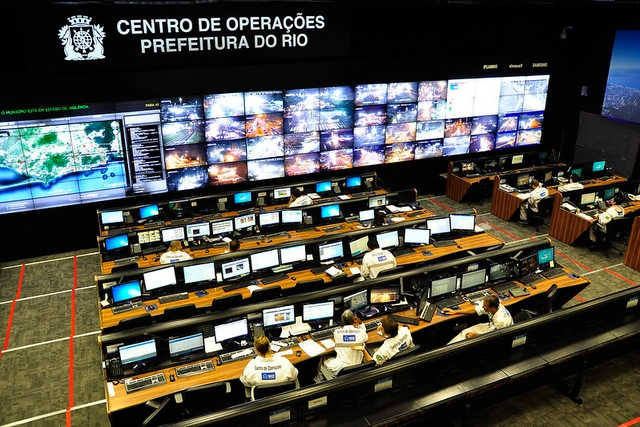
The growing presence of Information and Communication Technologies, known as ICTs, in daily life is driving profound transformations in society, shaped by new forms of interaction based on the intensive production and use of information. In a society where information is an essential raw material, the term big data has taken center stage across corporate, governmental, and academic spheres. Big data inherently refers to the vast, varied, and fast-moving volumes of data constantly being generated.
This "Data Revolution" is certainly palpable in Brazilian cities. But how can it help us move toward a better understanding and planning of our urban areas? The opportunities opened up by big data for exploring innovative questions about urban phenomena and dynamics—especially those involving real-time analysis—are undeniable.

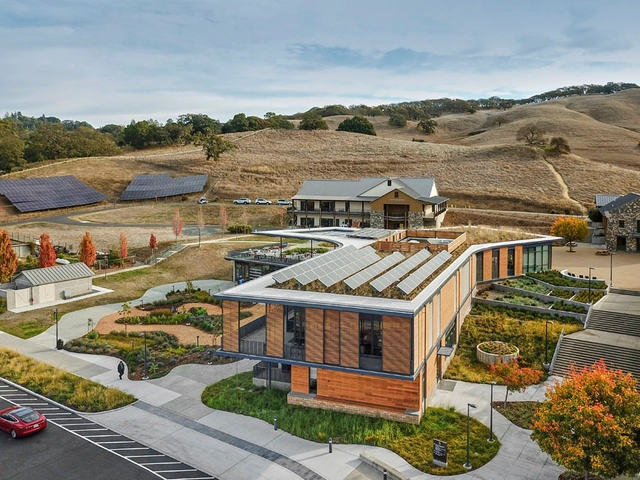
In the wake of the pandemic, designers and architects are rethinking and inventing innovative solutions for nearly every sector of design from hospitality, restaurants, workplace experience, and landscape architecture. According to the World Health Organization, 19 percent of factors that affect our health and well-being are directly related to the built environment, making architects and designers key to protecting public health.

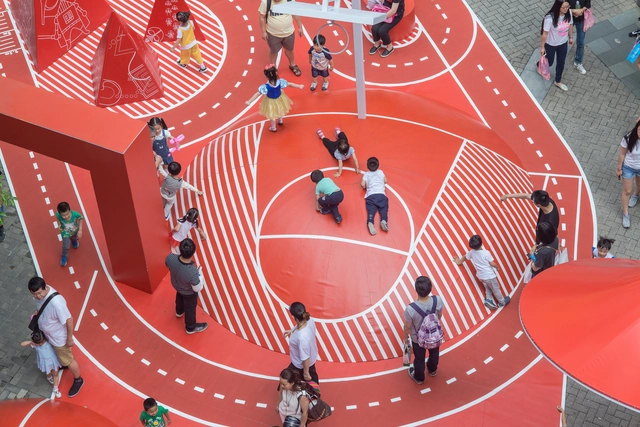
Since the 1990s, copious amounts of cities in China have been undergoing urban renewal. Prompted by this state-facilitated urban redevelopment, skyscrapers are being built rapidly in major cities to attract affluent middle-classes, resulting in countless relocation and displacement of the working-class population. Such process is known as “gentrification”.
As cities and neighborhoods are being gentrified thoroughly to meet middle-class taste and boost economic growth, urban land resources are being treated in ways to increase business potential, leaving little room for the development of urban street life. Among rows of concrete and steel constructions, nowadays, urbanites are struggling to find a place to sit, rest, and play during leisure time. Analyzing five architectural practices creating livable urban public spaces, this article discusses the challenges and opportunities of urban revitalization in China under the phenomenon of gentrification.
OBJECT CARPET’s recent collaboration with multidisciplinary architecture and design studio Ippolito Fleitz Group has led to expansive, unconventional and, more importantly, sustainable results.
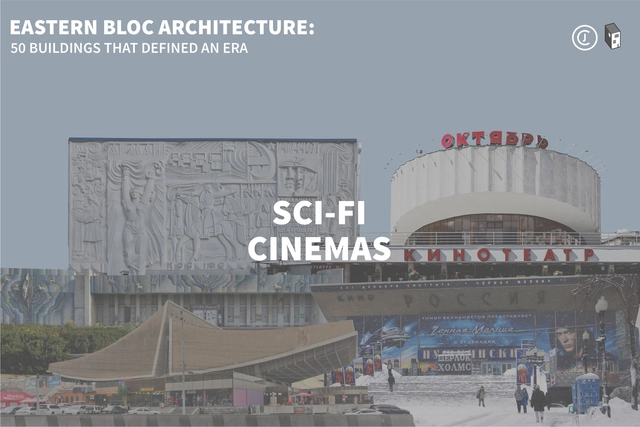
This article is part of "Eastern Bloc Architecture: 50 Buildings that Defined an Era", a collaborative series by The Calvert Journal and ArchDaily highlighting iconic architecture that had shaped the Eastern world. Every week both publications will be releasing a listing rounding up five Eastern Bloc projects of certain typology. Read on for your weekly dose: Cinemas.
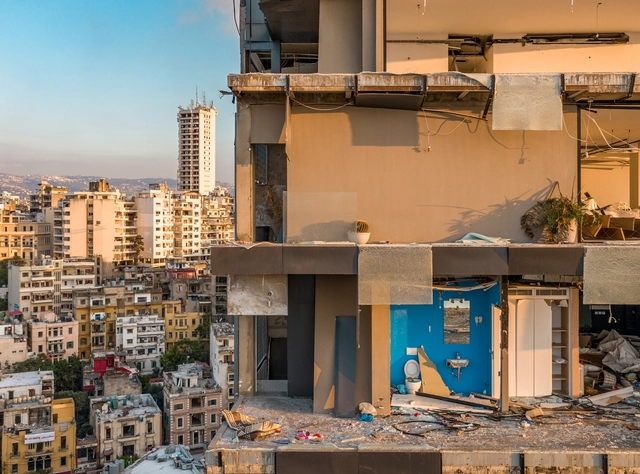
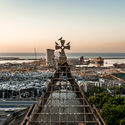
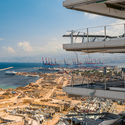
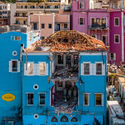
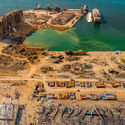
It only took a couple of seconds to destroy 40% of the city of Beirut on August 4th, 2020. A couple of trivial seconds were enough to determine the fate of the urban and social fabric of the Lebanese capital and its architectural heritage. Years and years of accumulated cultural assets fell instantly in distress, causing more harm than the infamous 15-year civil war. These seconds have erased the past, present, and destroyed future aspirations.
Hit right in its rich cultural center, the blast of the port shook the northeastern side of the Lebanese capital, leaving the neighborhoods of Mdawar, Rmeil, Gemmayze, Achrafieh, Mar Mkhayel, Karantina, and Geitawi, severely hurt. According to the UN Development Programme (UNDP), 200,000 housing units were affected by the explosions, with an estimated 40,000 buildings damaged, of which 3,000 were severely damaged.

The Bachelor in Architectural Studies thesis projects at the IE School of Architecture and Design are exciting displays following students' years of study, exploration and hard work. This year, the students produced creative, surprising and theoretically-sound solutions to architectural problems - primarily based in the Spanish city of Valencia.
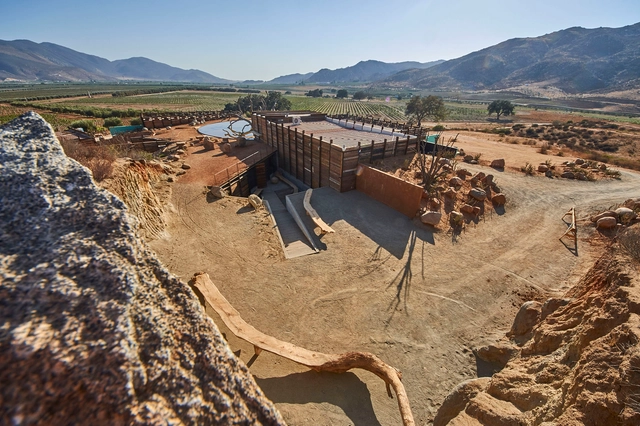
Given its diverse climate and geography, Mexico's wine production has steadily gained recognition in states such as Aguascalientes, Baja California, Baja California Sur, Chihuahua, Coahuila, Durango, Guanajuato, Nuevo León, Puebla, Querétaro, Sonora, and Zacatecas. In these regions, vineyards are increasingly in the spotlight, alongside wine festivals and curated experiences that offer visitors an immersive look into the various stages of production.
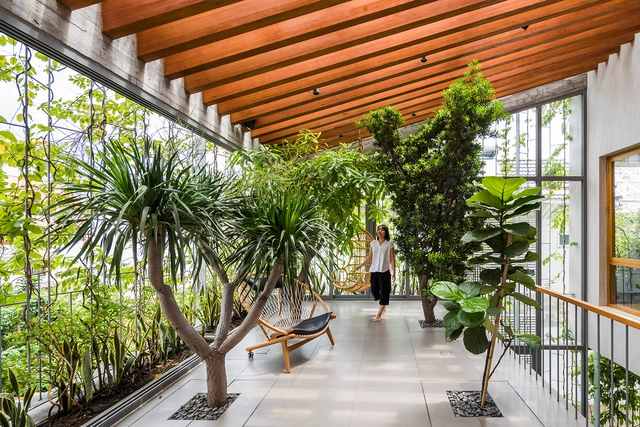
Interior design begins with human experience. Considering the physical, mental, and emotional needs of people, interior designers use human-centered approaches to address how we live today. Creating novel approaches to promoting health, safety, and welfare, contemporary interiors are increasingly inspired by biophilia as a holistic approach to design.
Sky-Frame – Swiss specialists in frameless sliding window and door systems – continue their ‘My Point of View’ series of video portraits with architect and designer Stephan Hürlemann, who shares his perspective on design and its role in a sustainable future.
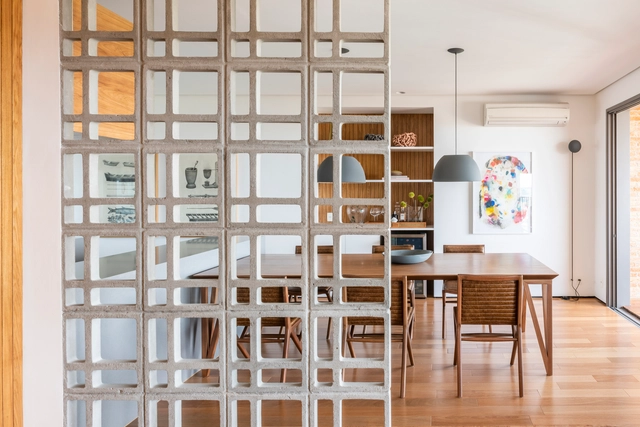
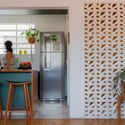
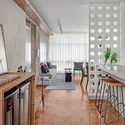
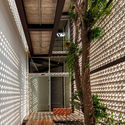
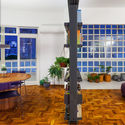
Hollow elements such as cobogós and mashrabiyas are commonly used to protect a building's interior spaces from direct solar radiation without blocking ventilation—a particularly favorable feature in predominantly tropical climates like Brazil. While their use in interiors is less common, in these cases, hollow elements offer flexibility in dividing indoor spaces without completely isolating them.

For the 2019 Shenzhen Biennale of Urbanism\Architecture (UABB), titled "Urban Interactions," (21 December 2019-8 March 2020) ArchDaily has been working with the curators of the "Eyes of the City" section to stimulate a discussion on how new technologies might impact architecture and urban life. The contribution below is part of a series of scientific essays selected through the “Eyes of the City” call for papers, launched in preparation of the exhibitions: international scholars were asked to send their reflection in reaction to the statement by the curators Carlo Ratti Associati, Politecnico di Torino and SCUT, which you can read here.
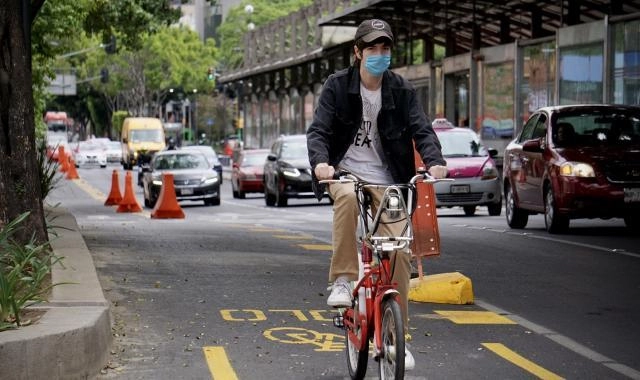
Cities have been implementing temporary bike lanes to enable safe commuting during the COVID-19 pandemic and prevent public transit users from switching to cars and motorcycles. Gradually, this practice is gaining ground across Latin America, including Brazil. This represents a golden opportunity to boost bicycle urban mobility—but to succeed, emergency interventions must incorporate road safety best practices.
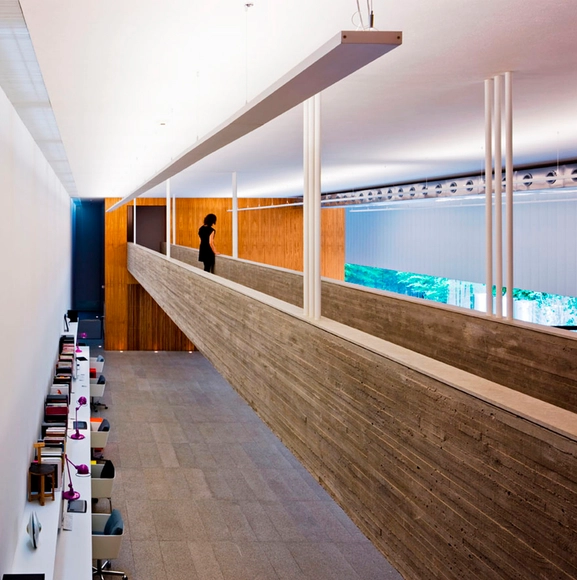
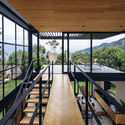
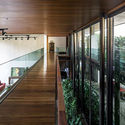
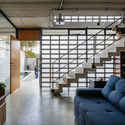
Bridges and walkways are horizontal circulation elements that establish physical connections between the interior or exterior spaces of a project, articulating their layout and, in some cases, bridging existing level changes. These suspended structures enhance visual connections between different levels and, through more dynamic pathways, enable the creation of intentional framing sequences.
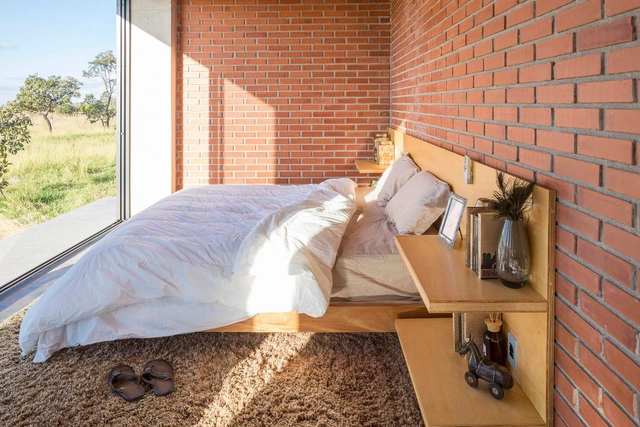
Keeping the materials in their natural and raw form in the projects seems to be more and more popular in contemporary architecture. The modern style legacy of keeping the construction elements visible not only establishes a frank relationship between the user and the built environment but also allows for a more diverse material palette and can be a very important tool when designing interiors. Brick is perhaps the most popular material in this context. Nowadays, people use the term exposed brick "finishing", which gives the concept of exposed materials a whole new meaning, namely ornamental, sometimes even replicated as wallpaper or merely decorative tiles.





.jpg?1599092292)



.jpg?1598540198 "Villa Deca / Studio Guilherme Torres. Image © Denilson Machado – MCA Estúdio")