This guide covers a workflow that moves from project parameters to generated floor plans, 3D perspective views, exterior design exploration, and site context visualization, using AI tools in place of preliminary CAD and rendering work.
This guide covers a workflow that moves from project parameters to generated floor plans, 3D perspective views, exterior design exploration, and site context visualization, using AI tools in place of preliminary CAD and rendering work.
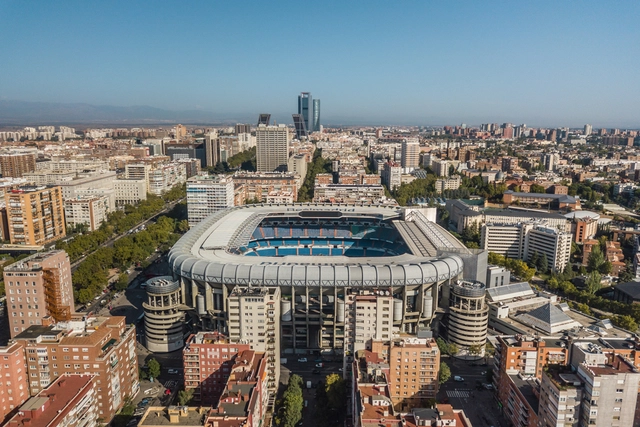
The 2022 FIFA World Cup was unique as the first FIFA tournament held in the Middle East. In another first, the FIFA World Cup, historically held between June and July, was moved to November and December, in view of Qatar’s 40˚C+ climate during the summer months. Even during the cooler months, Qatar’s average temperature reaches 26˚C. Combining this with the heat emitted by tightly packed spectators would at times have made the experience uncomfortable. As a result, Qatar air-conditioned eight of the nine open-air football stadiums – a significant challenge which was overcome through innovative design, technology and architecture and by utilizing spot cooling; and a complex undertaking when it is also important to maintain sustainability credentials.
To effectively cool the stadiums, the most crucial challenge was to prevent or at least reduce the hot air from outside coming into the stadium, which was achieved through the stadiums’ design and architecture.
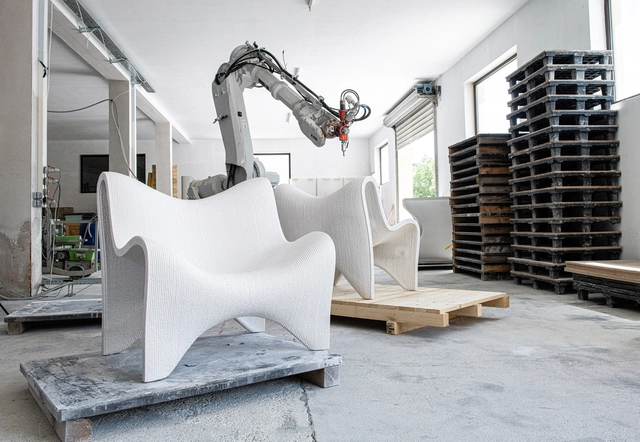
Can you imagine being able to prototype a piece of furniture at the touch of a button and testing it in just a few hours? This might become a common practice sooner than we may think. Fueled by material innovation, automation and cutting-edge technology, a new era in home decor is emerging; one where 3D printing opens up a world of creative possibilities that transcend the bounds of traditional design. Yes, furniture is still mass-produced using conventional methods –molding, cutting, bending–, but 3D printing continues to disrupt the industry. As the revolutionary technology evolves and becomes more accessible, it has unleashed an unparalleled level of creative expression and efficiency. The concept is simple: a digital design is created using 3D modeling software and then printed, layer by layer, in the form of a physical object, bringing complex geometries to life. It’s a whole new kind of digital craftsmanship.
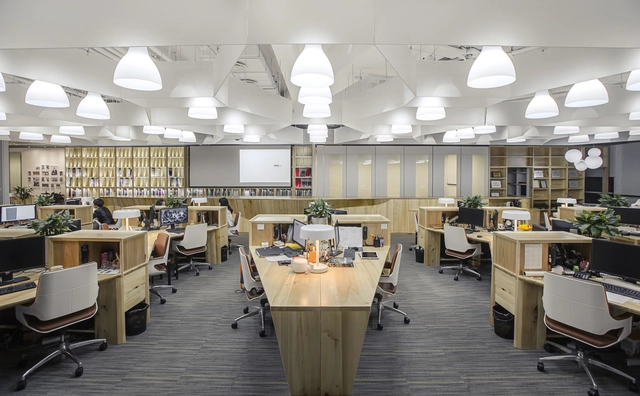
DDB Architects (Shanghai) was founded in 1998 by Professor Xiang Bingren. Since its inception, influenced by a strong academic background, the firm has adhered to the core philosophy of "culture-led design, creative value enhancement." This approach manifests as a multifaceted contemplation of culture across diverse design typologies, driving continuous creative momentum. Positioning itself as a highly specialized, professional, and lean, top-tier architectural design team, the firm is committed to pursuing both academic and artistic excellence in architecture. Over more than 20 years of deep industry engagement, the firm has maintained an urban perspective. It has accumulated extensive project experience, professional expertise, and a robust client base across seven key sectors: supertall complexes, offices and corporate headquarters, urban renewal, commercial spaces, cultural landmarks, bespoke hospitality spaces, and customized residential spaces. Through high-caliber design creativity, professional quality, and attentive, personalized service, DDB has established an outstanding market reputation.
The firm features a mature innovation and research system, a lean design methodology, and an integrated design workflow.
Innovation and Research System: Centered on talent development and brand building, the firm has conducted a series of distinctive explorations and practices across platforms such as R&D, team knowledge management, and media communication. By integrating R&D platforms with design practice, design and management are closely linked to drive iterative upgrades.
Lean Design System: Utilizing its proprietary, meticulous curtain wall control methodology, the firm manages façade design with scientific rigor, allowing for highly targeted cost optimization.
Integrated Design: With an integrated design matrix, the firm possesses design capabilities across architecture, landscape, and interior design, alongside the perspective and capacity to address related technical challenges. Additionally, by collaborating with a network of leading domestic technical partners and consultants, DDB has formed a multidisciplinary design matrix to deliver highly professional solutions tailored to clients' specific needs.
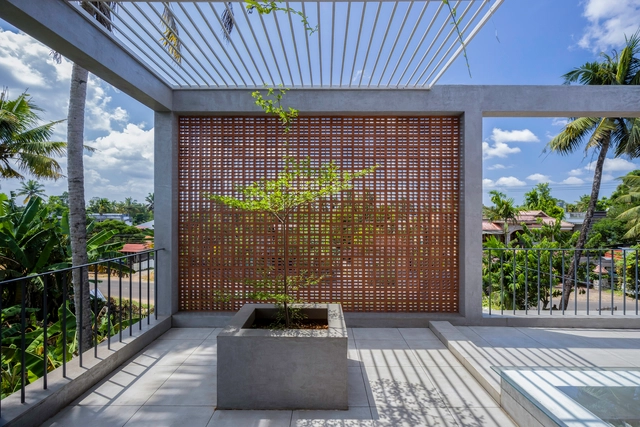
The backyards, outdoor areas usually located at the back of the lot, are spaces dedicated to rest, entertainment and family interaction. Its setting is essential to guarantee the warmth and comfort we seek in our homes. At the same time, as they are areas exposed to rain, sun and, sometimes, snow, they also need to have resistant, durable and easy-to-maintain materials.
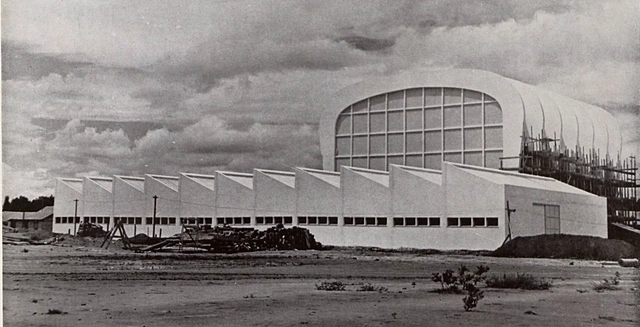
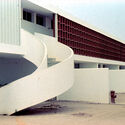
Although little known, the Aeronautics Technical Center (CTA, current Department of Aerospace Science and Technology - DCTA) in São José dos Campos can be considered one of the largest and most relevant works by architect Oscar Niemeyer before Brasilia. It is his first project executed in São Paulo.
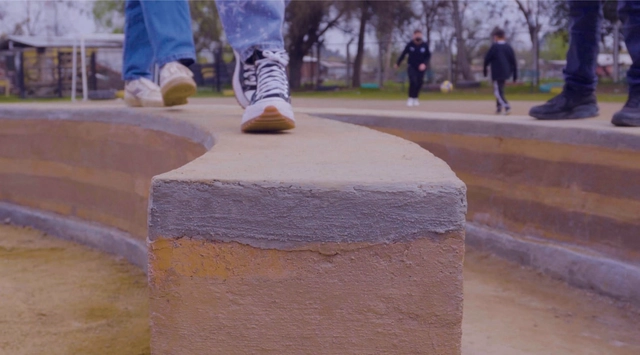
On Monday, February 6, the results of the National Reflection and Research Competition: Written Architecture 2022, organized in Chile by Grupo Arquitectura Caliente, were announced.

Dozens of countries around the world have already banned the use of asbestos in the civil construction sector. Cheap to extract and abundant in nature, it is a natural fiber used to manufacture water tanks, insulation, partitions, tiles and decorative elements. Its properties include great flexibility and high chemical, thermal and electrical resistance, making it a seemingly ideal material. However, there is scientific evidence that links exposure to asbestos to several types of cancer, as well as to asbestosis - when the fibers of the mineral lodge in the pulmonary alveoli, compromising the respiratory capacity. The asbestos case shows how certain construction materials can –suddenly or not– become a distant memory because of their negative impacts. In addition to the effects on health, the use of materials with high energy consumption or made of rare raw materials is currently under pressure, as experts call to reduce their use or to make their manufacturing methods "greener". The penalty? Disappearing in the near future, becoming yet another in the list of banned building materials. In this article, we delve into some of these materials and what their risks are.
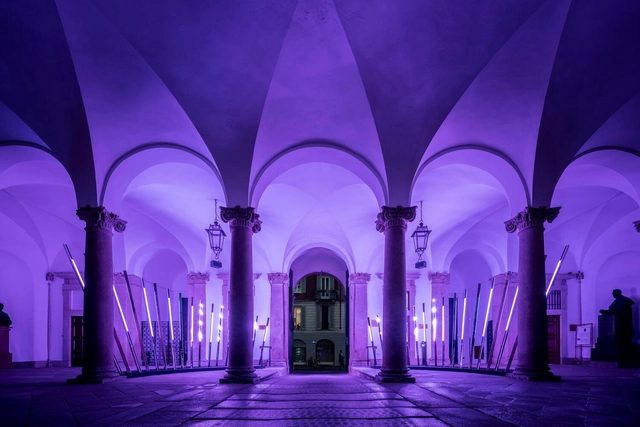
The emotional and spiritual atmosphere one feels when entering centuries-old architecture is palpable. So while the degradation, and sometimes even intentional destruction, of ancient structures and environments, is regretful and possibly shameful, it’s often an all-too-unavoidable part of healthy urban planning, adhering to important health and safety laws and regulations.
Whenever these historic yet antiquated environments are refreshed and adapted for modern life, however, they’re often labeled as grotesque Frankensteinian versions of their once beautiful selves. When the transformation is treated with care and respect, however, the humble grandeur and contemplative scale of the settings can remain intact.

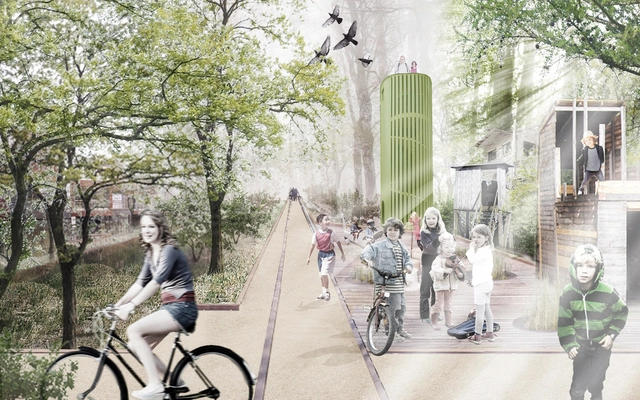
Suburbs have experienced a sort of renaissance over the last decade. During the COVID-19 pandemic, people fled urban cores in favor of open space and decentralized amenities. For some people, the word “suburb” or “suburbia” flashes images of manicured lawns and rows of identical homes, but what makes a successful suburb may have more in common with cities than you might think.
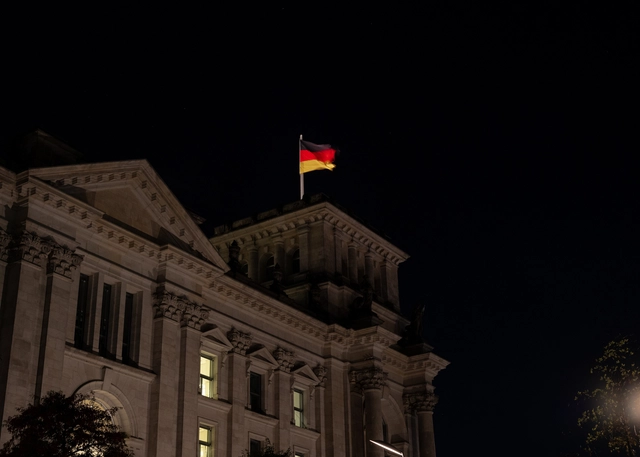
When capital cities like Paris and Berlin resolved to switch off lighting for public buildings and landmarks in July 2022 in order to save energy in the context of the Russian invasion of Ukraine, the cities created a ripple effect throughout central Europe. Images of dark iconic landmarks swept through the media and allowed politicians a momentary act of environmental demonstration. However, designers have started to question the sustainability of this ad hoc step. Seen from a broader perspective the impression arises that this alleged radical action has been part of a rather media-savvy campaign with small effect in cities at night. Further steps are necessary to reassess urban lighting that may have a major impact on energy saving and sustainability.
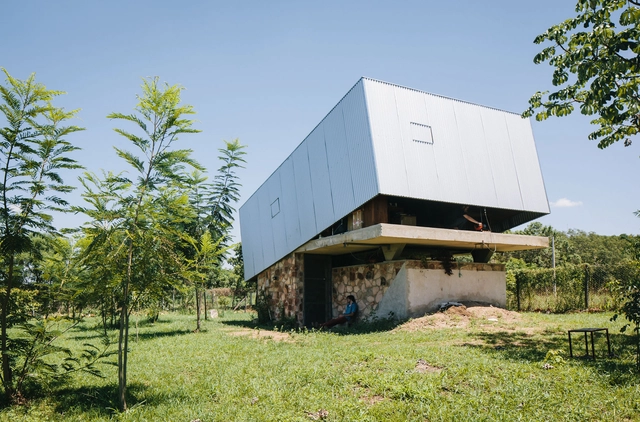
Through shapes, colors, and the elements on their facades, many architects have sought to bring a sense of movement to works that are otherwise physically static. Santiago Calatrava, Jean Nouvel, and Frank Gehry are only a few of the masters who managed to provide a dynamic effect to motionless structures, highlighting the work in context using formal strategies borrowed from the plastic arts. In other cases, however, architects have also opted for physically kinetic structures that could bring a unique aesthetic or functional dimension to the work.
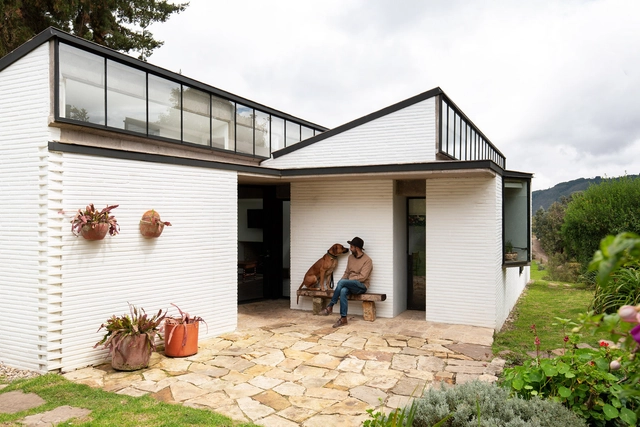
For much of the world, this past year was spent within the confines of our homes, undoubtedly blurring the lines between our public, professional, and private lives and transforming our living spaces into places of work and productivity. This transformation of spaces and how they are used is nothing new in the world of architecture as countless spaces take on various roles beyond what they were originally designed for--a fact reflected in their layout, design, and the materials used within them.
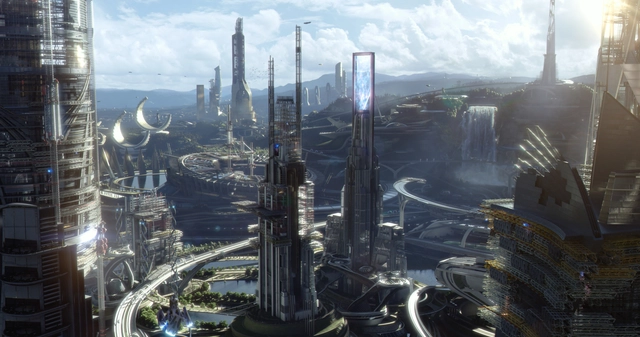
Through set design, cinema reveals a vast array of cities, becoming a compelling medium for discussing their transformations. This art form allows directors to push the boundaries of their imaginative universes through constructed sets, visual and special effects, and the overall composition of the frame. In many films, directors present futuristic cities inhabited by their characters, environments that often appear entirely unprecedented to us. It is through the spectator's effort to understand and appropriate these scenographic spaces that the city truly reveals itself on screen.
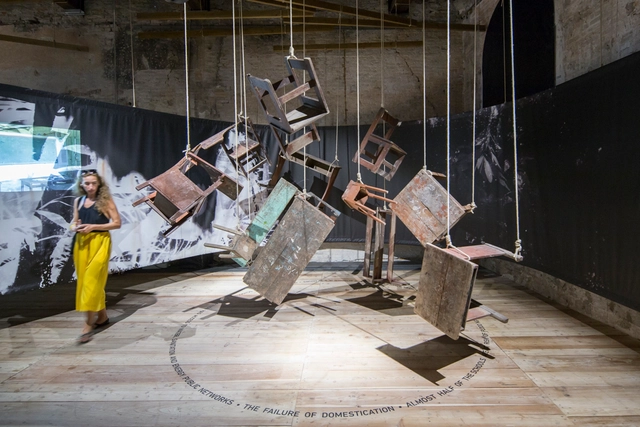
Since 2016, the Patronato Cultural del Perú has been responsible for producing and organizing the Peruvian Pavilion at the Venice Architecture Biennale, promoting and representing the works and projects that reflect the country's architectural landscape.

A defining feature of the architecture of the Swahili Coast—apart from its coral stone buildings and mangrove poles used to elaborate those structures—is undoubtedly the ornamented door so commonly found across this coastal area. Richly decorated, and historically often layered with meaning, these doors, apart from serving the more utilitarian function of an entrance, were also signifiers of status and wealth. From this Swahili Coast to the Arabian Peninsula, these doors of the coast are very much markers of their location, representative of trade and migration.
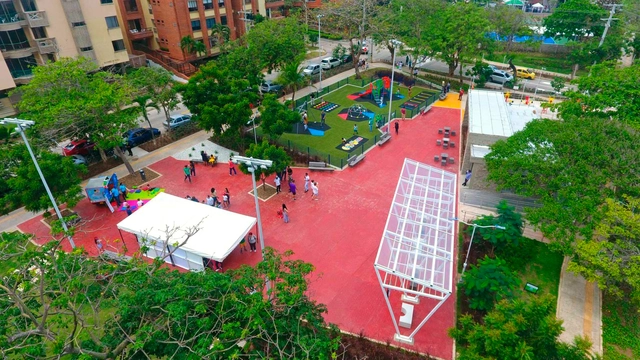
Samira Perez, a longtime resident of Barranquilla, Colombia, used to spend time and money on taxis to take her children to local shopping malls after school and on weekends. There, they would pass the time window-shopping at high-end stores, watching shows, and eating at restaurants.
The central role of the shopping mall in the lives of the Perez family is common in rapidly urbanizing Latin American cities, where, in the absence of accessible outdoor alternatives, malls often provide safe, clean social spaces. In Barranquilla, where malls are ubiquitous, a 2009 perception survey showed that 90% of residents were dissatisfied with the city's green and public spaces.
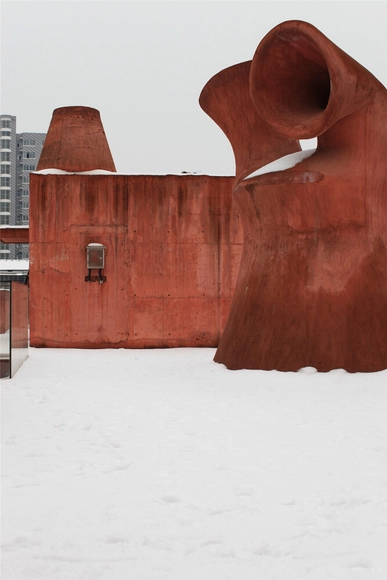
Women's studies officially began in China in the early 1980s. Women awoke and started to take bigger roles in society as it grew. Women had been working as architects for a century, but Lin Huiyin was not recognized as the country's first female architect until the 1920s due to the profession's tardy development in China. But nowadays, more and more female architects are filling crucial positions.
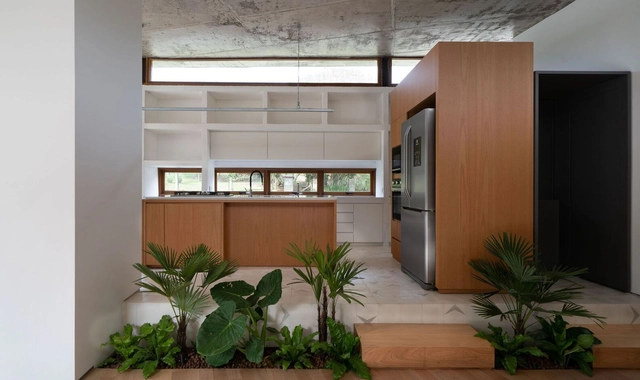
An indispensable item, windows are fundamental to bringing more comfort to a room. Besides the desired connection between the interior and exterior, it is through their openings that it is possible to provide natural lighting and ventilation to the rooms.
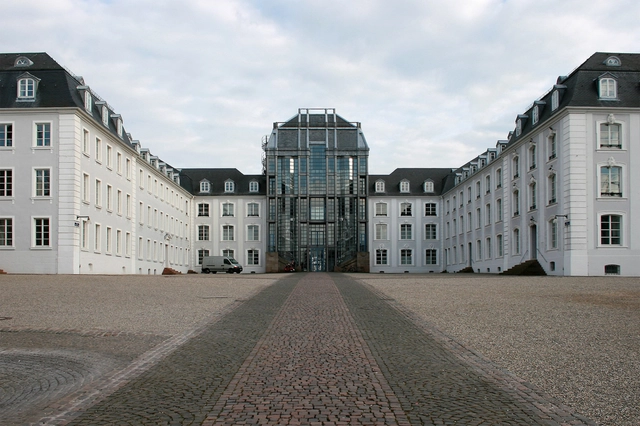
The counter-monument 2146 Stones – Monument Against Racism / The Invisible Monument is an intervention carried out in 1993 on the square in Saarbrücken by Jochen Gerz and students from his class at the Hochschule der Künste Saar, in Saarbrücken, Germany. Executed in accordance with Gerz's constant practice of vigilance [1], the work is the result of a period of unrest in German artistic production that questioned the representational art of a post-war generation, as well as the search of those who lived through the events of World War II and the rise and fall of the Berlin Wall, amidst a national effort to evade the memories of the Holocaust.
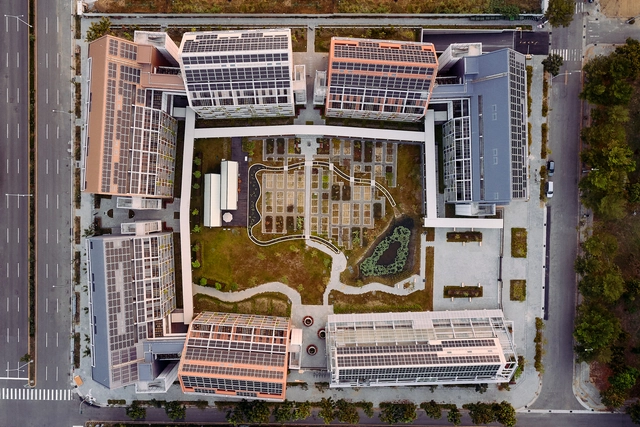
The concept of the circular economy is increasingly prominent in discussions on architecture and urbanism—especially as cities are home to around 55% of the world's population and continue to grow. The goal of circularity is to reduce the environmental impact of current production and consumption models through the efficient use of material resources and waste reduction. But how can this idea actually be implemented in cities?
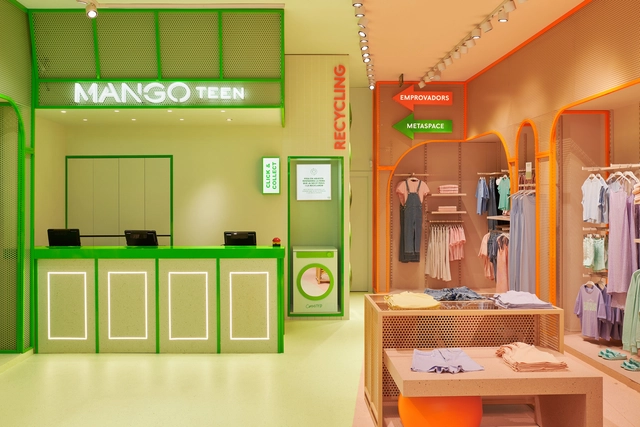
When one steps into a Starbucks, they almost instantly know they are in the famed coffeehouse, and not at a McDonald's. Apart from the uniformed staff and a giant sign at the door, there are countless other factors that make a Starbucks look like a Starbucks. Textures, materials, shapes, colors, layouts, furniture, and lighting all contribute to the experience of being in a branded environment. These elements are replicated globally to create an identifiable image. As economic patterns change, brands are looking at extending their identities into spatial experiences in order to better engage with their customers in their daily lives.

The most recent season of ByDesign –a television series that explores design, featuring the designers who bring ideas to life– returns with its sights set on the architecture of the United States. America ByDesign: Architecture will feature six of the US’s most significant architectural accomplishments, competing toward a finale to determine the ultimate winning design. Past ByDesign seasons have focused on New York, California, and Australia—and now, the series will zoom in on the Windy City and the School of the Art Institute of Chicago (SAIC).
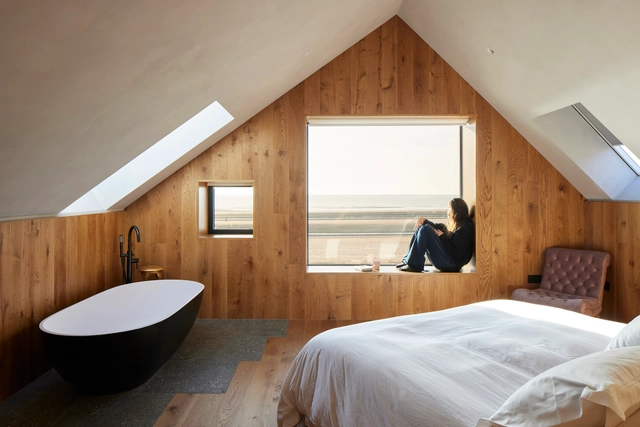
When children first learn to draw a house, there are four basic components they illustrate: a wall, a pitched roof, a door and one or more windows. Along with the common structural elements, windows have always been considered to be indispensable architectural features for their multiple functions. While providing views, daylight and natural ventilation, these insulate from cold and heat, protect from external threats and enhance a facade’s appearance. They are also associated with a strong poetic or symbolic value; it is through them that we are able to connect with and enjoy our surroundings, be it a beautiful natural landscape or a dense urban environment. An expressive part of any building, windows serve as a visual bridge between the inside and outside, acting somewhat as a refreshing escape from our everyday routine.

Most architects are looking to win more work; not just higher-paying projects but those that allow them to unleash their creativity and passion. These opportunities can be won or lost on a professional's ability to communicate their design vision — so the proposal has to be on point. These tips from leaders in the design field can help architects win bids and create their dream projects.