1. ArchDaily
  2. Articles

Articles

Iphan Dictionary of Cultural Heritage: What Is a "Quilombo"

Subscriber Access | 

By introducing terms associated with quilombos in two of its articles, the 1988 Federal Constitution paved the way for social peasant movements, mobilized and organized around ethnic identity, to appropriate this category. This was an unforeseen outcome for legislators, who had approached the quilombo category from a past-oriented perspective, relying on an archaeological and exoticizing view of cultural heritage associated with non-Luso-Brazilian cultural roots.
20 Workspaces Under 150 m²

Subscriber Access | 

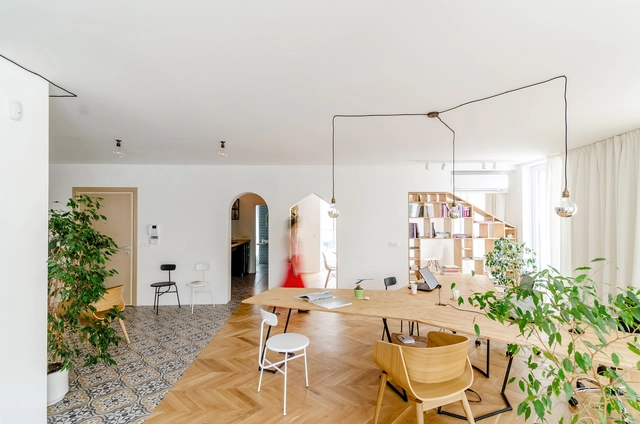
It is essential that offices, workshops, and studios are attractive not only to clients but also to employees, who spend an average of one-third of their day in these environments. A poorly designed workspace can make the workday exhausting and discouraging. To prevent this, architectural design decisions can energize the space and promote team integration, even when the footprint is limited.

How ArchDaily Mexico Celebrated Its 7th Anniversary at Proyecto Público Prim

Subscriber Access | 

How ArchDaily Mexico Celebrated Its 7th Anniversary at Proyecto Público Prim - Image 1 of 4How ArchDaily Mexico Celebrated Its 7th Anniversary at Proyecto Público Prim - Image 2 of 4How ArchDaily Mexico Celebrated Its 7th Anniversary at Proyecto Público Prim - Image 3 of 4How ArchDaily Mexico Celebrated Its 7th Anniversary at Proyecto Público Prim - Image 4 of 4How ArchDaily Mexico Celebrated Its 7th Anniversary at Proyecto Público Prim - More Images+ 23

On Thursday, September 5, ArchDaily México celebrated its seventh anniversary. This year, Proyecto Público Prim was chosen as the venue—an early 20th-century building of great architectural value featuring interventions by architect Alberto Kalach and the firm PRODUCTORA. The venue served as the backdrop for some of the most influential figures on the contemporary scene to connect with the ArchDaily México team.

"By Design" Season 3 Explores How Architects and AEC Professionals Push the Boundaries of Creativity

Four episodes of the third season of “By Design”, GRAPHISOFT’s multi-award-winning digital content series have led viewers on a path of discovery. By Design: Metamorphosis, takes an unflinching look at the fear many firms have when it comes to technological change, and what it takes to overcome it to unlock their true potential, elevate their role and better ensure their future.

Why Do We Travel?

Everyone wants to travel the world, whether it's to meet new people, taste new food, or visit new places. Travel is consequently an extremely lucrative industry, but tourist destinations are getting more crowded than ever and associated pollution emissions are only worsening the climate emergency.

Why do we travel? In this edition of Editor's Talk, four editors from ArchDaily based in Lebanon, the United States, and Chile share their thoughts on the meaning of travel, and why tourists enjoying a beach in a location like Brazil should also care about the cities they visit.

20 TED Talks on how Architecture can Change the World

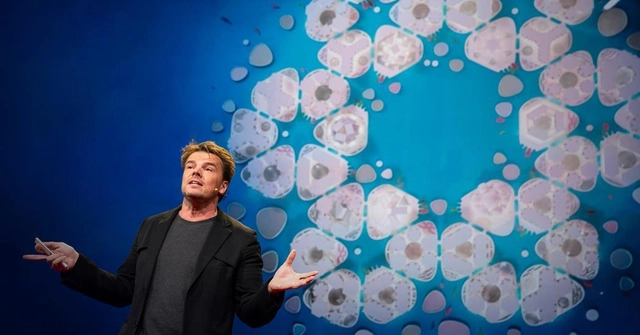
Since its founding in 1984 by architect Richard Saul Wurman, TED has been a powerful force in the fields of technology, entertainment, design, and beyond. Architects are among the millions of people around the world who frequently tune into TED's “ideas worth spreading” including talks by architects such as Bjarke Ingels and Jeanne Gang. With over 2500 talks to choose from, we have followed on from our previous lists to provide you with 20 talks to help you work better as an architect.

Why are our cities so ugly?

Subscriber Access | 

Urban Brazil is deeply ugly. Why did this happen? Some blame "the absence of urban planning and zoning, manipulated height limits, and the nefarious power of contractors and builders influencing the drafting of master plans."

The Cities with the Hightest Cost of Living in 2019

Subscriber Access | 

In the 25th addition of Mercer's ranking for the cost of living for cities, Hong Kong again took the first place spot, continuing the trend of Asian cities as being the most expensive places to live for foreign workers.

The factors determining the cost of living in this edition are food, housing, living and personal care expenses, alcohol and tobacco, clothing, housing maintenance, public services, transportation, recreation, and entertainment. 

Check out the ranking of the top 10 most expensive cities in the world for cost of living and the top 5 most expensive by region: North America, South America, Asia, Pacific, Eastern Europe, Western Europe, the Middle East, and Africa.

Members of LafargeHolcim Awards Juries 2020 Confirmed

 | Sponsored Content

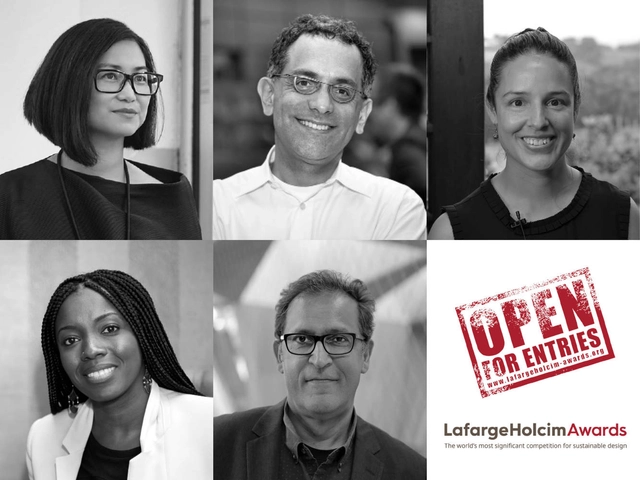
The independent juries will evaluate entries in the 6th International LafargeHolcim Awards for Sustainable Construction in five regions of the world. Each jury consists of nine experts in sustainable design and construction. The Awards seek real projects as well as bold ideas that combine sustainable construction solutions with architectural excellence. The competition offers a total of USD 2 million in prize money and is open for entries until February 25, 2020.

Paulista Houses: The Space of Dreams

Subscriber Access | 

Contemporary architectural production in São Paulo is as diverse as one would expect from one of the most populous cities in the world. While architecture also encompasses the outcomes of urban disorder and population growth — buildings born out of the necessity of people who, with scarce resources, build their own homes — architectural discourse often focuses on production whose genesis lies in deliberate design.

Fire Doors: How to Incorporate Them Into an Architecture Project

Subscriber Access | 

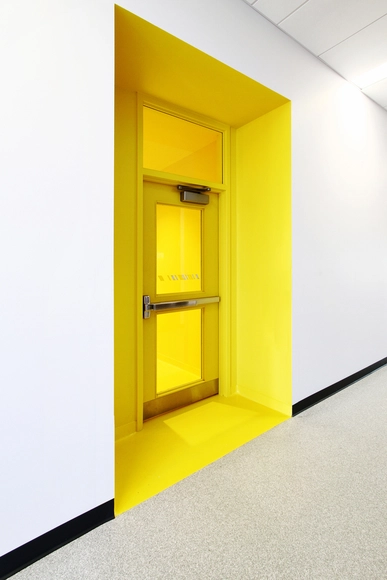
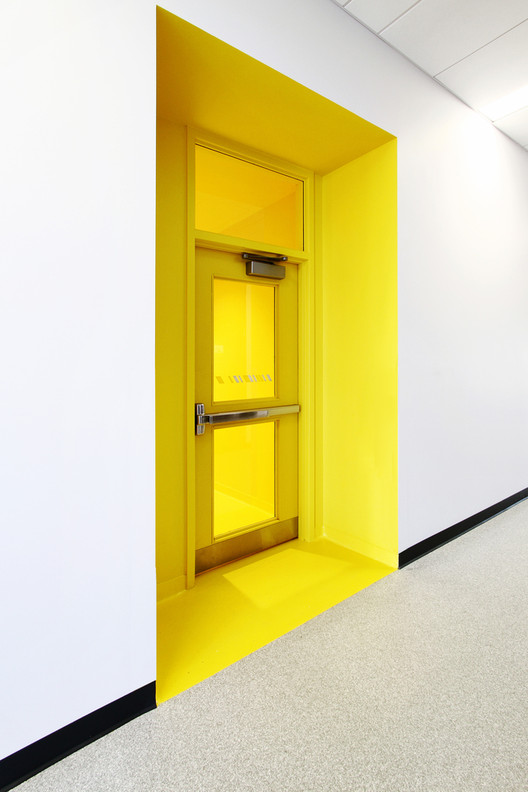
Fire doors are doors that meet fire resistance standards and can prevent fire (or smoke) from spreading through the floors or living spaces of a building, allowing people to evacuate safely from a fire.

Fire Doors: How to Incorporate Them Into an Architecture Project - Image 1 of 4Fire Doors: How to Incorporate Them Into an Architecture Project - Image 2 of 4Fire Doors: How to Incorporate Them Into an Architecture Project - Image 3 of 4Fire Doors: How to Incorporate Them Into an Architecture Project - Image 4 of 4Fire Doors: How to Incorporate Them Into an Architecture Project - More Images+ 6

Curators of the 12th São Paulo Biennale discuss the theme "Everyday"

Subscriber Access | 
Curators of the 12th São Paulo Biennale discuss the theme "Everyday" - Featured Image
Bruther, device, photomontage based on photographs by Nelson Kon

Reflecting on the everyday. This is the premise of the 12th São Paulo International Architecture Biennial, which opens this September in the capital. Under the theme “Everyday” (“Todo dia”), the biennial aims to address the “most trivial dimension of reality,” shedding light on the production of ordinary, common space—which is, for this very reason, fundamental to the quality of the environment we inhabit daily. Curators Vanessa Grossman and Ciro Miguel join us for a conversation about this key event, which plays a crucial role in bridging academic research, architectural practice, and society at large.

Designing the Transformation Process: The Sant Antoni Superblock in Barcelona by Leku Studio

Subscriber Access | 

ArchDaily is working with CityMakers to publish a series of articles, conversations, and interviews with the key figures in urban co-production behind the Barcelona CityMakers Lab 2019, an event taking place from October 14 to 20, 2019.

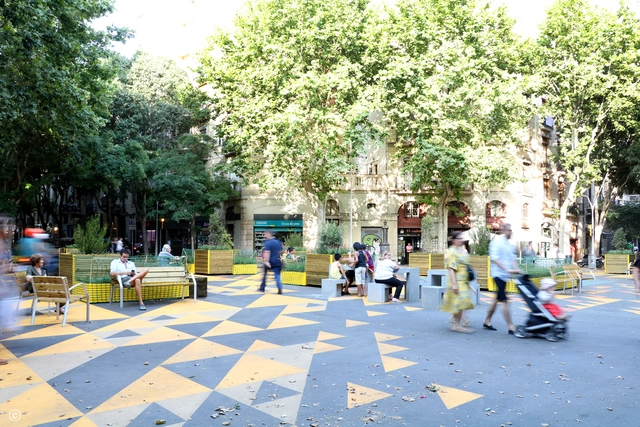
On this occasion, we feature Jokin Santiago Elorriaga, director of Leku Studio, who will lead a masterclass at the Barcelona CityMakers Lab 2019. Jokin is the founding architect of Leku Studio and was responsible for the design and transformation of the Sant Antoni Superblock.

How Will Home Automation Affect our Future?

Once restricted to luxury or super-tech buildings, home automation is proving to be an increasingly fundamental and affordable addition to architectural projects, whether to new buildings or renovations. While understanding how they operate can be extremely complex, the primary purpose of technology is to make life simpler, safer, and easier. By definition, home automation seeks to be globally intelligent, functioning as a system that facilitates processes without unnecessarily complicating the user's life. The idea is to connect devices, which in turn connect and talk through a centralized control unit, accessible by computers, tablets, and mobile phones. These include lights, appliances, electrical outlets, and heating and cooling systems, but also alarms, doors, windows, smoke detectors, surveillance cameras, and many other sensors and devices.

Tips for Practicing Architecture Independently

Subscriber Access | 

What little we know about the architectural profession is broken. It is no longer applicable to the second millennium, as evidenced by the unsustainable reality facing the vast majority. The experiences of previous generations were unique, tied to a specific historical moment. Today, we must learn to read our own historical moment and reprogram our vision to find the paths forward that currently remain hidden.

Turkish Office Redefines Typical Mosque Design

Subscriber Access | 

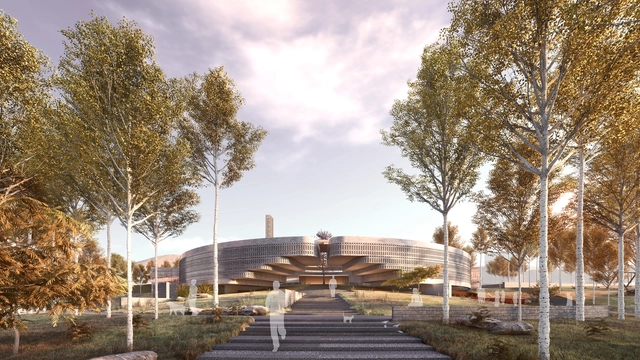
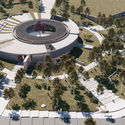
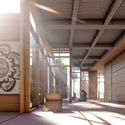
In all religions, prayer halls and religious buildings aim to separate the visitor from the chaos of daily life and provide serenity and peace, even for the brief moment in time when visitors are performing their prayers. In the Turkish city of Şanlıurfa, BeOffice Architects designed a circular, unbound mosque with a focus on nature, tranquility, and accessibility.

Turkish Office Redefines Typical Mosque Design - Image 1 of 4Turkish Office Redefines Typical Mosque Design - Image 2 of 4Turkish Office Redefines Typical Mosque Design - Image 3 of 4Turkish Office Redefines Typical Mosque Design - Image 4 of 4Turkish Office Redefines Typical Mosque Design - More Images+ 17

Kharkiv School of Architecture Celebrates BA Inauguration and 2019 EU Mies Award

Subscriber Access | 

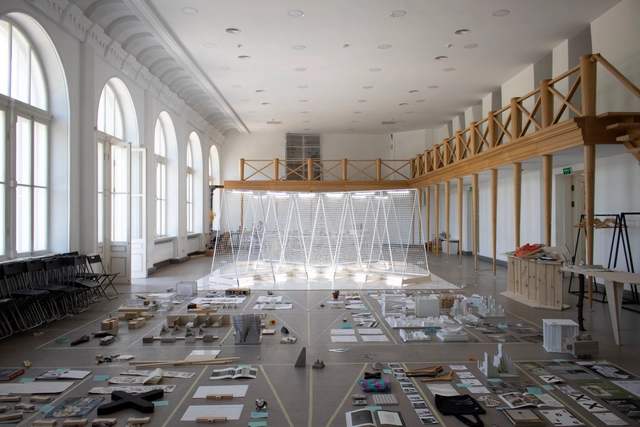
The Kharkiv School of Architecture is celebrating a prosperous year of academic and international achievements. In addition to hosting the nominated projects of the 2019 EU Mies Awards, the school has completed its first year of BA in Architecture. To celebrate these milestones, the school has organized a double exhibition showcasing the works of first-year students, as well as displaying the projects of Europe's most innovative architects.

By bringing together these two exhibitions, the school built a link between two generations of architects: The Mies Award, where the best works of the current European architects and designers are displayed, and the school's “Open/Work” exhibition, a glimpse into the innovations of future Ukrainian architecture.

Kharkiv School of Architecture Celebrates BA Inauguration and 2019 EU Mies Award - Image 1 of 4Kharkiv School of Architecture Celebrates BA Inauguration and 2019 EU Mies Award - Image 2 of 4Kharkiv School of Architecture Celebrates BA Inauguration and 2019 EU Mies Award - Image 3 of 4Kharkiv School of Architecture Celebrates BA Inauguration and 2019 EU Mies Award - Image 4 of 4Kharkiv School of Architecture Celebrates BA Inauguration and 2019 EU Mies Award - More Images+ 28

Neufert’s ‘Embodied Ergonomics

Subscriber Access | 
Neufert’s ‘Embodied Ergonomics - Image 15 of 4
Human-Reification. Image © Paul Gisbrecht

The relationship between the human body and architecture has always been a fundamental element of architectural design and practice, yet it was only in recent history that this connection was formally documented, let alone fully accepted. The question today is: how is the human body interpreted in the contemporary era, and how do these perceptions shape the way we design buildings and spaces? Ergonomics is often viewed as a discipline that highlights the separation between body and object; in reality, however, it not only bridges the two, but also serves as a blueprint designed to maximize and synchronize efficiency between them. At its core, ergonomics is a technical discourse concerning an increasingly mechanized human habitat.