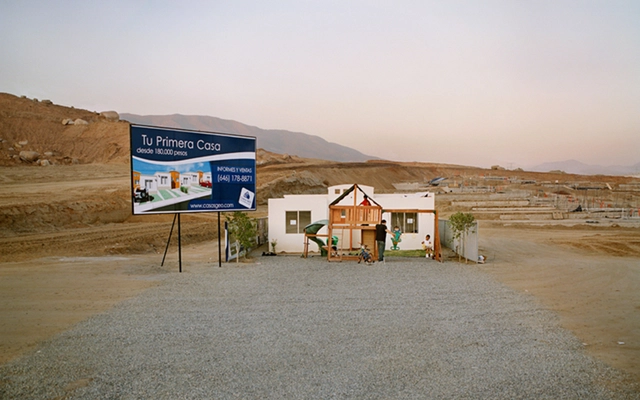
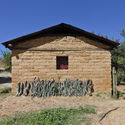

Traditional architecture is based on a complex understanding of dwelling, the collective production and transmission of knowledge, and construction through mutual-aid community processes that strengthen the social fabric, cultural identity, and territorial bond. In other words, it is a practice of community self-production where the inhabitants themselves, without intermediaries, manage the multiple processes involved in materializing their habitat, always relying on collective intelligence. Today, architecture has shifted from being a communal asset to an exclusive language of a few where, despite still requiring the organized participation of various actors, its production is credited to a single author: an individual entity who, without possessing the diverse knowledge required to complete a work from start to finish, is recognized as the mastermind behind all processes. The professionalization of architecture has not only individualized its discourse and complicated the transmission of knowledge; it has also discriminated against and rejected the knowledge produced outside of academic, professional, and governmental institutions, labeling it as precarious—thereby opening the door to racism.




.jpg?1591280425 "© Archstorming")





 Autonomous vehicles can read Baidu POIs (Point of Interests) and digitally enable a physical interaction between riders and surrounding landscapes. (Image © Shuman Wu, Huai Kuan Chung, Carmelo Ignaccolo for the UABB 2019 “Transforming the landscapes of mobility”)