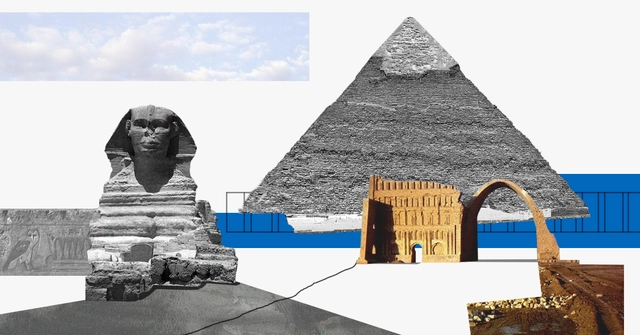
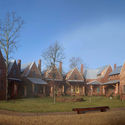
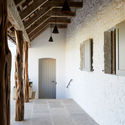
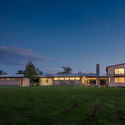
As far as written records report, “prehistory” dates back between 35,000 BCE and 3000 BCE in the Middle East (2000 BCE in Western Europe). Ancient builders had a profound understanding of human responses to environmental conditions and physical needs. Initially, families and tribes lived together in skin-covered huts and bone structures. Thousands of years later, human settlements evolved into fortified mud-brick walls surrounding rectangular volumes with pierced openings for ventilation and sunlight.
During the upcoming months, we will be publishing short articles on the history of architecture and how it evolved to set the fundamentals of architecture we know today. This week, we are going back to some of the earliest civilizations known to mankind: Megaliths, Mesopotamia, and Ancient Egypt.
AI in the architecture industry has provoked much debate in recent years - yet it seems like very few of us know exactly what it is or why it has created this storm of emotions. There are professionals researching AI who know more about the field than I do, but I have hands-on experience using AI and algorithms in my design over the past 10 years through various projects. This is one of the challenges that our field faces. How can we make practical use of these new tools?
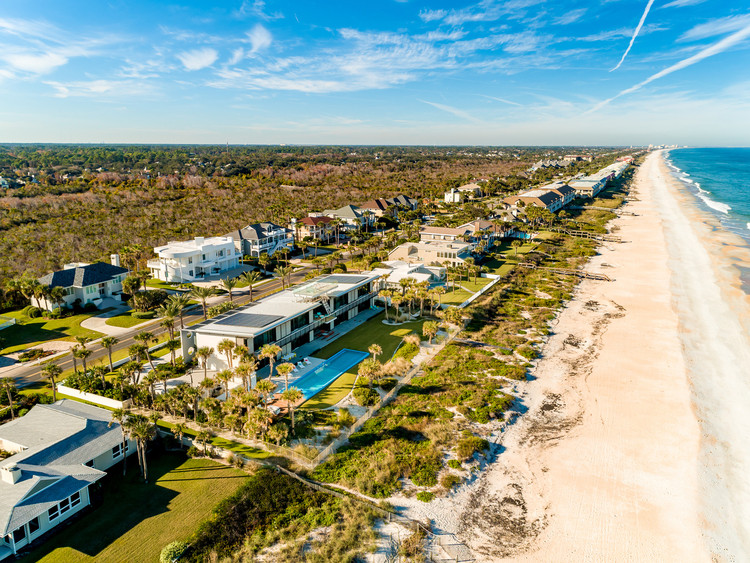
Located in the southern region of the United States, the state of Florida is one of the most populous states and the 22nd largest. The state hosts some of the most populated areas in the country, such as Jacksonville and the Miami Metropolitan Area.
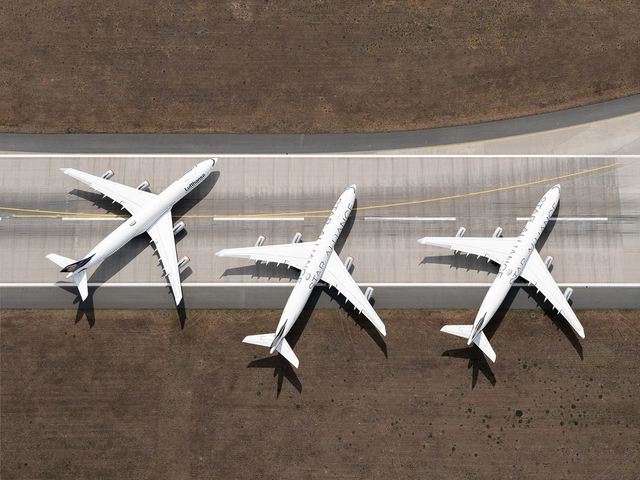
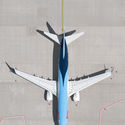
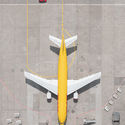
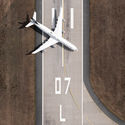
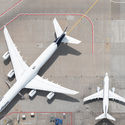
The COVID-19 pandemic has transformed how we travel and come together. As streets and buildings became empty and people practice social distancing, so too have airports experienced a tremendous decline in passengers and flights. As the aviation industry shaped globalization, it has also contributed to how quickly the disease spread. In a new aerial series, photographer Tom Hegen explores the pandemic's impact on aviation from above.
Central region of Curitiba. Image by Francisco Anzola, via Flickr. License CC BY 2.0
One of the main objectives of this website is to disseminate ideas that enable cities to have more affordable housing. There are several indicators that can be useful in observing and analyzing a city's housing market, such as the price-to-income ratio, which we covered in a previous article. While no single indicator is perfect, they can provide guidance regarding the scale or direction of a given real estate market.
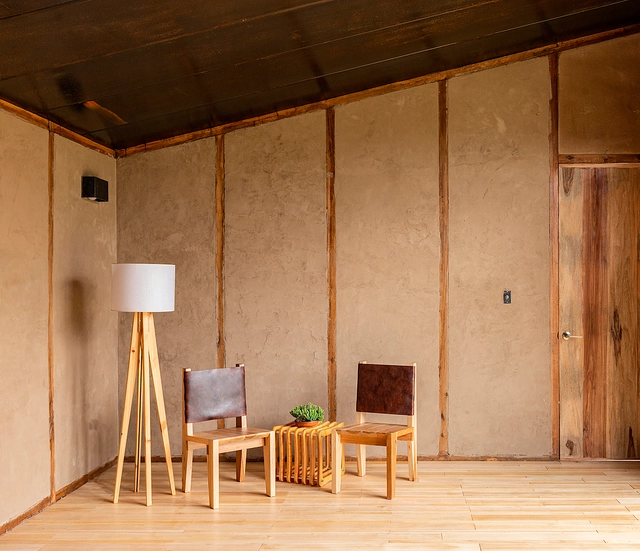
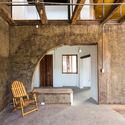
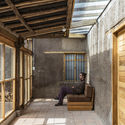
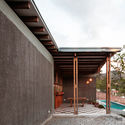
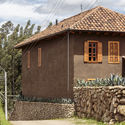
Earth is a material that has been used to construct buildings since time immemorial. Its low environmental impact and the variety of techniques available for working with this material have allowed its use to endure in architectural projects worldwide. Whether using rammed earth, wattle-and-daub (bahareque) systems, or adobe structures, numerous contemporary projects rework and reinterpret these traditional methods to shape their spaces.
Courtesy of the coronavirus, universities are closed around the world, and classrooms are now entertained over video conferencing. This is not overly dramatic as this temporary arrangement will eclipse after cases are contained, and classes will resume soon after. However, the impacts on the university ecosystem and on the urban fabric will require immediate renovations in higher education that will shape the architectural syllabus for years to come.
https://www.archdaily.com/939423/how-covid-19-will-shape-architectural-educationZaheer Allam, Gaetan Siew and Felix Fokoua
As the Great Philosopher, Mike Tyson said, “Everybody has a plan until they get punched in the mouth”.
The COVID-19 pandemic will deeply impact the world of aesthetics. For the first time since League of Nations was founded, a future of universal aesthetics may cease to be the academically sanctioned Architectural Canon. As Markus Breitschmid defines it, in his article “In Defense of the Validity of the 'Canon' in Architecture,” the Canon in Architecture is a way to divorce architecture from the rest of the world:
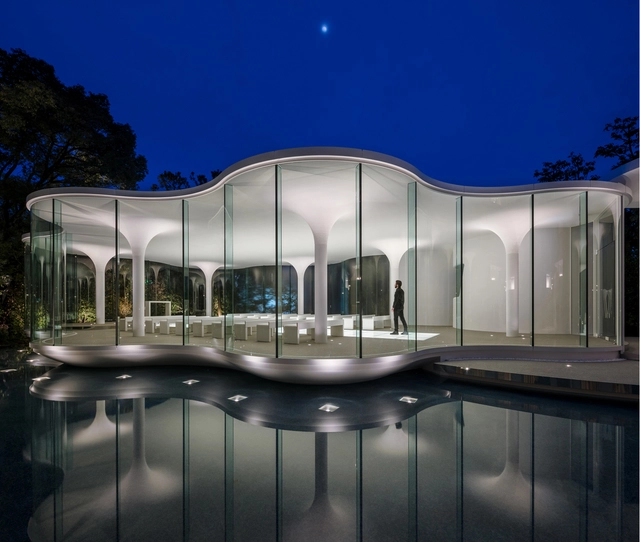
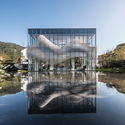
Cloud of Luster Wedding Chapel / Tetsuya Matsumoto. Image Courtesy of A' Design Award
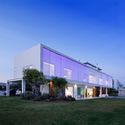
Everyone likes to win. And if design is your passion, what could be better than winning a design award? Out of the multitude of design competitions in the world, the international A' Design Award is the largest, and now they've announced their winners of the 2019-2020 competition. Winners of this prestigious award must impress a jury panel of experts - 170+ press members, academics, and design professionals - in order to receive the A' Design Prize. In addition to the prestige, recognition, and international publicity, laureates are presented with a trophy, annual yearbook, certificate, invitation to the gala night, inclusion in the winners' exhibit, and more.
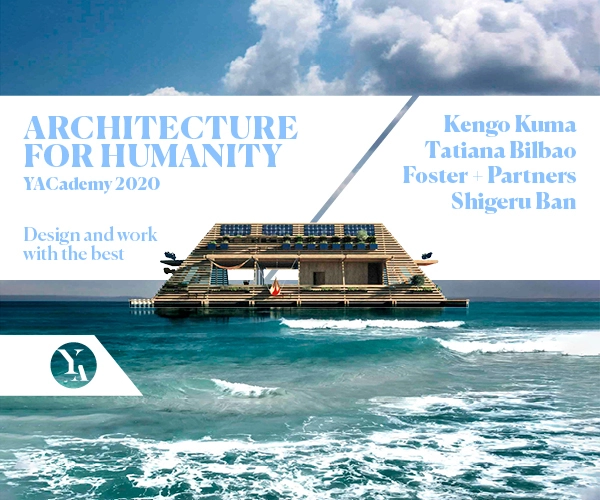
The course in Architecture for Humanities was born to train designers who know how to compose meaningful architectures even in the most complex contexts to bring quality and beauty where you are not used to seeing it. Today, pandemic, economic crisis, migration and climate change have turned every area -from the periphery of our metropolis to the most remote tropical village- into what can be defined as “emergency context”.
In February of this year, I gave a short talk to our Yale students about the economy and their employment prospects, suggesting that while all indicators remained strong and jobs were plentiful, it had been quite some time since our last downturn. Having seen several during my career I suggested that they would likely see a recession sometime in theirs, but cast doubt on whether we’d ever see anything as serious as 2008. If only…
It’s too early to be making nuanced arguments about the future, as we face down what is undoubtedly going to be a much more serious situation in the second half of 2020. So, here are ten first thoughts about how our profession may be impacted, and potentially transformed, as a result. Choose two or three as prompts to consider the future once the crisis has passed.
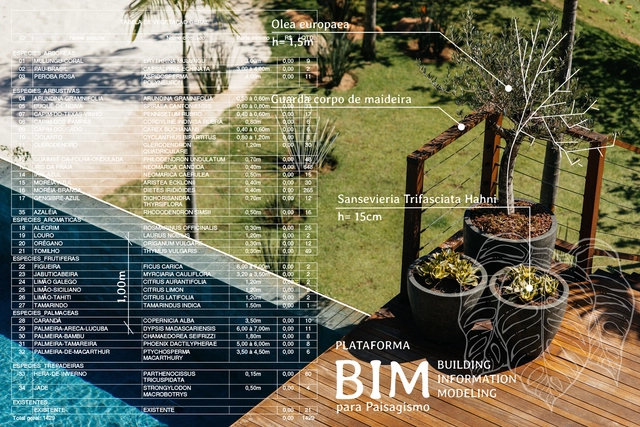
We are heading for a scenario in which BIM technology will greatly help us to maximize the roles and skills of civil construction professionals, making room for us to plan, design, build and manage buildings and infrastructures much more efficiently, integrating all systems, structural, mechanical, electrical and plumbing in a responsible, economical and sustainable way.
Videos
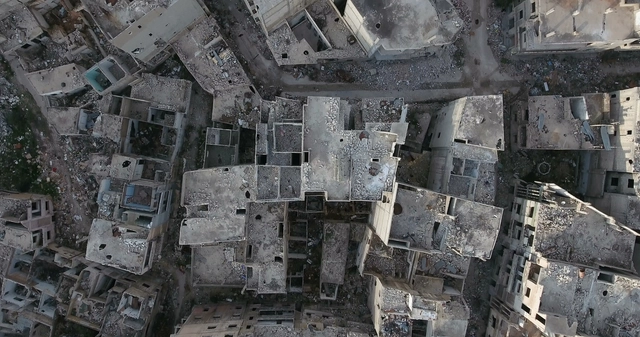
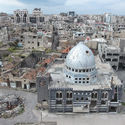
the city of Homs in Syria. Image via Shutterstock/ By Fly_and_Dive
In a world devastated by war and destruction, new ideas for future reconstruction of cities are emerging. The latest technologies are creating opportunities to shape better built environments and better urban experiences. While the world has had its fair share of failed attempts of post-war reconstruction, the 21st century is promising concepts more in touch with culture, integration, and sustainability.
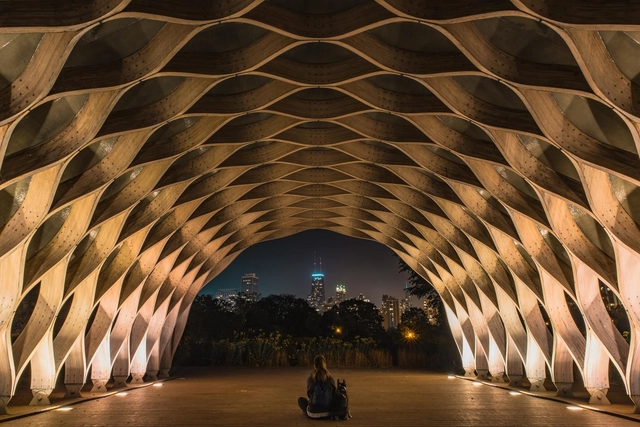
As we all know, technology is the game-changer of this century. It has ultimately modified how we design and build, and with the development of Artificial Intelligence, boundaries have been pushed furthermore. Able to transform the environment we live in, AI can also help shape a better version of the environment we have lost.
Stores in Santiago, Chile, ran out of yeast in mid-March, such as it happened after the beginning of the social crisis in 2019. Given that Chile has the second-highest bread consumption per capita in the world, it would seem that Chileans handle uncertainty stocking up ingredients for bread making. Everybody wants to make bread, including myself.
Structure created using BIM and parameterization. Photo by Chris Palomar, via Unsplash
Circular economy principles have also been increasingly applied to the architecture and construction sector. However, technical and even cultural barriers still persist during the building design process. To address this challenge, several tools can be used to streamline the workflow, enable faster and more accurate assessments, and analyze how different design strategies can yield environmental, economic, and social gains.
Being admitted to a hospital means entering an experience of anxiety and uncertainty. At a moment when survival is the sole objective, aesthetic attributes seem irrelevant, and analyzing the ambience of the hospital environment might feel like an untimely indulgence.
However, being in an Intensive Care Unit can be even more distressing if patients lack a window to show whether it is day or night. Or when, during the initial diagnostic triage, one must navigate narrow corridors and a succession of closed rooms for first contact with on-duty doctors and nurses—a true labyrinth.
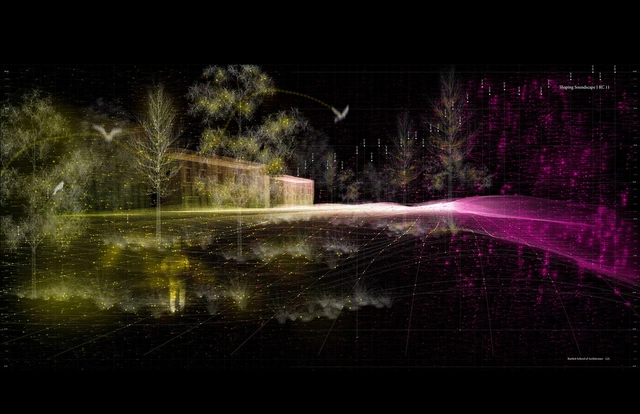
Our interpretation of the world is mediated through a variety of mechanisms that have been at the center of architectural and urban debate for a long time; the role of hearing in perceiving and recognizing the surrounding environment is fundamental and of growing scientific interest. Studies that investigate the psychological effects of noise produced by large infrastructures, such as airports, highways, railways, are multiplying. Santiago Beckdorf argues that it is possible, through the tools of design, to reverse the paradigm according to which urban development is inevitably connected to a weakening of the natural environment in which it is inserted.
For the 2019 Shenzhen Biennale of Urbanism\Architecture (UABB), titled "Urban Interactions," (21 December 2019-8 March 2020) ArchDaily is working with the curators of the "Eyes of the City" section to stimulate a discussion on how new technologies might impact architecture and urban life. The contribution below is part of a series of scientific essays selected through the “Eyes of the City” call for papers, launched in preparation of the exhibitions: international scholars were asked to send their reflection in reaction to the statement by the curators Carlo Ratti Associati, Politecnico di Torino and SCUT, which you can read here.
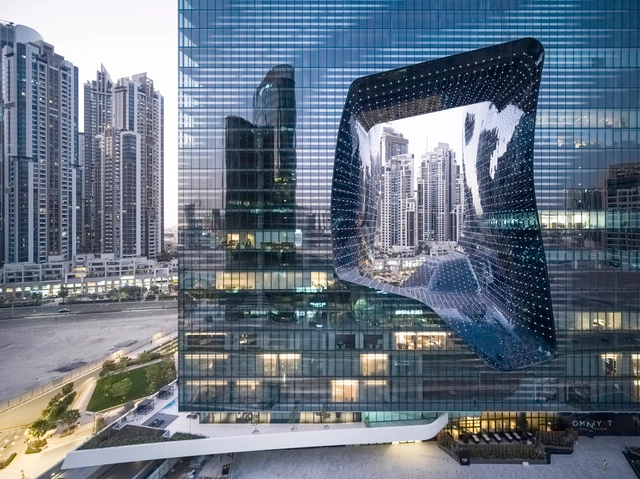
The recently opened Opus building by Zaha Hadid Architects brings an interplay of solid and void, fluidity and orthogonality to the Dubai cityscape. New images by award-winning photographer Laurian Ghinitoiu capture the project’s sculptural silhouette, the studio’s distinct architectural signature.