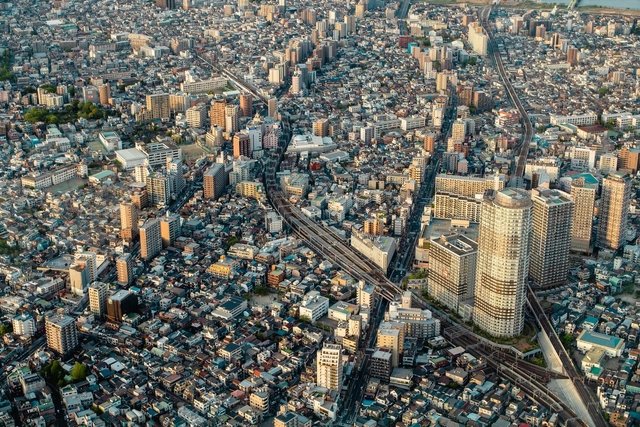
Do you know a great example of high density living environments built within the last 30 years? Share your knowledge and contribute to the creation of an open repository via Crowd Creation. To be truly exemplary, the area should include a mixture of functions (at least some of them high-rise) where the physical fabric retains a human scale at street level despite the high density.
Tokyo, Japan. Photo by Vincent Camacho, via Unsplash
Skylines are icons that intrigue people through their urban complexity, shaping character and defining a sense of place. As Kevin Lynch noted in his classic “The Image of the City,” the visual landscape of a city can be treated as an object of varied, unpredictable meanings. While we can envision a clear image when building a city, its true definitions emerge indirectly over the course of its development. In other words, as cities evolve, their skylines evolve alongside them in unpredictable ways.
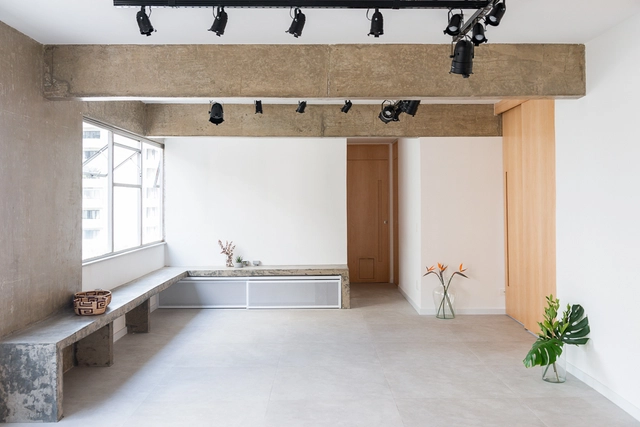
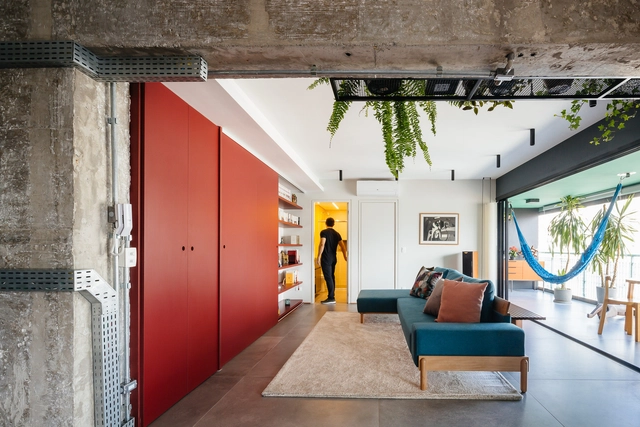
Many architects tend to prefer using materials and architectural elements in their natural or raw state. It is common to remove ceilings and finishings, especially in renovation projects, to expose a building's structure. This process of reclaiming the natural materials of construction - without incorporating elements to cover the framework, pipes, tubes, and cables - transforms these spaces into places that have nothing to hide.
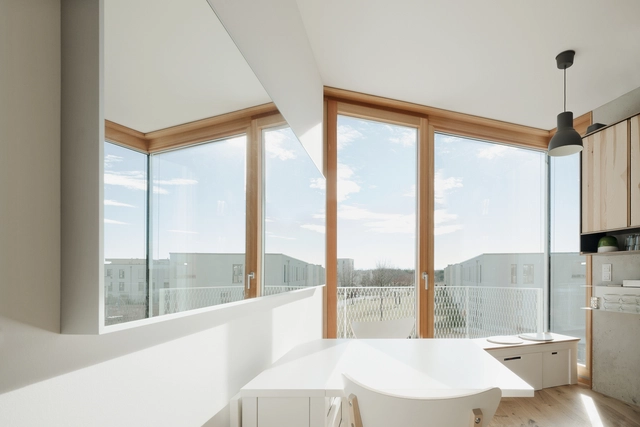
"And a window that looks out on Corcovado. Oh, how lovely." Tom Jobim's lyrics, immortalized by João Gilberto and Astrud Gilberto's voices and a soft guitar, was one of the early songs that introduced the world to the idea of a paradisaical Rio de Janeiro and a promising Brazil, with an increasingly urban population and a modern capital being built from nothing. Almost 60 years later, Paulo Mendes da Rocha casually quotes this song in an interview and points out that for him, in this scene, the most important element is the window, not Corcovado or Christ the Redeemer. That's because it frames the view and directs our eyes to what matters. It is a phrase that goes almost unnoticed, but that carries enormous poetic and artistic significance to the craft of architecture.
Designing resilient cities combines practical solutions with innovative ideas. Interdisciplinary global firm HKS is working to bring these ambitions to life with researchers, urban designers, nurses, anthropologists, graphic designers and more. Viewing design as a process of discovery, three directors at HKS are leading how cities explore research, equity and integration to create more resilient futures.
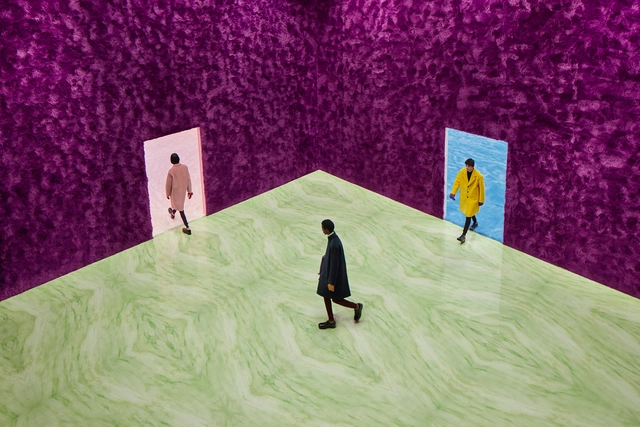
Responding to the challenge of designing a space for the launch of the Prada FW Menswear 2021 Collection by Miuccia Prada and Raf Simons, Rem Koolhaas and AMO have designed four connected geometric rooms that allow for the continuous circulation of the models showcasing their different garments. The general theme of the design centers sensory stimulation. Like the designs presented, the materials used and their distribution throughout the space speak of a more intimate connection with our surroundings, reminding us that fashion and architecture are more than just a functional container; they are an opportunity to actively excite and provoke our senses.
Maria Montessori began to develop her educational method at the beginning of the 20th century. In general terms, the method is a scientific pedagogy that promotes an education that positively contributes to the development of children's brains, respecting their individuality and stimulating their autonomy, self-esteem, and self-confidence.
Although the method was created in the last century, science is currently beginning to test much of the information investigated by Maria Montessori. For this reason, it is increasingly being applied to architecture for children’s educational spaces, improving the quality of children's learning and development and providing them with better tools for their future lives.
By no means does this text intend to refute or disparage the recently published article The Life and Death of Tiny Houses, but rather to offer the reader alternative perspectives and an expansion on the theme—one of the core principles of architectural criticism. To this end, the text is structured around two axes that analyze several points raised by the original author.
Most of the practicing architecture is drudgery, and this is rather unfair. As students, architects are given thoughtful prompts about the built environment and its big questions, as well as sole creative reign to answer those questions. That is the only time in the architect’s life when this is the case, and in many ways, this does not adequately prepare the architecture student for the world of architecture, which is a world of drudgery. In reality, architects are not heroes.
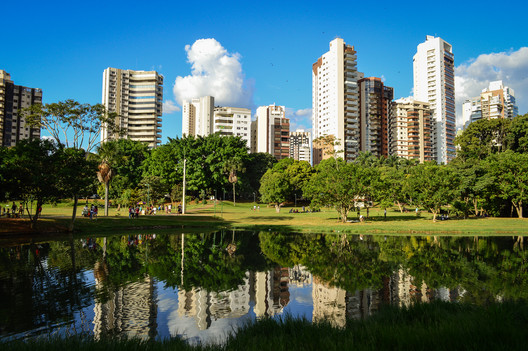
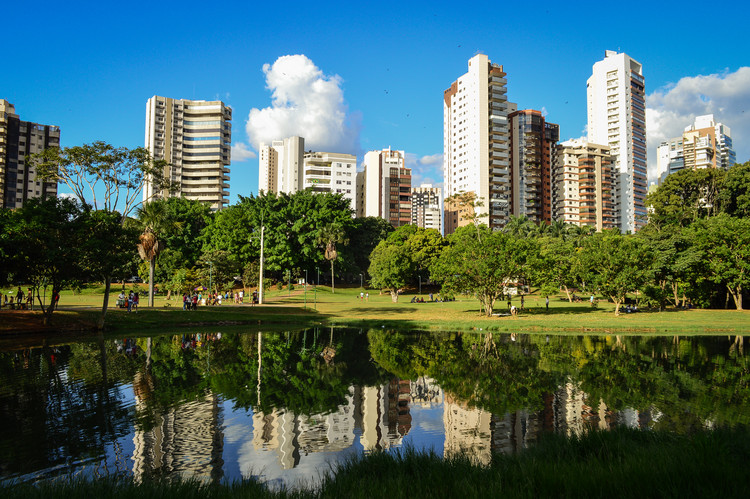
Lago das Rosas, in Goiânia. Image: Jean Carlos Faleiro, via Wikimedia Commons
Just as urban infrastructure can be defined as the network of structures and services required for cities to function efficiently, green infrastructure can also be understood as an interconnected network of areas and elements that preserve the value and function of natural ecosystems. One of the many definitions of green infrastructure posits that this constituent network enhances water and air quality, in addition to providing a range of benefits for both people and wildlife.
It is undeniable that public green space has gained renewed importance following the lockdowns of the coronavirus pandemic. In cities worldwide, plazas, parks, clubs, and waterfronts began to play a fundamental role. These spaces met the needs for leisure, relaxation, and collective gathering of residents who, in many cases, spent months confined to their homes, acting as agoras within the dense urban fabric. Beyond serving as spaces for recreation and civic gathering, UN-Habitat states that these green areas directly improve environmental conditions. By helping to increase air quality, reduce the greenhouse effect, and capture carbon, their expansion, development, and maintenance should be a priority for local governments.
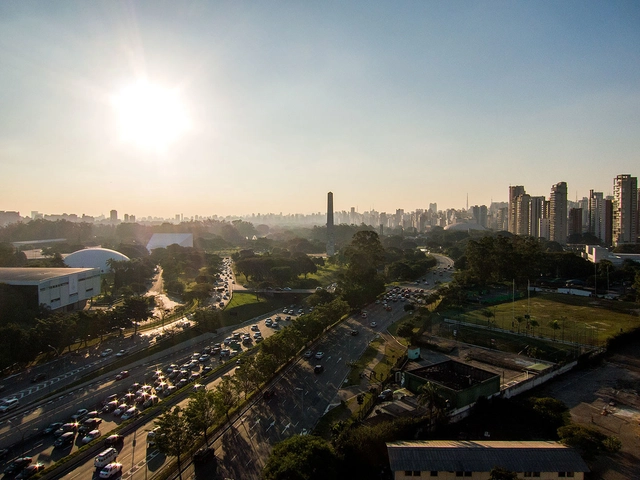
Ibirapuera Park in São Paulo. Photo: Fernando Stankuns, via Visualhunt / CC BY-NC-SA
Who could have predicted 2020? Even at the beginning of the year, when the existence of a new coronavirus was already known, it was hard to imagine that the world would undergo so many changes. The impacts were not limited to health; they spread to behavior, the economy, and many other aspects of life on the planet, including the environment.
At this point, it is impossible to predict how vaccines against the virus might change humanity's destiny over the coming year, or what Brazil's trajectory will be in recovering from the crisis caused by Covid-19. The year 2021 begins with this mix of uncertainty and expectation—and a strong sense of urgency. January also marks the start of a new decade fraught with major challenges such as the climate emergency, the need to transition to cleaner economies, the imperative to transform our relationship with forests and land use, reimagining urban spaces, and the struggle to reduce inequality and systemic racism, among many others.
https://www.archdaily.com/1127962/eyes-on-2021-climate-cities-and-forests-to-watch-in-brazilWRI Brasil
Naturally associated with characteristics such as simplicity and clarity, but also expressiveness, vibrancy, and energy, the three primary colors—which give rise to other colors—offer a wide range of application possibilities in architecture. As crucial elements in the compositions of the leading exponents of the De Stijl movement, such as Piet Mondrian, Theo van Doesburg, and Gerrit Rietveld, yellow, blue, and red, when used together, became icons in design and architecture, and for many professionals in the field, an obsession.
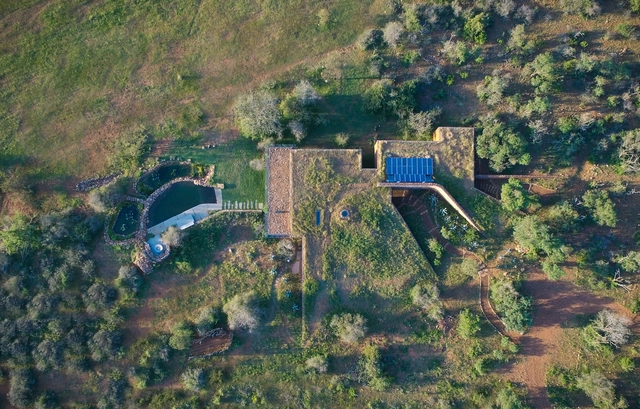
As a human creation, architecture as an object always poses the challenge of its integration into the landscape. When a design opts to go underground, it can bring various design benefits, such as blending into the context, as well as technical advantages like increased thermodynamic efficiency.
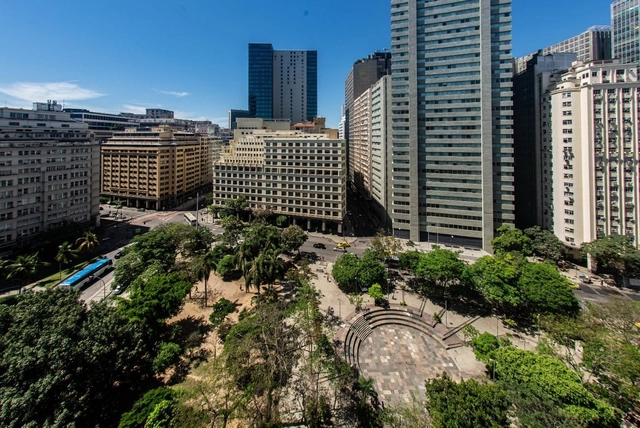
Buraco do Lume. Image via Skyscraper City, user Leo10Rio
The approval of the controversial draft legislation dubbed the “Lei do Puxadinho” in mid-2020, which relaxed zoning parameters in the city of Rio de Janeiro, sparked widespread debate across various sectors of society—particularly among architects and urban planners, many of whom have strongly criticized the proposal. The debate, however, intensified even further when, under the auspices of this law, a surprise amendment was published in the Official Gazette. This amendment temporarily lifted several restrictions on the Buraco do Lume site, which is adjacent to the square officially named Praça Mário Lago—an important venue for political demonstrations in the city, landmarked by the municipality in 1989 and by the state government in 2019.
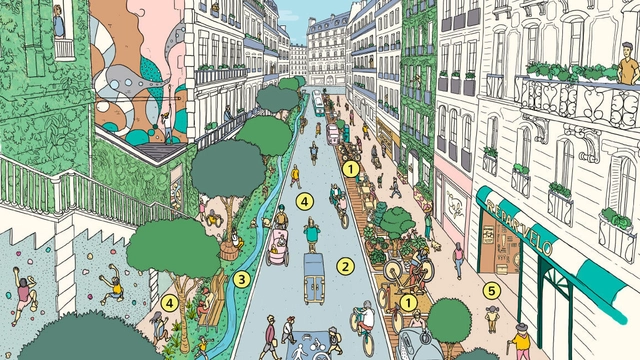
Think about the city or town where you live. How long does it take you to get to the grocery store on foot? Is your school or work close enough to walk to? What about a public park, a doctor’s office, a daycare, or any other places that you visit on a daily basis? While some cities have already considered what it means to live near all of these necessities, others are revamping their urban planning strategies and designing their neighborhoods to be more pedestrian-friendly with the concept of a “15-Minute City”.
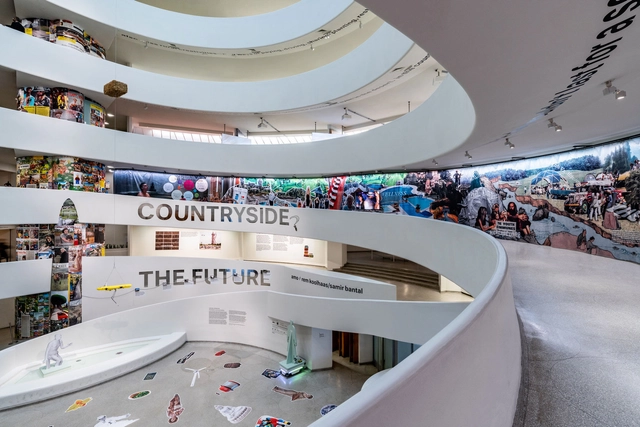
Whether as a retrospective, a collection of contemporary works, or a compilation of prospects for the future - and all the other possibilities in between -, architecture and urban planning exhibitions have played an important role in shaping the future of cities over the decades. These events are often open to the public, reaching many people who don't necessarily have a background in the field, thus providing great environments to explore a collective view of the future of architecture and cities.
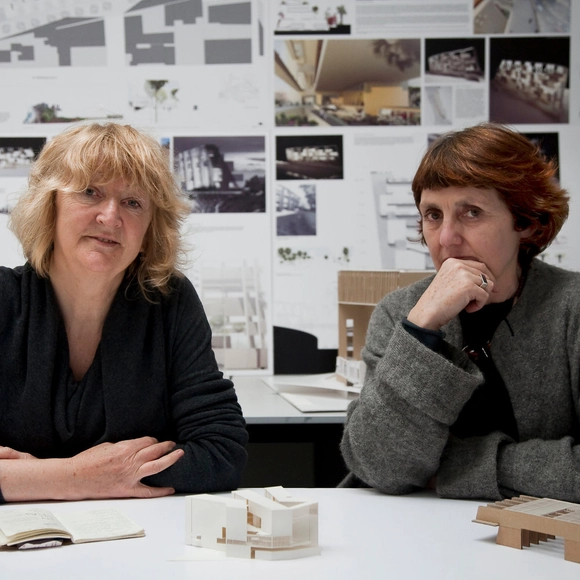
This year, architecture’s highest honor, the Pritzker Prize, has been granted to Grafton Architects, a Dublin-based architectural firm mainly ran by female partners Yvonne Farrell and Shelley McNamara. For the first time ever in its 42-year history, due to the constraints set by Covid-19 global pandemic, the organizers of the Pritzker Prize decided to use Livestream the award ceremony. Having reached the end of 2020, ArchDaily has summed up what current and previous Pritzker Prize winners have accomplished during this turbulent year.














_8803.jpg?1610126390 "\"Refugee Heritage\" Exhibition at the 2019 Chicago Architecture Biennial / Ana María León and Andrew Herscher. Photo: © Laurian Ghinitoiu")