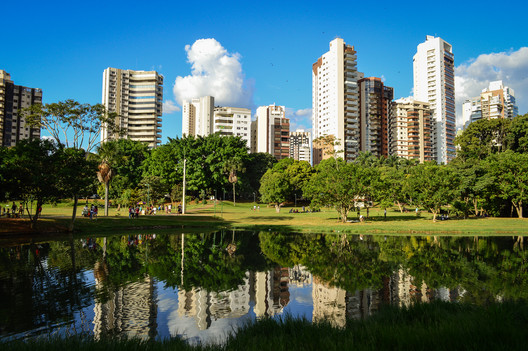
Just as urban infrastructure can be defined as the network of structures and services required for cities to function efficiently, green infrastructure can also be understood as an interconnected network of areas and elements that preserve the value and function of natural ecosystems. One of the many definitions of green infrastructure posits that this constituent network enhances water and air quality, in addition to providing a range of benefits for both people and wildlife.


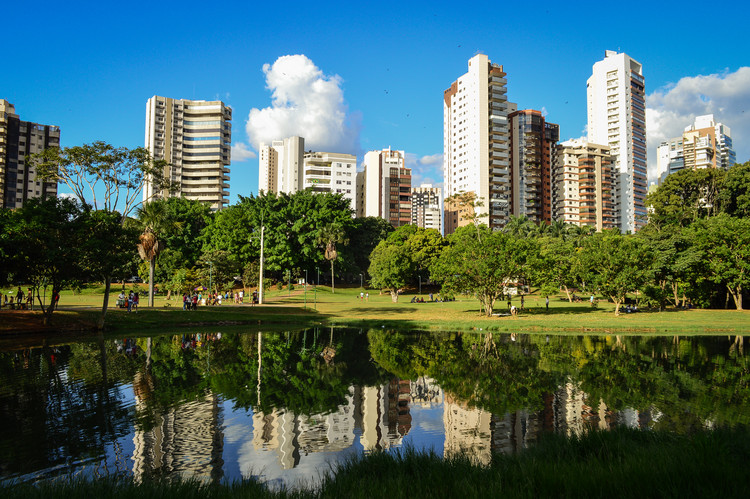
Integrating green infrastructure into conventional urban planning is essential to conserving and restoring natural systems, embedding them within the urban context. To quantify the distribution of green spaces in Brazil, the mapping of urban afforestation along public streets conducted by the IBGE helps frame vegetation as an integral part of city infrastructure, guiding actions for preserving green areas.


