1. ArchDaily
  2. Articles

Articles

Maximalism: What It Is and Why You Need to Know It

Subscriber Access | 

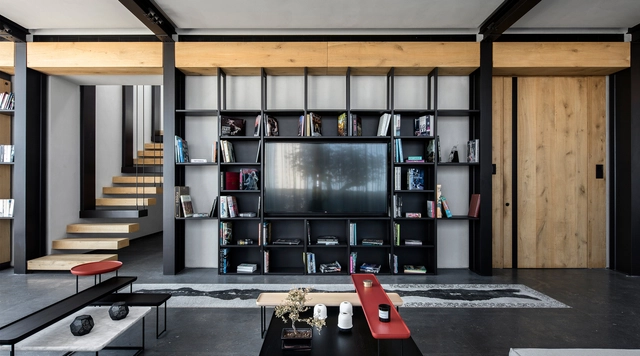
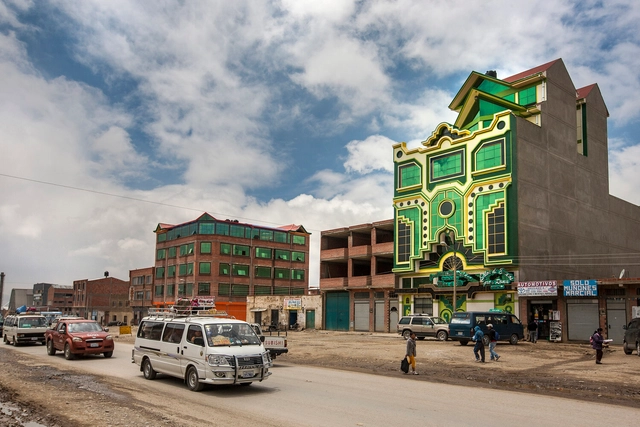
Maximalism is an artistic movement that stands in stark contrast to minimalism. While minimalism famously preaches "Less is more," maximalism embraces the opposite mantra of "More is more."

Within the broader context of the postmodern movement, which encompasses the social and aesthetic shifts occurring after World War II, maximalism can be characterized by its rejection of rigid values and rules. Instead, it celebrates imprecision, embraces diversity, blurs the lines between reality and fantasy, encourages spontaneity, and champions freedom of expression.
How to Use Vertical Farming for Sustainable Living

Subscriber Access | 

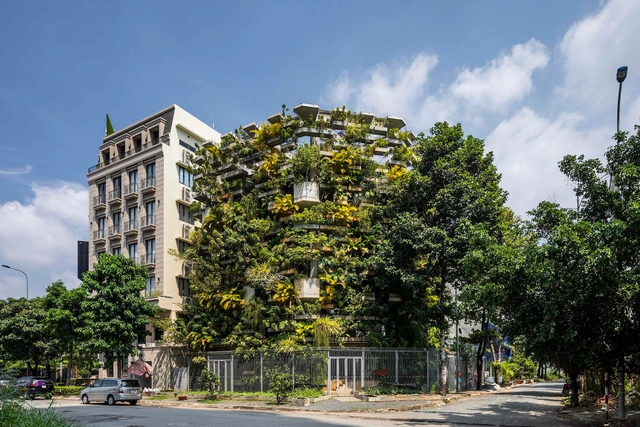
Increasing in both size and number, cities worldwide are experiencing accelerated growth. With green land regularly lost to either urbanization or its effects – such as rising sea levels or natural disasters – and expanding populations meaning more mouths to feed, the farming and agricultural industries are in crisis. Viewed by many as the solution, vertical farming is the practice of stacking layers of crops atop each other, using humanity’s latest design and engineering tech to grow more with less space.

More traditional horizontal farmland, however, does more for the environment than simply growing our food. The open-air green spaces often serve as natural habitats, air filtration, and temperature control for the surrounding area. By stepping up the concept of vertical farming into the world of architecture, we can bring all the goodness of the farm, straight to our doorstep.

Urban Parks Should Be a Greater Part of the Healthcare System

Each year, the Trust for Public Land (TPL) issues its ParkScore, which ranks the park systems of the 100 most populated cities in the U.S. This year, the organization also explored the positive health outcomes of top-scoring cities, looking at more than 800 innovative programs and practices that integrate park and healthcare systems.

LIGA Opens the Exhibition: 'On the Other Side' by Juan Campanini and Josefina Sposito in Mexico City

Subscriber Access | 

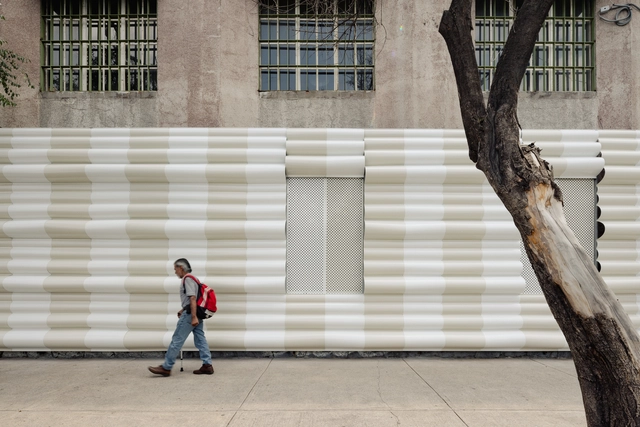
As part of the cultural program of LIGA, Space for Architecture in Mexico City, the exhibition "Al otro lado" (On the Other Side) by Juan Campanini and Josefina Sposito opened earlier this month. Having established their studio in Buenos Aires in 2017, they have focused their practice on architectural design, teaching, and research. The intervention consists of a new facade that proposes a reinterpretation of the Mexico City landscape as a fragmented fabric composed of multiple recognizable parts.

Opening Up / Taking in the View: Heavy-Weight Doors for an Impressive Entrance

 | Sponsored Content

Welcome to West Hollywood and to episode 9 of Opening up. Talking through his passion project is Denis Devin Donner from the Los Angeles-based company Rudin Donner Design. This transformation started with a mansion lacking a defined entrance and reached its culmination with a gate that frames a beautiful view.

Cross-Laminated Timber Reaches new Heights: Why use CLT in Construction?

 | Sponsored Content

The growth of the world's population has led to an increase in housing and building construction around the globe. Considering that today the construction industry is responsible for 40% of the planet's CO2 emissions, and according to the Chilean Chamber of Construction, by 2035, Chile will need housing for 2.6 million people, it is necessary to guide this sector toward an environmentally friendly alternative. The answer to this challenge can be found in nature itself, where there are various efficient and sustainable construction solutions. Such is the case with wood: a noble and renewable material capable of capturing CO2 and contributing to a better environmental future.

Today, thanks to technological advances, engineered wood or laminated wood, composed of layers of structural wood oriented perpendicularly to each other, has positioned itself as a trending construction material worldwide, and Chile should not be the exception.

Bridging Boundaries: An Interview with Ahmadreza Schricker of ASA North

Based between Tehran, Iran, and New York City, ASA North has emerged as an example of an architectural practice based on malleability and adaptability. Chosen by ArchDaily as part of our 2023 New Practices, ASA North stands at the forefront of melting the boundaries between architecture and art. ArchDaily had the chance to interview Ahmadreza Schricker, its founder delving into the evolution of his life, career, and practice.

Ahmadreza Schricker is an architect whose journey was shaped by his work with Herzog & de Meuron and his time with the well-renowned OMA. His studio ASA North, is well known for its award-winning adaptive reuse of the Argo Contemporary Art Museum & Cultural Center, a former distillery that was awarded at the 2020-2022 Aga Khan cycle. It is a testament to the work ASA North does, bridging gaps between past and future, traditional and contemporary. The interview also goes beyond ASA North, looking into its sister company, ASA South. Based in the virtual world, ASA South challenges conventional boundaries and reimagines architectural practice in the digital age.

Bridging Boundaries: An Interview with Ahmadreza Schricker of ASA North - Image 1 of 4Bridging Boundaries: An Interview with Ahmadreza Schricker of ASA North - Image 2 of 4Bridging Boundaries: An Interview with Ahmadreza Schricker of ASA North - Image 3 of 4Bridging Boundaries: An Interview with Ahmadreza Schricker of ASA North - Image 4 of 4Bridging Boundaries: An Interview with Ahmadreza Schricker of ASA North - More Images+ 24

Vienna: An Extraordinary Social Housing Policy

Subscriber Access | 

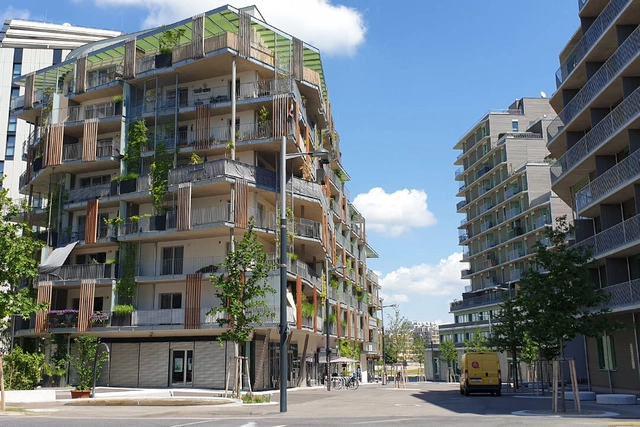
The city of Vienna has a highly praised housing policy. While it certainly has many merits, it is not necessarily perfect. In fact, Vienna's housing policy has taken a different path than other European cities, sparking interest among those who study the subject. In this episode of the Housing Voice podcast, produced by UCLA, Justin Kadi presents several features that make the Austrian capital a unique case. The episode also provides a series of academic articles for anyone wishing to delve deeper into the subject.

Vienna: An Extraordinary Social Housing Policy - Image 1 of 4Vienna: An Extraordinary Social Housing Policy - Image 2 of 4Vienna: An Extraordinary Social Housing Policy - Image 3 of 4Vienna: An Extraordinary Social Housing Policy - Image 4 of 4Vienna: An Extraordinary Social Housing Policy - More Images+ 1

Architecture Guide: 10 Must See Gaudí Buildings in Barcelona

Subscriber Access | 

In this Barcelona guide, we have rounded-up the architecture of probably the best known and most influential architect from the beginning of the century in Spain, Antonio Gaudí. Gaudí spent most of his life in Barcelona and the city boasts the largest concentration of his works in the world. His style is unique, often imitated but never matched.

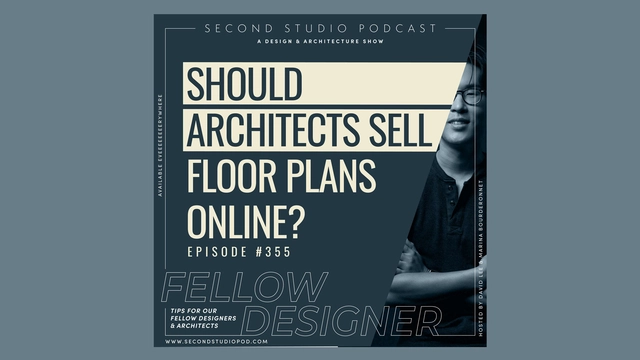
The Second Studio Podcast: Should Architects Sell Floor Plans Online?

The Second Studio (formerly The Midnight Charette) is an explicit podcast about design, architecture, and the everyday. Hosted by Architects David Lee and Marina Bourderonnet, it features different creative professionals in unscripted conversations that allow for thoughtful takes and personal discussions.

A variety of subjects are covered with honesty and humor: some episodes are interviews, while others are tips for fellow designers, reviews of buildings and other projects, or casual explorations of everyday life and design. The Second Studio is also available on iTunes, Spotify, and YouTube.

This week David and Marina of FAME Architecture & Design discuss whether or not architects should sell their floor plans online. The two cover the financial benefits of selling plans, making good floor plans accessible to more people, the downsides of selling partial services, quality concerns, the future of the profession, prioritizing speed and efficiency in design, why architects are often not used on projects, and more.

Neuroarchitecture in Corporate Projects: How the Built Environment Can Reduce Burnout?

Subscriber Access | 

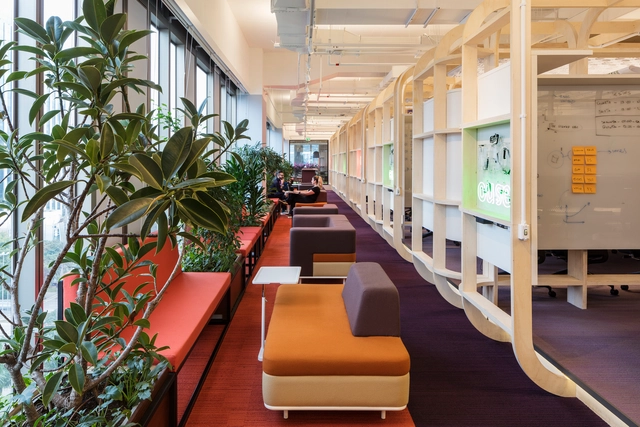
Burnout Syndrome, or professional exhaustion syndrome, is an emotional disorder characterized by extreme exhaustion, stress, and physical depletion resulting from demanding work environments that entail intense competition or high levels of responsibility. Particularly during and after the pandemic—essentially our current reality—burnout rates have surged. Yet, the topic remains under-discussed. Given the significant role of spatial design in the lives of employees, how can neuroarchitecture support quality of life and help mitigate burnout?

Neuroarchitecture in Corporate Projects: How the Built Environment Can Reduce Burnout? - Image 1 of 4Neuroarchitecture in Corporate Projects: How the Built Environment Can Reduce Burnout? - Image 2 of 4Neuroarchitecture in Corporate Projects: How the Built Environment Can Reduce Burnout? - Image 3 of 4Neuroarchitecture in Corporate Projects: How the Built Environment Can Reduce Burnout? - Image 4 of 4Neuroarchitecture in Corporate Projects: How the Built Environment Can Reduce Burnout? - More Images

How to Cool Cities on an Increasingly Hot Planet

Subscriber Access | 

The current summer in the Northern Hemisphere has been so hot, with temperatures reaching record highs—including in the sea—that discussions are already revolving around the limits of human survival. Even in Antarctica, sea ice has failed to reform, a drastic departure from normal winter patterns. It is not just an impression that extreme heat events are occurring more frequently. As a result of climate change, the frequency of these events has increased—and is expected to worsen.

In fact, in most years, heat is the most lethal weather phenomenon, killing an average of 490,000 people worldwide and causing serious health problems for many others. According to the World Health Organization, heat-related deaths are projected to increase by 50% by 2050. However, this impact is not distributed equally, either globally or within communities: populations already living in more vulnerable conditions face the greatest risks.

The role of timber in building the cities of tomorrow

Subscriber Access | 

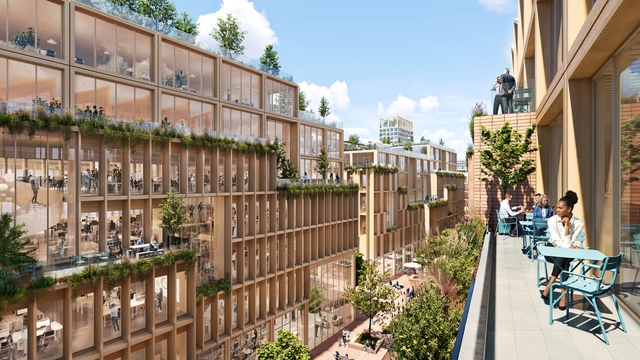
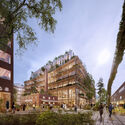
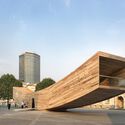
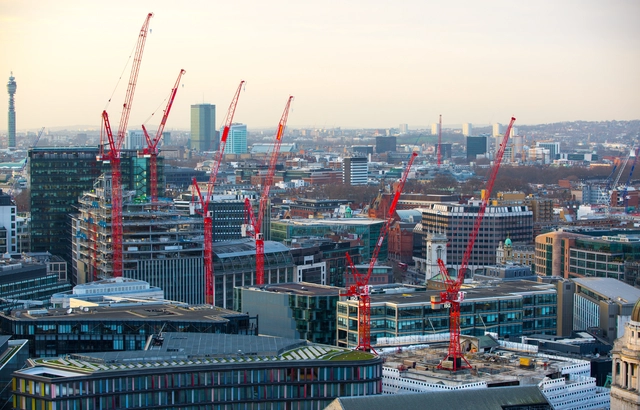
With studies estimating that by 2050 nearly 70% of the global population will live in cities, planning for more sustainable and balanced urban development has become imperative for the coming decades. This discussion invariably hinges on a more assertive choice of construction materials that yield greater urban and environmental benefits. In this context, a material re-emerging as a more sustainable choice for urban infrastructure is wood, particularly when paired with new technological advancements, which is being reintroduced into cityscapes due to its versatile characteristics and its ability to align with the construction of tomorrow.

The role of timber in building the cities of tomorrow - Image 1 of 4The role of timber in building the cities of tomorrow - Image 2 of 4The role of timber in building the cities of tomorrow - Image 3 of 4The role of timber in building the cities of tomorrow - Image 4 of 4The role of timber in building the cities of tomorrow - More Images+ 1

6 changes needed for the financial system to help promote a sustainable future

Subscriber Access | 

Every day, governments, financial institutions, and corporations face a critical decision: continue investing in physical assets that emit greenhouse gases and degrade nature, or prioritize developing green solutions that foster a stable, resilient, and equitable economy. As communities bear the brunt of severe climate impacts, the imperative to build a sustainable future becomes increasingly clear.

How Far Should Your Sofa Be From The TV?

Subscriber Access | 

There are a series of multiple factors to take into account when deciding where to place a TV, including —but not limited to— the dimensions of both the furniture and the TV, image resolution, height, design, and so on.

In this article, we share some recommendations to achieve the comfort and well-being of the users avoiding possible problems of visual fatigue or unfortunate body postures.

Mexico City-based firm LOCUS takes fourth place in the National Museum of Carthage renovation competition

Subscriber Access | 

Mexico City-based firm LOCUS, in collaboration with Studio Météores and Philippe Rahm Architectes, has been awarded fourth place in the single-stage international competition for the renovation of the National Museum of Carthage for its project titled "Byrsa, Topographies of an Act of Reparation." The Ministry of Cultural Affairs of the Republic of Tunisia announced the results of the competition, which was organized by the UIA, the OAT, UNESCO, Expertise France, and Patrimonie 3000.

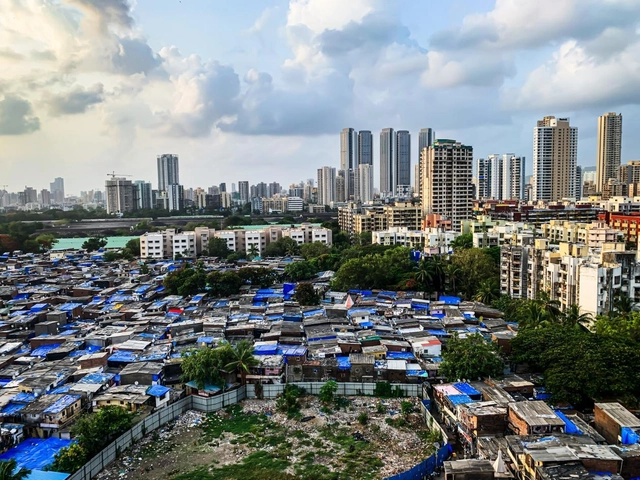
The End of Vertical Ghettos? The Commune of Maipú in Santiago, Chile Halts Permits for Mega-Developments

Subscriber Access | 

Tomás Vodanovic, mayor of the municipality of Maipú in Santiago, Chile, announced a new measure prohibiting high-rise construction along major thoroughfares, such as Pajaritos, Américo Vespucio, and 5 de Abril, in an effort to foster the aesthetic and sustainable development of the district.

Rethinking the Roles of Small-Scale Informal Wood Industries in Tropical Africa

Tropical Africa boasts vast forests that cover 3.6 million square kilometers of land in West, East, and Central Africa. These forests provide valuable timber resources that significantly impact sectors, such as the furniture, fuel, and paper industries. However, interestingly, timber is seemingly absent in the contemporary architecture of the countries in this region. While architectural taste plays a role, the main reasons for this absence can be attributed to the wood industries' inability to meet the requirements of availability, affordability, aesthetic appeal, durability, and climatic and structural performance of timber. The wood industry in tropical Africa is mainly composed of informal and small-scale operations, focused primarily on sawing logs rather than refining wood for architectural or structural purposes. Despite this, the large number of informal enterprises in the region presents an opportunity to reshape the wood industry and utilize the local forestry resources to construct timber buildings.

Rethinking the Roles of Small-Scale Informal Wood Industries in Tropical Africa - Image 1 of 4Rethinking the Roles of Small-Scale Informal Wood Industries in Tropical Africa - Image 2 of 4Rethinking the Roles of Small-Scale Informal Wood Industries in Tropical Africa - Image 3 of 4Rethinking the Roles of Small-Scale Informal Wood Industries in Tropical Africa - Image 4 of 4Rethinking the Roles of Small-Scale Informal Wood Industries in Tropical Africa - More Images+ 4